


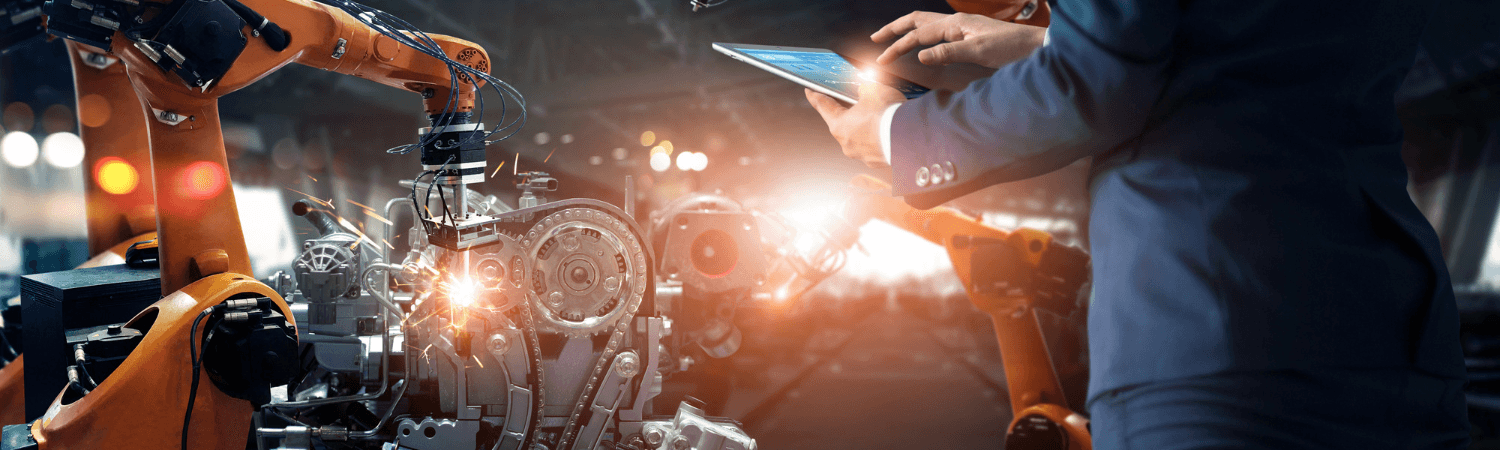

Robotic welding is an automated welding technique that is performed by a welding robot, which is a special type of industrial robot. Welding robots are typically stationary and are used to repeatedly perform the same welding operation. An industrial robot is a programmable, multipurpose manipulator designed to move material, parts, tools, or specialized devices through varied programmed motions for the purposes of loading, unloading, assembling, material handling, machine loading/unloading and other manufacturing operations. They are used in assembly lines and other manufacturing applications; wherever materials need to be handled. Robot welding was first introduced in the industrial sector during the 1960s. In most cases, building robots are used for resistance welding and arc welding in heavy industries, such as the automobile.
There are multiple types of robotic welding processes. Some of the popular ones are:
1. Spot welding: This technique securely bonds metal sheets by applying heat and pressure at specific points of overlap. Widely employed in automotive manufacturing, spot welding ensures sturdy connections.
2. Arc welding: Harnessing an electric arc to meld metals, this method is instrumental in constructing bridges, buildings, and expansive structures. Its versatility makes it a cornerstone in various industrial applications.
3. Laser welding: Leveraging a potent laser beam, this advanced process seamlessly fuses metals together with precision. Industries such as aerospace and medicine rely on laser welding for its unparalleled accuracy and efficiency.
4. Gas metal arc welding (GMAW): Gas metal arc welding (GMAW), also known as MIG welding, employs a continuous wire feed to seamlessly meld various metals, making it a preferred choice in the automotive and aerospace sectors.
5. Gas tungsten arc welding (GTAW): Gas tungsten arc welding (GTAW), commonly referred to as TIG welding, relies on a non-consumable tungsten electrode to meticulously fuse metals, finding applications in the aerospace and medical fields.
6. Plasma arc welding (PAW):Plasma arc welding (PAW) harnesses the power of a plasma arc to meticulously meld metals, catering to the needs of the aerospace and automotive industries.
7. Electron beam welding (EBW):Utilizing a high-velocity electron beam, this technique effectively melds metals, commonly applied in aerospace and medical fields.
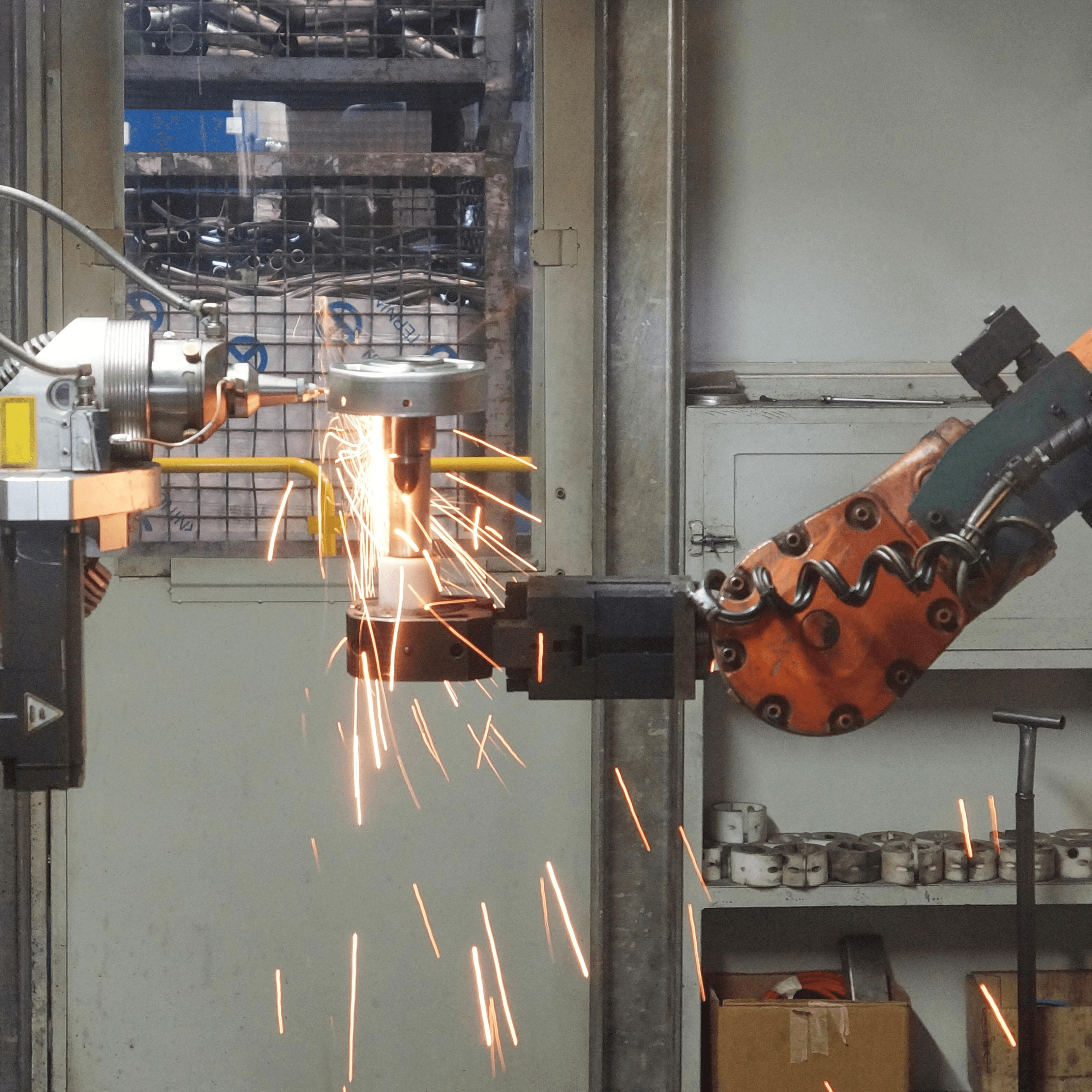
Robotic welding offers significant advantages to manufacturing, delivering precision, reduced material waste, and heightened
Safety. These automated systems access inaccessible areas and execute intricate tasks with superior accuracy, thereby streamlining production time and enhancing adaptability.
Robotic welding benefits, and the transformative impact it has on industries worldwide.
1. Mastering the Craft of Robotic Welding:
At the heart of robotic welding lies a meticulous dance of precision and efficiency. These automated systems are designed to perform welding tasks with a level of accuracy that surpasses traditional methods. From spot welding to arc welding, robotic systems execute each joint with unparalleled consistency, ensuring the integrity and strength of the welded structure.
2. Applications Across Industries: Versatility Beyond Boundaries
The applications of robotic welding span across a myriad of industries. From automotive manufacturing and aerospace to shipbuilding and construction, these robots seamlessly adapt to diverse welding requirements. Their versatility allows for the welding of intricate components with intricate shapes and sizes, making them indispensable in industries that demand precision and efficiency.
3. Unlocking the Secrets of Robotic Welding: Understanding Components and Setup
Robotic welding finds widespread application across various industries, including automotive manufacturing, aerospace, shipbuilding, and construction. These adaptable robots cater to diverse welding needs, effortlessly handling intricate components of varying shapes and sizes. Their versatility proves invaluable in industries that prioritize precision and productivity.
4. Optimizing Welding Efficiency: Harnessing Vision Systems
5. Fine-tuning Robotic Expertise: Mastering Welding Techniques
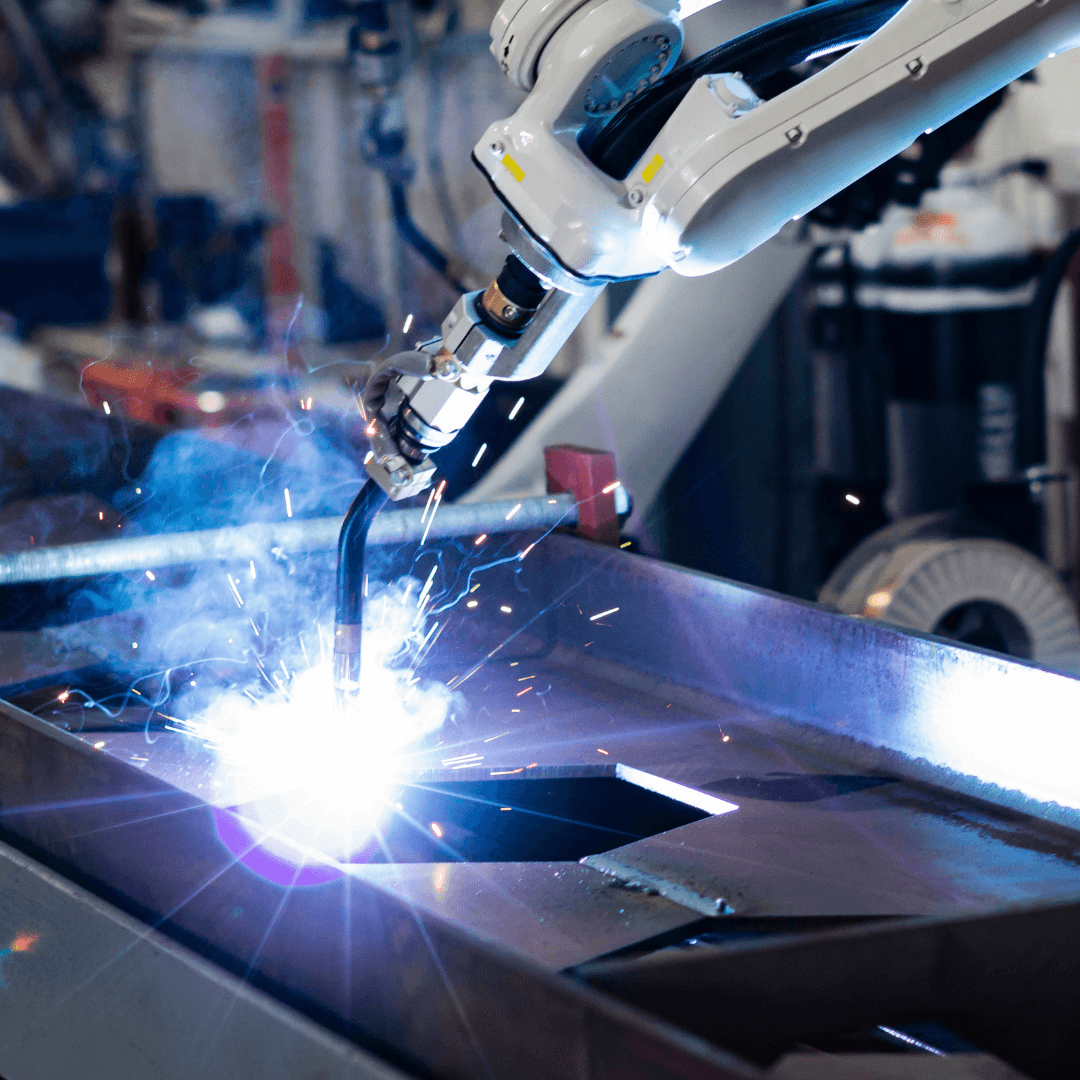
The key to unlocking the full potential of robotic welding lies in precise programming. Whether through offline programming or hands-on teach pendant techniques, the objective is to imbue robots with the cognitive ability to navigate their surroundings, position welding torches precisely, and execute flawless welds with utmost accuracy.
6. Efficiency Redefined: Benefits of Robotic Welding in Manufacturing
Embracing robotic welding revolutionizes manufacturing with a host of advantages. Boosted efficiency, shorter cycle times, and the capacity to handle hazardous conditions stand out among its many benefits. Consistent weld quality and uninterrupted operation not only cut costs but also enhance productivity significantly.
7. Human-Robot Collaboration: The Future of Welding Workspaces
As technology advances, humans are finding new ways to work alongside robots, especially in tasks like welding. Collaborative robotic welding is on the rise, where humans and robots team up to boost productivity. This partnership capitalizes on the unique strengths of both, blending human intuition with robotic precision for superior results.
8 Unlocking Economic Benefits: The Significance of Robotic Welding in Business Growth
Embracing robotic welding isn’t merely a leap in technology; it’s a calculated step toward economic prosperity. Beyond the initial investment lies a landscape of increased productivity, diminished labor expenses, and heightened weld precision. The profound economic influence of robotic welding positions it as a pivotal force in shaping the manufacturing landscape of tomorrow.
In the realm of welding, where precision and durability reign supreme, robotic welding stands out as a pioneer of technological advancement. With its sophisticated design and adaptable uses, robotic welding isn’t just a tool; it’s the architect of a revolutionary era in welding tech. As sectors increasingly adopt automation’s welding marvels, we embark on a journey toward enhanced precision, efficiency, and creativity. This path promises a future where each welded joint symbolizes the seamless fusion of technology and artisanal skill, ushering in a new era of manufacturing excellence.
Advantages of Robotic Welding
1. Increased Accuracy
Robotic welding technologies eliminate human error to provide consistent, high-quality welds. It is a favored option for sectors that require accuracy because of its precision, which dramatically lowers waste and enhances overall product quality.
2. Enhanced Efficiency
Robots are able to work nonstop, unlike human employees. This capacity increases overall efficiency by enabling firms to effectively manage large production quantities and achieve strict deadlines.
3. Better Security
During welding operations, dangerous gasses, high temperatures, and sparks are frequently present. A safer working environment is ensured by using robotic technologies to automate certain jobs, which reduce worker dangers.
4. Economic Viability
Robotic welding saves money over time by lowering labor expenses, material waste, and mistakes. It is an affordable option for producers due to its effectiveness and dependability.
Applications of Robotic Welding
Numerous sectors have used robotic welding, demonstrating its adaptability and significance in contemporary production. The following are some important industries that robotic welding is helping:
1. Automobile Sector
Robotic welding is used extensively in the automobile sector to assemble car chassis, body pieces, and other elements. Robots can do jobs faster and more accurately than humans, which guarantees consistency and longevity in the manufacturing process. They allow producers to fulfill deadlines without sacrificing quality since they are perfect for high-volume manufacturing .
2. The Aircraft Sector
Precision is crucial in the aircraft manufacturing industry. Robotic welding guarantees the precision required to build superior airplane parts. From engine components to fuselage assembly, robotic systems are excellent at upholding the exacting standards needed for aerospace applications. The final goods’ dependability and safety are also improved by this accuracy.
3. The Building Sector
For building projects, robotic welding is essential to producing robust and long-lasting steel structures. Even for massive and intricate constructions, robots make sure the welds are dependable and uniform when welding beams for buildings, bridges, or other infrastructure.
Types of Robotic Welding
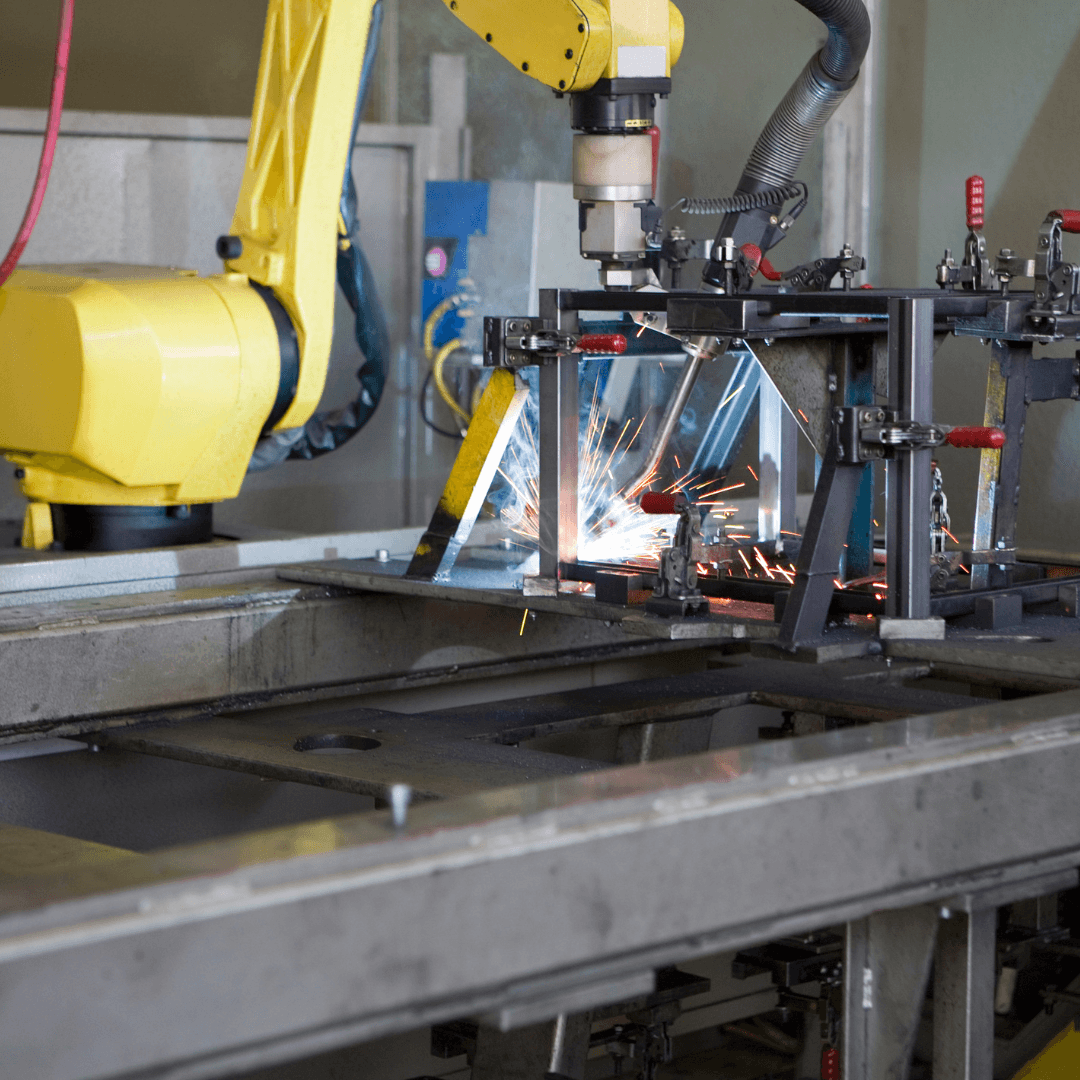
To satisfy the unique requirements of diverse sectors, robotic welding systems use a variety of approaches. Three popular varieties of robotic welding are as follows:
1. The use of arc welding
For combining heavier materials, arc welding is a reliable and adaptable technique that is perfect for industrial and automotive settings. Robotic systems ensure smooth welds and minimize spatter by precisely performing arc welding. This technique works especially well for jobs that call for strength and durability, like building large machines and automobiles.
2. Welding by Spot
For attaching thin metal sheets, spot welding is a common method. It is widely utilized in the automobile industry and entails using pressure and heat to create tiny weld spots. By guaranteeing consistent welds at every site, robotic methods are excellent at spot welding and improve the end product’s structural integrity.
3. Welding using Laser
Using concentrated laser beams, laser welding is a state-of-the-art technique that joins materials with remarkable accuracy. It is especially well-suited for sectors where precision is crucial, such as electronics and medical device manufacture. Additionally, laser welding reduces the need for extra finishing by enabling cleaner welds and faster processing.
The Future of Robotic Welding
With developments in machine learning and artificial intelligence (AI) , robotic welding is changing. These technologies allow robots to anticipate maintenance requirements, monitor operations in real-time, and adapt to complicated jobs. Robotic welding systems are essential for the production of the future because of features like remote operation and intelligent data analytics, which further increase efficiency.
Businesses may keep ahead of the competition in a cutthroat market by using robotic welding to increase productivity, improve quality, and provide safer working conditions.
In conclusion
With its ability to combine accuracy, efficiency, and safety to satisfy the changing needs of several sectors, robotic welding has become a revolutionary solution in contemporary production. It is an essential tool for companies looking to innovate and compete because of its capacity to save expenses, increase production, and provide consistent quality. Robotic welding systems will only get more sophisticated and adaptable as technology develops further, integrating AI, machine learning, and smart monitoring. Industries can guarantee long-term development and sustainability in addition to streamlining operations by implementing robotic welding. The goal is to create a more intelligent, secure, and effective future, not merely automated procedures.












