


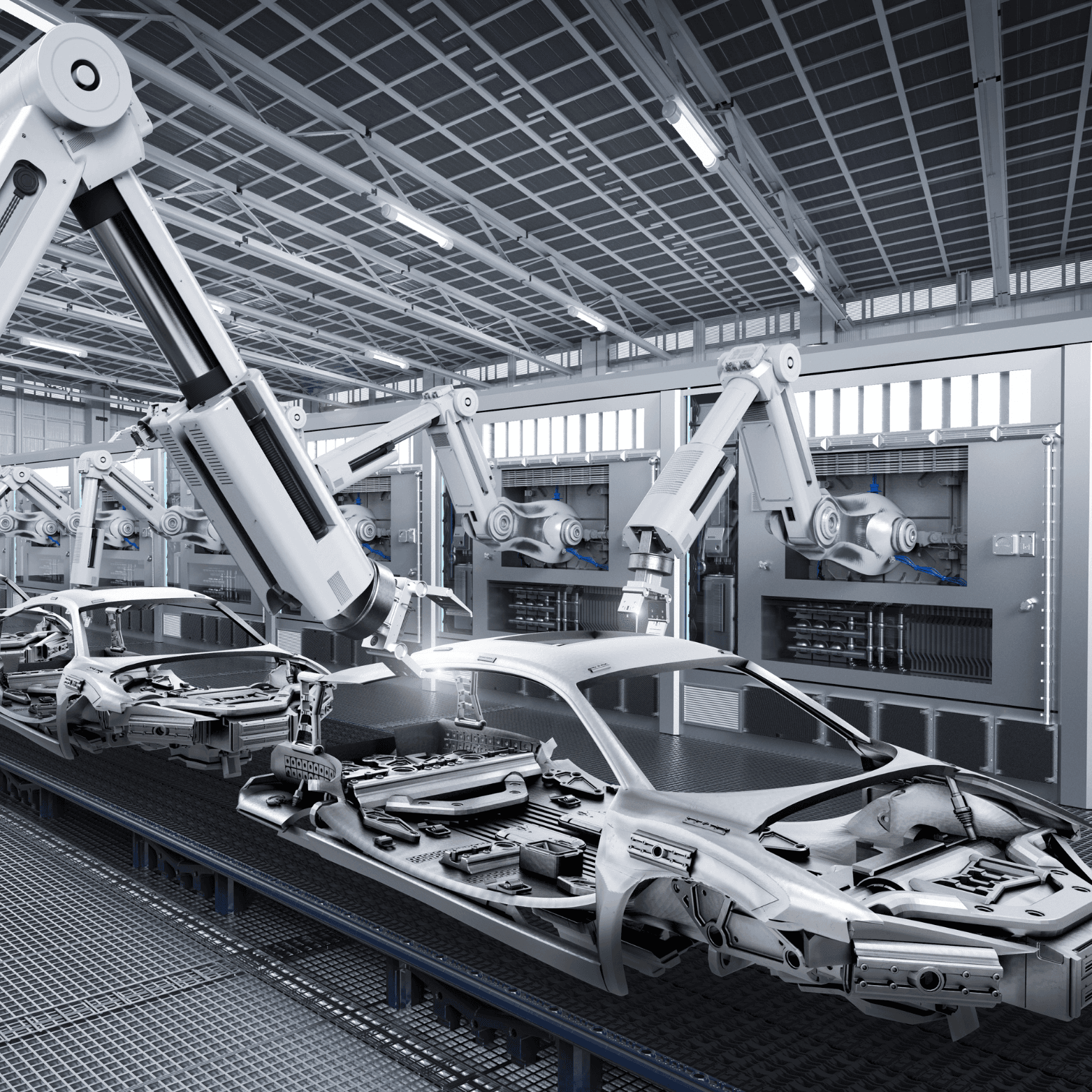
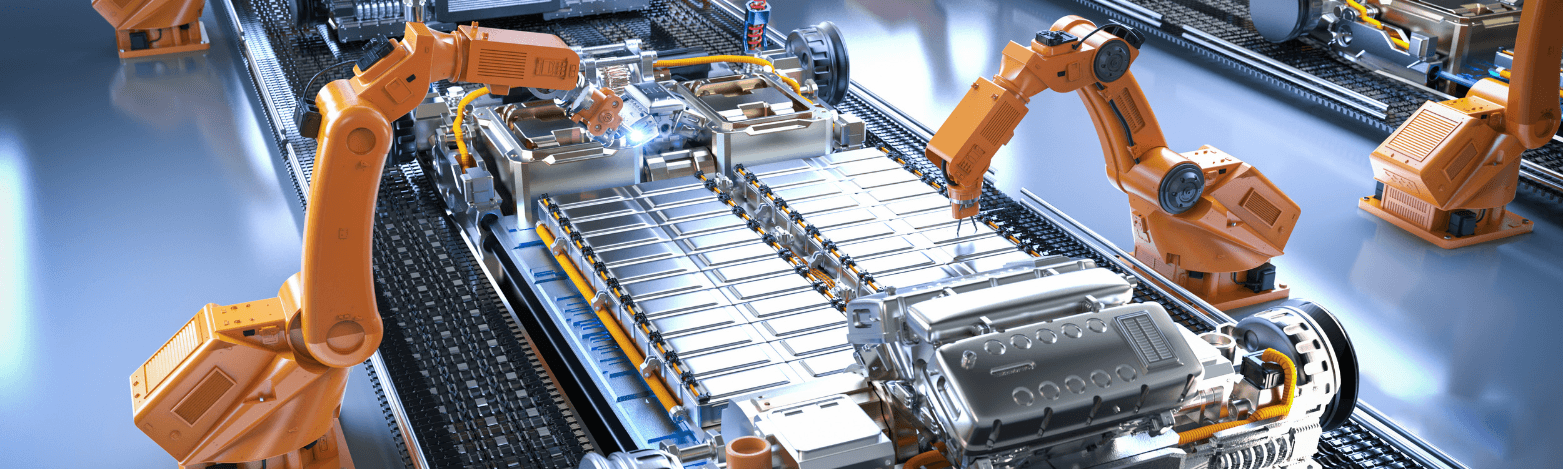
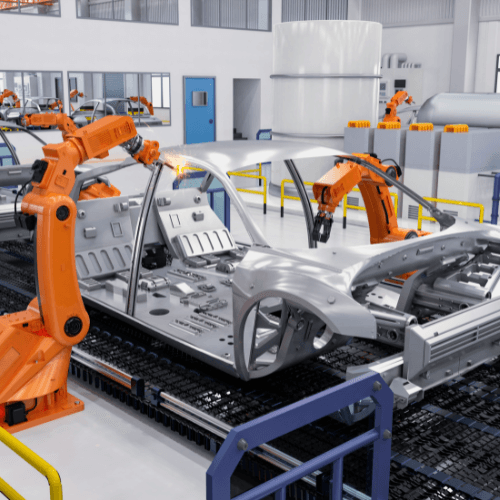
This article examines how cobots are affecting the future of car production and forming smart factories. We’ll go over how they may increase productivity, security, and personalization as well as practical uses and the prospects for cobot-driven vehicle manufacturing.
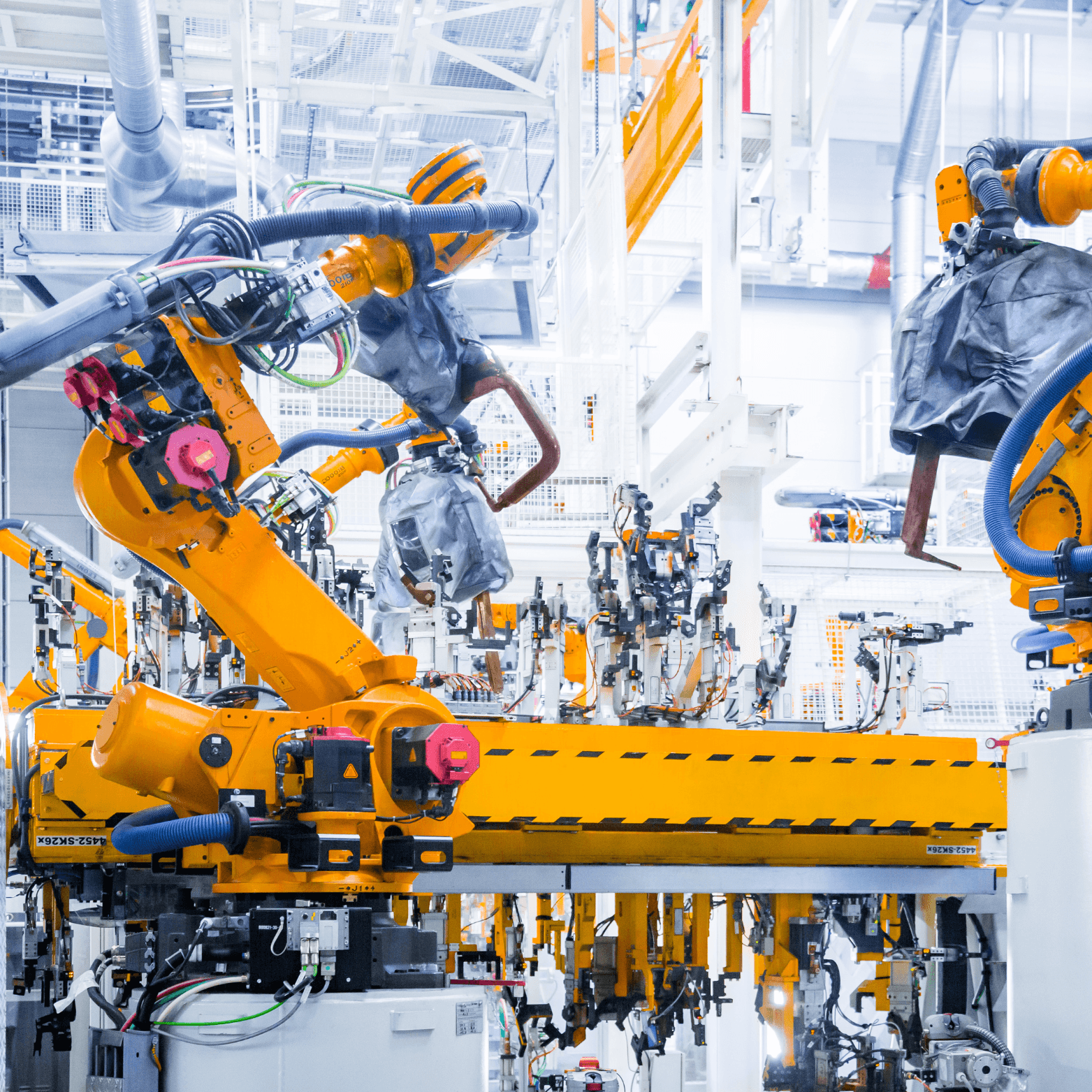
The Rise of Cobots in Smart Factories
1. The Transition to Intelligent Manufacturing and Automation
The manufacturing sector is changing dramatically because of companies quickly using smart technology to increase flexibility, efficiency, and production. Smart factories, which use sophisticated automation, artificial intelligence (AI) , the Internet of Things (IoT), and data analytics to optimize operations, represent a paradigm change from traditional production systems.
The growing need for efficiency, shorter production cycles, and customisation are some of the main factors propelling smart manufacturing. Businesses are investing in collaborative robots, or cobots, to satisfy these expectations. These machines operate in tandem with human workers to create production environments that are extremely efficient and adaptable.
– Increasing Interaction Between Humans
Cobots are designed to complement human workers in a variety of jobs, increasing efficiency and production in areas like,
Assembly Operations: By assisting with complex assembly procedures, cobots help workers stay precise while lowering tiredness.
Quality Inspection: Using AI-powered analytics and high-resolution cameras , cobots are able to detect flaws more quickly and precisely than human inspectors.
Material handling: By moving, sorting, and packaging goods, cobots reduce human strain and downtime.
– Increasing Productivity and Efficiency
There is ongoing demand on manufacturers to increase productivity without sacrificing quality. Cobots facilitate this by:
– automating repetitious processes to cut down on manufacturing cycle durations.
– reducing discrepancies and human error to increase throughput.
– ensuring fatigue-free production capacity around-the-clock, enabling companies to satisfy increasing demands.
– Increasing Safety at Work
In contrast to conventional robots, cobots prioritize safety in their design. They can recognize human presence and modify their motions in response thanks to their sophisticated sensors, AI-driven motion control, and force-limiting capabilities. This promotes a safer and more ergonomic work environment by drastically lowering workplace accidents and injuries.
2. Key Features of Cobots in Smart Factories
Cobots are unique in a number of ways that make them perfect for contmporary production settings. These consist of:
1. Integration of AI and Adaptive Learning
Cobots use machine learning and artificial intelligence to keep getting better at what they do. Cobots improve accuracy, streamline processes, and hone their operations by learning from human operators. Because of their capacity for self-improvement, cobots may adjust to shifting manufacturing requirements without requiring significant reprogramming.
2. Plug-and-Play Capabilities
Cobots are intended to be easily deployed, in contrast to traditional industrial robots that need intricate setup and programming. Their user-friendly interfaces drastically cut down on implementation time and expenses by enabling operators to set them up and reprogram them with little technical know-how.
3. Adaptability and the ability to multitask
Agility is necessary in modern manufacturing to meet shifting production demands. In this regard, Cobots shine by providing:
– Rapid Reprogramming: Cobots may be quickly reprogrammed to carry out various activities.
– Scalability: When necessary, they may be set up in various sections of the production process.
– Versatility: Cobots can handle a variety of tasks, from heavy automobile components to delicate electronics.
4. IoT-Powered Data Analytics and Real-Time Monitoring
Cobots that integrate IoT technology offer real-time insights into process optimization, predictive maintenance, and operational efficiency. Manufacturers can use cloud-based data analytics to:
– Track the performance of the cobot from a distance.
– Identify any maintenance problems before things become more serious.
– Utilize current data trends to optimize manufacturing schedules.
3. Cobots’ Prospects in Intelligent Manufacturing
A new phase in the development of manufacturing is being ushered in by the growth of cobots. Cobots will become ever more intelligent, effective, and essential in industrial settings as AI, machine learning, and IoT continue to develop. It is anticipated that future advancements in cobot technology will include:
– Increased Autonomy: Cobots will be able to carry out increasingly difficult jobs with less assistance from humans thanks to advanced AI.
– Better Human-Robot Interaction: Cobots will be easier to use with enhanced gesture detection and natural language processing (NLP).
– Integration with Industry 4.0: Cobots will work in unison with blockchain tracking, digital twins, and cyber-physical systems as part of fully networked smart factories.
Cobots in the Automotive Industry: Revolutionizing Vehicle Manufacturing
For a long time, the automobile sector has led the way in automation . However, by increasing productivity, quality, and sustainability, the incorporation of cobots is pushing manufacturing to new limits.
1. Cobots in the Assembly of Vehicles
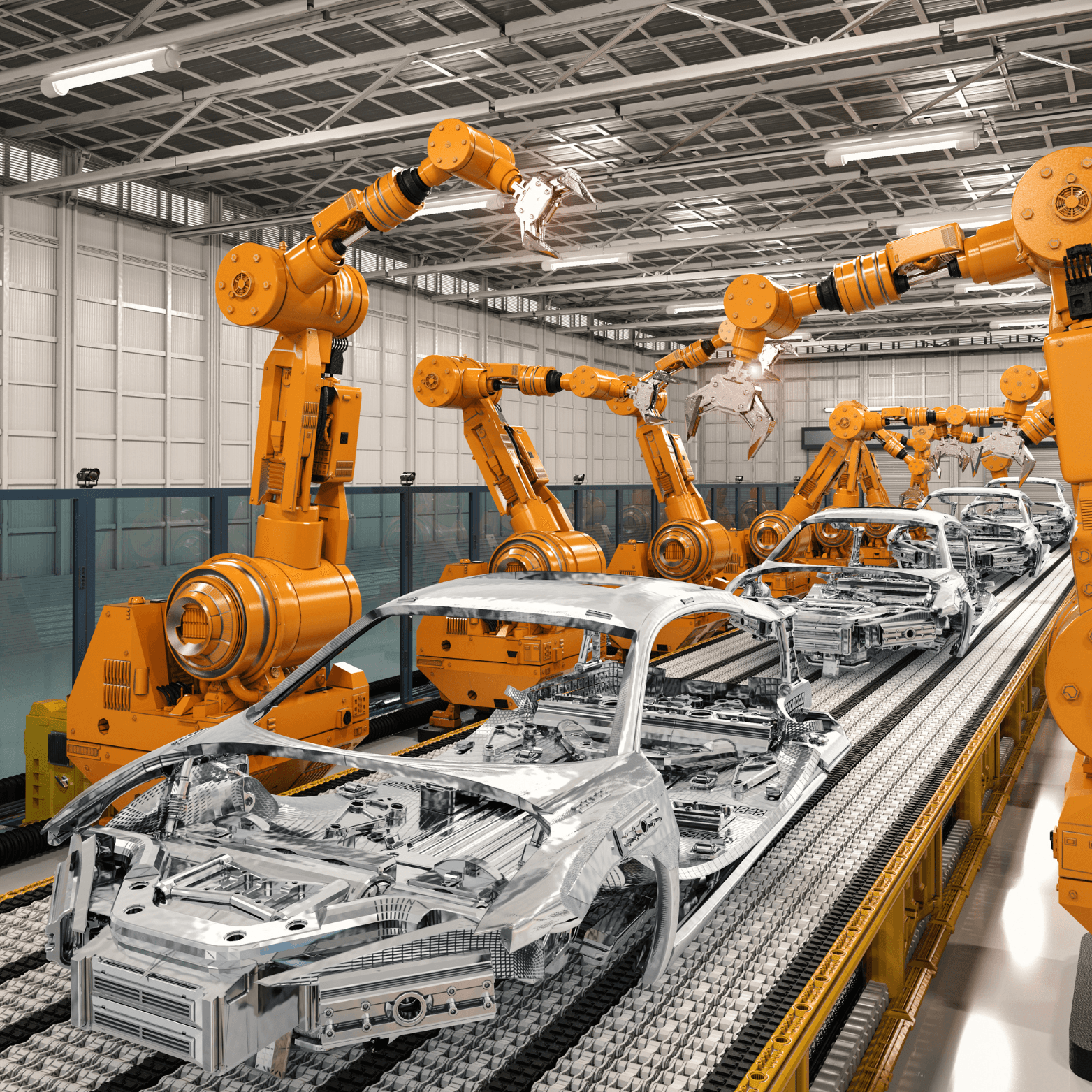
Conventional car assembly combines manual labor and mechanized machinery. Cobots fill the void between these two by carrying out duties like
– Precision Welding: Cobots with cutting-edge sensors provide reliable, superior welds in car frames.
– Fastening and screwing: They improve precision and lessen human fatigue while assembling intricate auto parts.
– Smooth Material Handling: Cobots improve logistics in car manufacturing by transporting parts to final assembly lines.
2. Inspection and Quality Control
Making sure that the goods are free of flaws is one of the most difficult tasks in the automobile manufacturing industry. Machine vision technology is used by cobots to:
– Find tiny flaws in parts made of glass, metal, or paint.
– To find structural flaws, use non-destructive testing.
– Minimize human mistakes and enhance adherence to safety rules.
3. Personalization and Small-Scale Manufacturing
Automakers must adjust to producing low-volume, high-variation automobiles as consumer demand shifts toward customized vehicles. Cobots make possible:
– Production lines may be quickly rearranged to accommodate various automobile models and unique characteristics.
– More freedom to change the external and interior designs of cars.
– Just-in-time production is handled effectively, cutting waste and inventory expenses.
4. Eco-Friendly Production
Cobots support environmentally responsible production by:
– Lowering energy usage by streamlining processes.
– Using accurate assembly methods to reduce material waste.
– Putting together lightweight components and intricate battery systems to support the manufacturing of electric cars (EVs).
Real-World Applications of Cobots in Automotive Smart Factories
1. Tesla’s AI-Powered Production
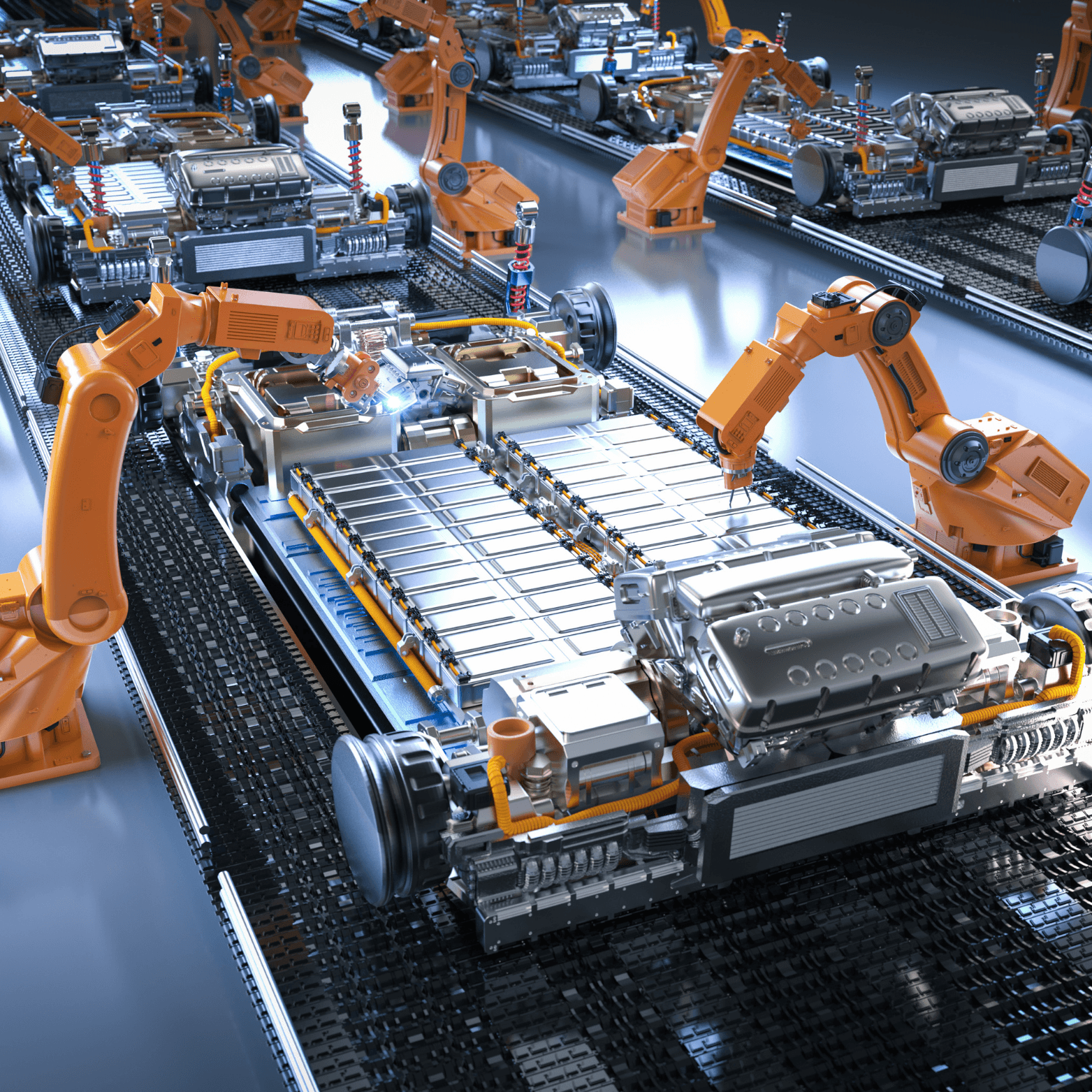
Cobots driven by artificial intelligence are used in Tesla’s Gigafactories to help assemble EV parts, guaranteeing high production rates without sacrificing quality. Battery modules may be assembled more efficiently and precisely with the use of cobots.
2. Teamwork in Robotics at BMW
Cobots are now built into BMW vehicles to help with door installation, guaranteeing a flawless fit each and every time. Cobot functionalities are dynamically adjusted in the company’s smart factories using real-time data analytics.
3. Advanced Automation of Volkswagen
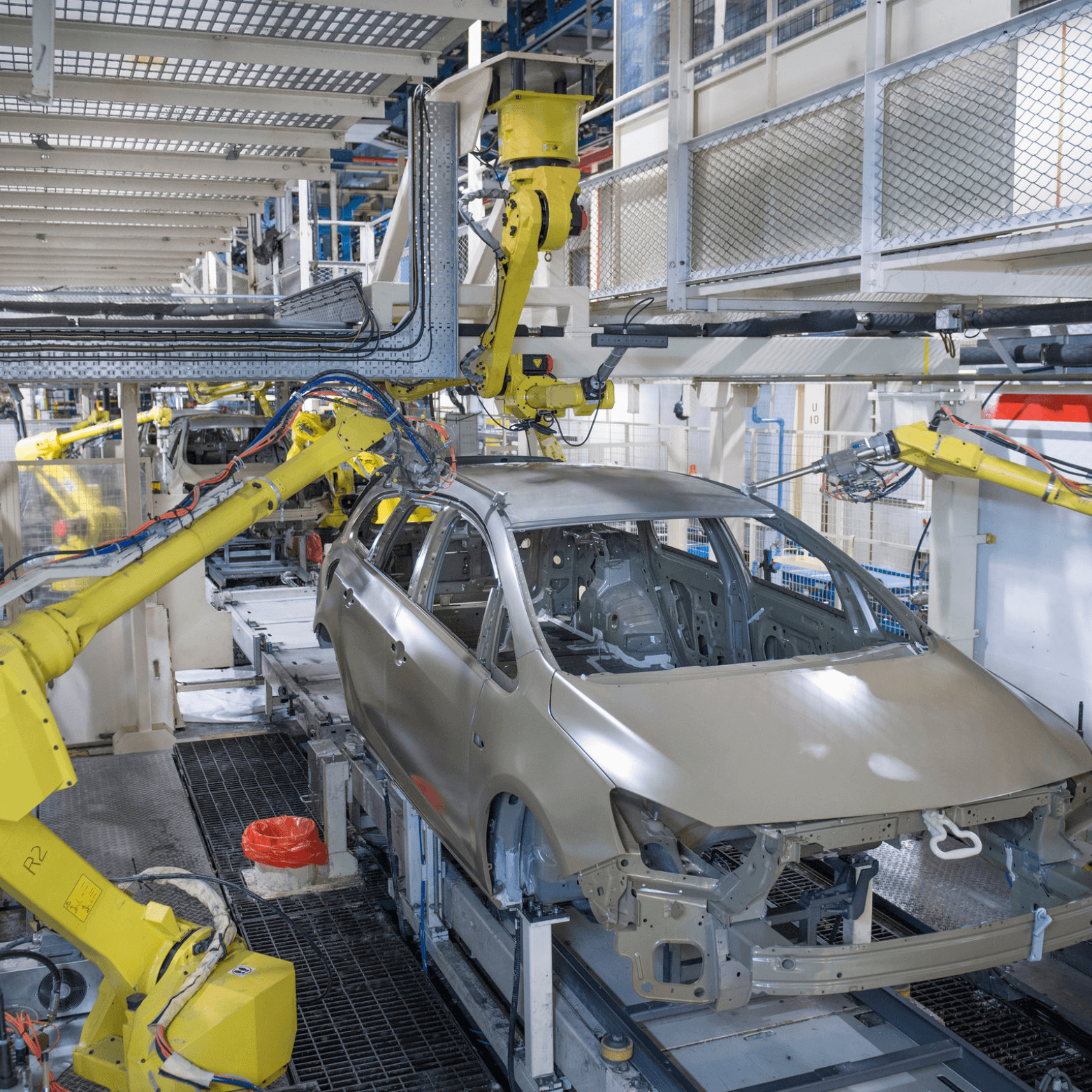
In the areas of painting, material handling, and quality control, Volkswagen facilities use cobots. When used in tandem with human workers, these cobots lessen stress and increase productivity.
4. Ford’s Safety-Enhanced Plants
Ford’s manufacturing facilities use cobots to complete jobs that are ergonomically difficult, reducing worker injuries and guaranteeing a safer working environment.
Challenges and Considerations in Cobot Integration
Even though cobots have several benefits, there are still certain obstacles to their widespread use:
1. Expensive initial outlay
Installing cobots in a smart factory necessitates a large infrastructure, training, and software integration investment. But in the long run, the advantages are greater than the disadvantages.
2. Adaptation of the Workforce
To operate well with cobots, human employees need to be trained. Closing the skills gap is essential to optimizing cobot performance.
3. Risks to Cybersecurity
Cobots are susceptible to cyberattacks as they are linked to IoT networks. Implementing strong cybersecurity safeguards is necessary to protect operations and data.
4. Adherence to Regulations
To avoid workplace mishaps, manufacturers must make sure cobots adhere to safety requirements and industry standards.
The Future of Cobots in Smart Factories and Automotive Manufacturing
Cobots’ function in smart factories will keep changing because of developments in AI, machine learning, and Industry 4.0. Important upcoming trends consist of:
1. AI-Powered Cobots: With enhanced cognitive capacities, future cobots will be able to optimize operations and make choices in real time without the need for human participation.
2. Completely Autonomous Manufacturing: Cobots will be essential to the development of completely autonomous production lines, which will increase productivity and lessen the need for manual labor.
3. Better Human-Robot Interaction: Advances in gesture control, speech recognition, and haptic feedback will make it easier for cobots to operate alongside human employees.
4. Broad Use in the Production of EVs and driverless cars: Cobots will play a key role in putting together the next generation of EVs and driverless cars, promoting environmentally friendly transportation options.
In conclusion
Cobots are leading the charge to revolutionize the automotive sector and smart manufacturing. They are influencing how cars are made in the future by increasing productivity, security, and personalization. Cobots will become ever more intelligent and adaptable as technology develops, propelling the development of smart factories and empowering automakers to effectively satisfy rising customer needs.
Increased automation will usher in a new era of manufacturing excellence in the automotive sector, where people and cobots collaborate to create tomorrow’s cars.












