


Vacuum System Types for Automation and Packaging
Vacuum systems are essential for material handling, automation, and packing. Below is a thorough explanation of the many kinds of vacuum systems and how they work:
1. Pumps for vacuuming
Devices called vacuum pumps are made to extract gases or air from a closed area in order to produce a vacuum. In order to prolong shelf life and avoid contamination, they are frequently utilized in packaging applications, such as vacuum-sealing food items.
2. Chambers of Vacuum
A sealed space where air is drawn out to produce a vacuum is called a vacuum chamber. Numerous companies use these chambers for research, testing, and packaging purposes.
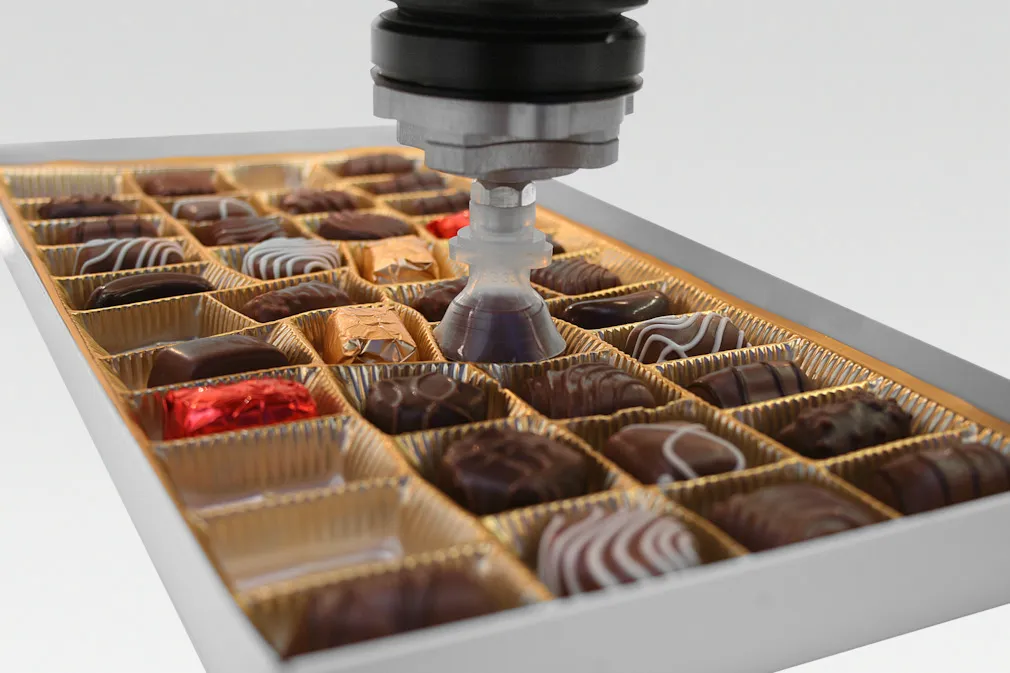
3. Grippers with vacuums
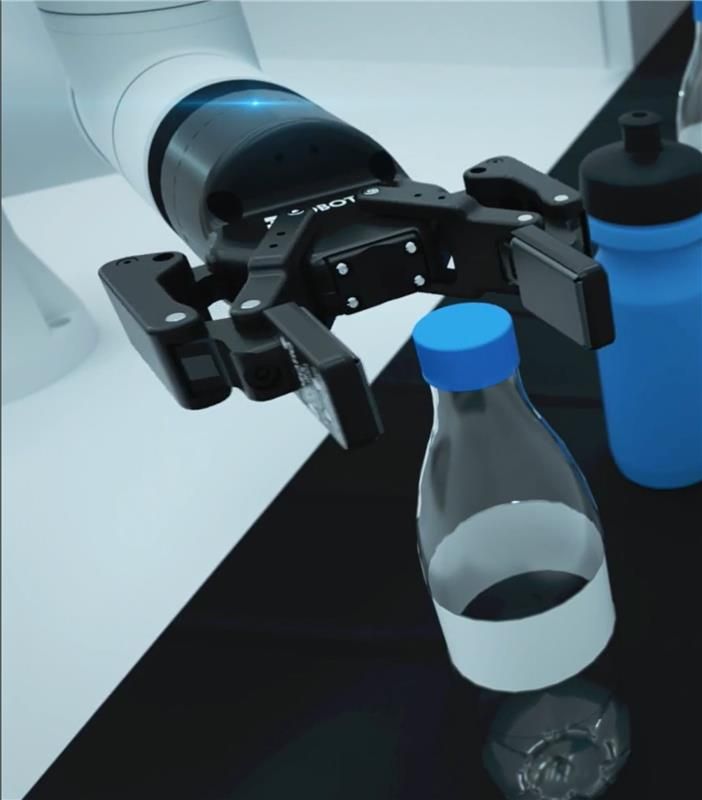
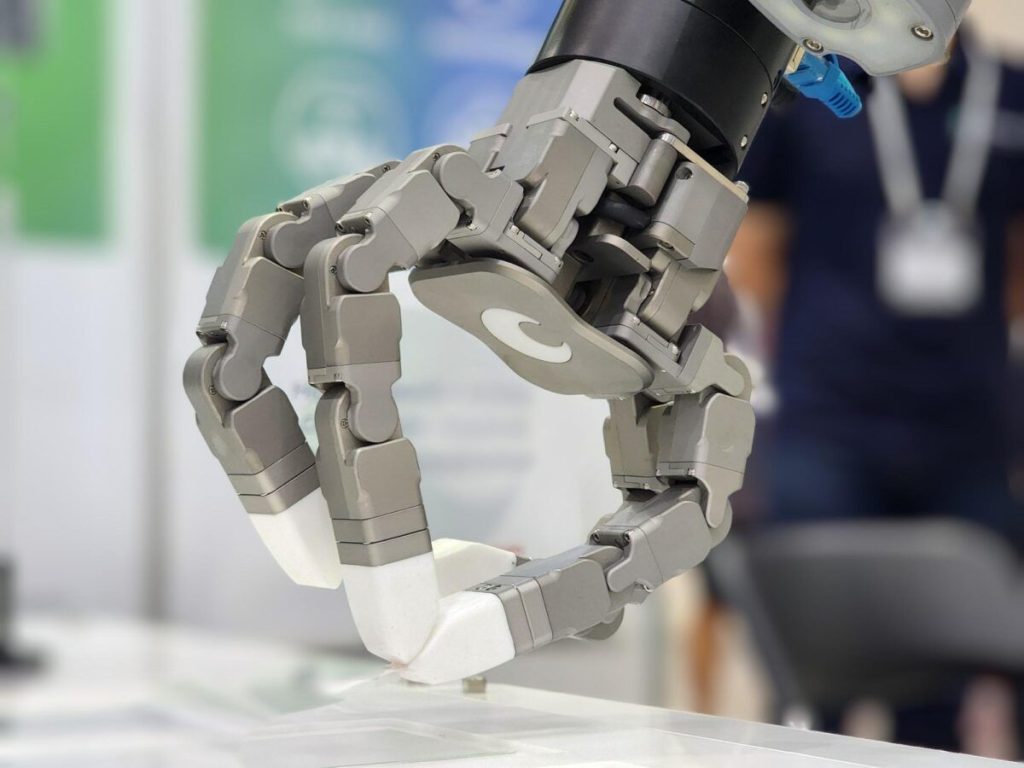
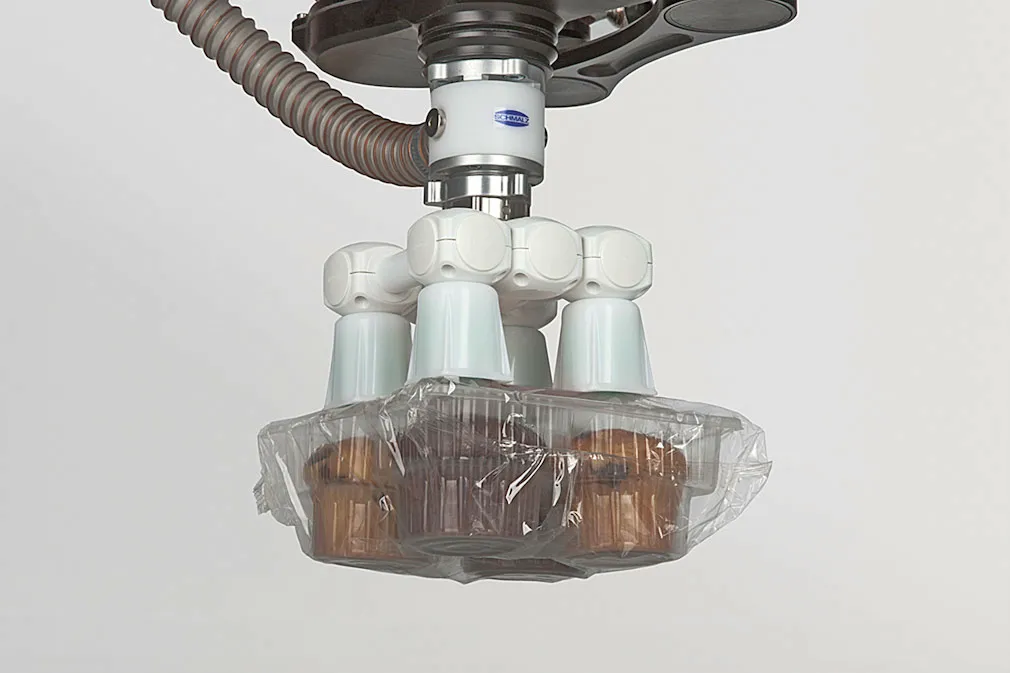
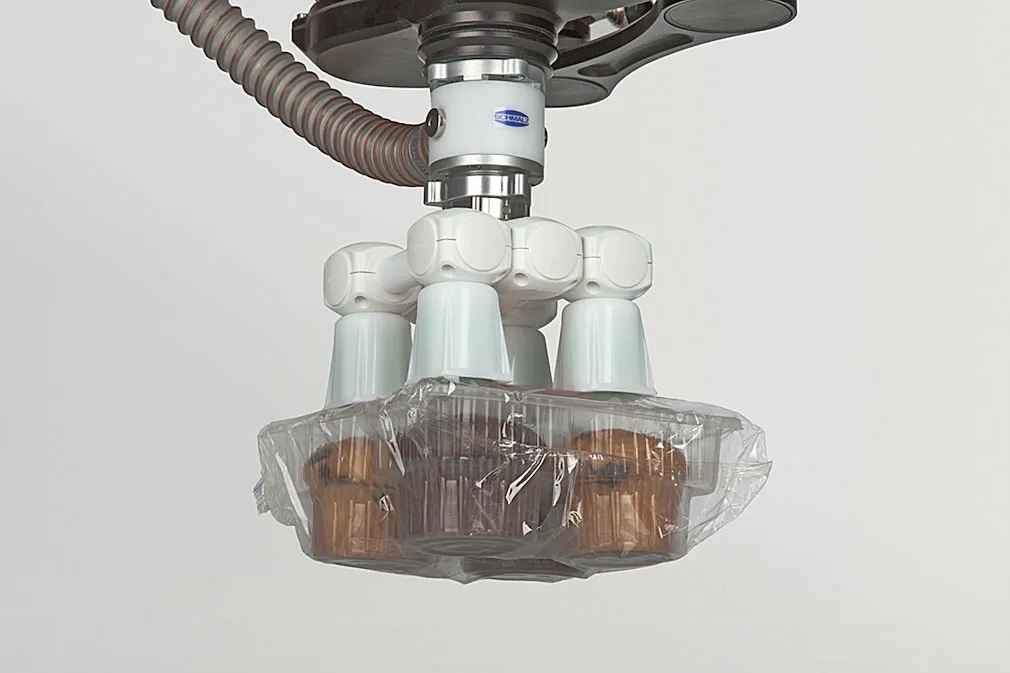
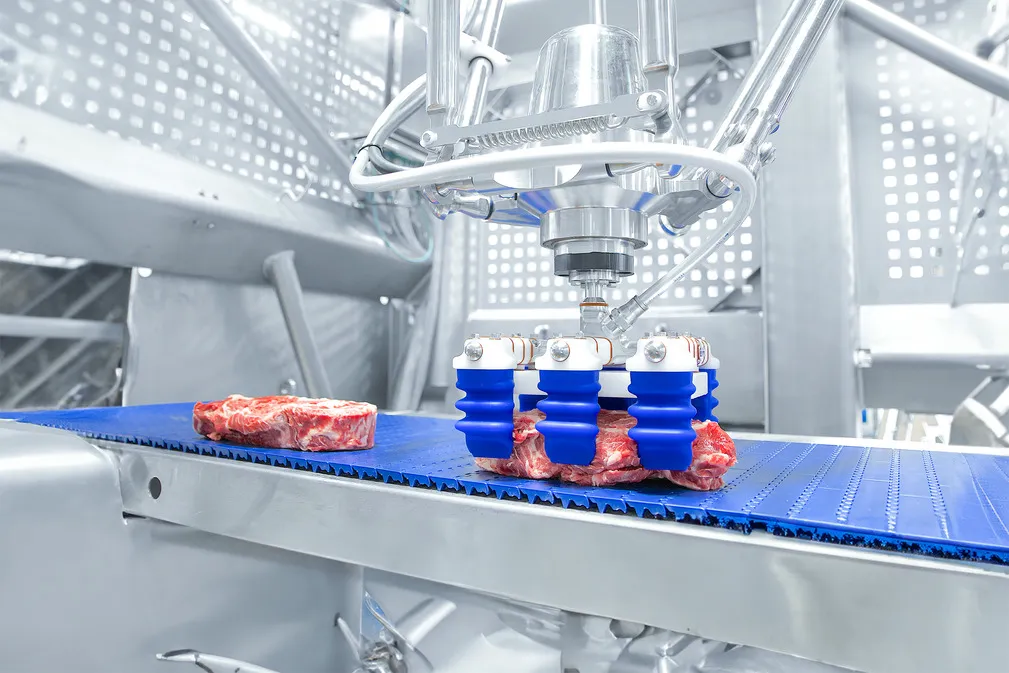
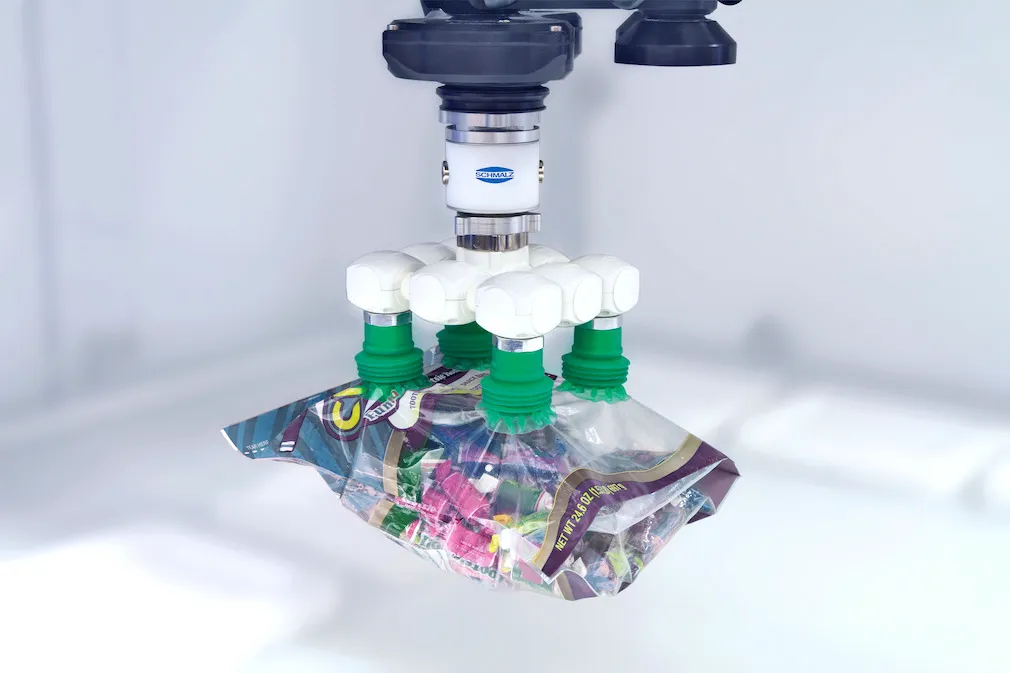
In automated packaging lines, vacuum grippers are crucial components that enable robots and machines to properly handle, pick, and put products. They are especially helpful when handling breakable goods including food, electronics, and glass.
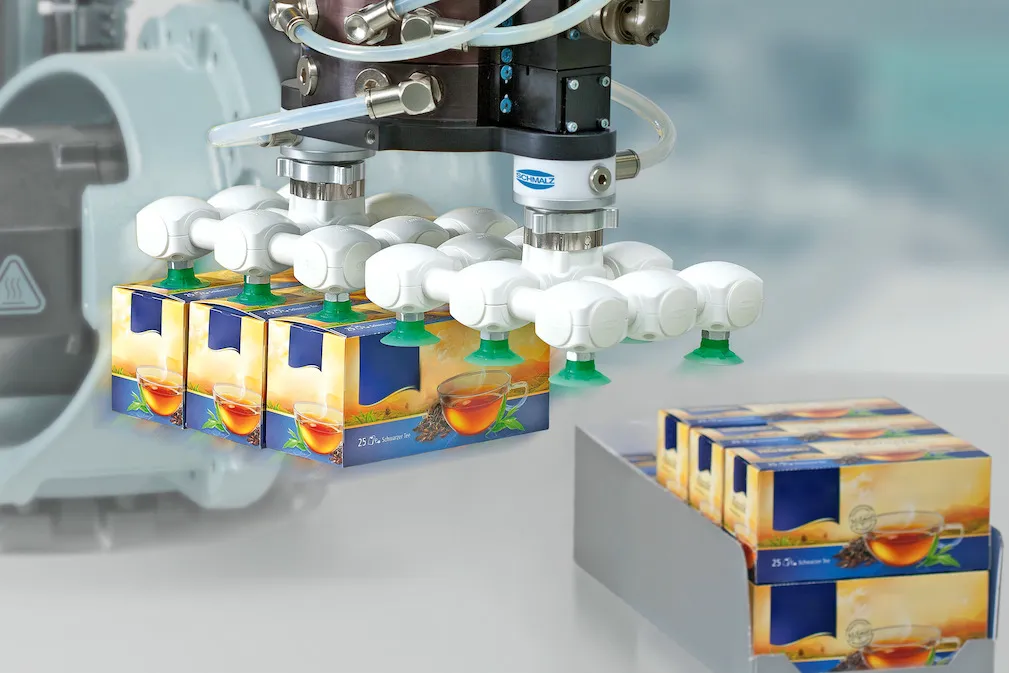
In automation, packaging, and manufacturing, each of these vacuum systems has a distinct function that enhances productivity, security, and product quality.
Vacuum Technology Applications in Packaging
In many different industries, vacuum technology is essential to packing because it guarantees product lifespan, sterility, and environmental protection.
1. Packaging for Food
Vacuum sealing is frequently used in the food business to preserve product freshness and increase shelf life. It inhibits bacterial growth and stops spoiling by eliminating oxygen. This technique is frequently used to preserve natural juices and stop degradation in the packaging of meat and seafood. Vacuum sealing helps dairy products like cheese and butter maintain their freshness by reducing oxidation and moisture exposure. Additionally, ready-to-eat meals are vacuum-packed to preserve their nutritional value, flavor, and texture over time.
2. Packaging for Electronics
Vacuum packing is crucial for the preservation of electronic components because of their extreme sensitivity to oxidation, moisture, and static electricity. Microchips and semiconductors are vacuum-sealed to preserve their performance by preventing oxidation and electrostatic damage. Additionally, vacuum packaging is necessary to safeguard circuit boards and sensors during storage and transit. Fiber optics and camera lenses are examples of optical components that are protected from environmental exposure and dust buildup. Widely utilized in many electronic products, lithium-ion batteries are vacuum-packed to increase their longevity and safety by preventing air and moisture exposure.
3. Packaging for Industry
Vacuum packing is crucial to preserving the consistency and stability of materials in industrial applications. Vacuum sealing is used in chemical packaging to keep reactive materials from degrading and maintain their efficacy over time. Vacuum technology is advantageous for bulk powder packaging because it keeps consistency, stops moisture absorption, and makes transportation simple. Additionally, lubricants and adhesives are vacuum-sealed to maintain their viscosity and functionality by avoiding contamination and premature curing. Additionally, to stop rust, corrosion, and deterioration during storage and transportation, industrial tools and spare parts—particularly metallic ones—are vacuum-packed.
High-performance materials and delicate components are preserved in the automotive and aerospace industries through the use of vacuum packaging. To maintain their structural integrity, composite materials—such as carbon fiber and Kevlar—are vacuum-sealed to keep out moisture and other environmental pollutants. Vacuum-packing preserves the qualities and functionality of specialized lubricants and adhesives used in cars and airplanes. Sensors and battery modules are examples of crucial electronic parts that are vacuum-sealed to guarantee dependability under harsh working circumstances. Vacuum packaging also helps sections of the fuel and hydraulic systems since it keeps them clean and guarantees that they work in high-performance settings.
Key Components of a Vacuum Packaging System
1. Vacuum Chambers
A number of essential elements are needed for vacuum packaging systems to guarantee efficient air removal, product preservation, and airtight sealing. Every component is essential to preserving the quality of the product and increasing its shelf life.
– Vacuum Pumps: The foundation of any vacuum packaging system, vacuum pumps remove air from packing to produce an environment that is vacuum-sealed. Various kinds of vacuum pumps are employed according to the purpose:
– Rotary Vane Pumps: Rotary vane pumps are frequently used in industrial and food packaging for continuous vacuum applications because of their dependability and efficiency.
– Diaphragm Pumps: Developed for delicate uses such as pharmaceutical packing, these pumps offer a vacuuming operation free of contaminants and oil.
– Liquid Ring Pumps: The food packaging and chemical processing industries frequently employ liquid ring pumps because they are perfect for damp settings.
2. Chambers of Vacuum
An enclosed area used for vacuum-sealing packing is called a vacuum chamber. For companies that need airtight packaging to preserve product integrity, this component is crucial.
– Applications in the Food Industry: To prolong the shelf life and avoid contamination, vacuum chambers are used to seal meat, seafood, dairy goods, and prepared foods.
– Pharmaceutical Applications: To maintain sterility and safeguard against environmental influences, medical items like ampoules, blister packs, and sterile tools are vacuum-sealed.
3. Vacuum Sealing Machines
To safeguard packed goods, vacuum sealing devices eliminate air and produce an airtight seal. Various machine types are available depending on the amount of packing and the needs of the industry:
– External Vacuum Sealers: Often used for small-scale business packaging and food storage in homes, these devices are perfect for low-volume packing.
– Chamber Vacuum Sealers: Developed for large-scale manufacturing, these sealers are employed in industrial environments where reliability and efficiency are crucial.
4. Sensors and Controllers for Vacuum
Throughout the packing process, vacuum levels are maintained using vacuum sensors and controllers. These elements support maintaining product quality and maximizing efficiency.
– Vacuum Sensors: Vacuum sensors are used to detect changes in the vacuum system’s pressure, guaranteeing that each package receives the right amount of vacuum.
– Vacuum Controllers: Control the vacuum’s intensity to avoid over- or under-sealing, which can compromise product preservation and packaging efficacy.
Each of these elements is essential to the effective operation of vacuum packaging systems, which provide airtight seals that shield goods from contamination, spoiling, and environmental harm.
Innovations and Future Trends in Vacuum Packaging
Automation, sustainability, smart technology, and creative preservation methods are all driving changes in the vacuum packaging sector. These innovations lengthen product life, increase efficiency, and lessen their negative effects on the environment.
1. Smart Vacuum Packaging
To improve quality control and predictive maintenance, contemporary vacuum packing systems are incorporating Internet of Things sensors and real-time monitoring features. Packing integrity, leak detection, and vacuum level tracking are all possible with these intelligent systems. Manufacturers can maximize packaging conditions, cut waste, and boost overall productivity by utilizing data analytics. Particularly useful are sectors like food and pharmaceuticals, where adherence to safety regulations and constant quality are essential.
2. Sustainable Vacuum Packaging
Vacuum packaging is moving toward eco-friendly materials and energy-efficient procedures as sustainability gains traction. To cut down on plastic waste, recyclable plastic substitutes, compostable vacuum bags, and biodegradable films are being created. In order to reduce their influence on the environment, manufacturers are now implementing low-energy vacuum systems. These developments are in line with consumer demands for ecologically friendly packaging and global sustainability goals.
3. Automation of Vacuum at High Speed
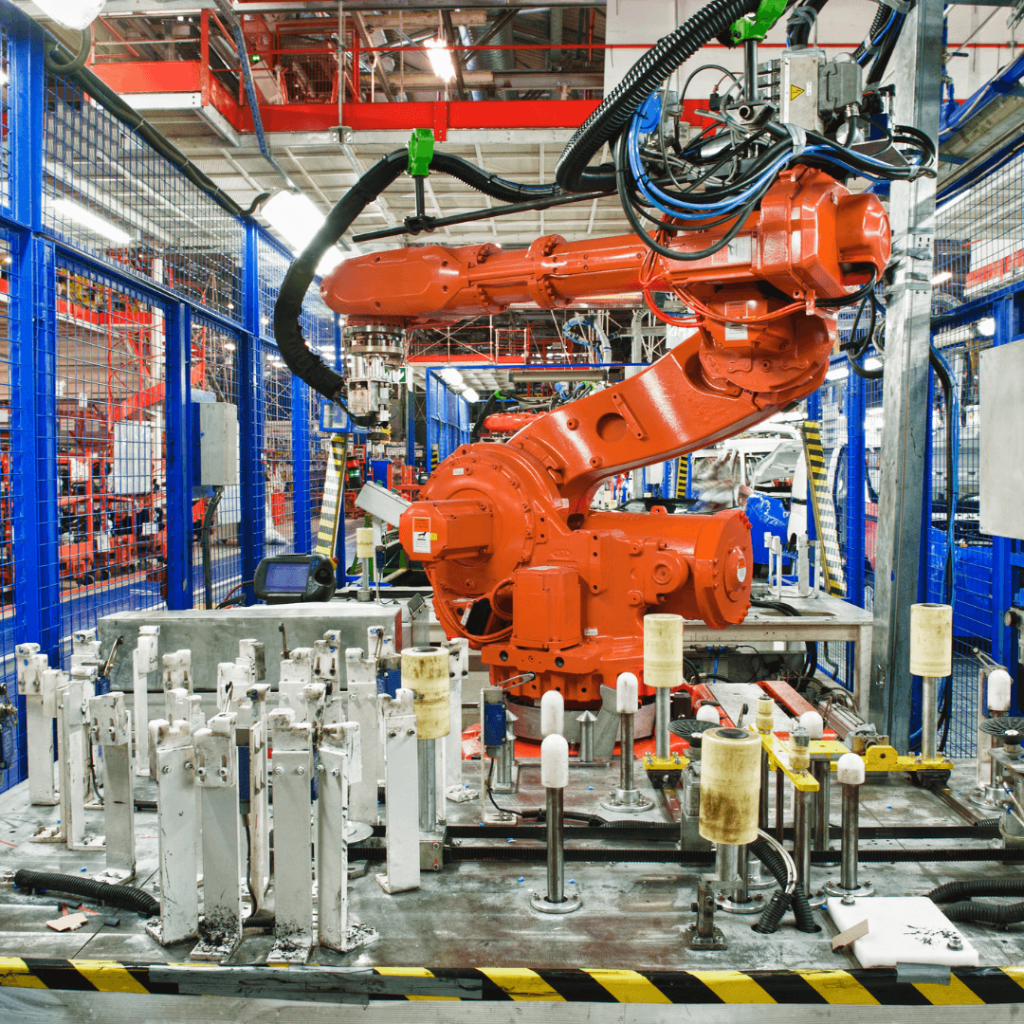
Vacuum systems powered by AI and automation are transforming packaging lines by boosting productivity and efficiency. Cutting-edge robotic systems using machine learning algorithms can minimize packing errors, improve vacuum cycles, and modify sealing parameters in real time. These developments assist industries in reducing operating costs, increasing throughput, and minimizing downtime. High-speed automation guarantees consistent product sealing while upholding quality standards in industrial packaging and large-scale food manufacturing.
4. Atmosphere Packaging Modified (MAP)
By substituting a precisely calibrated mixture of gases, such as carbon dioxide and nitrogen, for oxygen, MAP technology improves vacuum packaging. By reducing oxidation and microbial growth, this method prolongs the shelf life of perishable goods including fresh vegetables, meat, and dairy. The food and pharmaceutical sectors make extensive use of MAP because it provides a practical way to preserve freshness while retaining the nutritional value and aesthetic appeal of products.
In conclusion
By improving product safety, prolonging shelf life, and boosting efficiency, vacuum technology has completely transformed the packaging sector. Innovation in vacuum technology is being driven by developments in automation, sustainability, and smart packaging. Industries can meet the changing needs of the global market and optimize their packaging operations by investing in state-of-the-art vacuum solutions.