

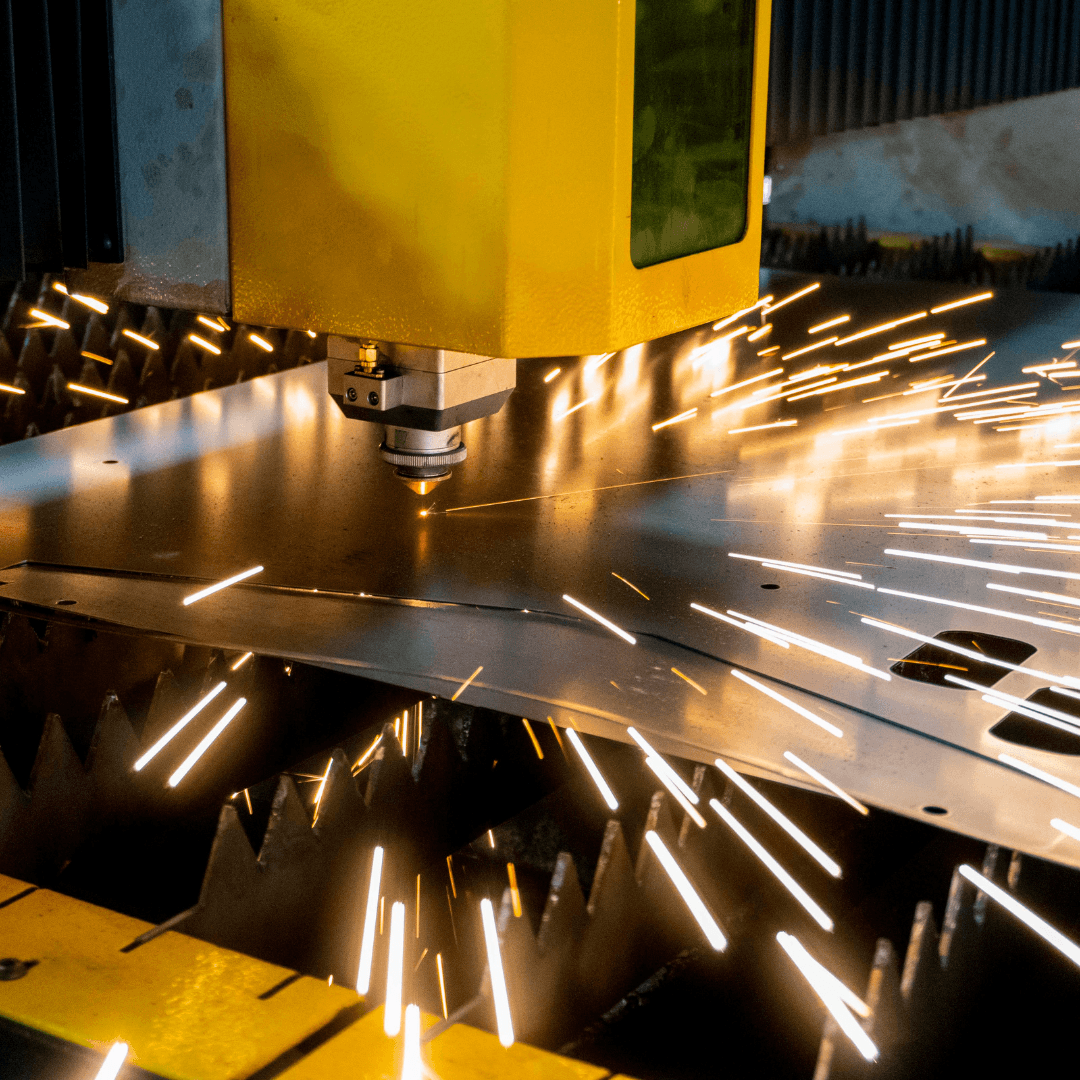
The many ways artificial intelligence (AI) may help circular manufacturing, the technologies at play, and practical examples of its efficacy will all be covered in this guide.
Understanding Circular Manufacturing
A sustainable production method that emphasizes waste reduction and resource efficiency is called circular manufacturing. It is founded on fundamental ideas like encouraging reuse and refurbishing to prolong product lifecycles, guaranteeing resource efficiency by lowering energy and material consumption, and designing for lifetime by producing robust and repairable items. By turning trash into useful resources and putting closed-loop supply chains in place to guarantee that materials re-enter the manufacturing cycle, it also places a strong emphasis on recycling and waste reduction.
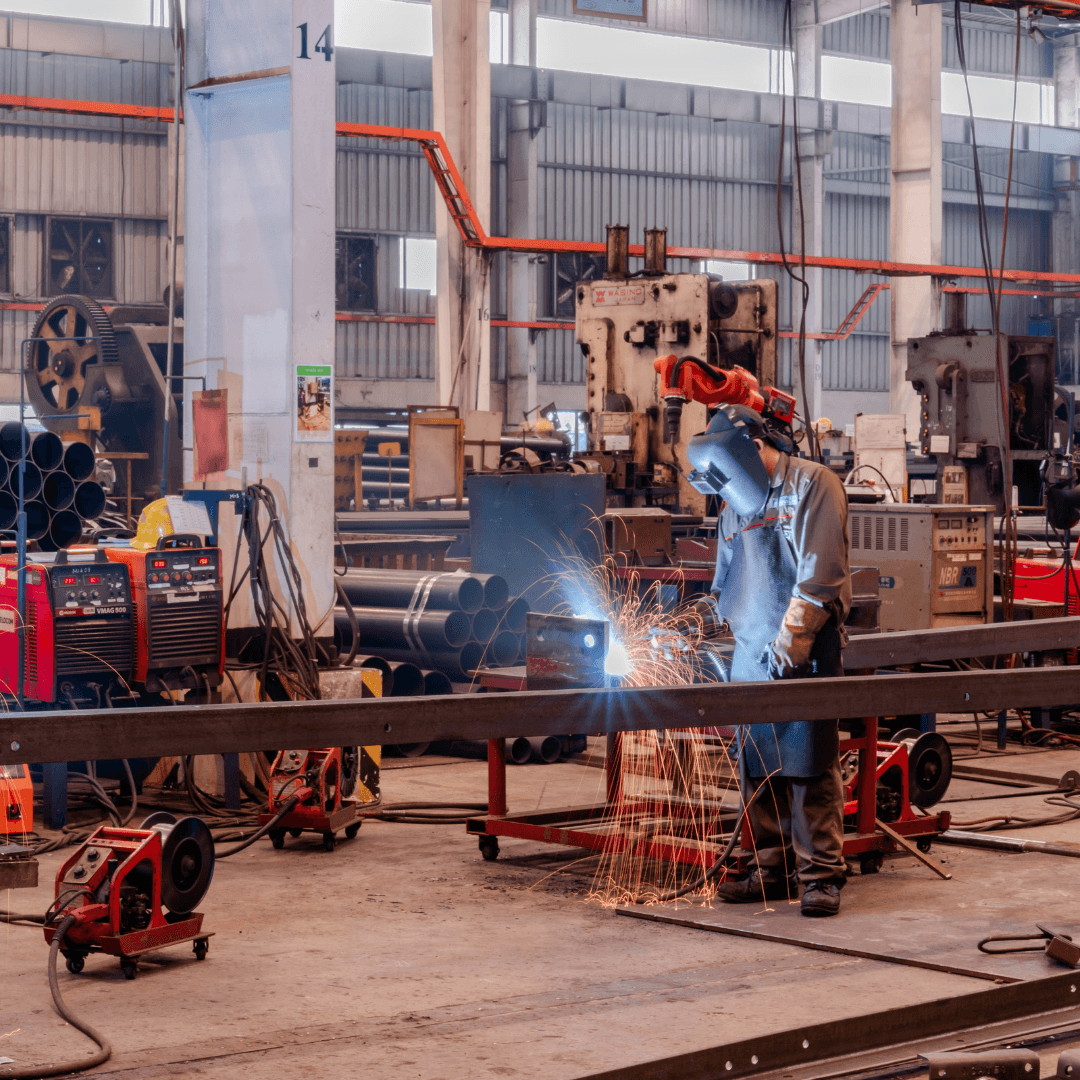
Artificial Intelligence in Circular Manufacturing
By automating procedures, evaluating enormous volumes of data, and improving decision-making, artificial intelligence (AI) technologies are revolutionizing circular manufacturing. The main ways AI contributes are as follows:
1. Asset longevity and predictive maintenance
Manufacturers can reduce downtime and prolong asset lifecycles by using AI-powered predictive maintenance to track equipment performance in real time. To enable prompt repairs prior to breakdowns, machine learning algorithms evaluate sensor data to identify early indicators of wear and tear.
2. Optimization of Materials Driven by AI
Artificial intelligence algorithms maximize material use by reducing waste and guaranteeing effective distribution. By analyzing manufacturing data, machine learning algorithms suggest material replacements that preserve quality while lessening their negative effects on the environment.
3. Improved Waste and Recycling Management
AI-powered sorting systems effectively identify and separate recyclable items by using computer vision and machine learning. High-quality raw materials for reuse are guaranteed by these methods, which also increase recycling rates.
4. Supply Chains with Closed Loops
AI makes closed-loop supply chains easier by monitoring resources, streamlining logistics, and guaranteeing that parts are recycled or reused effectively. Supply chain platforms driven by AI offer insight into resource movements and suggest environmentally friendly purchasing practices.
5. Digital Twins and Product Lifecycle Management (PLM)
AI-driven digital twins produce virtual versions of items, allowing manufacturers to replicate performance, detect inefficiencies, and prolong product lifecycles. These simulations help firms to create items that are easier to repair, refurbish, or recycle.
6. AI-Powered Guidance for Eco-Friendly Production
AI-powered analytics offer up-to-date information on resource efficiency, carbon footprint, and energy usage. In circular manufacturing processes, AI can pinpoint bottlenecks and suggest sustainable approaches.
7. Intelligent Robots in Circular Production
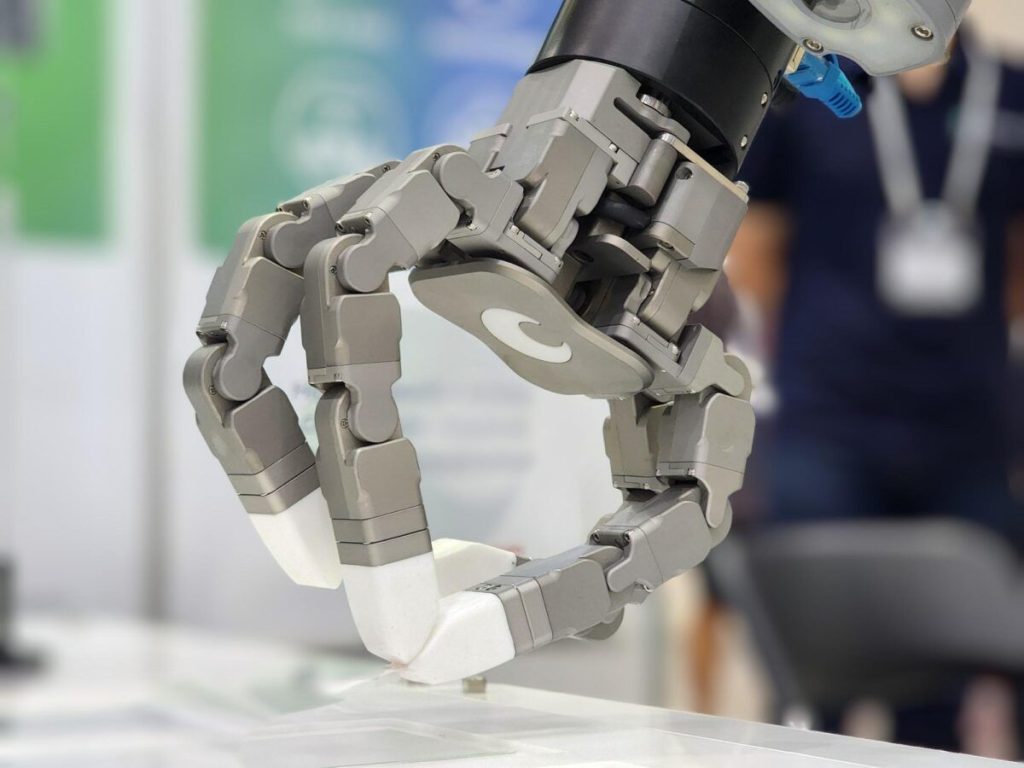
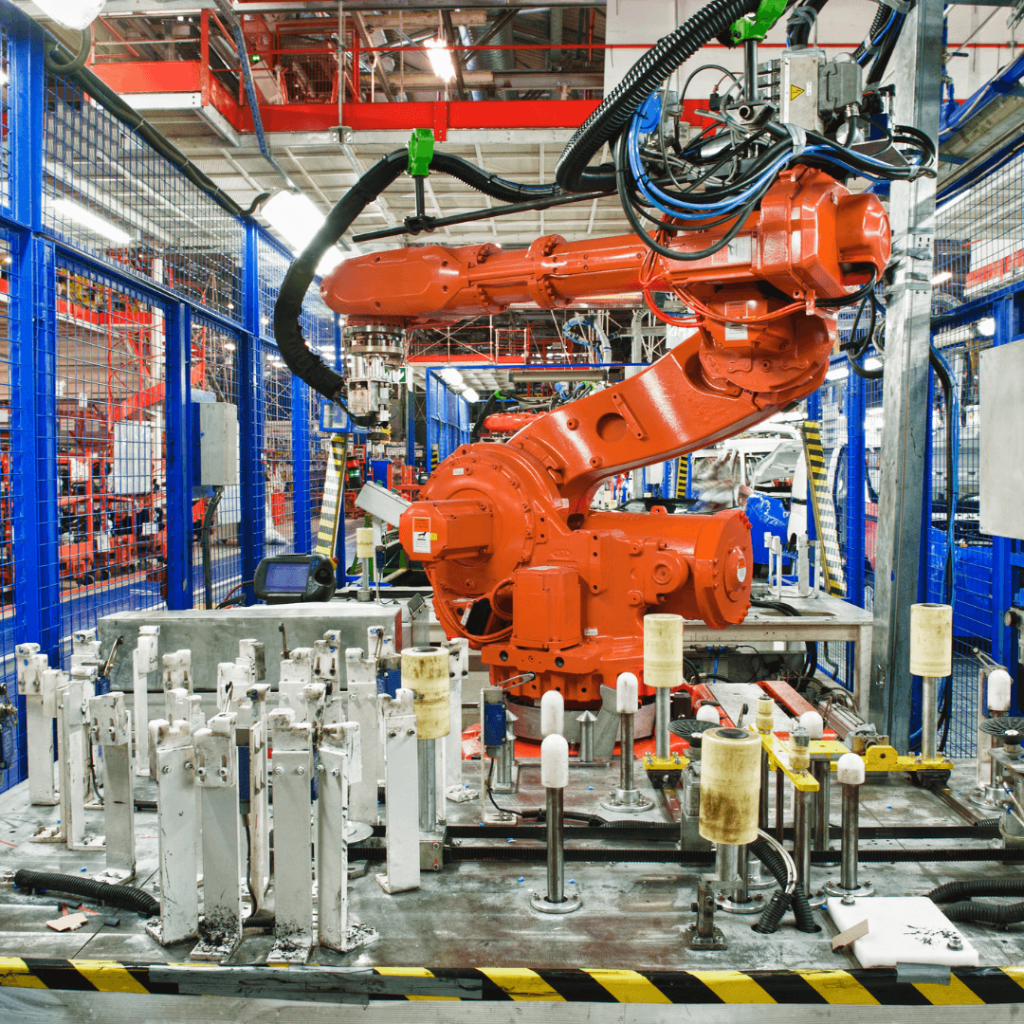
By managing intricate processes like component extraction, remanufacturing, and disassembly, robotic automation driven by AI improves circular manufacturing. Reducing landfill waste, AI-guided robots can effectively recover valuable elements from discarded items.
Real-World Applications of AI in Circular Manufacturing
1. TOMRA’s AI-Powered Waste Sorting
Leading garbage sorting company TOMRA uses AI and machine learning to increase recycling effectiveness. Their AI-powered sorting devices improve recycling rates and lower contamination by precisely identifying and separating recyclables using sophisticated sensors and deep learning.
2. Siemens Factories Using Digital Twins
Siemens uses digital twins driven by AI to maximize circular production. By predicting product performance, these virtual models aid in material selection and production waste reduction.
3. Predictive Maintenance for the Automobile Sector
To increase the longevity of industrial equipment, companies such as General Motors and BMW employ predictive maintenance driven by artificial intelligence. As a result, less waste and resource consumption are required for regular replacements.
4. AI for H&M’s Closed-Loop Fashion
AI is being incorporated into the supply chain by fashion retailer H&M to minimize overproduction and effectively manage inventories. Additionally, AI helps separate worn clothing for recycling and reuse, supporting the fashion industry’s adoption of circular economy
Using Artificial Intelligence in Circular Manufacturing
AI integration into circular production is increasingly crucial for efficiency and resource optimization as firms move toward sustainable practices. This is a detailed method for integrating AI into circular manufacturing.
Step 1: Determine the Needs for Circular Manufacturing
Determine the main ways in which AI may improve cyclical processes. Pay attention to things like sustainable material procurement, predictive maintenance, and waste minimization. Determining the best AI applications requires an understanding of certain difficulties.
Step 2: Select Appropriate AI Technologies
For your industrial needs, choosing the right AI tools is essential to increasing production and efficiency. Predictive analytics relies heavily on machine learning techniques to maximize resource use and foresee equipment faults. The efficiency of material recovery is greatly increased by computer vision technology, which improves automated trash sorting. Additionally, by facilitating real-time tracking and process improvement, digital twins offer full lifecycle management.
Step 3: Combine AI with Current Frameworks
Assure the smooth integration of AI technologies into the existing production framework. Use cloud-based AI systems and Internet of Things devices to analyze data in real time, improving decision-making and automating processes.
Step 4: Educate Employees and Enhance AI Models
For AI adoption to be effective, a staff that is properly trained is essential. Offer training courses to help staff members become more proficient with AI-powered technologies and promote data-driven decision-making. AI models should be continuously improved based on performance insights and operational input.
Step 5: Track, Assess, and Expand the Use of AI
Evaluate AI performance on a regular basis using important indicators. Find effective uses and expand them to additional circular manufacturing domains. AI-driven advancements are guaranteed to be in line with sustainability objectives through ongoing assessment.
Manufacturers may improve operational efficiency, lessen their impact on the environment, and spur innovation in circular manufacturing by strategically incorporating AI.
Challenges of AI in Circular Manufacturing
Businesses must overcome a number of obstacles when integrating AI into circular manufacturing in order to fully realize its potential.
1. High Initial Investment
AI adoption in circular manufacturing necessitates a large financial outlay. Businesses must invest in infrastructure, qualified workers, and cutting-edge AI technology, which may be costly, particularly for small and medium-sized businesses.
2. Availability and Quality of Data
For AI models to work well, precise, high-quality data is necessary. However, because of disparate data sources, discrepancies, and a lack of real-time updates, manufacturing can make it difficult to gather and maintain complete information. AI-driven insights might be inaccurate without the right data.
3. Workplace Adjustment
A trained workforce is required for the deployment of AI-driven technologies. For workers to collaborate with AI, comprehend its results, and make data-driven choices, they require upskilling and training. Adoption of AI may be slowed by resistance to change and the requirement for ongoing learning.
4. Complexity of Integration
Existing industrial processes, which are frequently based on legacy technologies, must be easily integrated with AI solutions. AI developers and manufacturing teams must work together strategically to ensure compatibility, streamline processes, and overcome technological obstacles.
Future Trends in AI and Manufacturing
Artificial intelligence has the potential to completely transform the industrial sector in several important ways as it develops further. The upcoming generation of industrial automation and sustainability is being shaped by the following developments.
1. Decentralized Manufacturing Driven by AI
Decentralized manufacturing is being made possible by the combination of AI and 3D printing. Localized production is made possible by this strategy, which also lowers waste and transportation expenses. Manufacturers will be able to produce intricate, personalized goods on demand while preserving high sustainability and efficiency thanks to AI-driven design optimization.
2. Cutting Edge AI-Powered Material Development
New material development and discovery are greatly aided by artificial intelligence. Through the analysis of large datasets, AI can find environmentally friendly substitutes that improve performance, durability, and recyclability. Industrial ecology will become more sustainable and environmental footprints will be lessened thanks to these AI-discovered materials.
3. In circular supply chains, autonomous AI
Self-optimizing AI-powered systems are boosting material recovery, resource allocation, and logistics in circular supply chains. Production cycles can become more sustainable and efficient because of these intelligent systems’ ability to forecast demand, plan routes, and simplify waste management.
4. Increased Use of Digital Twins Driven by AI
It is anticipated that the adoption of digital twins—virtual copies of actual goods and procedures—will increase. Before physical manufacturing, manufacturers may evaluate efficiency, forecast maintenance requirements, and simulate and refine product designs with AI-driven digital twins. By lowering material waste and increasing product lifespan, this technology helps create a more sustainable production environment.
These developments will spur efficiency, sustainability, and creativity in the industrial sector as AI develops further, forming a more intelligent and environmentally friendly future.
In conclusion
By improving recycling procedures, prolonging product lifecycles, and increasing resource efficiency, artificial intelligence is transforming circular manufacturing. Manufacturers may save expenses, cut waste, and help create a more sustainable future by using AI-driven solutions. AI will play an increasingly important role in circular manufacturing as it develops further, assisting sectors in shifting to a more environmentally friendly and regenerative production model.