

The Development of Manufacturing Automation
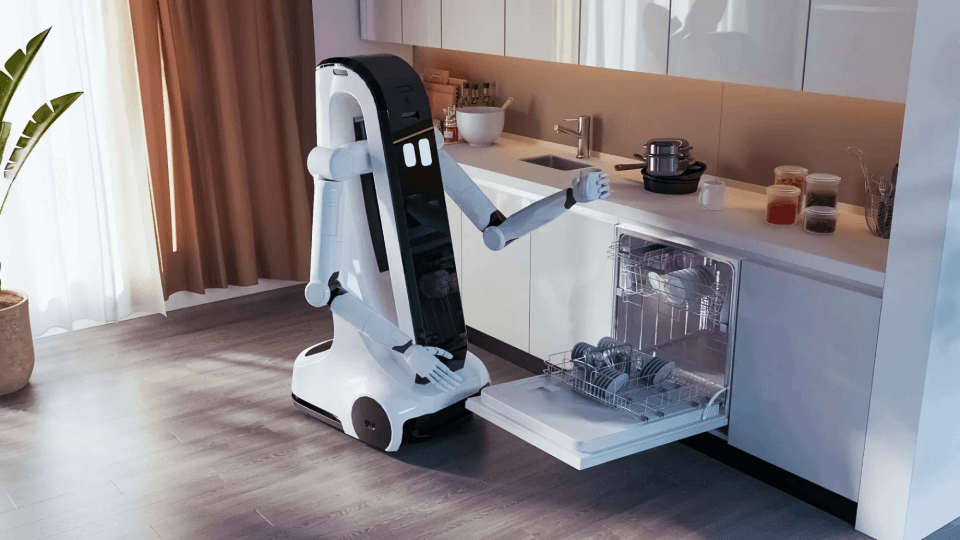
The idea of automation in production is not new. To increase productivity, industries have gradually embraced automation since the Industrial Revolution. An increasing dependence on AI and robotics is demonstrated by the introduction of robotic arms in the automotive industry, AI-driven quality control systems, and automated warehouses like Amazon’s fulfillment centers. But in the majority of businesses, human control has remained crucial despite these developments.
Key Components of a Fully Automated Factory
To assess if a factory can function without human intervention, we need to comprehend the essential elements that would make this possible:
1. Robots used in industry
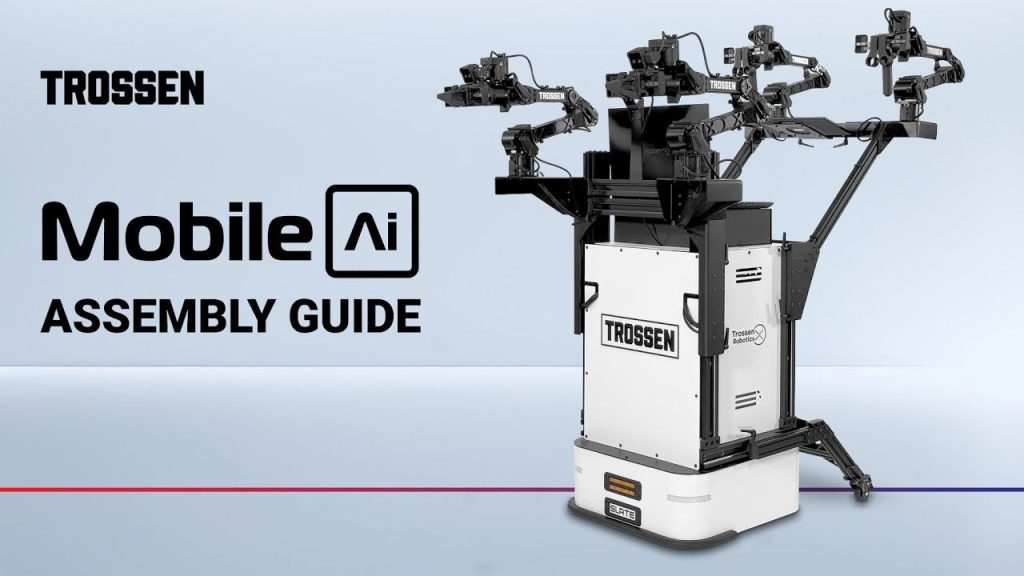
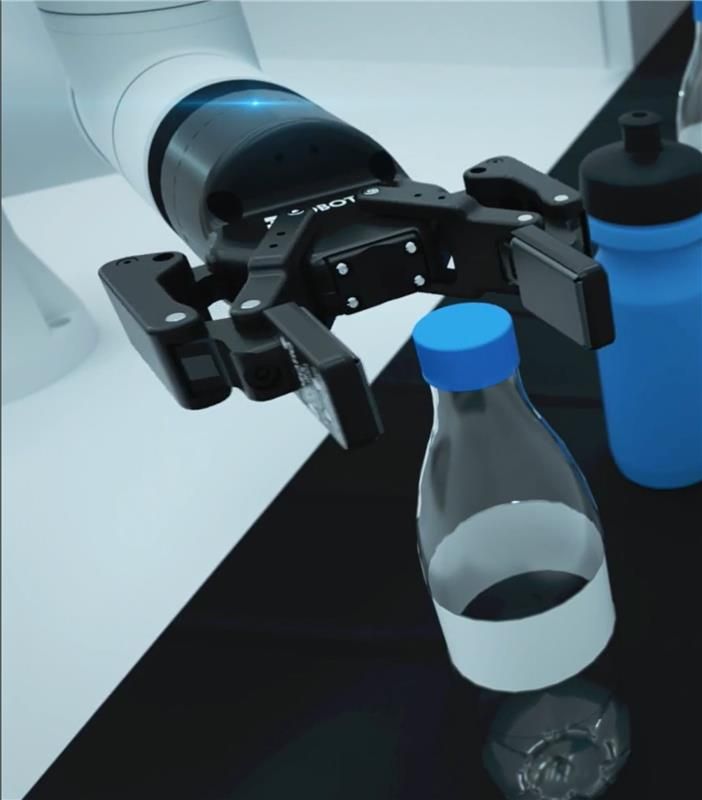
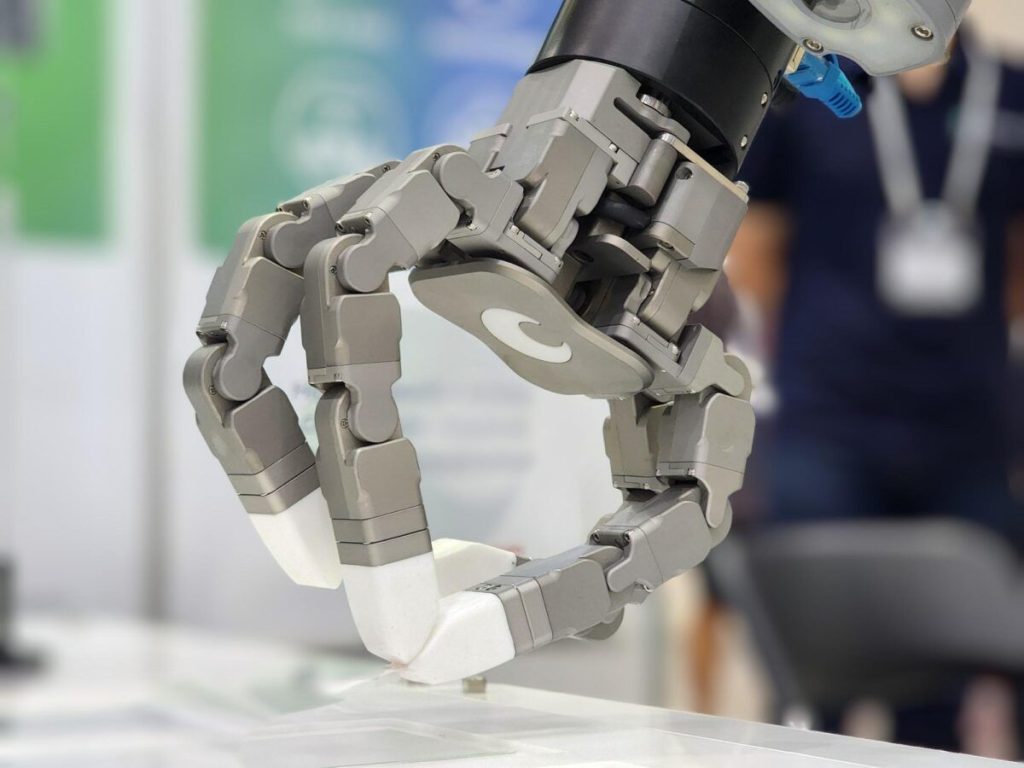
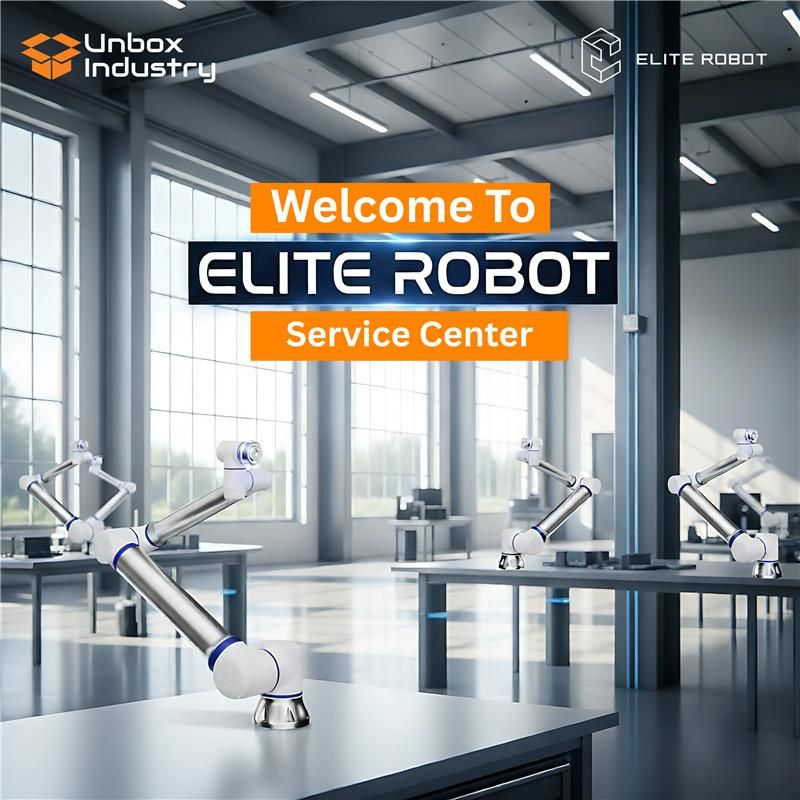
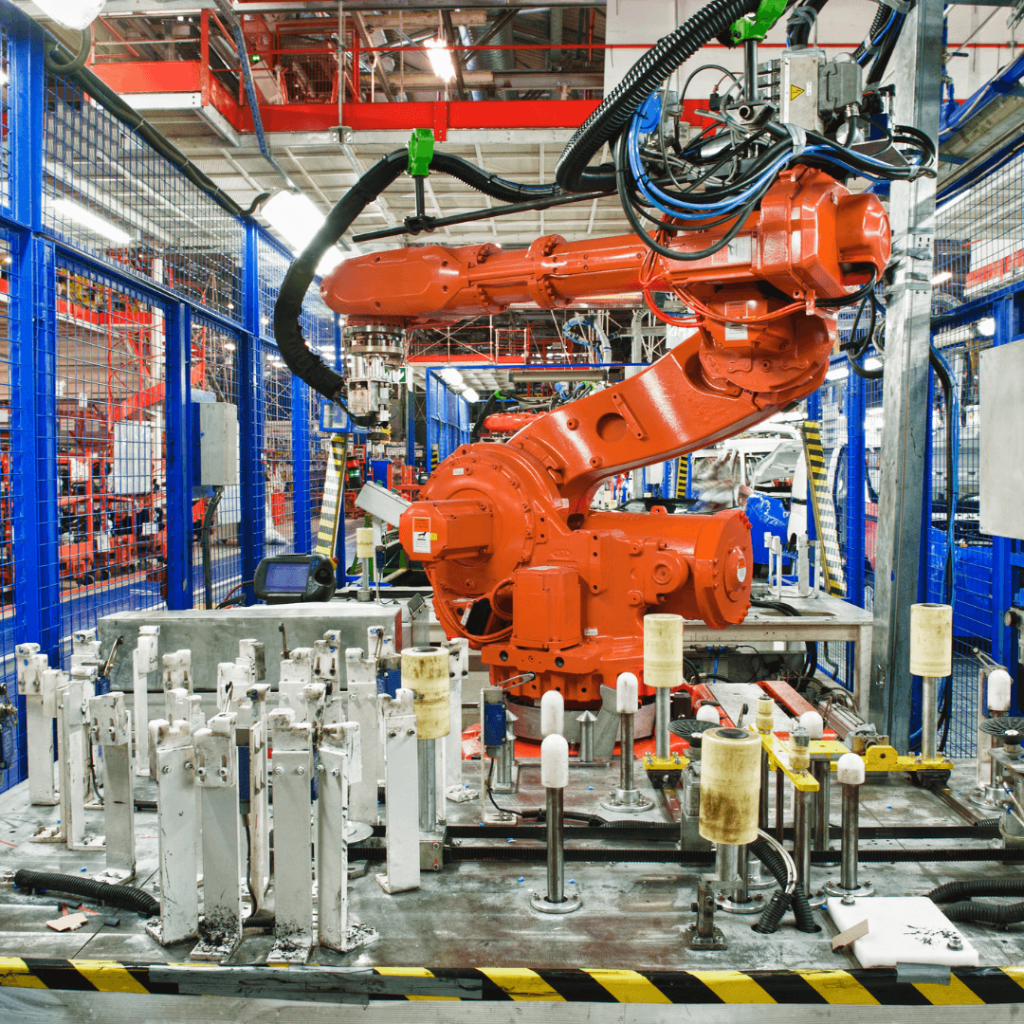
Robotic arms, mobile robots , and collaborative robots cobots are examples of modern industrial robots that perform manufacturing , assembling, welding, painting, and packing tasks with extreme accuracy. Businesses like KUKA, ABB, and FANUC create robots that require less supervision to function.
2. Control Systems Driven by AI
AI-powered control systems are able to keep an eye on manufacturing operations, streamline processes, anticipate maintenance requirements, and make modifications in real time. Large volumes of data are analyzed by machine learning algorithms to increase productivity and reduce downtime.
3. IoT and Intelligent Sensors
Smart sensors and the Internet of Things (IoT) offer real-time information on production metrics, ambient conditions, and the operation of machines. These technologies lessen the need for human intervention by identifying problems before they become more serious.
4. Self-sufficient Upkeep and Repair Mechanisms
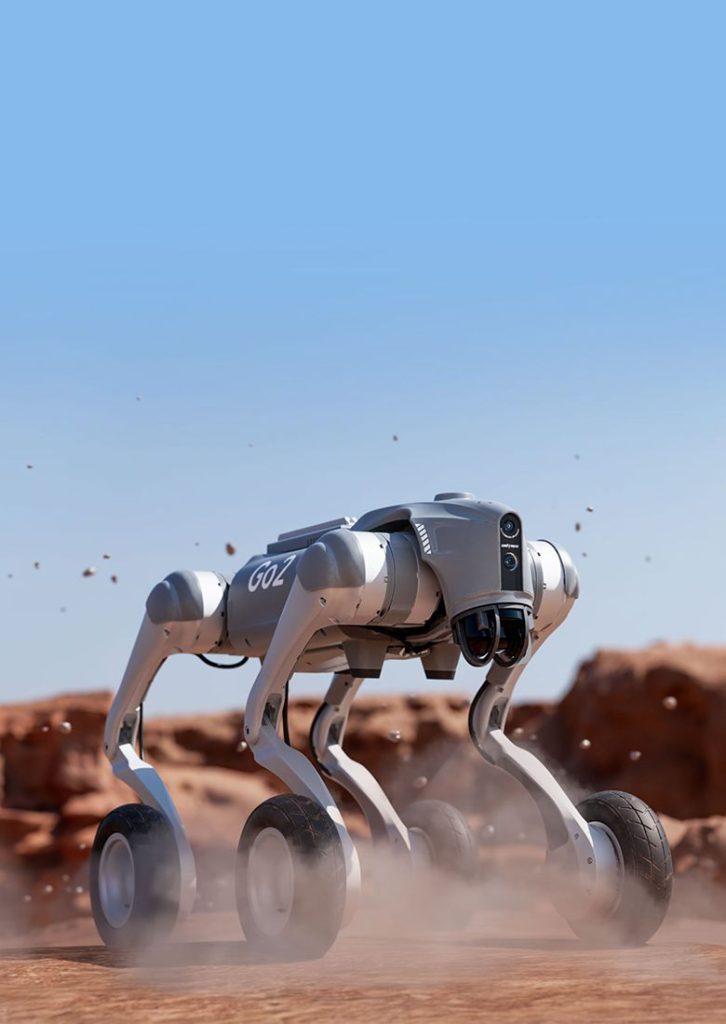
Maintenance activities must be performed by robots in order for a factory to function without human intervention. Diagnostic tools driven by AI can anticipate mechanical faults, and autonomous robots, like Boston Dynamics’ Spot, can carry out simple repairs and routine inspections.
5. Warehousing and Logistics Automation
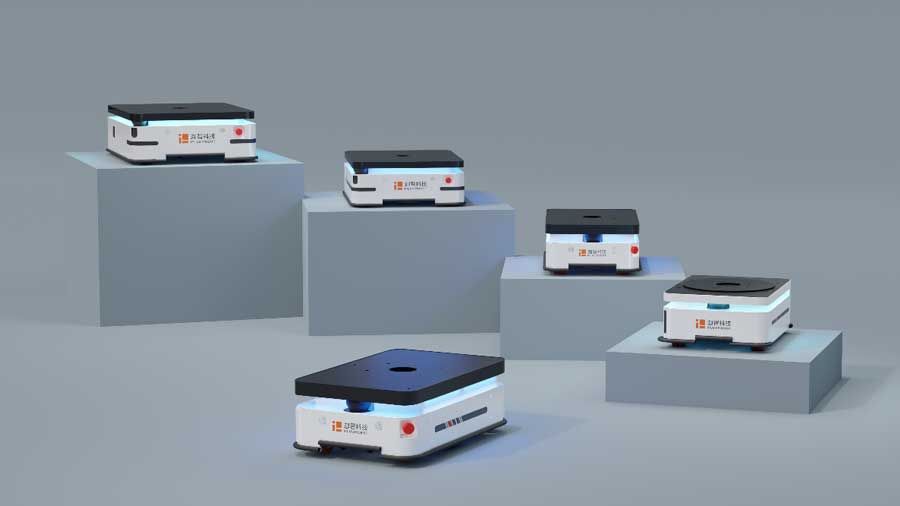
Within a factory, items and materials are moved by autonomous mobile robots (AMRs) and automated guided vehicles (AGVs). Robotic logistics is used by businesses like Amazon, DHL, and Tesla to optimize operations.
6. Decision-Making Based on AI
Manufacturing decision-making includes supply chain management, production schedule optimization, and handling unforeseen problems. These activities can be performed by AI-driven software that is connected with enterprise resource planning (ERP) systems.

The Difficulties of Managing a Factory Without Humans
Even while robots and AI have advanced significantly, a number of obstacles still stand in the way of factories operating completely without human intervention.
1. Adaptability and Complex Problem-Solving
AI systems perform poorly in unforeseen situations but well in regular and predetermined jobs. Human involvement is frequently necessary in factories that encounter unanticipated occurrences like supply chain interruptions, cybersecurity risks, or machine malfunctions.
2. Upkeep and Fixes
Predictive maintenance decreases downtime, although physical repairs are still necessary for unforeseen faults. Despite their existence, maintenance robots are still unable to handle intricate mechanical failures that call for dexterity and problem-solving abilities.
3. Inspection and Quality Control
While AI-powered vision systems can identify flaws, human judgment is frequently required for more complex quality evaluation. Human inspection is still a vital component of quality assurance in sectors including luxury products, medicines, and aircraft.
4. Risks to Cybersecurity
Due to its significant reliance on networked systems, a fully automated factory is susceptible to cyberattacks. Hackers can steal confidential information, interfere with manufacturing, or alter AI algorithms. To reduce these risks, human monitoring and robust cybersecurity measures are required.
5. Concerns about Ethics and Regulation
Different businesses and nations have different regulatory systems. For safety and compliance concerns, many countries mandate human monitoring. Ethical issues of widespread job displacement also need to be addressed.

Case Studies: Factories Getting Closer to Complete Automation
1. Lights-Out Manufacturing at FANUC
Robots at the lights-out factory run by the Japanese robotics company FANUC create additional robots with little assistance from humans. The factory demonstrates the possibility of complete automation by operating for weeks without any human intervention.
2. The Gigafactories of Tesla
Automation plays a major role in Tesla’s Gigafactories, where robots manage logistics, painting, and assembly. Elon Musk acknowledged that over-automation resulted in production bottlenecks, highlighting the necessity of human labor in specific positions.
3. The Automation Strategy of Foxconn
Production lines at Foxconn, a significant electronics maker, are now automated. Complete automation is still difficult because of the intricacy of manufacturing electrical components, even though some factories run with little human involvement.
AI and Robotics’ Future Prospects in Manufacturing
A factory that is entirely human-free is still a way off, even if AI and robotics are revolutionizing the industrial industry. Human-AI cooperation is probably in the future, with humans concentrating on creativity, problem-solving, and strategic decision-making while AI manages repetitive and data-driven activities.
1. Human Workers Assisted by AI
AI and robotics can increase human productivity rather than replace it. Exoskeletons, wearable artificial intelligence (AI) technologies, and augmented reality (AR) tools let employees do complicated jobs more quickly.
2. Adaptable Automation
Flexible automation will be essential in future factories, as AI-powered systems can swiftly adjust to changing production needs, supply chain interruptions, and unanticipated difficulties. In contrast to classical automation, which adheres to strict programming, flexible automation uses real-time data and machine learning to make informed decisions.
3. Workforce Reskilling and Ethical AI
The human workforce must change to fill more technical and strategic positions as technology and artificial intelligence replace monotonous activities. Because of this change, reskilling the workforce is essential to the AI-driven future. Governments and businesses need to fund initiatives that assist workers in advancing into positions like data analysis, AI training, and robot maintenance.
4. Green manufacturing powered by AI and sustainability
Through better resource management, waste reduction, and energy optimization, AI and robots are propelling sustainable production. Production lines’ power usage is reduced using energy-efficient AI models, increasing operational efficiency and environmental friendliness. Minimal material waste is ensured via better sorting and processing made possible by AI-powered waste reduction and recycling technologies.
5. How AI Affects Mass Customization
By moving from mass production to mass customization, AI is transforming manufacturing and enabling highly customized goods. Manufacturers may speed up development cycles by optimizing designs prior to production using predictive modeling in AI-driven design and prototyping. AI-powered automated quality control solutions minimize waste and boost productivity by ensuring product uniformity and instantly identifying flaws.

In conclusion
Even though robots and artificial intelligence have made great strides in automating manufacturing processes, it is still difficult to manage a factory completely without human intervention. We are getting closer to complete automation thanks to autonomous maintenance programs, AI-powered control systems, and industrial robots. However, human control is still required due to variables like cybersecurity, maintenance, flexibility, and legal constraints. AI, robots, and human knowledge can work together to create more inventive, safe, and efficient production environments in the future of manufacturing rather than totally replacing human labor.