



In this article, we’ll examine the reasons why industries and startups find it difficult to adopt automation systems and provide doable alternatives. Whether you are a member of an innovation team, a decision-maker in an industrial company, or an early-stage startup, knowing these issues and how to resolve them can help you promote automation integration success.
Understanding the Automation Imperative
It’s important to comprehend why automation is critical for both companies and industries before delving into its difficulties. Automation can improve performance, cut down on inefficiencies, and help businesses remain competitive in a market that is changing quickly. It is not only about replacing human labor.
Why Automation Matters:
Improved Efficiency:
Businesses may increase efficiency without sacrificing quality by automating time-consuming and repetitive manual processes.
Cost Savings:
Automation dramatically lowers labor and operating costs over time, improving return on investment over time, even if the original expenditure may be costly.
Data-Driven Insights:
Businesses may make quicker, more intelligent choices and constantly enhance operations by using modern automation systems that can gather and analyze real-time data.
Competitive advantage:
Early automation adopters benefit from improved accuracy, faster delivery times, consistent product quality, and eventually increased customer satisfaction.
Top Challenges Faced in Implementing Automation
1. High Initial Investment
Problem
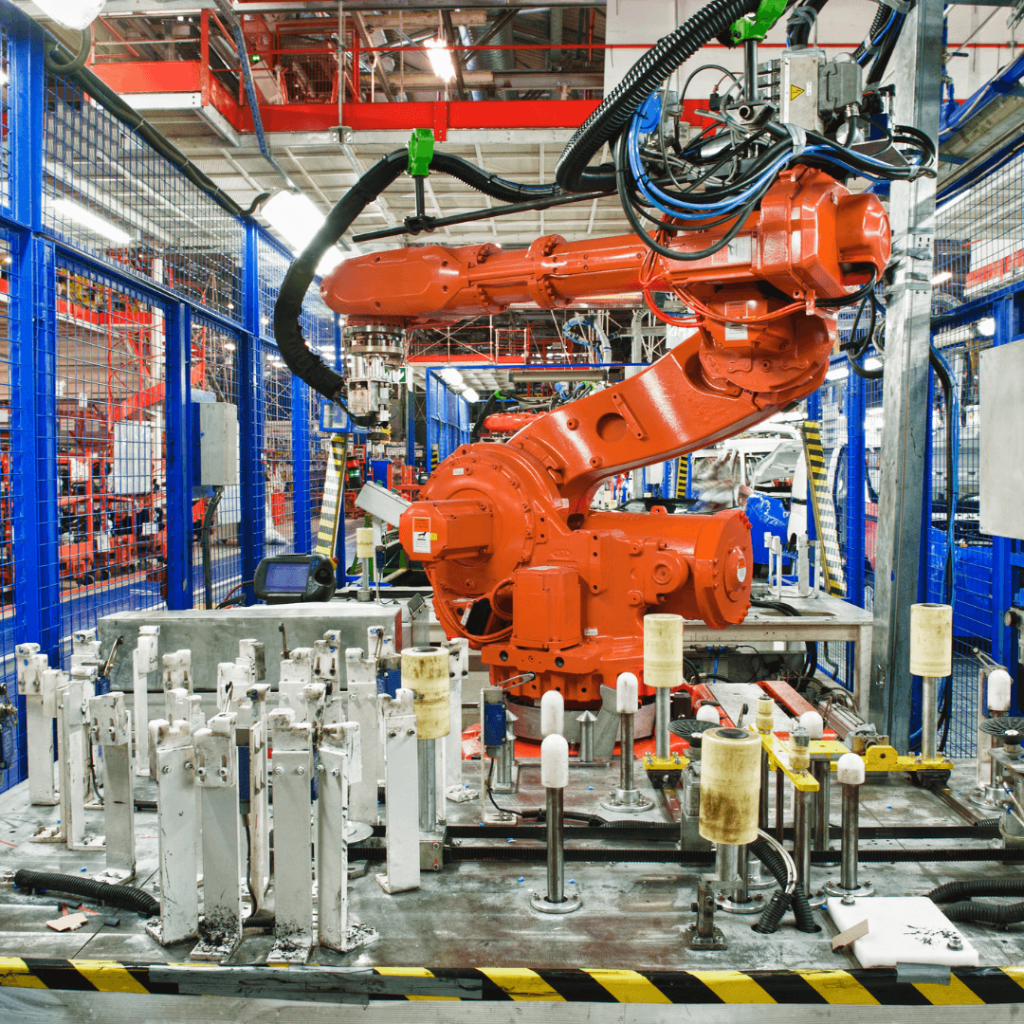
Robotic arms, sensors , vision systems, control units, and other automation hardware and software need hefty upfront costs. Small manufacturers and startups sometimes have limited resources and would rather focus on short-term survival than long-term effectiveness.
For example,
A startup in the food packaging industry would require robotic pick-and-place arms to boost productivity, but the cost might be more than their yearly equipment budget.
Solution:
– Begin modestly: Automate tasks that are high-reward but low-risk, like labeling or packaging.
– Leverage financing and leasing: A lot of automation suppliers give financing options or lease-to-own schemes.
– Apply for funds: To support Industry 4.0 and smart manufacturing efforts, some areas provide industrial grants and government programs.
2. Lack of Technical Expertise
Problem
PLC programming, AI integration, sensor calibration, and mechanical alignment are all part of automation systems. Most startups and small businesses lack the internal knowledge and resources necessary to handle this complexity.
Solution
– Contract with third-party automation experts or system integrators to outsource.
– Encourage current staff members to enroll in online courses in industrial IoT, control systems, and robotics to upskill the workforce.
– Join forces with academic institutions: Provide talent and R&D help by working with universities or technical colleges.
3. Fear of Workforce Displacement
Problem
Workers worry that their employment may be replaced by automation. This can lower morale at work, hinder adoption, and cause internal opposition.
Solution
– Open and honest communication: Describe how automation is meant to support, not to replace. Stress that it will eliminate tedious, dangerous, or repetitive duties.
– Programs for reskilling: Provide instruction to staff members, so they may assume programming, maintenance, or managerial responsibilities.
– Make champions: Find team members who are enthusiastic about technology and turn them become internal proponents of automation.
4. Unclear ROI and Metrics
Problem
Because of their unstructured operations and lack of baseline data, startups frequently find it difficult to determine a clear return on investment from automation.
Solution
– Describe the success metrics: Monitor important metrics such as energy usage, failure rate, and throughput.
– Utilize digital twins: Before implementing, use software to simulate processes and analyze the impact.
– Monitor gains after implementation: To see improvements in real time, use dashboards and reporting systems.
5. Vendor Mismatch and Lack of After-Sales Support
Problem
Choosing an incorrect automation partner is a common error made by businesses. Downtime may result from inadequate service, postponed support, or a shortage of spare components.
Solution:
– Due diligence: Assess suppliers according to their scalability, support infrastructure, client testimonials, and experience.
– Service agreements: Choose annual maintenance agreements (AMC) with response time assurances at all times.
– Local support: Pick local approved service centers or vendors who have a physical location.
6. Limitations of Infrastructure and Space
Problem
Installing big robotic systems or conveyor-based automation may be limited by the physical space available in small workshops or startup laboratories.
Solution
– Compact, collaborative robots (Cobots): are made to work side by side with people in tight areas.
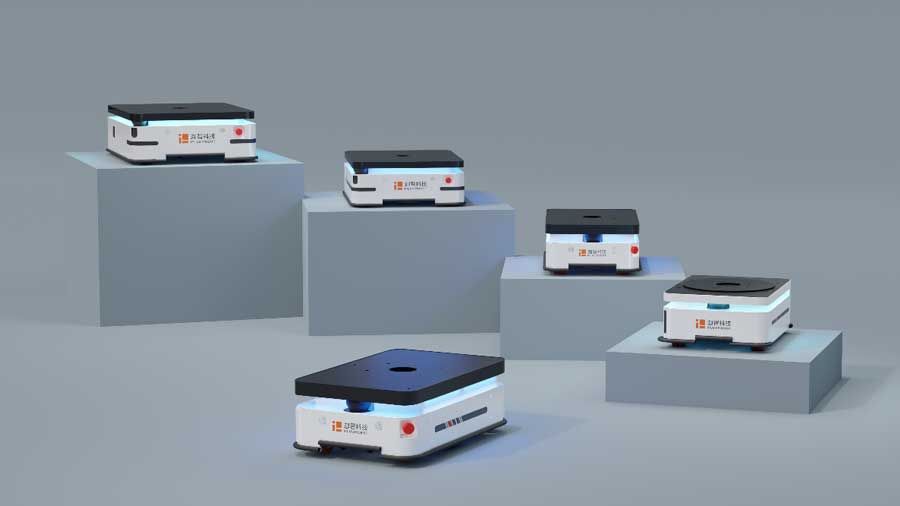
– Mobile automation: To maneuver around preexisting layouts, use AMRs (Autonomous Mobile Robots) or AGVs (Automated Guided Vehicles).
– Redesign workstations: Occasionally, making little adjustments to the arrangement of workstations might free up sufficient space for automation.
7. Insufficient Strategic Planning
Problem
Rather of using automation proactively, many companies reactively, when production declines or competition does.
Solution
– Automation roadmap: Create a one- to three-year plan that includes stages such as optimization, scalability, pilot testing, and discovery.
– Cross-functional teams: To match automation with business objectives, including IT, finance, and manufacturing, from the start.
– Iterative approach: To test, learn, and scale, use agile approaches.
A Workable Plan for New Businesses and Sectors
Automation doesn’t have to be difficult to implement. Even small firms may start their automation journey with clarity and confidence if they follow a defined, step-by-step process. Here is a useful road map to help you:

Step-by-Step Guide to Implement Automation:
Step 1: Evaluate and Set Priorities
– Determine which manual tasks or bottlenecks are creating delays or poor quality.
– Sort topics according to their importance, intricacy, and possible return on investment
Step 2: Look for Appropriate Solutions
– Examine pertinent technologies such as software-based aut/omation, cobots , robotic arms, and vision systems.
– To assess your possibilities, go to industry expos, participate in webinars, or make contacts with suppliers.
Step 3: Begin with a Pilot That Can Grow
– Start with a simple yet important procedure like packing, labeling, or inspection.
– Establish precise KPIs to monitor progress, such as cycle time, defect rate, and productivity.
Step 4: Select an Appropriate Automation Partner
– Join forces with integrators or vendors who have worked in your sector before.
– Request case studies, demos, and assurances of post-purchase assistance.
Step 5: Educate and Engage Your Group
– Involve your employees in the automation process.
– Assign team members to supervise and manage automated systems and give them practical training.
Step 6: Track, Examine, and Improve
– To evaluate outcomes, use performance indicators and real-time data.
– Make ongoing adjustments to procedures, machine configurations, and design in light of new information.
Automation’s Future for Startups and SMEs
The automation environment is changing quickly, and big businesses are no longer the only ones using it. Startups and small-to-medium businesses (SMEs) now have the chance to incorporate intelligent automation into their operations because of new technology and encouraging government programs.
Key Trends Shaping the Future:
– AI-Powered Automation:AI gives machines the ability to decide for themselves, adjust to new inputs, and improve performance instantly.
– Low-Code/No-Code Robotics: These platforms make robotics more accessible by enabling companies to use automation without requiring extensive technical expertise.
– Government Support: To promote the use of automation, initiatives such as India’s Smart Manufacturing Mission, make in India, and Industry 4.0 awards are offering infrastructure and financial assistance.
In conclusion
Automation solution implementation can be intimidating, particularly for startups and small businesses with limited resources. But the short-term obstacles are greatly outweighed by the long-term benefits. Automation may be a facilitator rather than a barrier if it is implemented strategically, gradually, and with the use of contemporary technologies.
Planning carefully, choosing the proper partners, and enabling your employees to work with robots rather than against them are crucial. Even the tiniest organization can use automation to create a future-ready enterprise with the correct approach and implementation.