


Robotiq: A Catalyst for Faster Production
In the fast-paced realm of manufacturing, efficiency is paramount. Enter Robotiq, a pioneering force in robotics automation , revolutionizing production lines across industries worldwide. With a mission to accelerate productivity, Robotiq’s innovative solutions are reshaping the landscape of modern manufacturing.
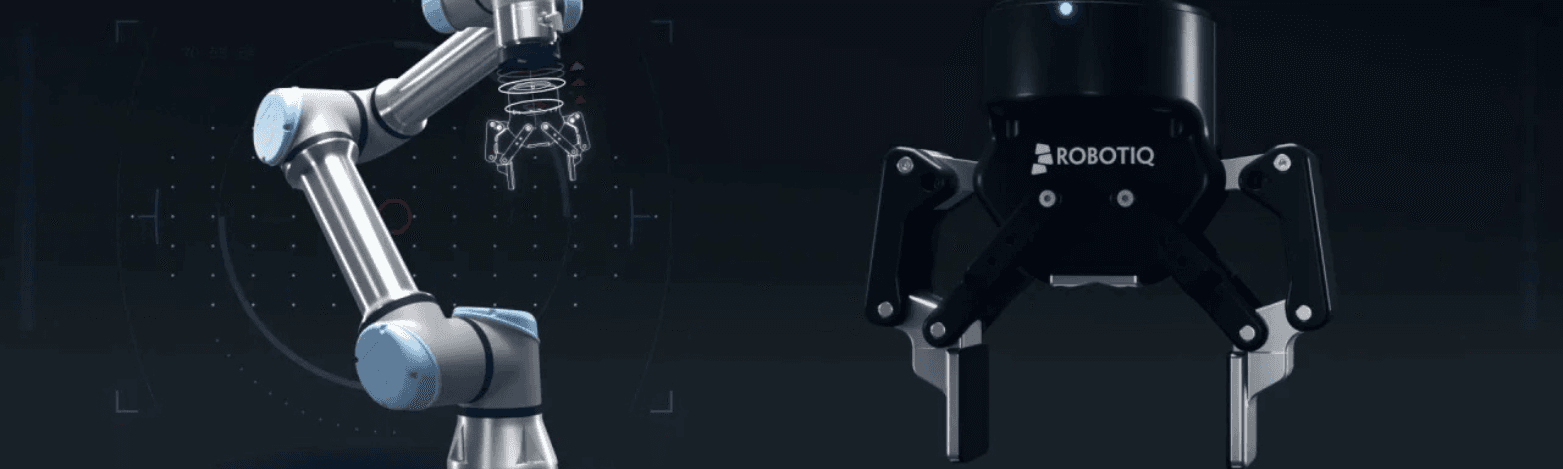
Moreover, Robotiq’s collaborative robots, or cobots , represent a paradigm shift in human-machine interaction. Engineered to work alongside human operators safely, these cobots augment workforce capabilities, enhancing efficiency and safety on the factory floor. With intuitive programming interfaces, deploying cobots has never been simpler, democratizing automation for businesses of all sizes.
Optimizing Efficiency with Robotiq Grippers
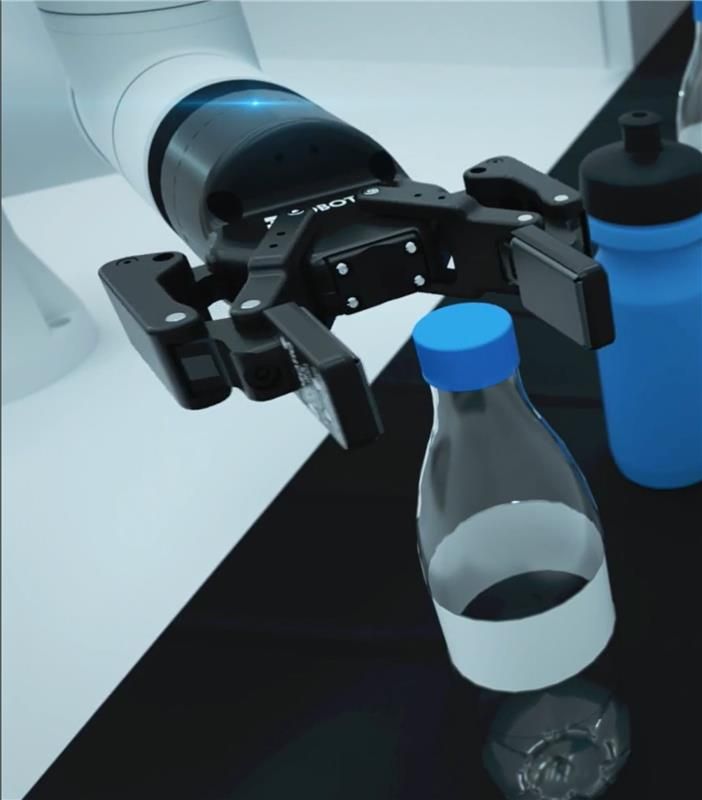
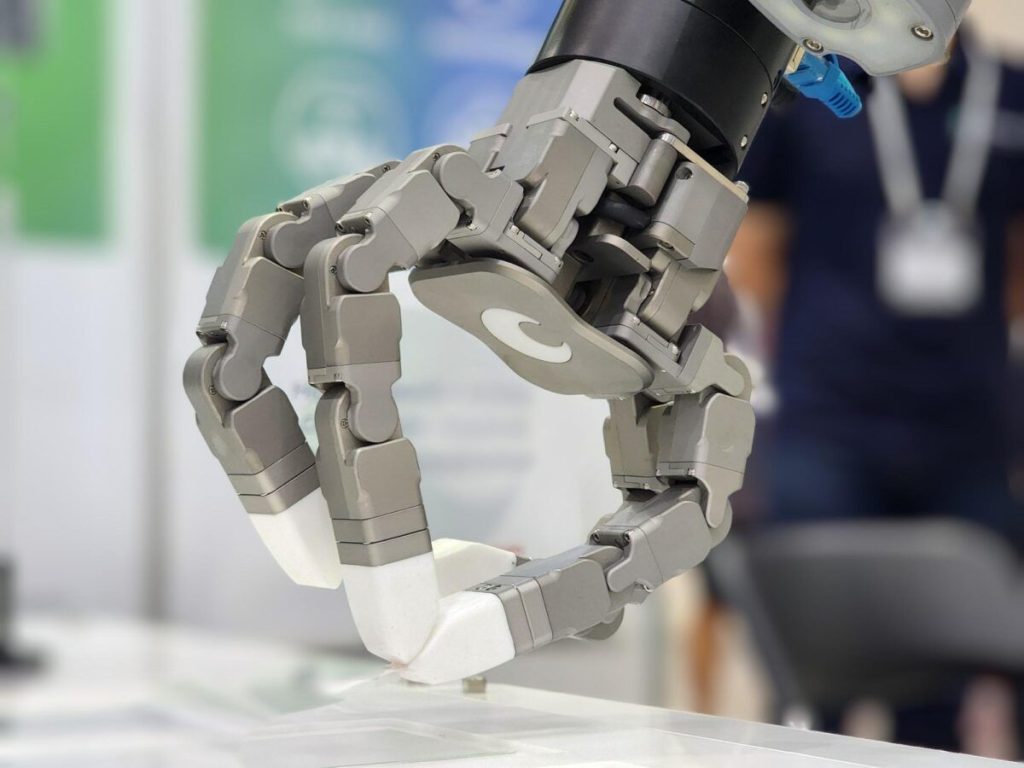
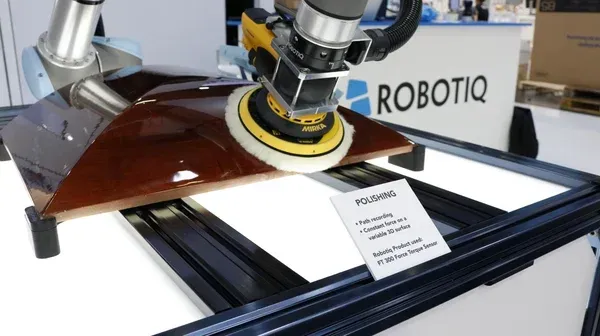
Robotiq Grippers are not just tools; they are precision-engineered solutions designed to revolutionize how objects are handled in the manufacturing process. With their unparalleled adaptability and dexterity, Robotiq Grippers excel in tasks that demand speed, accuracy, and versatility.
But what truly sets Robotiq Grippers apart is their reliability and precision. Built with the latest advancements in robotics technology, they deliver consistent performance, even in the most demanding environments. From delicate electronics to heavy-duty machinery parts, Robotiq Grippers handle objects with finesse and accuracy, reducing the risk of errors and optimizing throughput.
The Role of Robotiq’s Grippers
Robotiq Grippers play a pivotal role in transforming manufacturing processes by significantly reducing setup times, minimizing errors, and ultimately enhancing overall production efficiency.
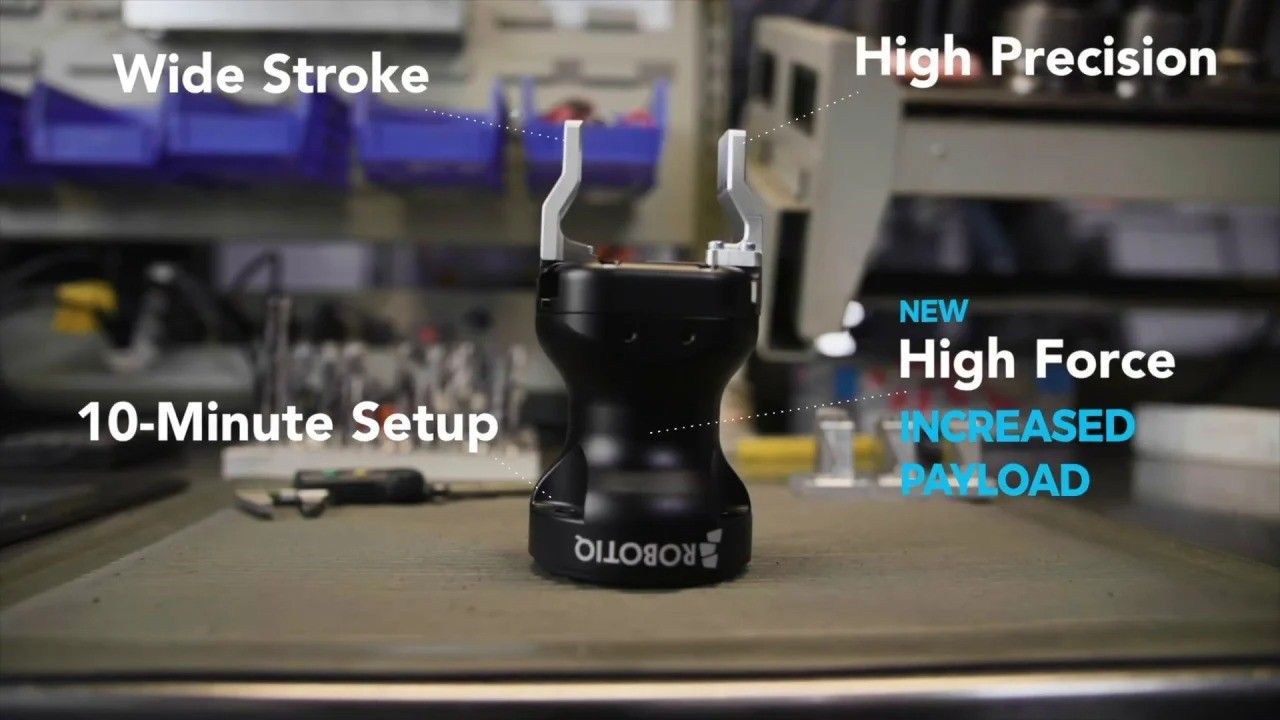
1. Reducing Setup Times: Traditional setups in manufacturing often involve complex and time-consuming adjustments to accommodate different tasks or product variations. However, Robotiq Grippers are engineered for seamless integration and quick deployment. Their modular design and intuitive controls enable rapid installation and programming, slashing setup times to a fraction of what they once were. By streamlining this crucial phase, Robotiq Grippers enable manufacturers to transition between tasks with unprecedented speed and efficiency.
2. Minimizing Errors: Manual handling of objects on the production line introduces a considerable risk of errors, ranging from misplacements to damaged components. Robotiq Grippers mitigate these risks by offering precise and repeatable gripping capabilities.
3. Improving Production Efficiency: Perhaps the most significant contribution of Robotiq Grippers lies in their ability to enhance production efficiency across the board. By automating repetitive tasks and optimizing material handling processes, they enable manufacturers to achieve higher throughput rates while utilizing fewer resources. Whether it’s picking and placing components, assembling products, or sorting materials, Robotiq Grippers excel in a diverse range of applications, driving productivity to new heights. With their reliability, speed, and versatility, Robotiq Grippers become invaluable assets in maximizing the efficiency of modern manufacturing operations.
Robotiq Software Solutions
One of the primary objectives of Robotiq Software Solutions is to bridge the gap between hardware and software, enabling seamless communication and coordination between robotic systems and other manufacturing equipment. Through intuitive interfaces and robust communication protocols, Robotiq software facilitates smooth integration with a wide range of robotic platforms, ensuring compatibility and interoperability across diverse production environments.
1. Robot Programming Tools: Robotiq provides intuitive programming tools that simplify the setup and customization of robotic tasks. These tools typically include graphical user interfaces (GUIs) or software development kits (SDKs) that allow users to program robots without extensive coding knowledge. By offering user-friendly interfaces, Robotiq’s programming tools enable rapid deployment and easy modification of robotic applications, reducing reliance on specialized programming expertise.
2. Simulation Software: Robotiq’s simulation software allows users to model and simulate robotic processes in a virtual environment before deploying them on the factory floor. By simulating various scenarios and configurations, manufacturers can validate their automation strategies, optimize production workflows, and identify potential bottlenecks or issues before they arise. This helps minimize risks and ensures smooth integration and operation of robotic systems in real-world settings.
3. Monitoring Platforms: Robotiq offers monitoring platforms that enable real-time tracking and analysis of robotic performance and production metrics. These platforms typically provide dashboards and analytics tools that allow users to monitor key performance indicators (KPIs), track production throughput, identify inefficiencies, and make data-driven decisions to improve overall productivity. By offering insights into the performance of robotic systems and manufacturing processes, Robotiq’s monitoring platforms empower users to optimize their operations and maximize efficiency.
4. Integration Tools: Robotiq also provides integration tools that facilitate seamless communication and coordination between robotic systems, manufacturing equipment, and enterprise systems. These tools include communication protocols, middleware solutions, and application programming interfaces (APIs) that enable interoperability and data exchange between different components of the manufacturing ecosystem. By simplifying integration and connectivity, Robotiq’s integration tools help streamline operations, improve collaboration, and enable greater flexibility and scalability in manufacturing environments.
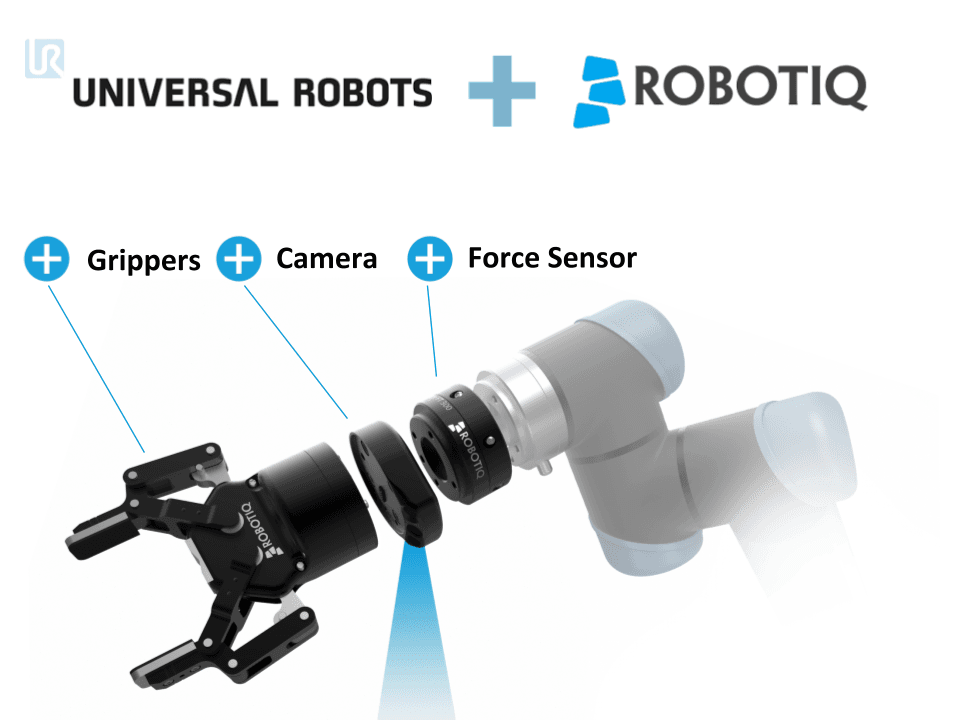
The Simple Guide to Choosing Between So Many Grippers!
Selecting the right gripper can be quite a daunting endeavor, especially given the abundance of options available in the market. To streamline this process, here are five straightforward steps to follow. Undoubtedly, the gripper stands out as the most crucial accessory for your robot. Opting for the wrong gripper could potentially lead to a myriad of issues. Conversely, with the correct gripper, integration becomes seamless, allowing your robot to be operational in minimal time.
Why is the gripper so important? For many reasons, including:
1. The gripper ultimately dictates the maximum payload the robot can handle.
2. It imposes constraints on the environmental conditions in which the robot can operate effectively.
3. The gripper significantly impacts the cycle time of operations.
4. It plays a crucial role in determining the integration time required for incorporating the gripper into the robotic system.
5. The gripper’s characteristics ultimately decide the feasibility of the task at hand.
Streamlining Gripper Selection in 5 Simple Steps
Define Your Task
Requirements Before delving into a gripper catalog, it’s essential to clarify the specifics of your task. This involves defining the input and output parameters of the robot cell. Consider dimensions, weight, and materials of the objects the robot will handle. These task requirements will serve as the foundation for determining the necessary specifications for your gripper.
Determine the Essential Specifications of the Gripper
Now, utilize the information collected in the previous step to pinpoint the necessary specifications for the gripper.
The five critical specifications to consider for a gripper include:
Payload – determined by the maximum weight of the objects in the task.
Force – also influenced by the weight of the objects.
Stroke – determined by the dimensions of the objects.
Weight – influenced by the robot’s payload capacity.
Power source –determined by the setup and robot model.
Assign a numerical value to each of these specifications. Depending on the requirements of your task, you may also want to define additional properties such as type, flexibility, IP rating, ease of integration, and communication protocol.
Prioritize Your Specifications
Some specifications will be more important than others. Rank each of the specifications in order of importance. Note down which specifications are vital for your task and which are just “nice to have.” I find that there is a “magic number” of specifications when choosing a piece of technology. If I nail down too many specifications as “vital” then I limit my choice too much and there are too few suitable product options on the market. If I am vague about which specifications I need, there are too many options and I become overwhelmed.”
Establish Your Budget
Determining your budget is crucial. Set an “ideal price” as well as a “maximum price” you’re willing to pay. Focus your search within this range.
Additionally, consider the Return on Investment (ROI) you aim for. Contemplate factors that could enhance the gripper’s ROI. For instance, compare a gripper suited only for a specific task to one that’s more versatile. The latter could yield a better ROI by enabling the robot to tackle multiple tasks. Always weigh your budget against potential ROI gains.
Explore the Market
Once you’ve clarified the points, you can begin exploring the available grippers on the market.
Consider starting by narrowing down your options based on the energy source, if applicable to your application. Opting for an electric gripper, for instance, can eliminate pneumatic and hydraulic options in one go, streamlining your choices to a more manageable level.