



What Is a Proximity Sensor
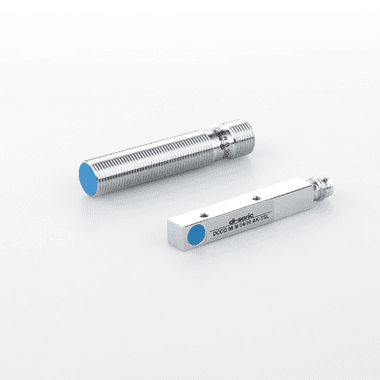
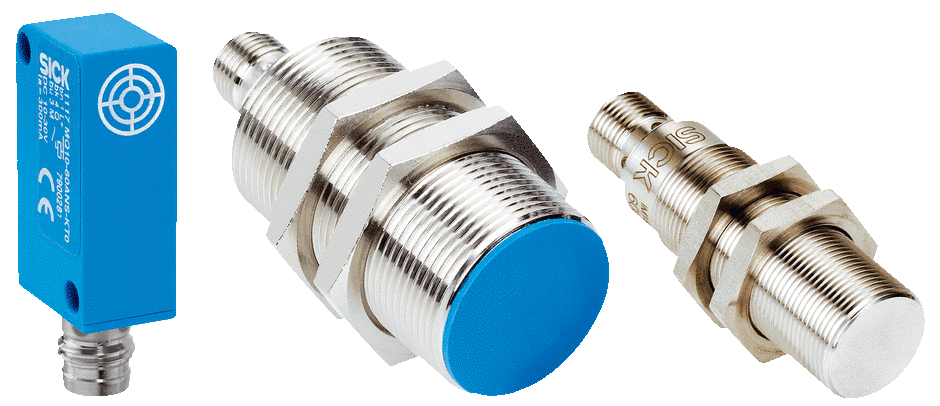
A Proximity Sensor encompasses a category of sensors distinguished by their non-contact detection capabilities, unlike sensors like limit switches that rely on physical contact with objects. These sensors translate information regarding object movement or presence into electrical signals. They operate through three primary detection systems: those utilizing electromagnetic induction to detect eddy currents in metallic objects, those detecting changes in electrical capacitance near sensing objects, and those employing magnets and reed switches.
The Japanese Industrial Standards (JIS) define Proximity Sensors in JIS C 8201-5-2, aligning with the IEC 60947-5-2 definition of non-contact position detection switches. JIS broadly refers to these sensors as “proximity switches,” encompassing various types like inductive, capacitive, ultrasonic, photoelectric, and magnetic sensors.
Features
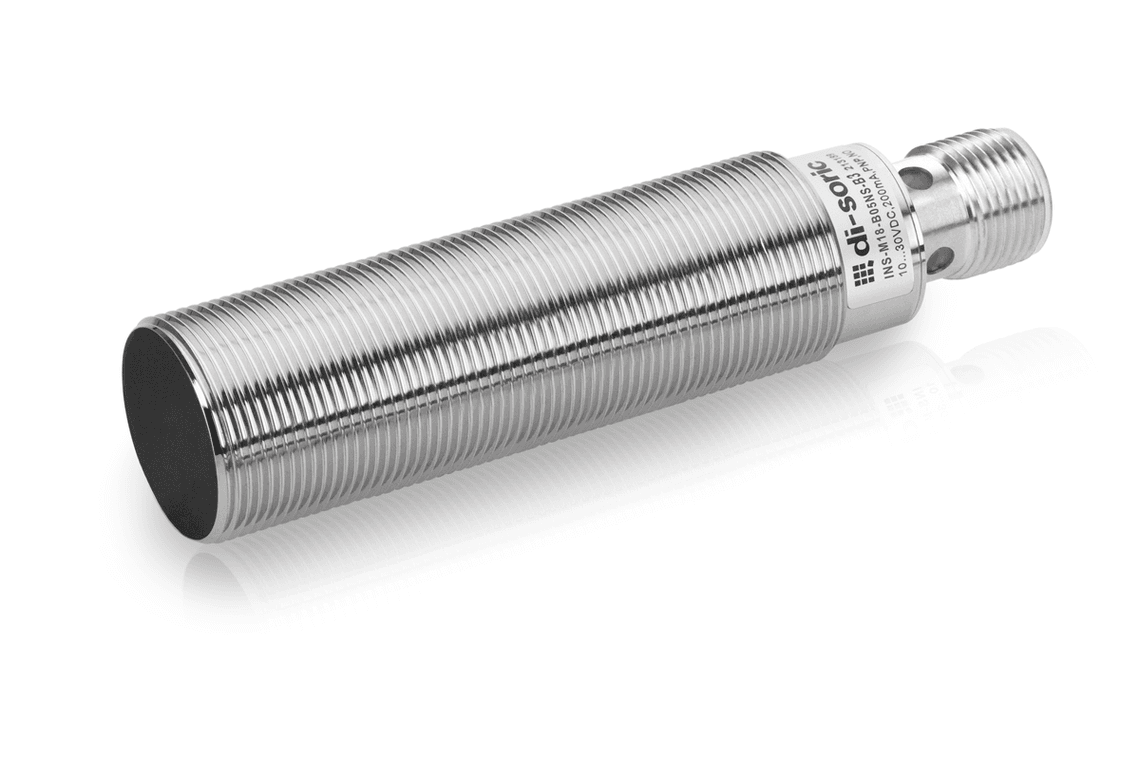
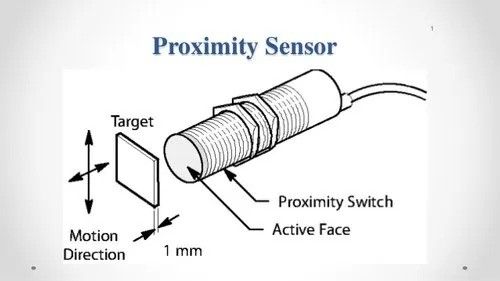
1. Proximity Sensors detect objects without direct contact, thus preventing abrasion or damage. Unlike devices such as limit switches that require physical contact for detection, Proximity Sensors can identify objects electrically without touching them.
2. Proximity Sensors boast extended service life as they lack output contacts (excluding models utilizing magnets). Utilizing semiconductor outputs, Proximity Sensors eliminate the need for contacts, preserving their durability.
3. Proximity Sensors excel in environments with water or oil, unlike optical detection methods. Their detection remains unaffected by dirt, oil, or water, with options featuring fluorosis cases offering superior chemical resistance.
5. Proximity Sensors are versatile across a wide temperature spectrum. They operate reliably within temperatures ranging from -40 to 200°C.
6. Proximity Sensors are impervious to color variations. Detecting physical changes in objects, they remain largely unaffected by surface color.
What are Proximity Switches?
While “proximity switch” is frequently used interchangeably with “proximity sensor,” it’s crucial not to conflate the two. As previously discussed, a proximity sensor is a non-contact device that identifies the presence of objects within its detection range. Conversely, a proximity switch refers to a distinct component that activates or deactivates an electrical circuit based on whether the sensor detects the absence or presence of an object.
How Do Proximity Sensors Work?
In basic terms, proximity sensors operate by converting information regarding an object’s presence or movement into an electrical signal. They emit an ON signal when an object enters their detection range. Here are the distinct working principles of different types of proximity sensors:
Capacitive Proximity Sensor Working Principle:
Capacitive proximity sensors detect changes in capacitance between the sensor and an object. Variations in distance and object size influence capacitance levels. The sensor identifies alterations in capacitance occurring between the two entities.
Inductive Proximity Sensor Working Principle:
Inductive sensors detect magnetic loss caused by eddy currents induced on a conductive surface by external magnetic fields. An AC magnetic field generated within the detection coil facilitates this process, with impedance changes revealing the presence of eddy currents.
1. Magnetic Proximity Switches Working Principle:
Magnetic proximity switches operate straightforwardly; a magnet activates the reed end of the switch. When the reed switch is ON, the sensor is likewise activated.
It’s noteworthy that proximity sensors are unaffected by the surface color of detected objects. They rely solely on physical movement and object motion, rendering the object’s color inconsequential to the sensor’s functionality.
3. Proximity Sensor Applications
Proximity sensors find utility across diverse environments and applications, offering advantages in object detection within defined ranges. They are instrumental in various scenarios, including:
1. Standard object position detection
2. Transportation, logistics, and supply chain operations
3. Inspection and quality assurance processes
4. Process control systems
5. Level detection tasks
6. Food processing and manufacturing industries
What to Consider when Selecting a Capacitive Proximity Sensor
Several crucial factors merit consideration to ensure optimal selection tailored to your specific needs. Here are the key factors and features to ponder:
1. Body style options, such as barrel or block configurations.
2. Switching output type, whether NPN or PNP, aligning with your system requirements.
3. Output function preference, whether normally open (NO) or normally closed (NC), based on your application demands.
4. Detection and sensing range, ensuring compatibility with your intended objects and distances.
5. Target type compatibility, specifying the materials or objects the sensor will detect.
6. IP rating for ingress protection against dust and moisture, aligning with environmental conditions.
7. Installation type consideration, whether flush-mounted or non-flush, to suit your installation requirements.
By carefully evaluating these factors, you can effectively select the most suitable capacitive proximity sensor to meet your specific needs and application requirements.
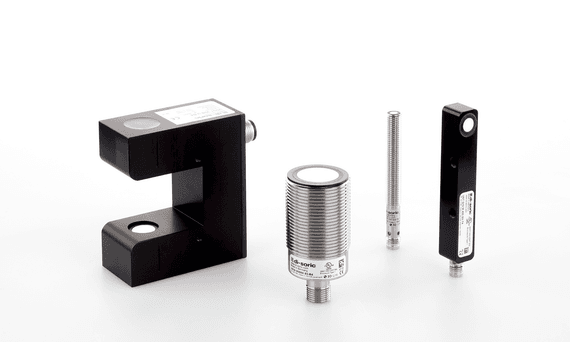
When selecting an ultrasonic proximity sensor
It’s vital to assess various factors to ensure the best fit for your needs. Here are key considerations to guide your decision-making process:
• Switching output type: Determine whether PNP or NPN output is suitable for your system requirements.
• Transducer or ultrasonic frequency: Choose the appropriate frequency for optimal performance in your application.
• IP rating: Consider the level of protection against dust and moisture required for your environment.
• Shielding: Assess whether the sensor needs to be shielded, partially shielded, or unshielded to minimize interference.
• Intended application: Ensure the sensor is tailored to meet the specific demands of your application.
• Body style: Select the appropriate body style, such as barrel or block configuration, to suit installation requirements.
• Sensing range: Determine the required range to effectively detect objects within your application.
• Target type: Consider the material or objects the sensor will detect to ensure compatibility.
• Installation type: Choose between flush-mounted or non-flush installation based on your setup preferences.
• Response time: Evaluate the sensor’s response time to ensure it meets the speed requirements of your application.
By carefully considering these factors, you can select the most suitable ultrasonic proximity sensor to meet your requirements effectively.
Inductive Proximity Sensors
Inductive proximity sensors are characterized by a wound iron core. As an object enters their sensing range, the coil’s inductance alters, activating the sensor. Typically used with ferrous materials at proximity, some variants are also suitable for hazardous environments.
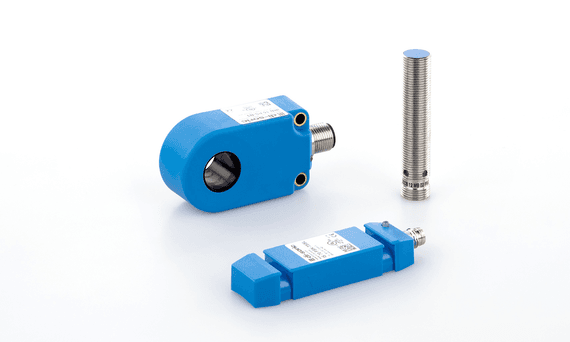
Factors to Consider when Selecting an Inductive Proximity Sensor
When choosing an inductive proximity sensor, various factors come into play. To make an informed decision, take the following considerations into account:
1. Applications
2. Whether it is shielded, partially shielded, or unshielded
3. IP rating
4. Switching frequency
5. Switching output type (NPN or PNP)
6. Response time
7. Installation type (flush or non-flush)
Magnetic Proximity Sensors
Magnetic sensors are engineered to detect the presence or absence of an object by leveraging an external magnetic field. As implied by their name, they exclusively operate with ferromagnetic objects. These sensors are typically characterized by high-speed capabilities, rendering them apt for tasks such as measuring fast rotational velocity.
Considerations for Selecting a Magnetic Proximity Sensor
To ensure optimal performance of a magnetic proximity sensor, it’s crucial to select the most suitable product for the application at hand. Consider the following factors when choosing the right magnetic proximity sensor for your needs:
1. Body style
2. Sensing range
3. Target type (i.e. what it senses)
4. Magnetic alignment
5. Magnetic sensitivity
6. IP rating
7. Switching output type
8. Switching frequency












