

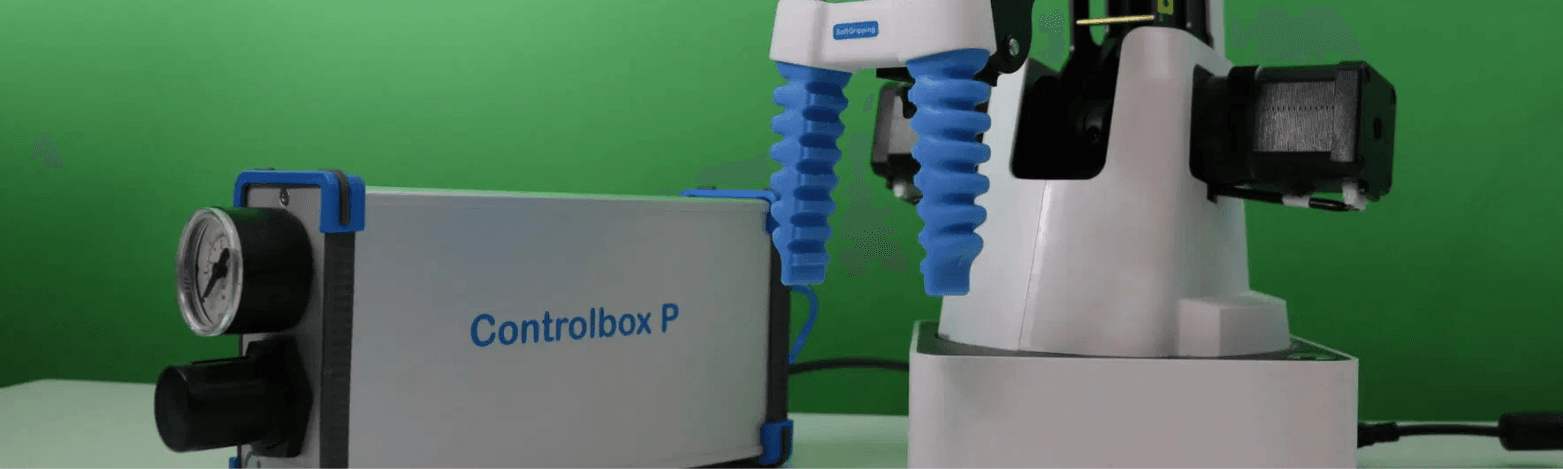

Importance of Educational Kits in Industrial Automation Training
Imagine learning to play an instrument without ever touching one. That’s what training for industrial automation can feel like without the hands-on experience offered by educational kits educational kits. These kits are more than just cool gadgets; they act as bridges between theoretical knowledge and practical application, making them essential for anyone serious about pursuing a career in this rapidly evolving field.
Here’s why educational kits are crucial for industrial automation training:
1. Bridging the Gap: Textbooks and lectures provide valuable knowledge, but they often lack the practical element crucial for understanding how things work in the real world. Educational kits offer a tangible way to experiment and apply learned concepts. By simulating real-world industrial scenarios, these kits allow you to:
– Visualize how different components like PLCs, sensors, and actuators interact
– Practice programming and troubleshooting in a safe and controlled environment
– Gain confidence in your skills before stepping into the real world
2. Enhanced Learning: Educational kits are engaging and interactive, making learning a more enjoyable and memorable experience. This active learning approach helps you retain information better and develop critical thinking skills necessary for problem-solving and troubleshooting.
3. Building a Strong Foundation: By starting with basic concepts and gradually progressing to more complex projects, educational kits help you build a strong foundation in industrial automation. This solid foundation is vital for adapting to new technologies and continuing your professional growth in this ever-changing field.
4. Cost-Effective Training: Compared to the cost of training on large industrial equipment, educational kits offer a more affordable and accessible way to gain valuable practical experience. This makes them ideal for individuals and educational institutions a like.
5. Preparing for the Job Market: Many employers in the industrial automation sector look for candidates with hands-on experience. Using educational kits during your training demonstrates your initiative, enthusiasm, and practical skills, giving you a competitive edge in the job market.
Educational kits are not just learning aids, they are essential tools for anyone serious about pursuing a career in industrial automation. Their ability to bridge the gap between theory and practice, enhance learning, build a strong foundation, and prepare you for the job market makes them invaluable for anyone seeking success in this exciting and dynamic field.
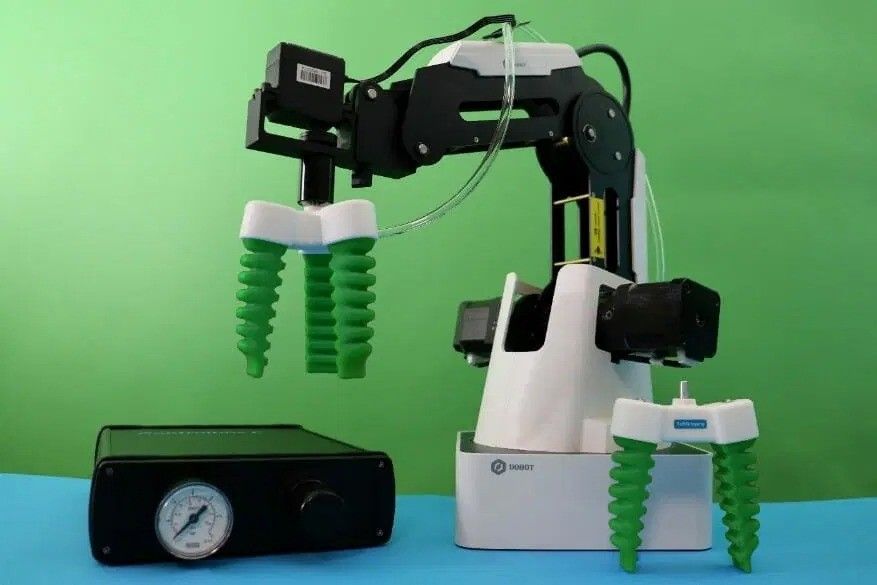
Components of Industrial Automation Educational Kits
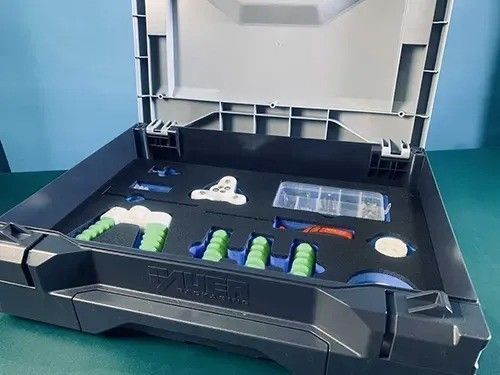
Industrial automation educational kits provide a hands-on learning experience for students and professionals interested in this ever-evolving field. These kits typically include various components that simulate real-world industrial scenarios, allowing individuals to experiment, troubleshoot, and gain practical skills. Here’s a breakdown of some common components found in these kits:
1. Grippers:
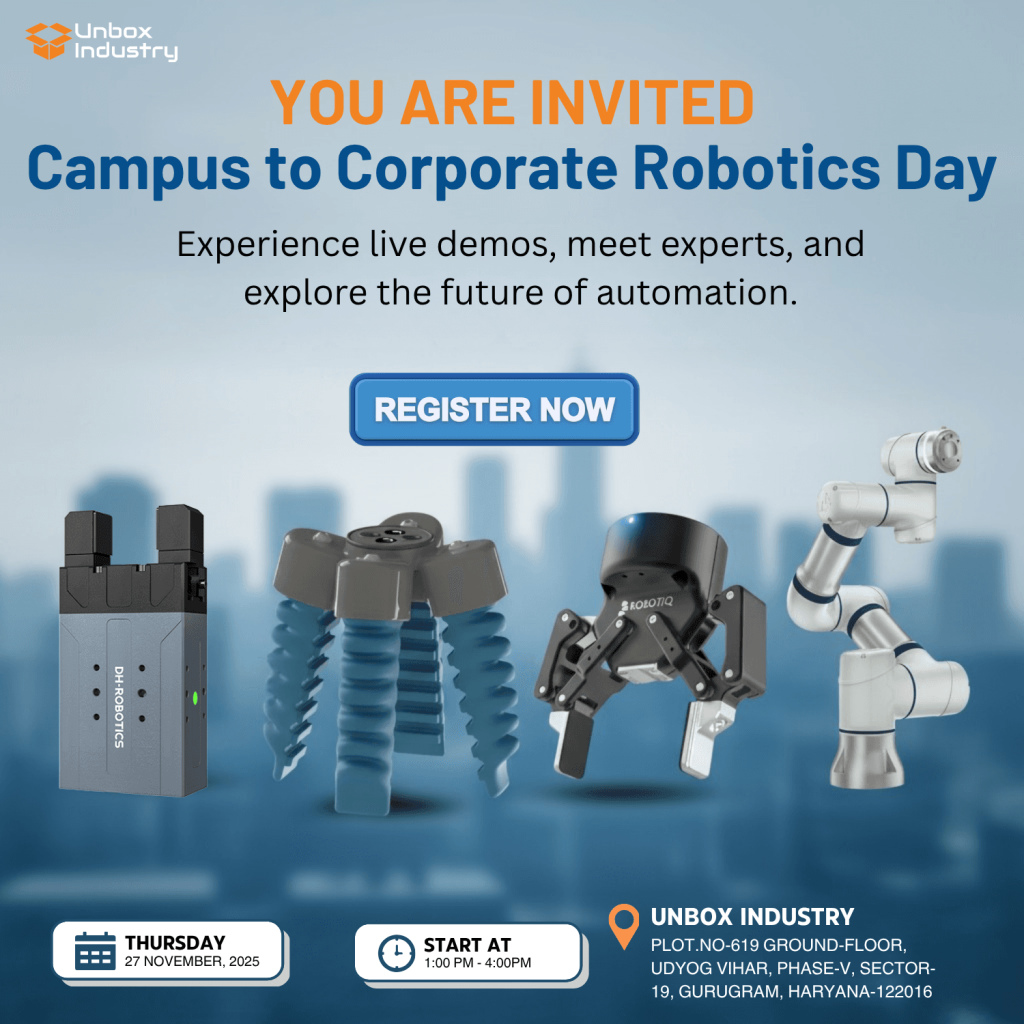
Educational SoftGripper – 2 Finger:
This gripper uses compliant materials to grasp objects of varying shapes and sizes gently. It’s ideal for handling delicate items without damaging them.
Educational SoftGripper – 3 Finger:
Like the 2-finger version, this gripper offers increased flexibility and can conform to more complex object shapes due to the additional finger.
2. Suction Cup:
This component uses a vacuum to create suction and hold objects. Suction cups are suitable for smooth, non-porous surfaces and are often used in pick-and-place applications.
3. Spacer:
Spacers are used to adjust the distance between the gripper or other end-of-arm tool and the robot arm. They come in various lengths and materials to accommodate different needs.
4. Robot Adapter:
This component connects the end-of-arm tool (gripper, suction cup, etc.) to the robot arm. Adapters are designed to be specific to the robot model being used.
5. Pneumatic Accessories:
These components are used in conjunction with pneumatic systems, which employ compressed air to power actuators and other devices. Common pneumatic accessories include:
– Tubing: Used to transport compressed air.
– Fittings: Connect tubing to various components within the pneumatic system.
– Valves: Control the flow of compressed air.
6. Tools:
A basic set of tools is often included in educational kits for assembly, disassembly, and maintenance of the various components.
By providing hands-on experience with these essential components, industrial automation educational kits equip individuals with the skills and knowledge necessary to thrive in this dynamic and in-demand field.
Basic Concepts in Industrial Automation
Industrial automation may seem complex, but it boils down to using smart machines and technology to run factories and processes with minimal human involvement. Your educational kit is a powerful tool to unlock the basic concepts behind this fascinating field:
1. Understanding Inputs and Outputs (I/O):
Imagine your senses as inputs and your actions as outputs. In automation, sensors like pushbuttons, switches, and light detectors act as the “senses” by sending information (inputs) about the environment to the “brain” (PLC). This brain, called a Programmable Logic Controller (PLC), then uses the information to send instructions (outputs) to devices like lights, motors, and valves, making things happen!
2. Logic Programming The Language of Machines:
Think of logic programming as the instructions you give the PLC. Using software, you can create a set of rules like “IF button is pressed, THEN turn on light” using commands like AND, OR, and NOT. The PLC understands this “language” and controls the kit based on your program, like a robot following your orders!
3. System Integration Working Together for Success:
Just like a football team, different parts of an automation system need to cooperate to achieve a goal. Your kit might have various components like sensors, motors, and the PLC. Learning how to connect these parts and make them work together as a system is crucial. It’s like building a team and teaching them to play in sync!
4. Safety Standards: Keeping Everyone Safe:
Safety is the top priority in any industry, and automation is no exception. Your kit may have features like emergency stop buttons to teach you about safety protocols. These are like the “timeouts” in a game, ensuring everyone stays safe while learning and experimenting.
Your educational kit is a playground for learning. Experiment with different components, create simple logic programs, and connect them all together. As you play and explore, you’ll gain a solid understanding of these fundamental concepts and become well-prepared for further exploration in the exciting world of industrial automation!
Hands-On Activities with Industrial Automation Educational Kits
Educational kits provide a valuable platform to explore the fascinating world of industrial automation through engaging, practical activities. Here’s a breakdown of exciting hands-on activities focusing on specific concepts:
1. Introduction to PLC Programming:
Challenge: Build a simple circuit that turns on an LED when a pushbutton is pressed.
Learning Objectives:
– Understand the basic structure of a ladder logic program.
– Learn fundamental instructions like “normally open” and “normally closed” contacts.
– Gain practical experience using PLC software to write and upload a program.
2. Sensor Integration and Data Acquisition:
Challenge: Design a system that uses a temperature sensor to display the current temperature on an LCD screen.
Learning Objectives:
– Explore different types of sensors and their functionalities.
– Understand how sensors convert physical quantities into electrical signals.
– Learn how to configure the PLC to read and interpret sensor data.
– Practice displaying data on an HMI (Human Machine Interface).
3. HMI Configuration and Control:
Challenge: Create a user interface on the HMI to control a motor speed and direction using buttons.
Learning Objectives:
– Discover the functionalities and components of an HMI.
– Learn how to design user-friendly interfaces for interacting with the system.
– Understand how to link user inputs on the HMI to control actuators like motors.
4. Motor Control Applications:
Challenge: Build a conveyor belt system that uses a motor to transport objects and a sensor to detect their presence.
Learning Objectives:
– Explore different types of motors and their control principles.
– Learn how to program the PLC to control motor speed and direction.
– Understand how to integrate sensors with motor control for automated tasks.
Bonus Activity: Collaborative Project
Challenge: Combine multiple kits to create a more complex system like a sorting and packaging line or a miniature automated factory.
Learning Objectives:
– Develop teamwork and communication skills while collaborating with others.
– Gain experience in integrating different components from various kits.
– Apply and consolidate various concepts learned through individual activities.
These activities serve as a starting point for your exploration with educational kits. The possibilities are limited only by your creativity! As you experiment and build, you’ll gain a deeper understanding of these foundational concepts in industrial automation, preparing you for further learning and potential career opportunities in this dynamic field.
Advanced Topics in Industrial Automation
While educational kits offer a fantastic introduction to the fundamentals of industrial automation, the field extends far beyond basic concepts. For individuals seeking to delve deeper, several exciting advanced topics hold immense potential:
1. Industrial Networking:
Concept:
This area focuses on connecting various industrial devices and systems within a facility or across geographically dispersed locations. It enables data exchange, remote monitoring, and centralized control, fostering a more integrated and efficient production environment.
Exploration:
Educational institutions and professional training programs may offer advanced courses or workshops that delve into:
– Industrial communication protocols: Understanding protocols like Ethernet/IP, PROFINET, and Modbus, which govern how devices communicate.
– Network design and implementation: Learning how to design and configure industrial networks for optimal performance and security.
2. SCADA Systems (Supervisory Control and Data Acquisition):
Concept: SCADA systems act as the central nervous system of industrial automation, collecting data from sensors and PLCs, displaying it on user interfaces, and allowing for remote monitoring and control of various processes.
Exploration Advanced training might involve:
– SCADA software configuration: Learning how to configure and utilize SCADA software for data visualization, alarm management, and process control.
– SCADA system integration: Understanding how SCADA systems interact with other components like PLCs and industrial networks.
3. Robotics Integration:
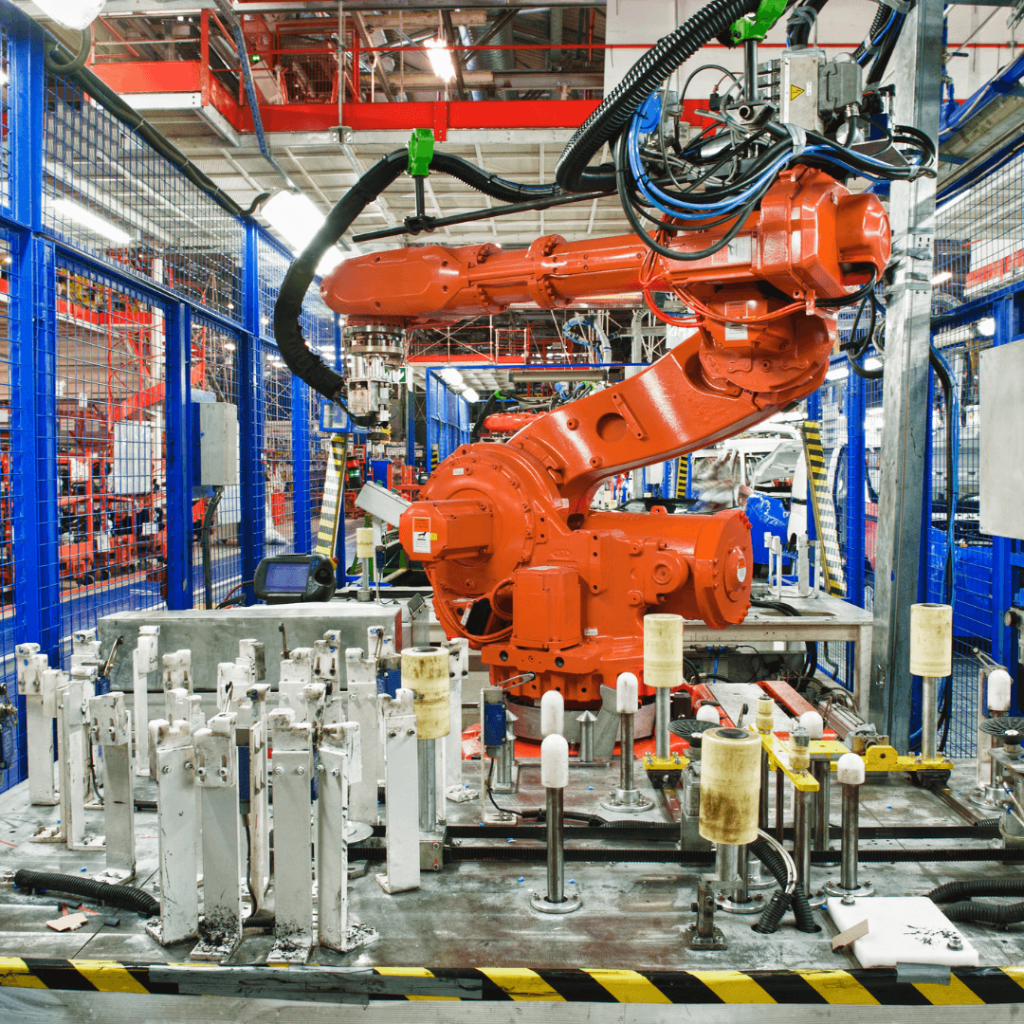
Concept: Industrial robots play a crucial role in automating complex tasks like welding, painting, and assembly. Integrating robots into existing automation systems requires careful planning and expertise.
Exploration: Advanced courses or specialized programs might cover:
– Robot programming: Learning languages like RobotC or Python to program robot movements and interactions with other components.
– Robot safety and maintenance: Understanding safety protocols and procedures for working with robots, as well as their maintenance and troubleshooting.
4. Machine Vision:
Concept: Machine vision systems use cameras and image processing techniques to “see” and analyze their surroundings. This allows for tasks like object recognition, defect detection, and automated inspection in various industrial applications.
Exploration: Advanced training might involve:
– Machine vision fundamentals:
Understanding concepts like image acquisition, processing, and analysis.
– Machine vision software and applications: Learning how to utilize specific software for various tasks like object detection and robot guidance.
It’s important to note that these advanced topics often require a strong foundation in fundamental concepts like PLC programming, sensor integration, and system control. Building a solid understanding of these basics through educational kits or introductory courses is crucial before venturing into more complex areas. The field of industrial automation is constantly evolving, and these advanced topics represent just a snapshot of its vast potential. As you continue your learning journey, keep exploring, delve deeper into specific areas that pique your interest, and embrace the exciting opportunities that this dynamic field has to offer!
This is just the beginning. As you delve deeper into the world of industrial automation, remember the exciting possibilities that lie ahead. Explore advanced topics, stay updated with future trends, and embrace the opportunities this dynamic field has to offer. Whether you choose to pursue a career in automation or simply want to expand your knowledge, the skills and experiences gained through your educational kit will serve you well. So, keep exploring, keep learning, and welcome to the exciting world of industrial automation!