




The Role of Gripper in Industrial Automation
Unlock the potential of your industry with high-speed grippers engineered for rapid and precise task handling. Perfect for fast-paced production cycles and managing small to medium-sized items, these grippers are indispensable across sectors like electronics, automotive, and packaging. The standout feature of high-speed grippers? Their lightning-fast open-close action, slashing cycle times and boosting productivity. Designed with low inertia for swift, accurate movements, they’re the secret weapon to keeping your operations running smoothly. Equipped with cutting-edge sensors and
gripper vision systems, high-speed grippers effortlessly adapt to changing environments and handle objects of diverse shapes and sizes. Elevate your performance, stay competitive, and satisfy consumer demands with these essential tools at your disposal.
Types of High-Speed Grippers:
Discover the efficiency of pneumatic grippers in high-speed applications, driven by their rapid response time and compressed air operation. While perfect for tasks demanding swift action, they may not suit scenarios needing delicate handling or precise force control.
In the realm of high-speed operations, pneumatic grippers emerge as stalwarts, delivering unparalleled performance and efficiency. Here’s a closer look at these dynamic tools:
1. Pneumatic Grippers: Pneumatic Grippers: Embraced across industries, pneumatic grippers harness the power of compressed air to execute tasks with lightning-fast precision. Their swift response time is a boon in environments demanding rapid actuation, enabling seamless integration into high-cycle rate applications. Ideal for swift, decisive movements, they excel in scenarios prioritizing speed and agility. However, for endeavors mandating nuanced force control or delicate object manipulation, alternative solutions may be warranted. Unlock the potential of pneumatic grippers in your high-speed endeavors, where every moment counts and efficiency reigns supreme.
2. The Power of Electric Grippers:Experience Precision and Programmability
Electric grippers are revolutionizing industries with their unparalleled precision and customizable features. Their ability to adjust grip force, speed, and position offers unmatched flexibility, catering to a diverse array of applications. While they may not match the speed of pneumatic grippers initially, recent advancements in electric actuation technology have drastically enhanced their performance, making them a compelling choice for various industries.
3. Vacuum Grippers: Discover the ultimate solution for swift and efficient handling of flat and smooth items
vacuum grippers. Perfectly tailored for high-speed operations like packaging and sheet metal handling, these innovative tools employ suction power to securely grasp and release objects with unparalleled speed. Say goodbye to inefficiencies – opt for vacuum grippers for seamless performance in applications where traditional grippers fall short.
Cobots and Collaborative Grippers:
Discover the game-changing world of collaborative robots, often referred to as cobots, which have transformed industries by seamlessly integrating with human workers for enhanced productivity and safety. Engineered to work alongside humans, cobots excel in a variety of tasks, ranging from assembly lines to quality checks. A pivotal component ensuring this harmonious interaction is the collaborative gripper. Unlike their traditional counterparts, cobot grippers are meticulously crafted to be lightweight, adaptable, and incorporate cutting-edge force-limiting technology. This innovation enables them to swiftly detect and react to unforeseen forces, halting their movements promptly to prevent any harm to human counterparts. Explore how these advancements are shaping the future of industrial collaboration.
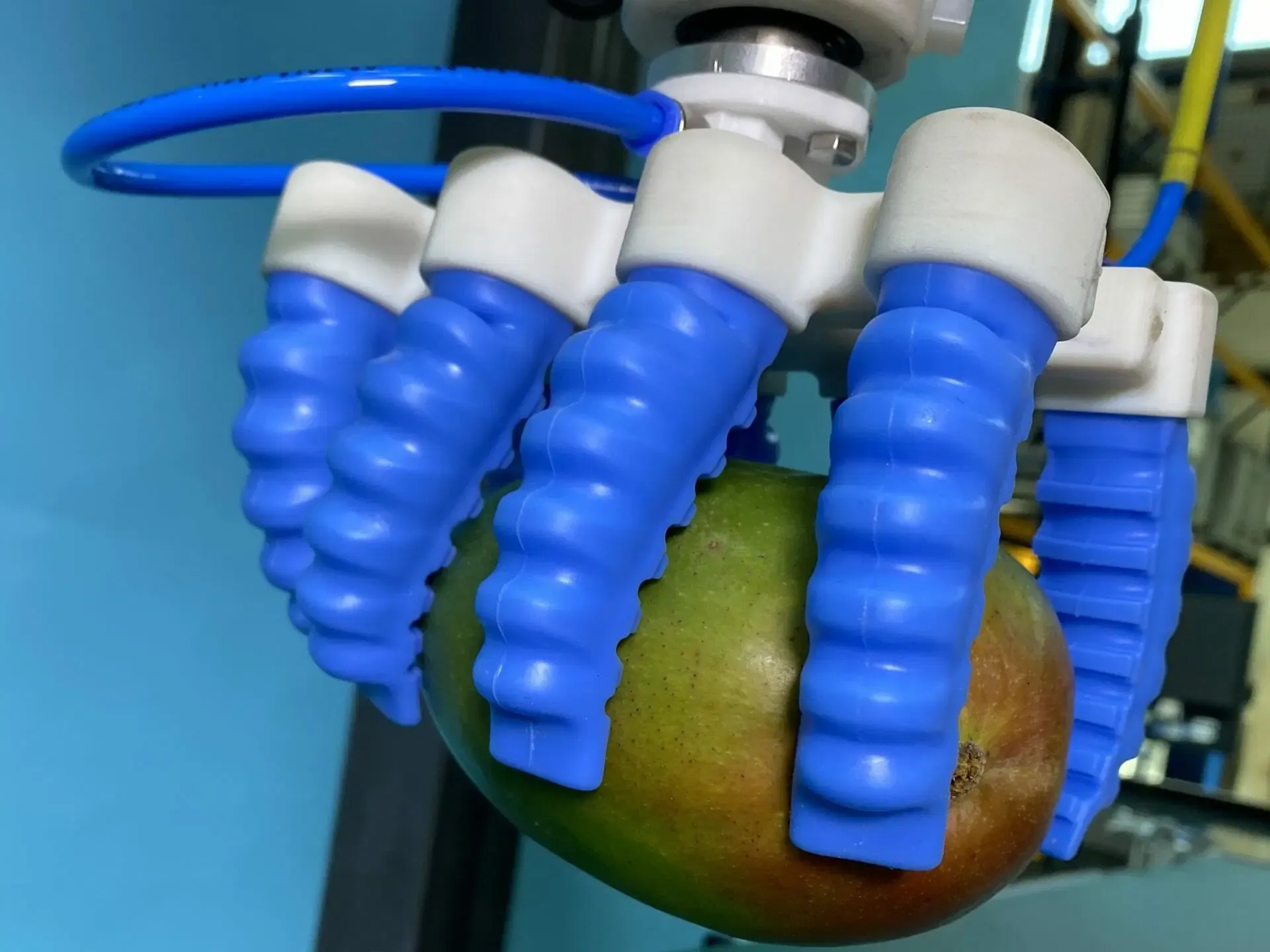
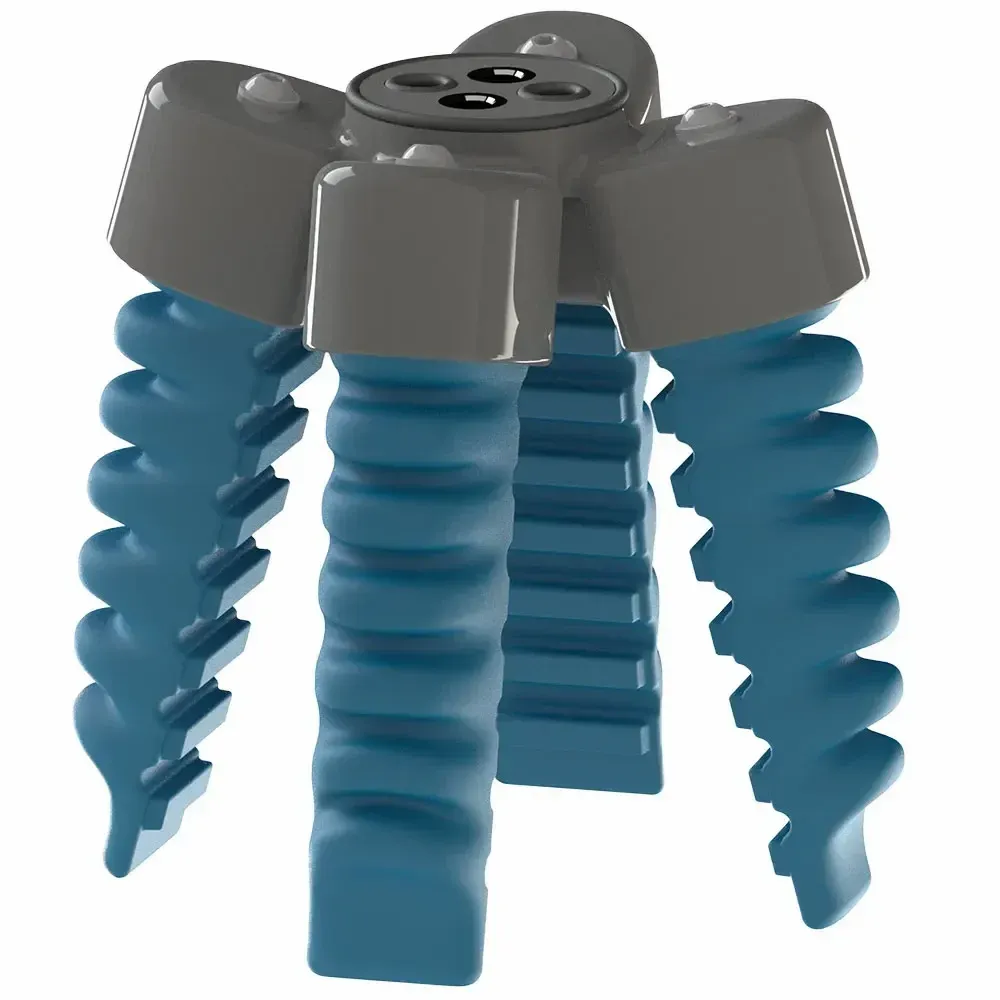
1. Magnetic Grippers:Elevate your workflow with 2. Soft Grippers: Experience the adaptability of soft grippers made from flexible silicone, designed to enhance human-robot interaction. Engineered to navigate through irregular shapes and delicate surfaces effortlessly, these tools offer unmatched versatility across various applications. 3. Tactile Grippers: Enhance your handling precision with tactile grippers embedded with advanced sensors, offering real-time feedback on grip force. Designed to facilitate a gentle and secure interaction with both objects and humans, these grippers are indispensable in scenarios demanding finesse, like food handling or delicate item manipulation.
magnetic grippers, ensuring secure handling of ferromagnetic items. Perfect for pick-and-place tasks and situations demanding a strong grip, these grippers prioritize safety and accuracy across diverse applications.

The Future of Automation: Elevating Industries with Advanced Gripper Technology
In the dynamic landscape of automation, grippers emerge as indispensable allies, propelling productivity and efficiency to unprecedented heights across diverse sectors. With breakthroughs in materials, sensors, and actuation technologies, the horizon is ablaze with promises of swifter, more precise, and safer grippers.
Anticipate the integration of artificial intelligence and machine learning into gripper systems, heralding a new era of adaptability and optimization. Empowered by real-time data and responsive to evolving environments, these intelligent grippers are poised to revolutionize industrial processes.
The dynamic landscape of grippers, tailored to adapt to the ever-changing needs of contemporary industries. From high-speed grippers revolutionizing production cycles to collaborative variants fostering seamless human-robot cooperation, the realm of grippers embodies innovation and progress. As technological advancements persist, anticipate grippers evolving into even more adaptable, intelligent, and essential contributors to the automation revolution.
Grippers’ Drawbacks and Limitations
1. Expensive Initial Outlay
Small enterprises may not be able to afford the high upfront expenses associated with advanced grippers and robotic systems.
2. Restricted to Particular Activities
Certain grippers are made for certain uses, which restricts their adaptability in fast-paced manufacturing settings.
3. Requirements for Maintenance
To guarantee grippers operate at their best, regular maintenance is required, which raises operating expenses.
4. Environmental Factor Sensitivity
Extreme temperatures, dusty conditions, and materials that don’t fit their design criteria can all provide difficulties for grippers.
Gripper Technology’s Future Trends
Advances in robotics and artificial intelligence are closely linked to the future of grippers:
1. Intelligent Handheld Instruments
Smart grippers that have sensors and artificial intelligence (AI) can adjust to different objects and situations, increasing versatility.
2. Cobots, or Collaborative Robotics
Cobot grippers will be safer and easier to use, allowing for smooth human-robot interaction.
3. Eco-Friendly Planning
Green grippers that are composed of recyclable materials and have an energy-efficient design will become more and more popular.
4. The Act of Shrinking
Grippers will get smaller without sacrificing functionality as industries want more portable solutions.
5. Cutting-Edge Material
Utilizing materials like carbon fiber and cutting-edge plastics will increase durability and decrease weight.
In conclusion
Grippers are essential parts of industrial automation that improve manufacturing operations’ accuracy, efficiency, and safety. They play a crucial role in attaining operational excellence in everything from material handling to quality control.
Advances in gripper technology will open new opportunities as sectors continue to adopt automation, allowing companies to meet difficult issues and stay competitive in a constantly changing environment. Businesses may fully use industrial automation by investing in cutting-edge grippers, laying the groundwork for a future characterized by creativity and efficiency.












