


What are Industrial Robots
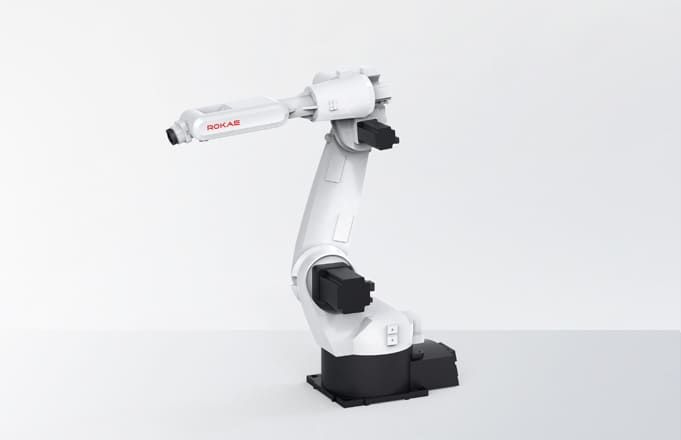
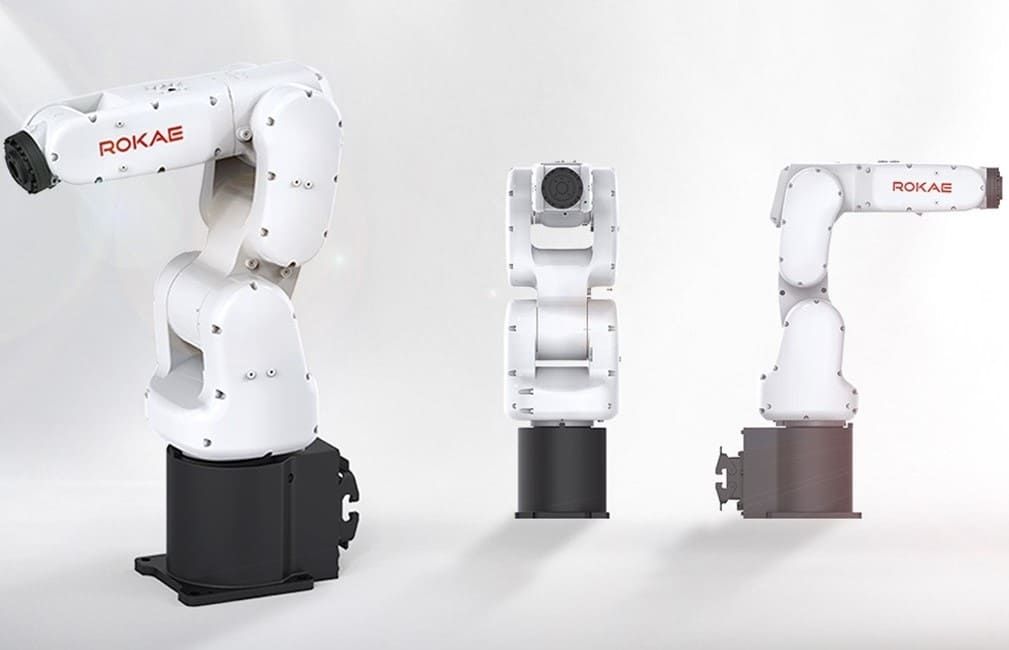
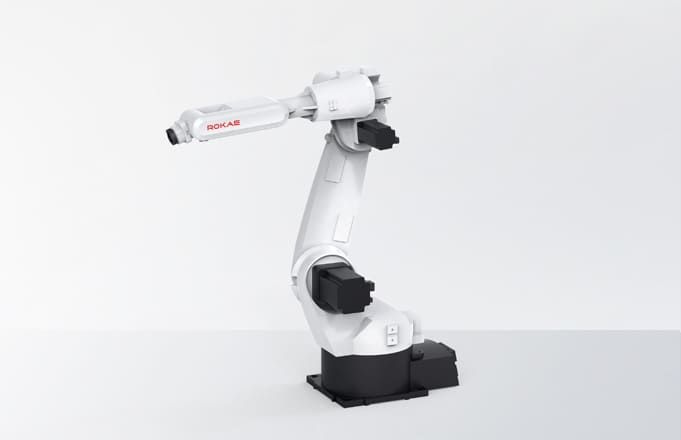
Mechanical machines that may be programmed to do a wide range of manufacturing operations are known as industrial robots . Their ability to move in several axes facilitates a variety of tasks such as material handling, product assembly, welding, painting, and packing. These robots are autonomous, able to operate continuously, and frequently able to adapt to a variety of tasks through reprogramming, in contrast to traditional machinery.
Key Features of Industrial Robots
High Precision: Industrial robots are particularly good at repetitive, precise operations like welding fragile components together.
Speed:They perform tasks more quickly than human laborers, thereby boosting output in a variety of sectors.
Consistency: Robots reduce the margin of error in tasks by maintaining consistent performance levels, which guarantees uniformity in production.
Durability: Manufactured to withstand difficult conditions, robots can function in extremely hot or cold temperatures, dusty surroundings, and risky regions like handling harmful substances.
Flexibility: Given a range of sensors and programming tools, robots can change their configuration quickly and go on to other jobs
Types of Industrial Robots
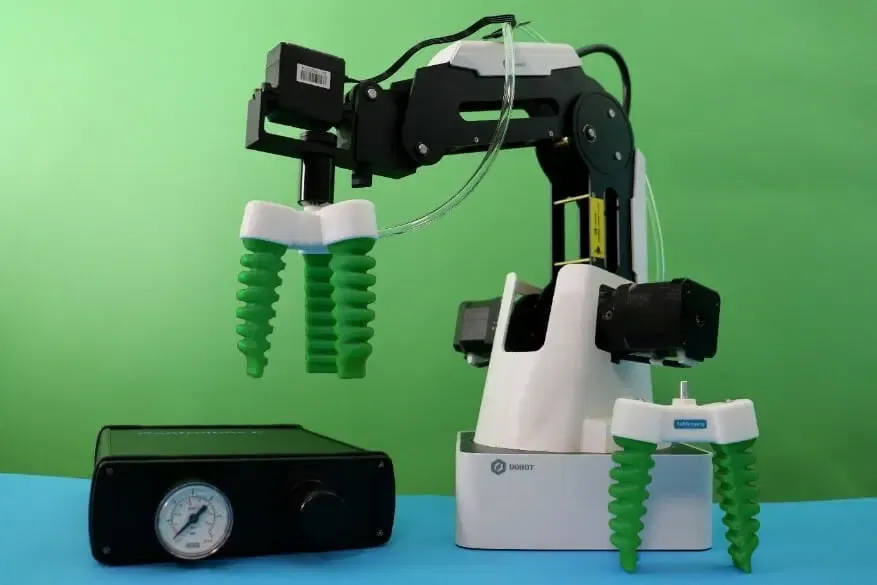
Articulated robots: These are very flexible robots with rotational joints that are frequently employed for assembly, painting, and welding jobs. They can be as basic as two-joint robots or as intricate as multi-joint systems.
Robots from SCARA: Robots called Selective Compliance Assembly Robot Arms, or SCARAs, are employed in jobs requiring horizontal mobility, such as selecting, placing, or assembly.
Robots with Cartesian Computation:Often referred to as gantry robots, these work on three linear axes (X, Y, Z) and are perfect for jobs like material loading and unloading, CNC machines, and 3D printing.
Collaborative robots, or Cobots:are robots with safety features including sensors that enable them to recognize human presence and avert harm. They are made to work with humans.
Robots Delta: These three-armed robots, which are frequently employed in high-speed tasks like picking and packing, can move quickly over a predetermined region since they are attached to a shared base.
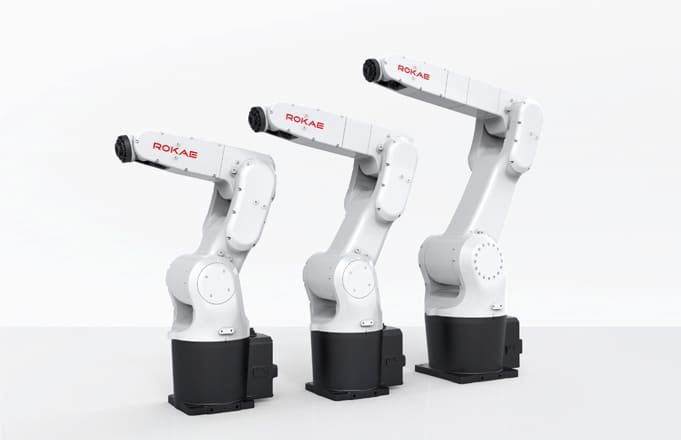
Applications of Industrial Robots
Numerous industries have adopted industrial robots on a large scale:
Automotive Manufacturing: In automobile assembly lines, robots are widely utilized for tasks including welding, painting, and component installation.
Electronics Industry:Robots are excellent in assembling electronic gadgets because they require precise and careful handling of parts.
Food and Beverage:In high-speed settings, robots help with the packaging, sorting, and palletizing of food products.
Pharmaceuticals: Robots handle chemicals and drugs with high accuracy in labs and drug production facilities, lowering the danger of contamination.
Metal fabrication: Industrial robots can achieve the high precision needed for cutting, bending, and welding metal sheets.
Benefits of Industrial Robots
Enhanced Productivity: Due to their ability to operate nonstop, industrial robots can increase overall production rates and decrease manufacturing line bottlenecks.
Cost savings: Long-term savings are attained through lower labor expenses, increased productivity, and less waste from mistakes, notwithstanding the high initial investment costs.
Increased Quality: Robotic accuracy guarantees constant product quality with few flaws.
Enhanced Worker Safety:Robots lower the risk of workplace injuries by automating jobs that are physically taxing or risky.
Scalability: As business demands expand, robots can be modified to fit various manufacturing lines or reprogrammed for new jobs.
The Future and Difficulties of Industrial Robots
Industrial robots have several benefits, but they also have drawbacks. Concerns for various industries include high initial investment costs, the requirement for specialized upkeep, and job displacement. But as machine learning, artificial intelligence (AI), and sensor technologies progress, smarter, more
Future work from people and robots should be more collaborative, especially with the growing number of cobots that support employees rather than replace them. Robots will also be essential to mass customization and smart factories as companies move toward more adaptable and flexible manufacturing processes.
Industrial Robots Working Across Different Sectors
Industrial robots are transforming a number of industries by increasing productivity, decreasing expenses associated with operations, improving accuracy, and revolutionizing task performance. These devices are demonstrating their worth in a variety of industries, including healthcare and manufacturing. The following are important sectors where industrial robots are having a big impact.
Automotive Industry
One of the industries that uses industrial robots the most is the automotive one, where they are frequently employed for jobs like:
Welding and Painting: Robots are highly precise at spot and arc welding, which is crucial for putting the car body together. Complex painting tasks are also handled by robots, which guarantees an even coat and saves waste.
Assembly: Robots do complex assembly jobs fast and reliably, from attaching tiny components to installing elements like doors and windshields.
Material handling: By moving and positioning large, heavy components, robots reduce the need for human labor and enhance production line efficiency.
Automobile manufacturers obtain higher throughput, more uniformity, and fewer errors by automating these processes.
Electronics and Technology
Because of its reliance on accuracy, the electronics industry is a great candidate for industrial robot integration. Among the tasks that robots execute are
Microelectronics Assembly: Accuracy is crucial for assembling small parts for gadgets like laptops, smartphones, and other consumer electronics. Robots handle this task.
Soldering and Inspection: Robots are capable of quickly and precisely doing small-scale soldering jobs, and sophisticated robots equipped with vision systems can check products for flaws to guarantee quality control.
PCB Handling: In high-volume production settings, robots that install and remove circuit boards (PCBs) during the manufacturing process can increase productivity.
Healthcare and Pharmaceuticals
Industrial robots are being utilized more and more in the pharmaceutical and healthcare sectors for the following tasks
Automation in the Lab:Robots help with critical jobs in pharmaceutical research and development, such as sorting, drug distribution, and sample preparation. This guarantees more accurate data processing and quicker outcomes.
Surgical Assistance: Compared to manual surgery, robotic devices such as the Da Vinci robot let surgeons perform precise operations using less invasive approaches, resulting in enhanced precision.
Pharmaceutical Manufacturing: To maintain strict hygienic guidelines and uniformity in the manufacture of pharmaceuticals, robots perform jobs including packaging, labeling, and inspection in cleanrooms.
Industrial robots increase productivity, lower human error, and improve patient safety by automating these tasks.
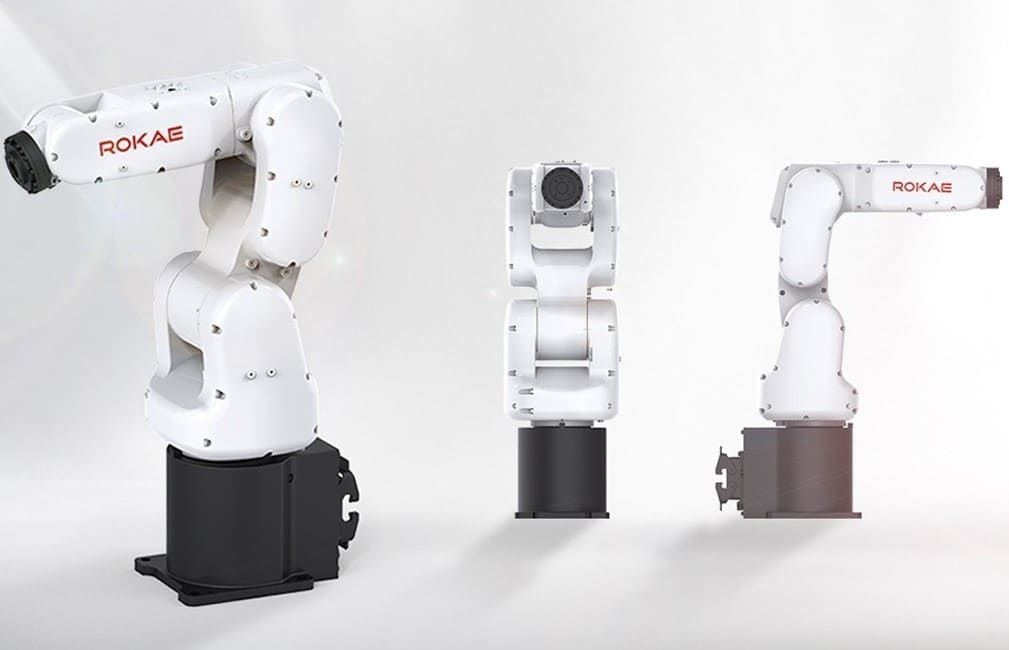
Robots are employed in the food and beverage industry to do activities that call for accuracy, speed, and hygienic practices. Important applications consist of
Packaging and Palletizing: Robots palletize goods for shipment, package food items, and label things. Their uniformity and quickness are essential for satisfying the high standards of this quick-paced sector.
Sorting and Picking: By automating manual processes like selecting fruits or vegetables, vision-guided robots can now sort products and pick items according to size, shape, or color.
Quality Control: Prior to packaging, food goods are inspected by robots fitted with sensors and cameras to look for flaws or impurities.
Robots assist food businesses in meeting regulatory requirements while increasing output because of their accuracy and capacity to uphold stringent cleanliness standards.
Heavy machinery and metal
Because industrial robots can do dangerous and difficult jobs, they are widely utilized in the heavy machinery and metal production industries. Typical uses are as follows:
Cutting and Welding: Robots carry out high-precision arc, plasma, and laser cutting, guaranteeing consistency and cutting down on material waste.
Material handling: By moving and positioning big metal sheets and components, heavy-duty robots reduce physical labor for human workers and increase manufacturing efficiency.
Machining: The repetitive and highly precise tasks necessary for cutting, drilling, and shaping metal components are handled by robots in CNC machining processes.
Industrial robots in various fields automate hazardous and physically taxing jobs, boosting production and enhancing worker safety.
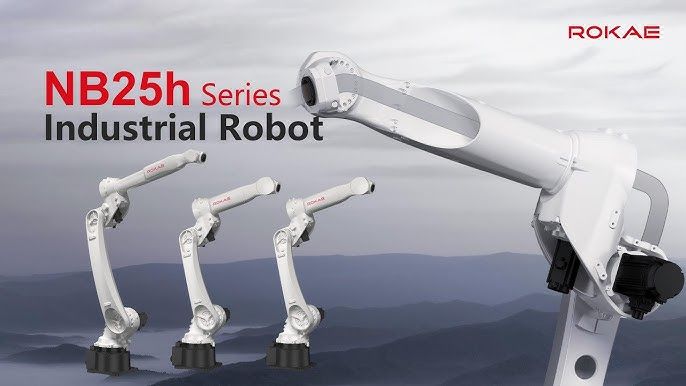
As global logistics and e-commerce grow in popularity, industrial robots are becoming increasingly important in:
Automated Storage and Retrieval: By automatically selecting, retrieving, and storing goods in warehouses, robots can maximize available space and cut down on the time it takes to execute orders.
Sorting and Packaging:Robots assist businesses to meet high-volume demand by sorting packages, labeling goods, and getting them ready for shipping.
Last-Mile Delivery: While delivery robots and drones are being developed for last-mile deliveries, autonomous mobility robots (AMRs) are utilized for moving cargo within warehouses.
Robotics use in logistics increases order fulfillment and inventory management accuracy while lowering operating costs and increasing efficiency.
Aerospace Industry
In the aerospace industry, where safety and accuracy are critical, robots are utilized for:
Assembly of Aircraft Components: Robots connect and align complex aircraft pieces, like the wings and fuselage, with extreme precision.
Testing and Inspection: Robots with cutting-edge sensors and imaging systems check important components for flaws and guarantee that safety rules are being followed.
Painting and Surface Treatment: Large and intricate surfaces are consistently finished thanks to the work of robots that carry out sanding, polishing, and painting operations.
Robotic automation helps the aerospace sector by reducing manufacturing time and improving quality and safety requirements.
Textiles and Apparel
Despite being historically labor-intensive, the textile and clothing industry is beginning to use robotic technologies for:
Fabric Cutting and Sewing: Robots use accurate cutting techniques to cut fabric, while high-precision robotic sewing machines save material wastage when making clothes.
Inspection and Sorting: Robots streamline quality control procedures by inspecting fabrics for flaws and sporting goods according to size, color, or quality.
Material handling: Rolls of cloth and completed goods can be handled by robotic arms, which makes it simpler to transport materials about the plant without the need for human assistance.
Robots assist businesses in the textile sector in meeting high-volume demand, cutting labor expenses, and minimizing waste from mistakes made during production.
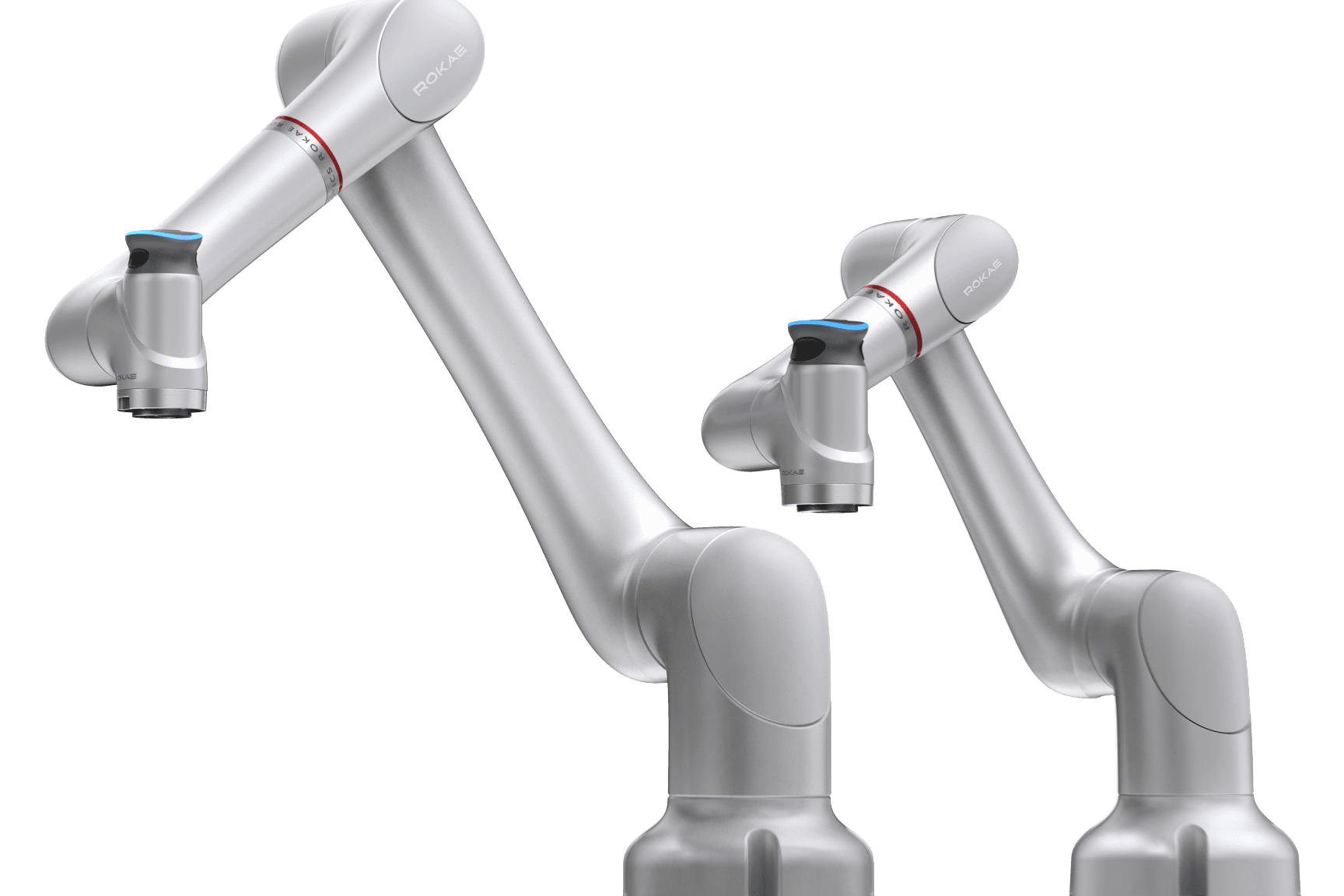
Industrial robots are revolutionizing a number of industries by automating jobs that need a lot of precision, danger, and repetition. Robots increase productivity, consistency, and safety in a variety of settings, including pharmaceutical labs, high-tech electronics, and automotive assembly lines. The use of robots will further transform industries as technology develops, offering higher quality, faster production, and new opportunities in manufacturing and other fields.












