

automation as we enter the era of Industry 4.0. Advanced robotics is being used by businesses all over the world to increase productivity, optimize processes, and boost product quality. One of the most notable pioneers in this field is Nordbo Robotics, a business whose state-of-the-art technologies have elevated robotic automation to new levels by giving robots human-like accuracy, flexibility, and adaptability.
Industries are using Nordbo’s suite of solutions to automate difficult processes that were previously believed to require human agility and judgment. Nordbo is leading the way in robotic automation by fusing robotics with artificial intelligence (AI), sophisticated motion control, and user-friendly software.
This essay will examine how Nordbo is transforming robotic automation, the fundamental technology underlying its inventions, and the revolutionary effects they are having on a range of industries
An Introduction to Nordbo Robotics
Since its founding in Denmark, Nordbo Robotics has established itself as a pioneer in robotic automation, especially in fields where accuracy and adaptability are critical. The business specializes in creating equipment and software that expands industrial robots’
capabilities so they can perform delicate and complex tasks beyond simple pick-and-place jobs.
The manufacturing,
automotive, electronics, and even healthcare sectors are served by Nordbo’s solutions. Nordbo wants to enable advanced automation for companies of all sizes by emphasizing highly customizable robotic systems and user-friendly, intuitive interfaces.
Key Technologies Powering Innovations at Nordbo
Nordbo’s creative use of technology is the secret to its success. The business has created a number of fundamental products that are propelling robotic automation forward and allowing sectors to reach new heights of accuracy, productivity, and personalization.
1. Nordbo Smart Tooling
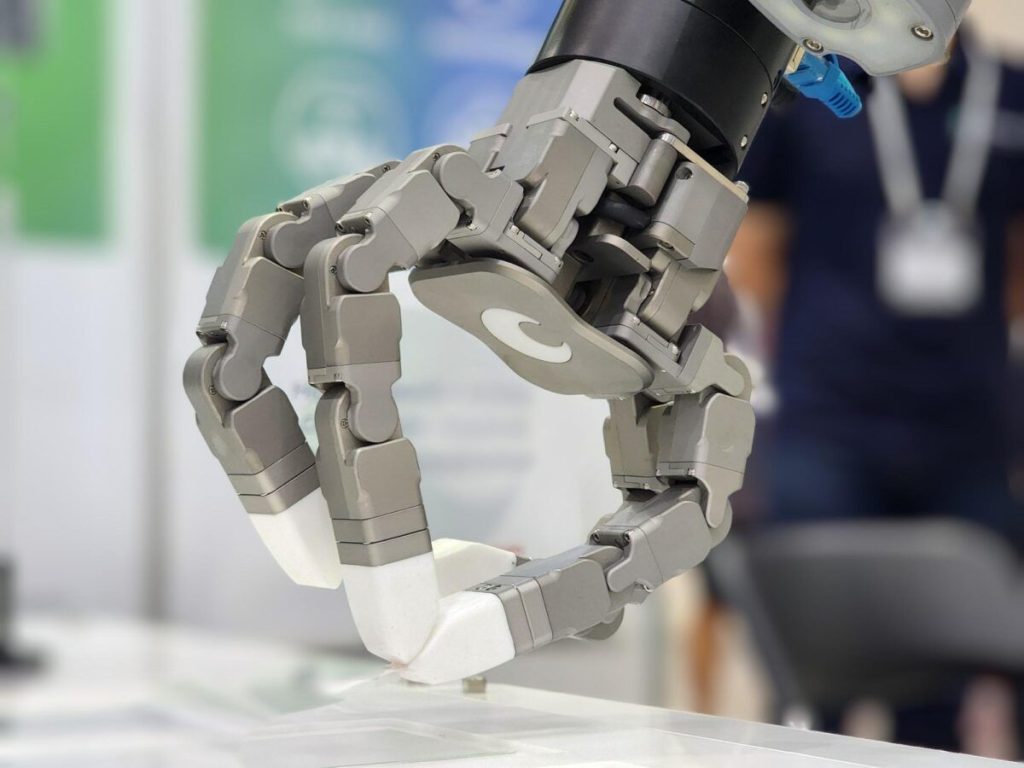
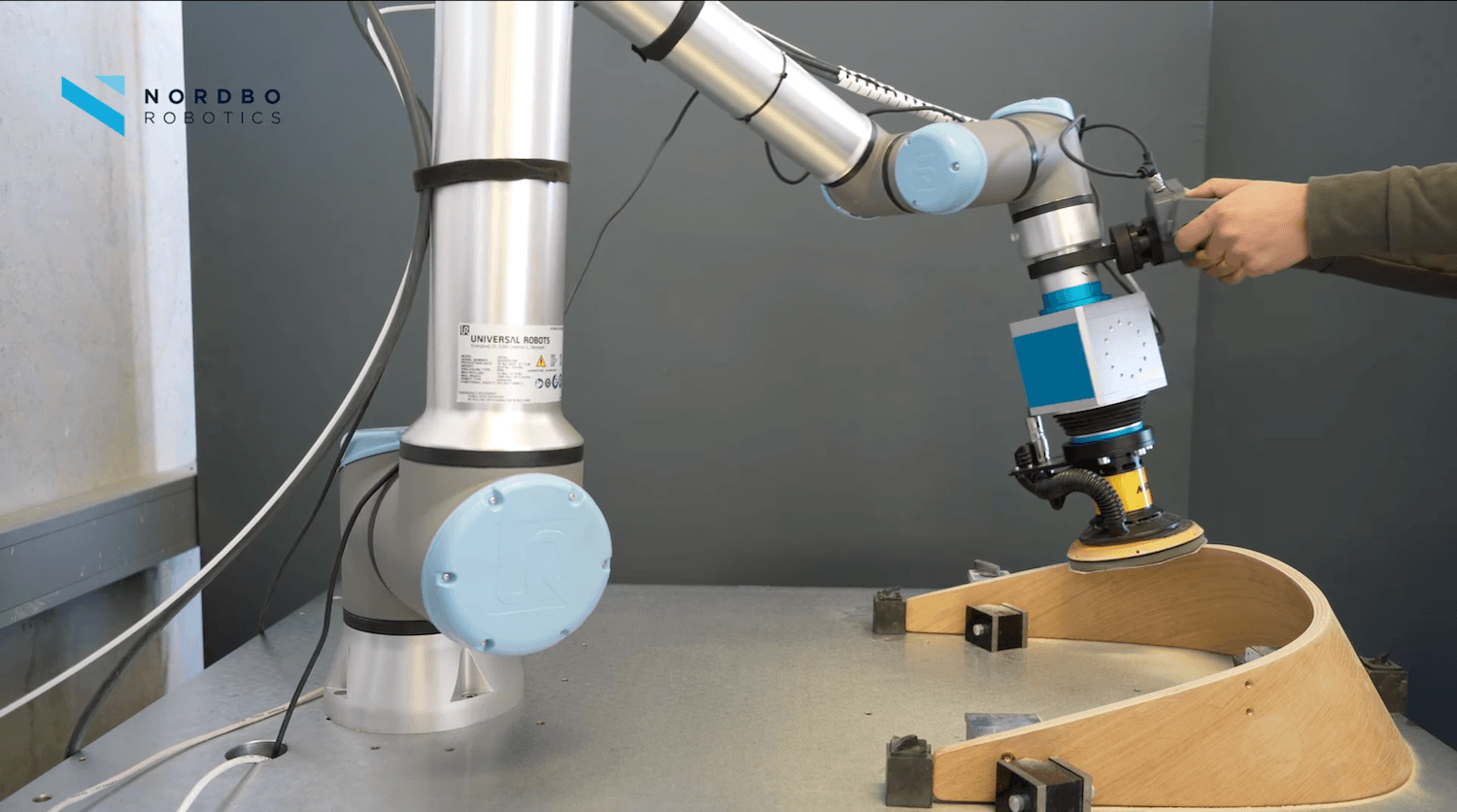
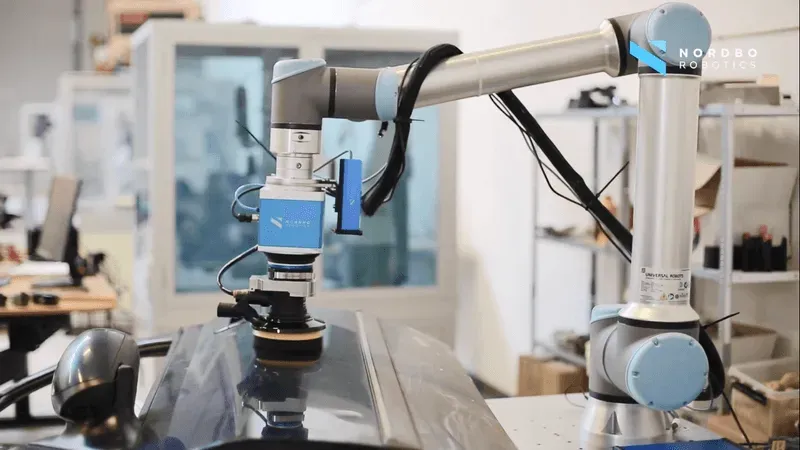
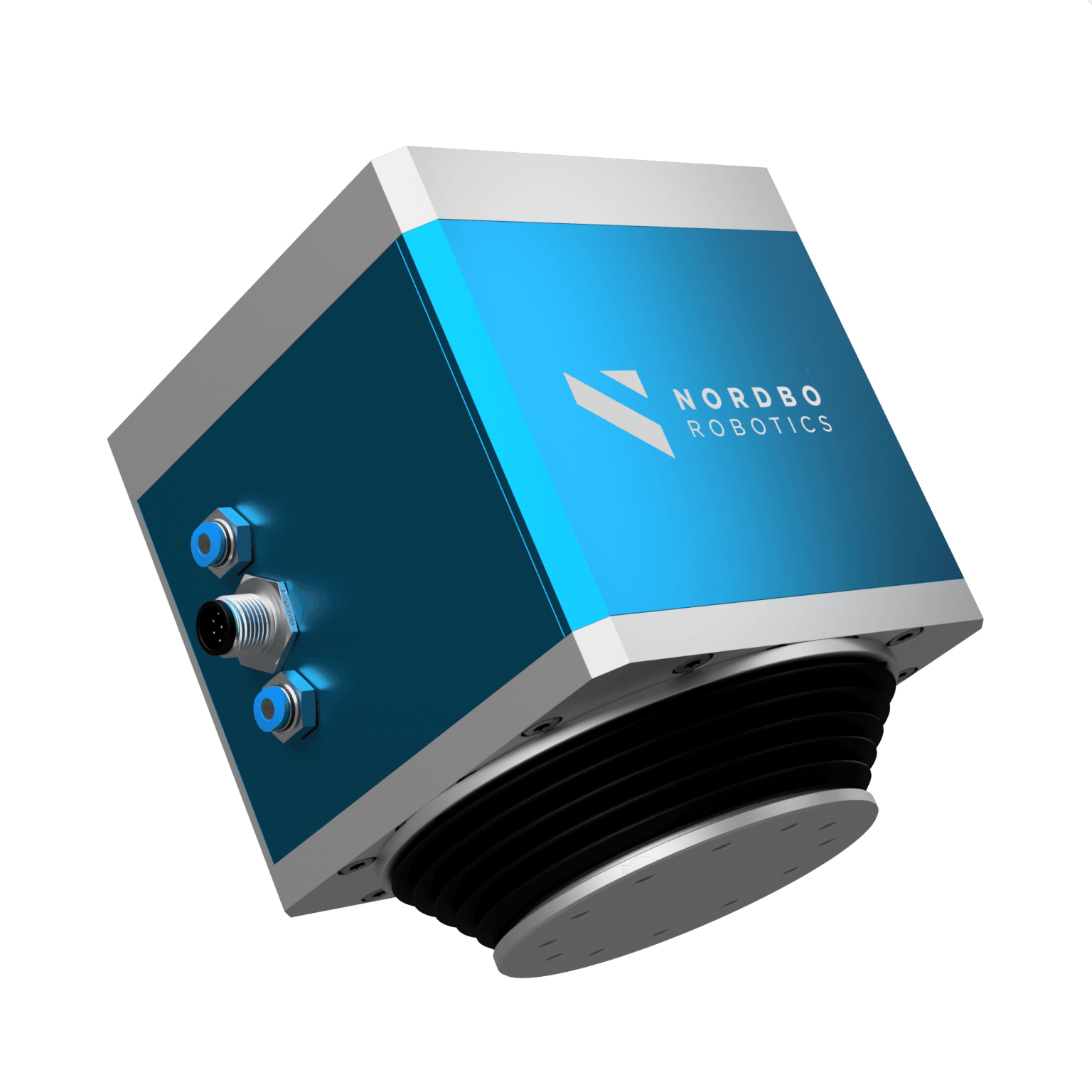
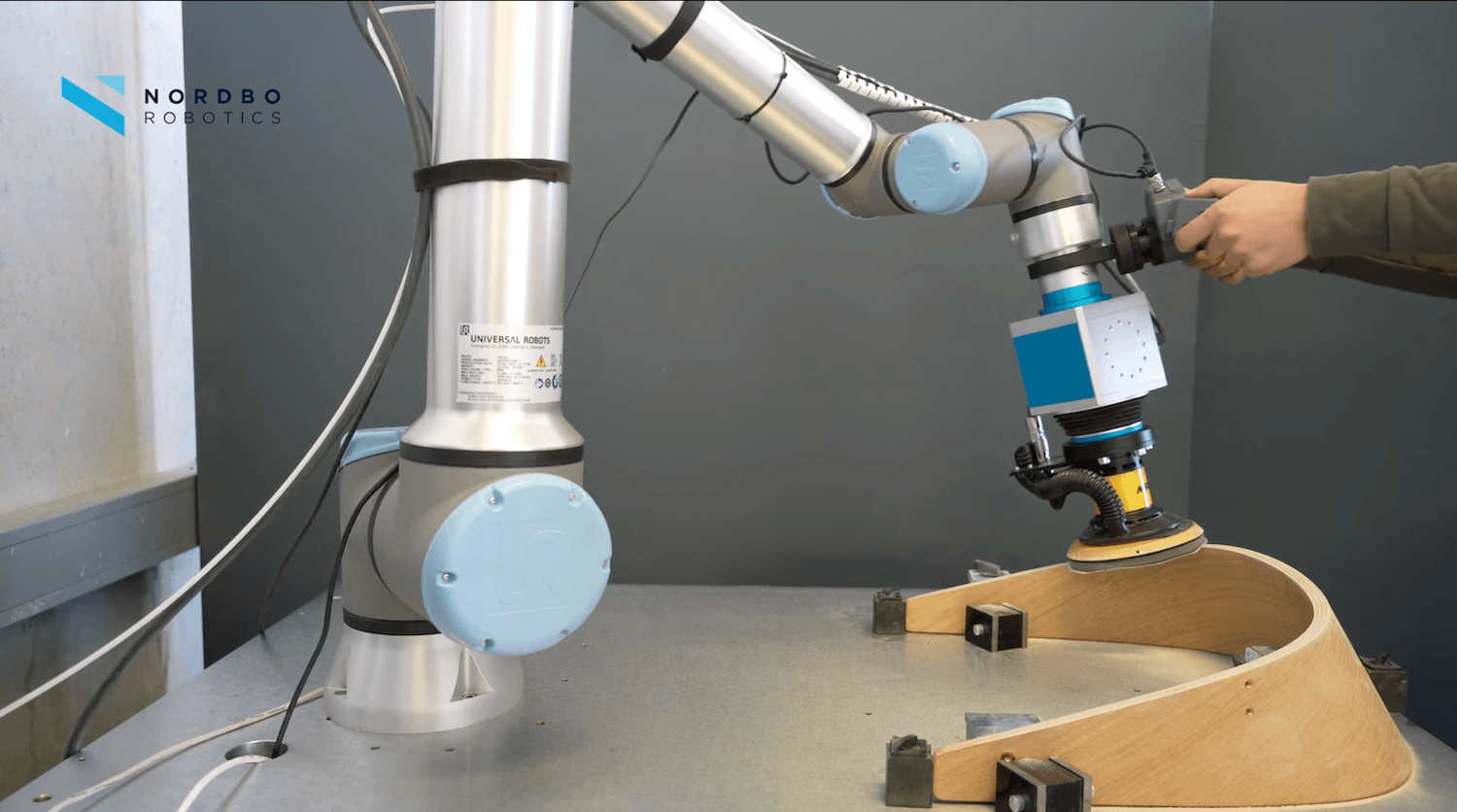
Nordbo’s Smart Tooling solution is among its most noteworthy innovations. These robotic end-effectors, which are tools that are linked to the robot arm, are made to carry out extremely specialized operations that usually call for human interaction, such polishing, grinding, and deburring. These tools and AI-powered software enable the robots to instantly adjust to changes in materials and surfaces.
In sectors like automotive and aerospace, where surface finishing is essential to product quality, smart tooling is especially helpful. Robots can now perform these activities with human-level precision thanks to Nordbo’s technology, greatly lowering the requirement for manual labor while increasing efficiency and consistency.
2.Nordbo Adaptive Force Management
For sectors that need to handle materials or goods delicately, Nordbo’s Adaptive Force Control (AFC) is revolutionary. With the use of AI-driven AFC technology, robots can modify their force application in response to real-time input. In processes like polishing, where constant pressure is needed to provide a consistent finish, or in operations like assembling, where excessive force might harm components, this is crucial.
Robots may automatically adapt their movements to workpiece differences by utilizing Adaptive Force Control, which guarantees that the best force is applied during the whole operation. In addition to improving product quality, this keeps robotic tools and equipment from experiencing undue wear and tear, extending their lives.
Nordbo has made significant contributions to robotic automation in the area of surface finishing, which encompasses sanding, buffing, grinding, and polishing. Because they are typically labor-intensive and highly skilled, many tasks are difficult to automate. With Nordbo’s surface finishing solutions, robots can mimic human workers’ precision and grace in these intricate tasks by utilizing AI and sensor technology.
To guarantee a flawless finish each and every time, Nordbo’s surface finishing robots can instantly modify their movements to the curves and textures of various surfaces. Surface quality is a crucial differentiator in businesses like manufacturing, furniture manufacture, and even luxury items, and this has completely changed these sectors.
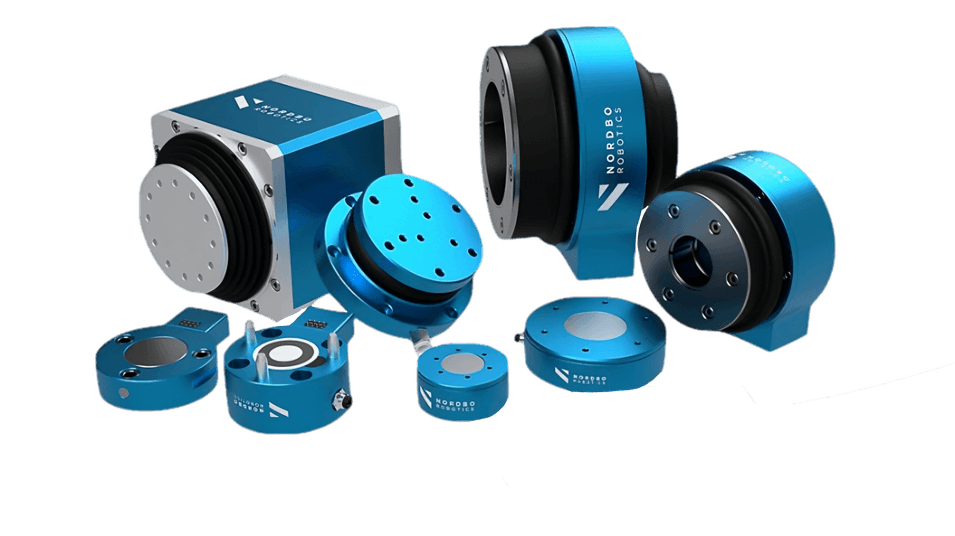
4. Force/Torque Sensor NRS-6
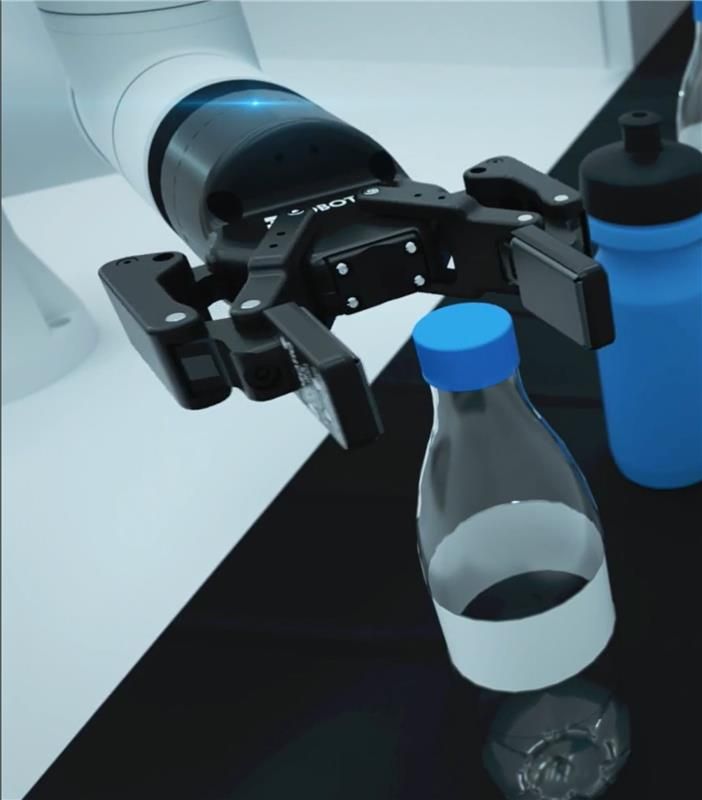
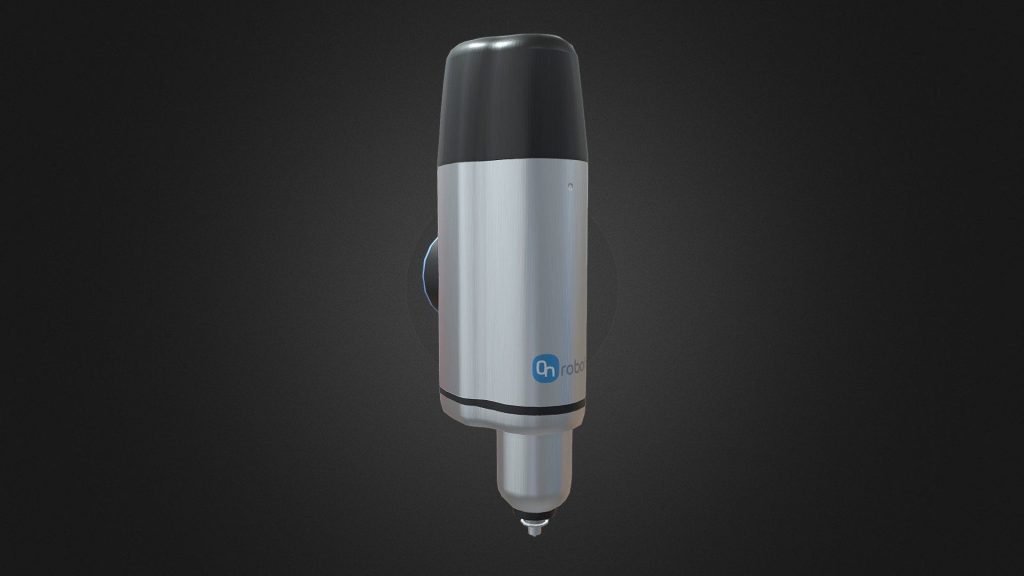
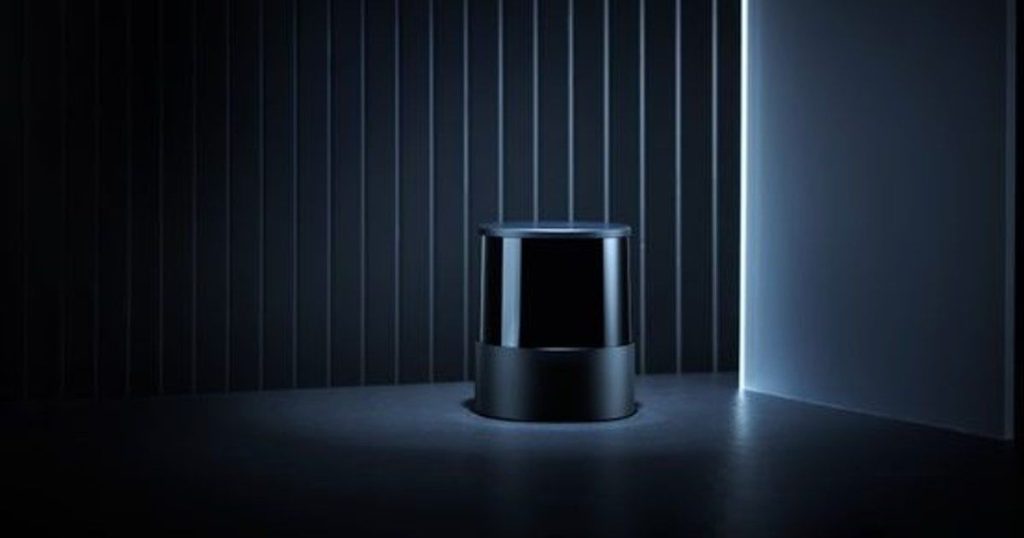
Another Nordbo invention that improves robotic capabilities is the NRS-6 Force/Torque Sensor. Robots can use this sensor to assess the torque and force applied during a task, allowing them to modify their actions appropriately. When it comes to tasks that call for a delicate touch, including assembly, packaging, or handling fragile items, the NRS-6 is very useful.
Businesses may increase precision, lower the chance of product damage, and boost overall process efficiency by incorporating the NRS-6 sensor into their robotic systems. A key element of Nordbo’s larger plan to give robotic automation human-like adaptability is this sensor technology.
5. Technology Mimicry
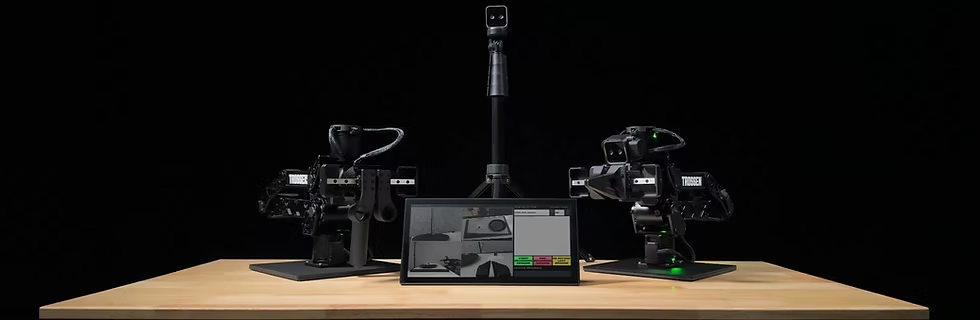
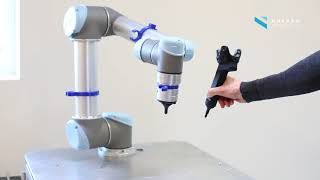
Through the use of cutting-edge software, Nordbo’s Mimic, Technology enables robots to learn intricate jobs by imitating human actions. Users can simply carry out a task manually, and the robot will “learn” by recording and reproducing the actions, as opposed to programming robots using conventional coding techniques. Deploying robots for new activities requires a lot less effort and knowledge thanks to our user-friendly method of robot programming.
Industries like bespoke manufacturing and product prototyping, whose operations are extremely changeable and frequently reprogrammed, benefit greatly from mimic technology. Robots can now learn tasks rapidly and without the need for specialist programming skills thanks to Mimic Technology, which creates new automation opportunities in a variety of industries.
Nordbo Robotics’ Effect on Different Industries
Numerous industries are being significantly impacted by Nordbo Robotics’ cutting-edge technologies, which allow businesses to automate difficult processes, increase productivity, and lower operating expenses. Some of the major sectors where Nordbo’s technology are revolutionizing operations are listed below
1. Manufacturing
The surface finishing and adaptive force control technologies from Nordbo are essential for enhancing the quality and consistency of products in the manufacturing industry. Previously requiring expert human labor, tasks like grinding, polishing, and deburring can now be completed more precisely and consistently by robots.
Manufacturers may boost production speed, decrease labor costs, and minimize human mistake by automating these tasks—all while upholding the high standards of quality needed in competitive markets. Furthermore, Nordbo’s robotic solutions give producers more production flexibility by allowing them to work with a bigger range of materials and product designs.
2. Automotive
Particularly in areas like surface finishing and assembly, the automotive industry industry greatly depends on production accuracy and uniformity. Automakers can automate difficult processes like polishing car bodywork, deburring engine parts, and assembling delicate parts with Nordbo’s tools and sensors.
Automobile manufacturers can save the time and expense of manual work while increasing quality control by utilizing Nordbo’s technologies. Automating delicate activities also lowers the possibility of costly materials and components being damaged, which leads to fewer flaws and less waste.
3. Aerospace
One of the sectors with the highest standards for accuracy and quality is aerospace manufacturing. Aerospace materials like carbon fiber and titanium need to be handled carefully, and surface finishing operations like sanding and polishing need to be completed to precise specifications.
For the aircraft business, where even the smallest flaw can result in catastrophic failure, Nordbo’s robotic solutions are perfect. Aerospace manufacturers may attain the necessary high levels of precision while boosting production efficiency and cutting costs by automating surface finishing processes with adaptive force control and smart tooling.
4. Electronic devices
Robots can handle delicate materials with care thanks to Nordbo’s force control and sensor technologies, which are useful in the electronics industry where components are frequently delicate and prone to harm. It is possible to automate tasks like handling small, complex parts, constructing circuit boards, and packing electronics without running the risk of causing component damage.
Electronics manufacturers may increase sensors, assembly accuracy, decrease the need for manual labor, and more efficiently expand production by utilizing Nordbo’s robots solutions. Automating delicate activities also enables businesses to uphold high levels of quality in settings involving mass manufacturing.
5. Medical Care
Nordbo’s robotics solutions are being used in the healthcare industry to help with jobs that need care and accuracy, like handling sterile materials, preparing drugs, and even performing non-invasive surgical operations. These tasks can be completed by robots utilizing Nordbo’s force sensors and adaptive control technology more accurately and consistently than by humans.
In addition to increasing productivity, robotics in healthcare lowers the possibility of human error, especially in jobs where accuracy is vital for patient safety. By lowering expenses and enhancing patient outcomes, Nordbo’s solutions help healthcare providers provide better care.
Robotic Automation’s Future with Nordbo
In the future, Nordbo Robotics is expected to be a major player in the continuous development of robotic automation. Nordbo’s inventive solutions will become more and more crucial as industries continue to require robotic systems with higher levels of precision, flexibility, and adaptability.
We may anticipate that Nordbo’s robots will become even more independent as artificial intelligence develops further, able to make intricate decisions and instantly adjust to new surroundings. Robots will be able to complete jobs with previously unheard-of levels of accuracy and efficiency thanks to the integration of AI with Nordbo’s hardware solutions, creating new automation opportunities in sectors like manufacturing and healthcare.
Benefit Of Future of Robotic Automation with Nordbo
Precision & Consistency: By minimizing faults and flaws, Nordbo’s solutions guarantee precise, superior performance in challenging jobs.
Productivity Boost: Automating repetitive tasks boosts efficiency and speed, allowing for higher production rates.
Cost Savings: With robots running constantly, labor and rework expenses are decreased, increasing profitability.
Flexibility & Scalability: Provides rapid reprogramming and scalability, making it easily adjustable for various jobs and sectors.
Enhanced Safety: By reducing damage risks and guaranteeing safe operation, advanced sensors and adaptive controls improve workplace safety.
Reduced Labor for Dangerous Tasks: Humans can concentrate on higher-value activities while robots perform physically taxing or dangerous jobs.
Programming that is easy to use: Robots can be taught tasks by demonstration, which makes deployment easier and lowers the learning curve.
Robotic automation has a promising future, and Nordbo Robotics is leading this technological revolution. Nordbo is helping businesses automate difficult operations that were previously believed to require human interaction by creating state-of-the-art tools, sensors, and software that provide robots human-like precision and flexibility.Nordbo’s inventions are increasing productivity, cutting costs, and improving product quality in a variety of industries, including manufacturing, automotive, aerospace, electronics, and healthcare.