


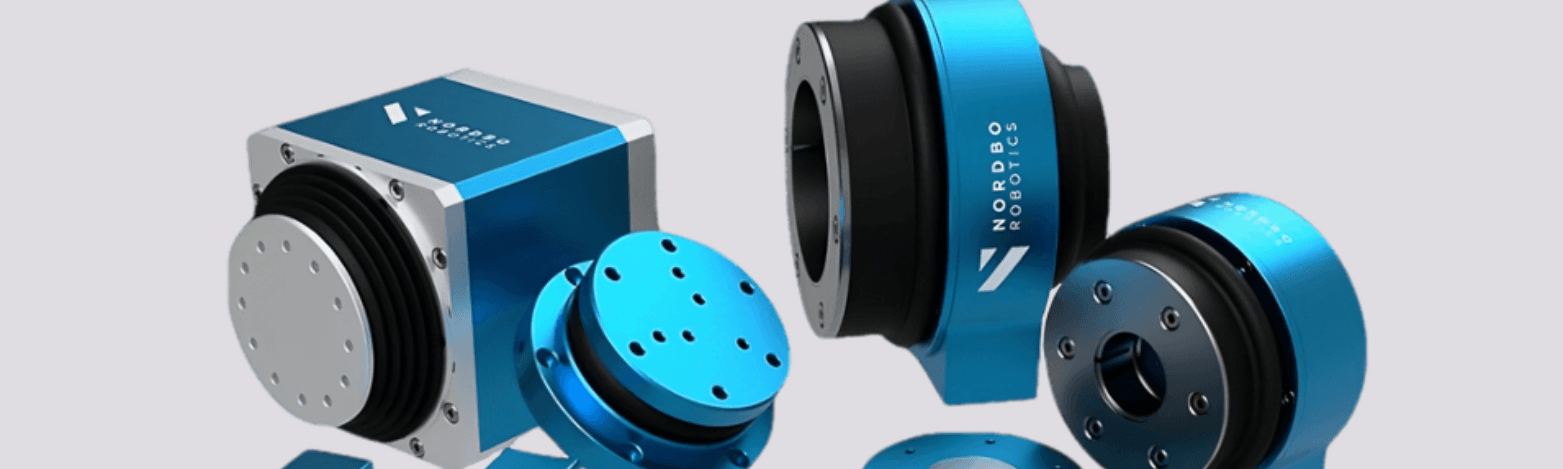
An Overview of Force Torque Sensors from Nordbo
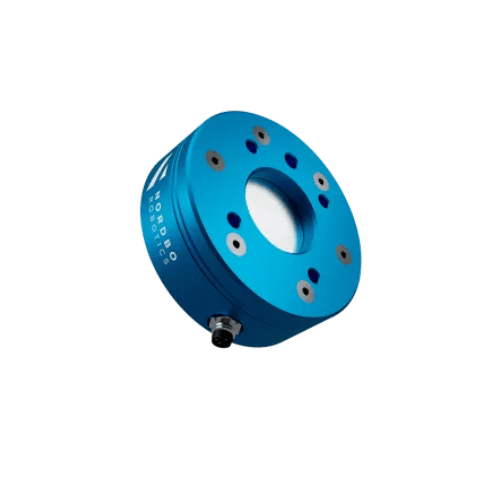
The incredibly sensitive Nordbo Force Torque Sensors measure torque and force along six dimensions. This enables them to detect even the smallest forces in a variety of directions, including rotating forces, side-to-side forces, and up-and-down (Z-axis) forces. The strain-gauge technology used by the sensors provides excellent precision and reproducibility by converting mechanical force into electrical signals that can be read.
The interoperability and adaptability of Nordbo’s sensors make them appropriate for a variety of robotic applications and robot brands. They are perfect for industrial jobs like assembly, surface finishing, and inspection where a human-like feeling of touch and control are essential.
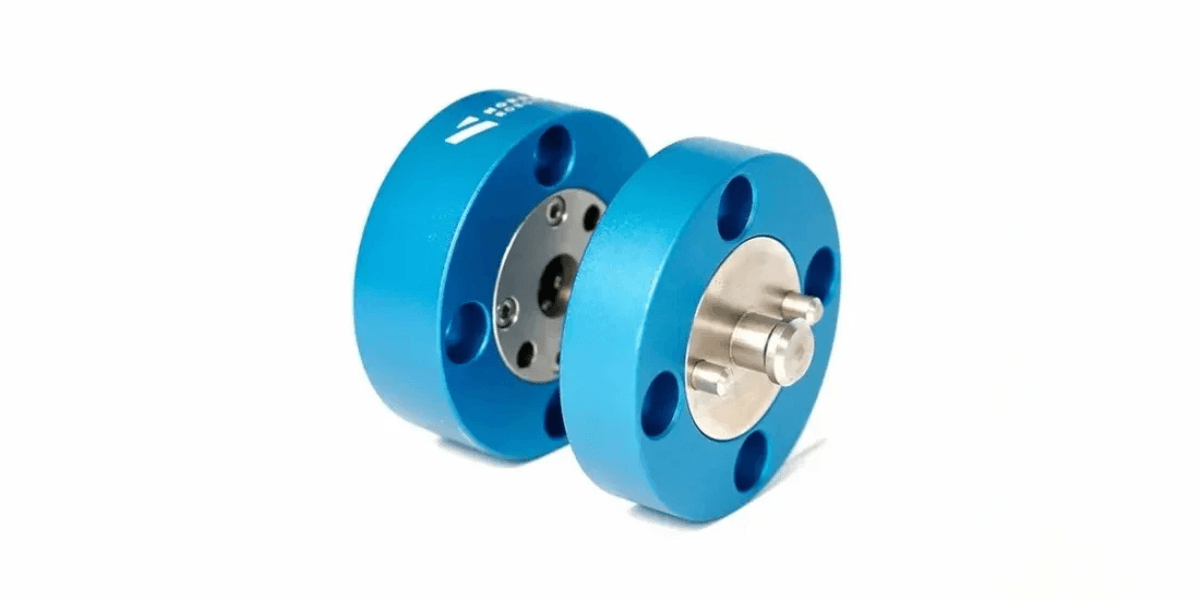
Key Features of Nordbo Force Torque Sensors
Multi-Axis Force and Torque Detection
Six degrees of freedom are used by Nordbo sensors to measure force and torque: three rotating axes (roll, pitch, and yaw) and three translational axes (X, Y, and Z). This feature enables accurate control in high-sensitivity jobs like grinding, polishing, and delicate assembly by enabling robots to perceive complicated forces. For example, the sensor can identify even small misalignments in assembly applications, enabling the robot to move without causing harm to the parts.
High Precision and Sensitivity
Nordbo sensors have a very high sensitivity to changes in force and torque thanks to strain-gauge technology. For applications like surface finishing or quality inspection that call for minute modifications, this degree of accuracy is crucial. By precisely measuring the pressure exerted.
Adaptability to Different Robots
ABB, FANUC, KUKA, Universal Robots, and other industrial robot brands are among those that Nordbo’s Force Torque Sensors are compatible with. Because of its broad compatibility, businesses may use Nordbo sensors on a variety of robotic platforms without having to buy separate sensors for each brand, which makes integration easier and lowers costs.
Software that is easy to use and integrate
The plug-and-play integration of Nordbo sensors reduces setup complexity and time. They have user-friendly software that enables operators to adjust the sensor’s calibration and configuration to meet the unique needs of each operation. A wide range of sectors can use the sensors because of the user-friendly software that makes it possible for operators with no programming experience to build up intricate force control parameters.
Durable Design for Industrial Environments
Nordbo Force Torque Sensors are constructed from high-strength materials to endure harsh industrial settings, guaranteeing longevity. They can function in a variety of settings, such as abrasive and dusty ones, without losing precision or efficiency. Because of their longevity, they are ideal for applications where the sensor may be subjected to vibrations and particles, such as grinding and polishing.
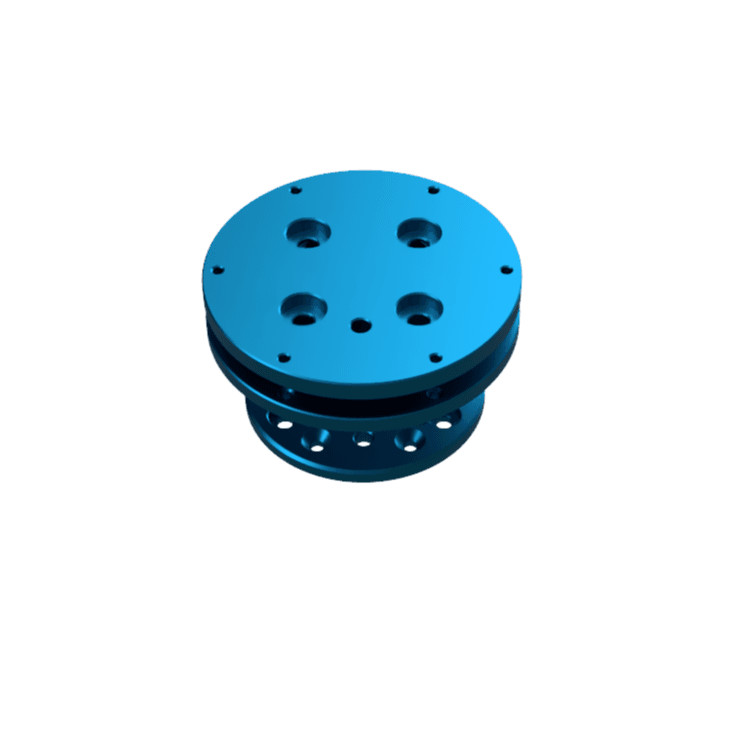
Nordbo Force Torque Sensors are appropriate for a variety of applications due to their accuracy and adaptability. Among the most widely used applications are:
Tasks for Assembly and Insertion
Nordbo sensors allow robots to make real-time positional adjustments during assembly operations that need a high level of precision. For instance, the sensor can identify resistance during part insertion and modify the robot’s motions to guarantee correct alignment. This is especially helpful in the manufacturing of electronics and automobiles, where accurate assembly is essential to product quality and operation.
Surface Finishing (Polishing and Grinding)
Polishing and grinding are examples of surface finishing operations that call for constant pressure and movement. Robots can apply accurate force thanks to Nordbo sensors, which guarantee a smooth, equal finish on all surfaces. These sensors increase finish quality, lower the chance of surface flaws, and prolong the life of polishing tools by limiting excessive wear by regulating the force used.
Inspection and Quality Control
By using controlled force, Nordbo Force Torque Sensors can be utilized in quality control applications to assess the durability of materials or parts. The robot can determine whether the part satisfies quality standards thanks to the sensors’ ability to detect and measure reaction force. This application is useful in industries where strict quality control is necessary for performance and safety , such as aerospace and automotive.
How to Package and Handle Fragile Things
Nordbo sensors are perfect for use in sectors like food, electronics, and pharmaceuticals since they enable robots to handle delicate objects with care. By ensuring that robots apply the proper amount of force to minimize damage, the sensors lower breakage rates and increase handling and packaging efficiency.
Assistance with Welding and Machining
Nordbo Force Torque Sensors offer feedback that enables robots to apply constant pressure along weld seams or during material removal procedures in welding and machining applications. This improves the quality and longevity of manufactured products by guaranteeing consistent welding and precise material shape.
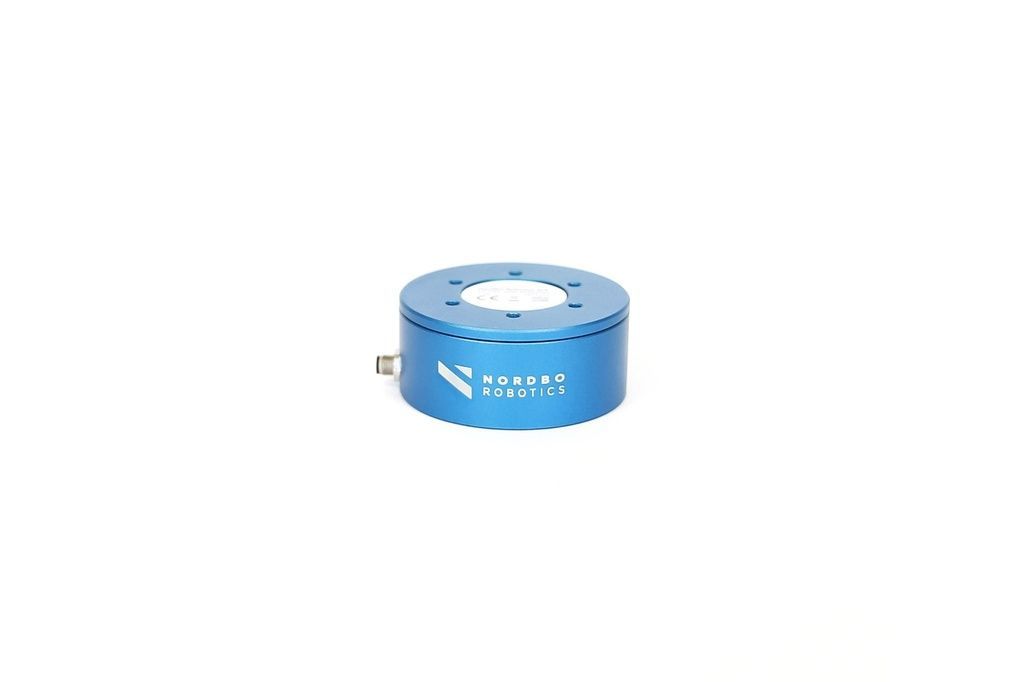
Benefits of Using Nordbo Force Torque Sensors
Improved Quality and Consistency
Nordbo sensors contribute to constant quality throughout manufacturing cycles by empowering robots to apply force precisely. The sensor, for instance, makes sure that the same pressure is given to the entire surface during polishing treatments, producing a consistent finish. For sectors that demand high-quality production with few faults, this repeatability is essential.
decreased of Damage and Downtime
Robots can adjust to sudden resistance or pressure changes thanks to Nordbo sensors’ real-time force feedback. This lowers the possibility of parts or machinery being damaged, particularly while handling or assembling delicate objects. As a result, businesses can decrease equipment damage-related downtime, which improves production efficiency.
Increased Versatility and Flexibility
Nordbo Force Torque Sensors give automation installations more adaptability because they work with a variety of robotic platforms. Without the need for extra hardware, businesses can link these sensors with a variety of robots, enabling flexible automation that can adjust to shifting production demands. For sectors where multi-robot compatibility is important or where production lines change regularly, this adaptability is advantageous.
Cost Savings in Tool Wear and Maintenance
Nordbo sensors lessen tool wear and tear by offering precise force control. For instance, regulating the force in surface finishing reduces excessive friction and extends tool life. Over time, this leads to decreased maintenance and replacement costs, which is especially beneficial in sectors that require a lot of polishing or grinding.
Training & Operation Simplified
Even operators without extensive robotics knowledge can utilize Nordbo sensors thanks to their user-friendly interface and simple software. Scaling automation across several applications is made easier by the sensor’s ease of use, which reduces training times and enables operators to quickly modify the sensor’s settings for diverse activities.
Actual Case Studies
Nordbo Force Torque Sensors have been used by a number of businesses to enhance their production procedures. For example:
Automotive Manufacturers: Nordbo sensors are used by automakers in quality control procedures where robots evaluate the robustness and longevity of auto parts. Robots identify flaws or weaknesses by applying controlled pressure, assisting manufacturers in meeting stringent quality standards.
Aerospace industry: Nordbo sensors have been employed by aerospace industry businesses in assembly processes where accurate part fitting is necessary to assure safe operation. Robots can make precise modifications during part insertion thanks to the sensors, improving assembly accuracy and lowering the need for human involvement.
Metalworking and Fabrication Shops: Nordbo sensors are used in metalworking and fabrication shops for grinding and polishing, where accuracy and equal pressure are necessary. The sensors contribute to a perfect finish, cutting down on rework time and producing consistently high-quality products.
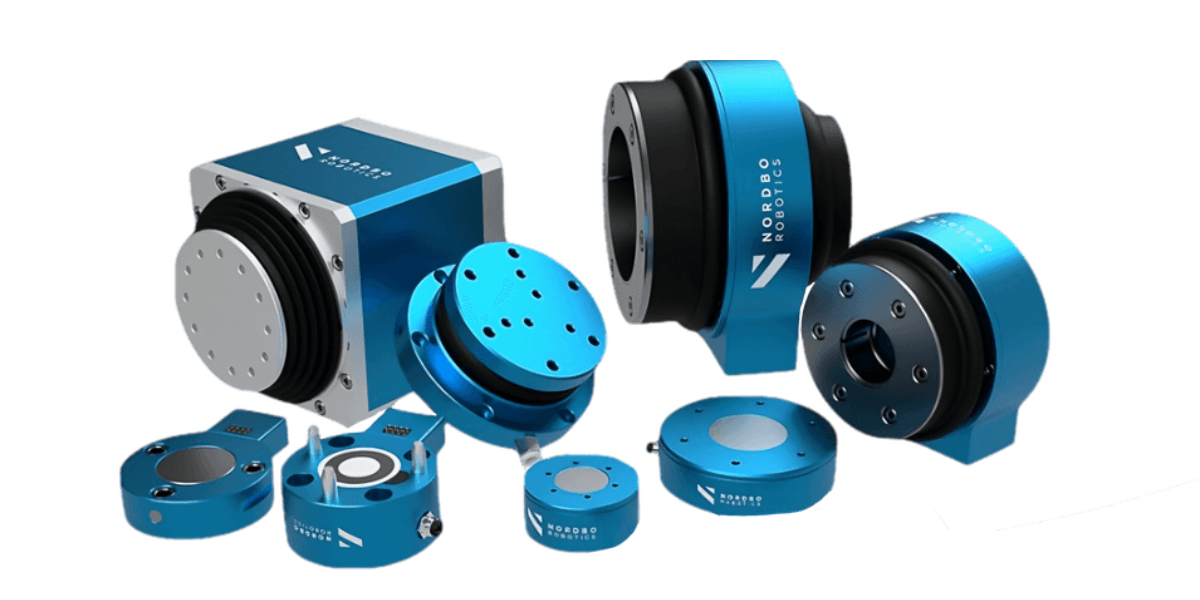
Despite their many benefits, Nordbo Force Torque Sensors may have certain drawbacks
Initial Cost: Businesses with tighter budgets or smaller operations may find high-precision force torque sensors too expensive.
Sensitivity to Calibration: These sensors must be regularly calibrated for best results, especially in high-intensity applications where extra maintenance resources may be needed
Environmental Restrictions: Despite their durability, Nordbo sensors might not be appropriate in very hostile settings, such as those with corrosive chemicals or excessively high or low temperatures.
The price of upkeep and replacement: Force torque sensors contain wear parts that can deteriorate over time, particularly when utilized in abrasive or high-impact applications, even if they can increase production efficiency. It might be expensive to replace or repair these delicate components, especially if the sensor is used frequently.
Restricted Force Range in Denser Uses: Because Nordbo Force Torque Sensors are made with accuracy in mind, they might not be appropriate for jobs requiring the application of extremely high forces or the handling of very heavy payloads. Conventional industrial sensors with greater force thresholds might be better appropriate for applications needing significant force (such as heavy machinery assembly or automotive applications).
In conclusion
Nordbo Force Torque Sensors enable businesses to automate intricate activities that demand a human-like sense of touch by giving industrial robots unmatched precision, flexibility, and control. These sensors give robots the ability to carry out operations with great accuracy and consistency, improving total production quality, from assembly and surface finishing to quality control and handling delicate objects. Despite the potentially high initial cost, Nordbo Force Torque Sensors are a great investment for businesses looking to increase automation and maintain their competitiveness because of the long-term advantages, which include better quality, less tool wear, and increased operational efficiency.












