

The soft, flexible structure of the human hand , on the other hand, allows humans to grab and control a vast array of items. Many engineers and researchers have worked to duplicate similar flexibility and agility in robotic systems. A viable answer to this problem is soft robotics, an area that stresses flexibility and compliance through the use of soft materials and bio-inspired designs.
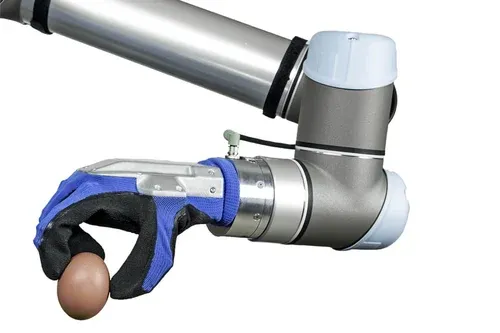
which offers a flexible and effective solution for grasping jobs by fusing sophisticated control systems with the mechanical simplicity of soft robotics.
Engineering and Design: The SoftHand
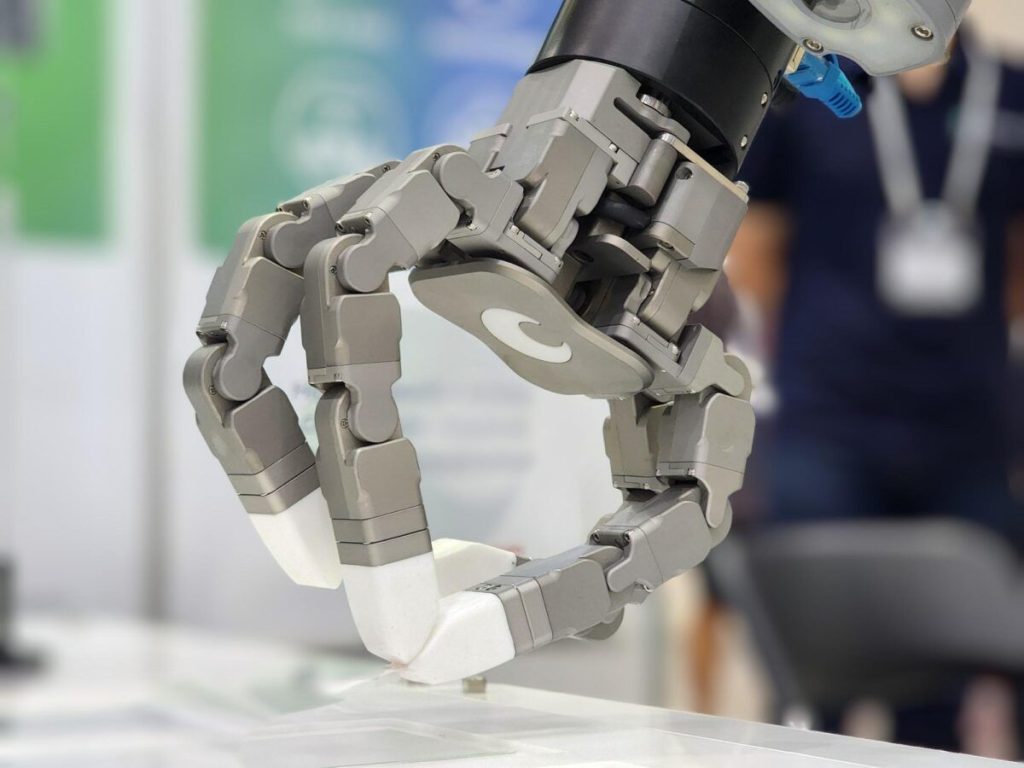
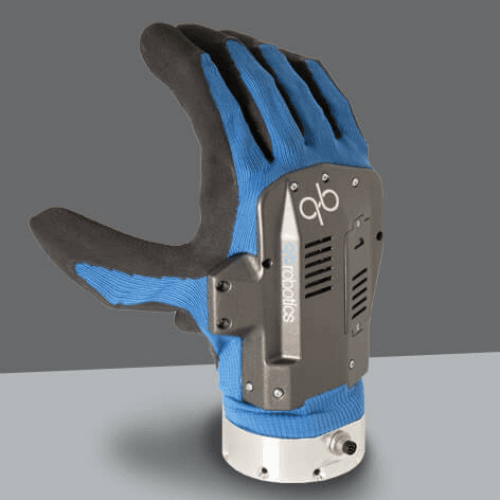
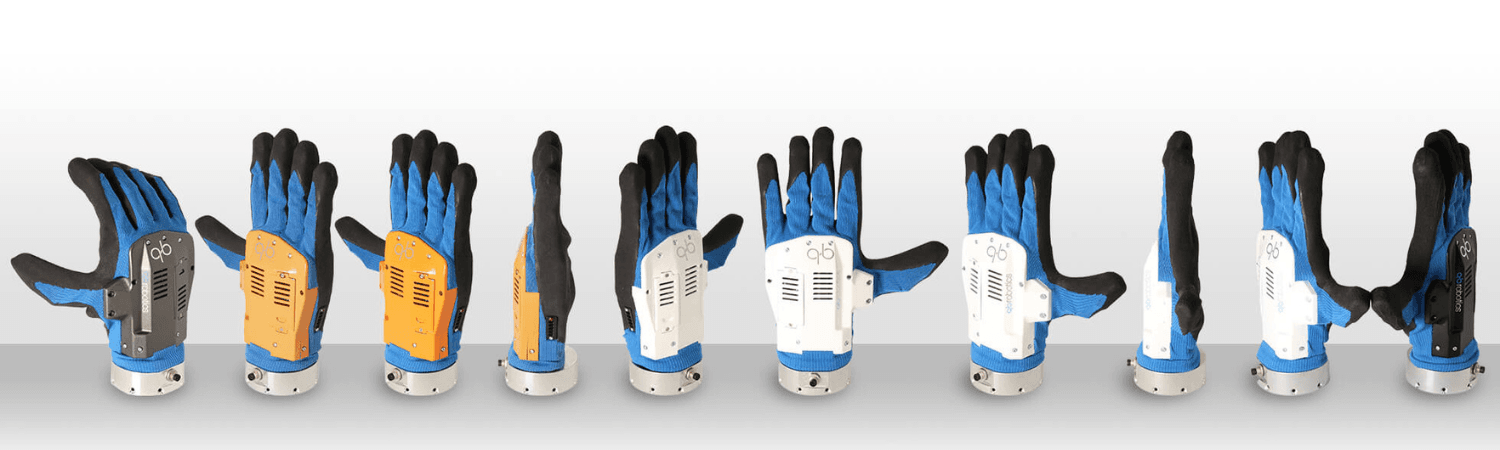
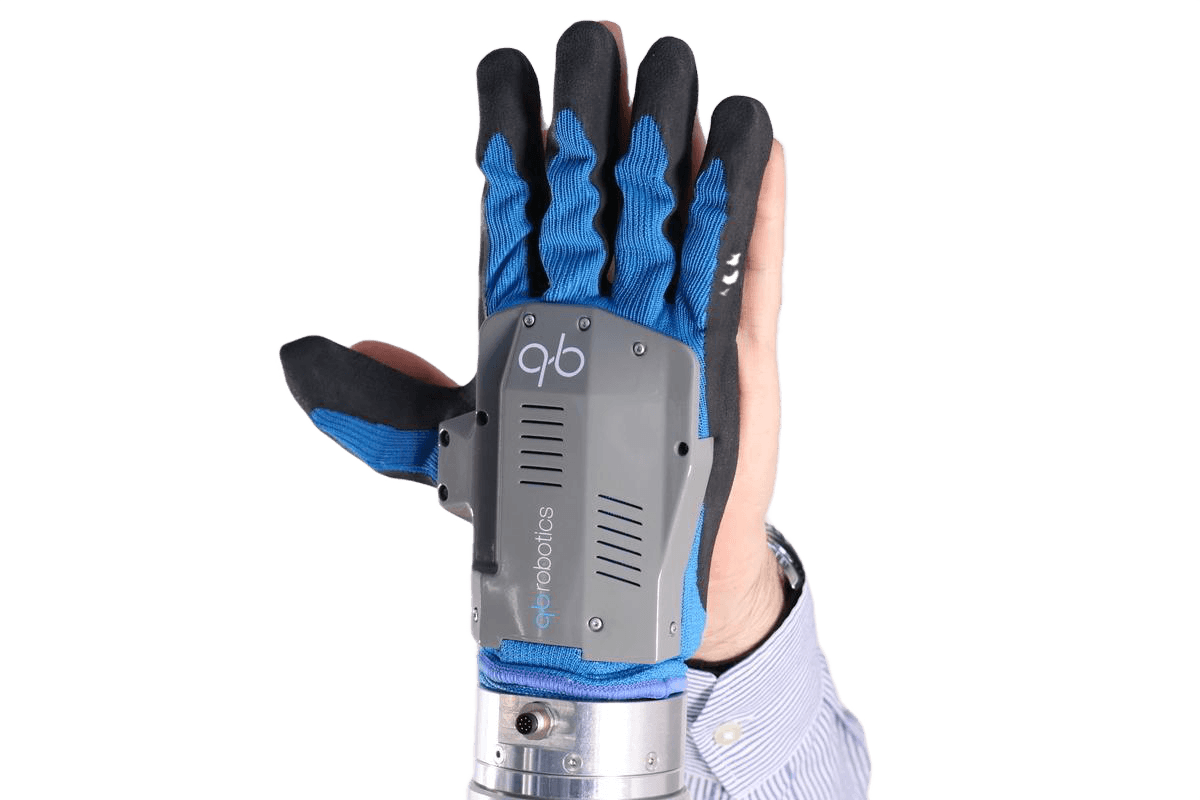
The idea of synergy-driven design lies at the heart of the QB SoftHand Research gripper. Inspired by the natural synergy of the human hand, which involves complicated movements of numerous joints controlled by a few simple variables, the SoftHand is a robotic hand that is both highly adaptive and mechanically simple. It is designed to control multiple degrees of freedom (DOF) with minimum actuators.
Like the human hand, the QB SoftHand Research has 19 degrees of freedom, however it only has one actuator. The fingers may flex and stretch organically thanks to this actuator and a tendon-based construction. The design makes use of underactuation, which states that although each joint is flexible, it cannot be manipulated separately. Rather, a common motor drives the movement, and the hand adapts organically to the shape of the object it comes into contact with
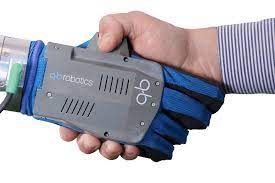
– Compliance: Secure grasps without exact placement are ensured by the gripper’s inherent ability to adjust to different item forms due to its soft and underactuated structure.
– Robustness: The gripper is dependable in practical applications due to the actuator system’s simplicity, which lowers the possibility of mechanical failures.
-Control Simplicity: The SoftHand allows for a high degree of dexterity and adaptability while simplifying the control architecture by lowering the number of actuators.
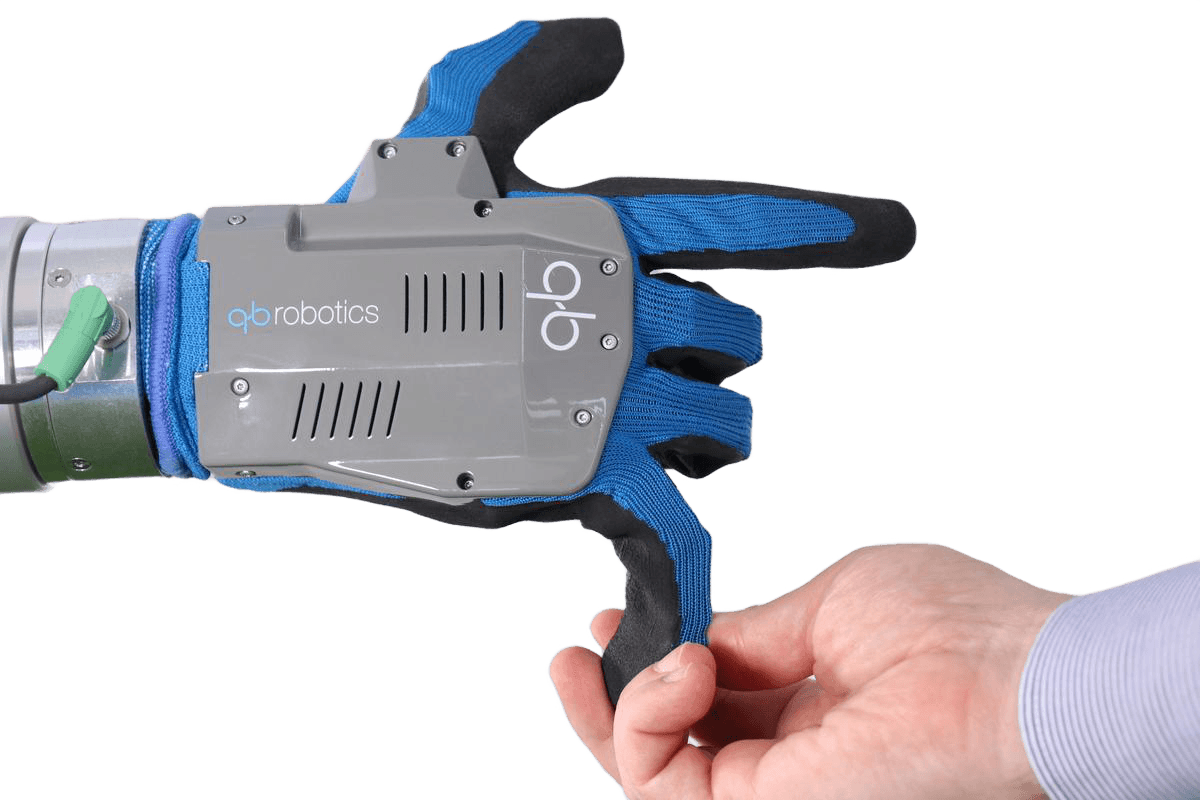
Soft materials that are strong enough to withstand industrial applications while still retaining a high level of suppleness and compliance make up the hand’s body. This enables the SoftHand to handle fragile objects and engage with people in a safe manner without endangering them.
The QB SoftHand Research Gripper’s salient features
With its many functions, the SoftHand Research gripper is an excellent option for researchers wishing to investigate sophisticated robotics manipulation and grasping methods.
– Bio-Inspired Design: gripper’s construction was influenced by the biomechanics of the human hand, which enables performance and dexterity comparable to that of a person. Its capacity to replicate the human hand’s versatility is especially helpful when working with objects of various textures and shapes.
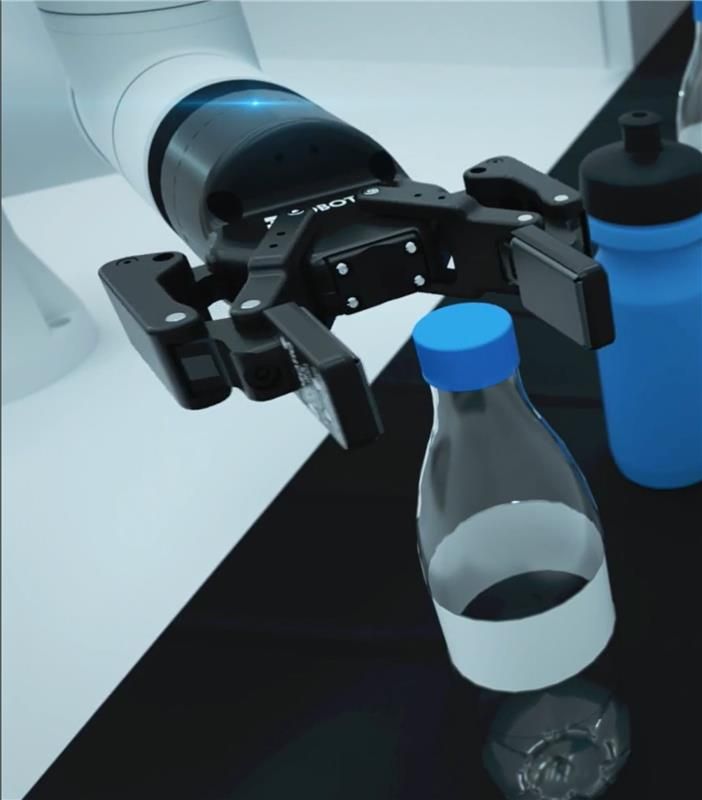
– Underactuation and Adaptive Grasping: The SoftHand’s use of underactuation and adaptive grasping is one of its most important characteristics. Less actuators than the number of degrees of freedom is known as underactuation. Without requiring exact control over every joint, this enables the hand to spontaneously adapt to the contour of the object being grabbed. The hand may safely grasp smooth, delicate glassware as well as rocks with unusual shapes.
– One Actuator for Easier Control: The QB SoftHand Research gripper controls all of its fingers with a single motor. since of the simplified control system, a wide range of research applications can use the hand since it is easier to program and control. The hand’s natural, human-like grasp is made possible by the motor-driven tendon system, which distributes stresses uniformly throughout all fingers.
– Applications of Versatility: Objects of different weights, sizes, and textures can be handled by the SoftHand. The gripper’s soft structure makes it adaptable to a wide range of application domains, from soft, malleable materials like foam to hard, rigid things like metal tools. This versatility distinguishes the SoftHand from conventional robotic hands, whether in industrial environments, medical settings, or research facilities.
– Durability and Robustness: The SoftHand Research gripper is made to endure heavy use, even though it was created with flexibility and compliance in mind. Longevity is guaranteed by its sturdy design, even in conditions that conventional robotic grippers could find difficult.
Developments in Machine Learning and Control
Because of its straightforward design, the QB SoftHand Research gripper is a perfect platform for testing sophisticated control algorithms and machine learning methods. By incorporating sensor feedback, refining grasping techniques, and teaching the robot to learn from its surroundings, researchers have been investigating a number of ways to increase the hand’s capabilities.
For instance, the robot may dynamically modify its grip strength by integrating force sensors into the hand, which provide real-time feedback on the objects it is handling. This is especially helpful when handling fragile products or making sure you have a firm hold on large, slick objects.
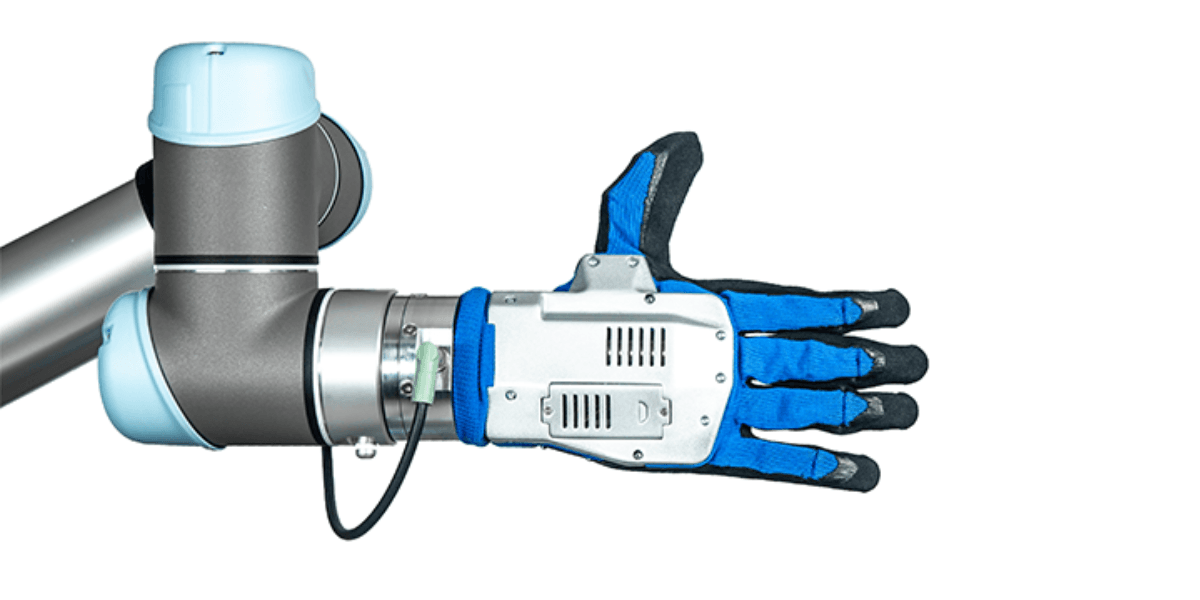
Uses of the QB SoftHand Research Hand Gripper in Various Sectors
The QB SoftHand Research Hand Gripper is a cutting-edge robotic gripper that offers precision and versatility by simulating human hand dexterity. It is appropriate for a variety of industries due to its special qualities. Here are some ways that the QB SoftHand helps various industries:
1. Production and Assembling
The QB SoftHand is perfect for handling a variety of products, including delicate parts and objects with odd shapes.
– Electronics Assembly:Taking hold of delicate components without breaking them.
– Automotive Industry: Selecting and arranging intricate mechanical parts. Managing pliable, soft materials, such as textiles, is known as textile handling.
2. Medical Research and Healthcare The gripper’s human-like motions in the medical field allow:
– Prosthetics Research: Research on prosthetics aims to create robotic hands that closely resemble human dexterity.
– Medical Device Testing: Accurate testing of medical devices involves simulating human hand movements.
– Surgical Robotics: Surgical robotics: Supporting precise, minimally invasive surgeries.
3. The Food and Agriculture Sector
Its versatility is useful when working with sensitive organic materials, such as:
– Harvesting Fruits and Vegetables: Fruits and vegetables should be harvested with as little damage or bruise as possible.
– Food Packaging: Food packaging involves picking up objects with uneven shapes, such as baked goods.
– Dairy Operations: Managing soft goods like cheese and eggs is known as dairy operations.
4. Research and Education
For educational and research objectives, the QB SoftHand provides practical robotics experience:
– AI and robotics: developing and evaluating adaptive grasping algorithms.
– Human-Machine Interaction Studies: Research on Human-Machine Interactions: Examining how people and robotic hands interact.
– Biomechanics Research: Understanding human hand mechanics through movement replication is known as biomechanics research.
5. Storage and Logistics<
Because of its adaptability, the QB SoftHand works well for jobs like:
– Order Picking: Managing a range of weights and shapes in e-commerce warehouses is known as order picking.
– Parcel Sorting: Gripping packages of varying sizes for sorting systems is known as parcel sorting.
– Inventory Handling: Effectively transporting breakable products within storage facilities is known as inventory handling.
The QB SoftHand: Why Choose It?
One notable feature of the QB SoftHand Research Hand Gripper is its:
– Adaptive and cooperative grasping skills.
– movement similar to that of a human for complex jobs.
– versatility in a variety of fields.
The QB SoftHand is revolutionizing what robotic grippers can accomplish, whether it’s improving academic research, revolutionizing assembly lines, or developing prostheses.
Conclusion: An important advancement in robotic manipulation and grabbing is the QB SoftHand Research hand gripper. Its creative design, which draws inspiration from the human hand, combines the finest aspects of classical engineering and soft robotics to provide a tool that is not only dependable and simple to use, but also flexible and versatile.
The SoftHand Research gripper is positioned to be a key player in determining the direction of robotics as the need for more adaptable, human-like robotic systems increases across a range of industries. Whether in academic research, medical robotics, or industrial automation, its capacity to streamline difficult operations while preserving high performance levels