

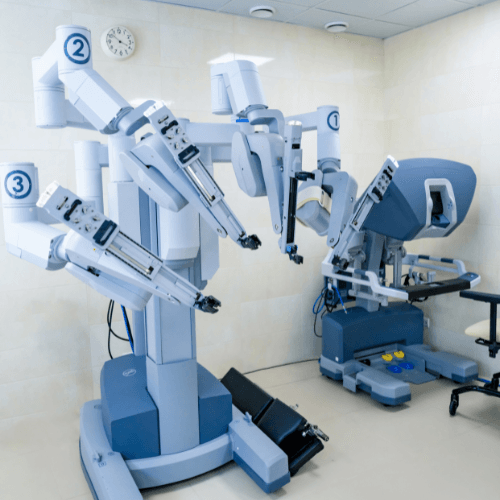
The Development of Healthcare Robotics
1. Initial Stages
In the late 20th century, automated surgical assistants were the main example of how robotics was incorporated into healthcare. The potential of robotics for accuracy and precision in surgical procedures was shown by early robotic systems such as the Probot and PUMA 560.
2. Contemporary Innovations
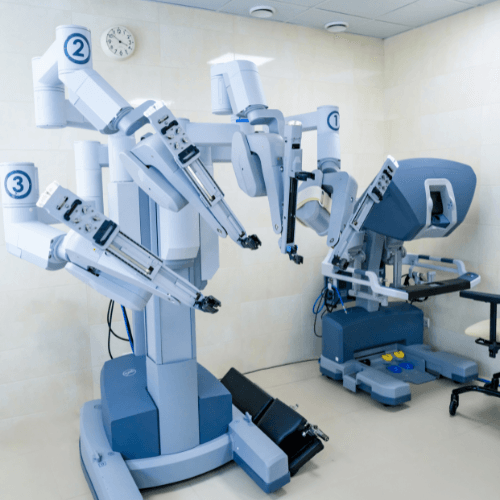
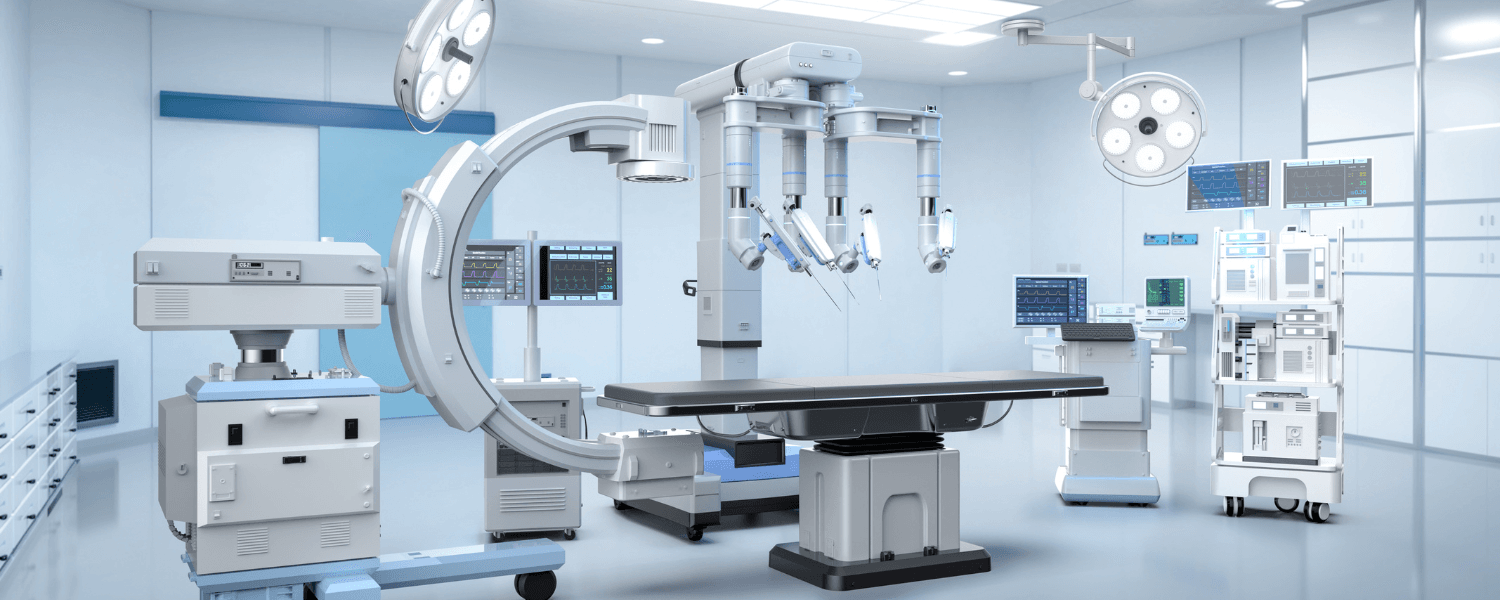
From robotic exoskeletons for rehabilitation to minimally invasive surgical devices like the da Vinci Surgical System, robotics in healthcare today covers a broad range of applications. Robots can now complete complicated jobs with amazing accuracy and efficiency because of developments in artificial intelligence (AI), machine learning, and sensor technology.
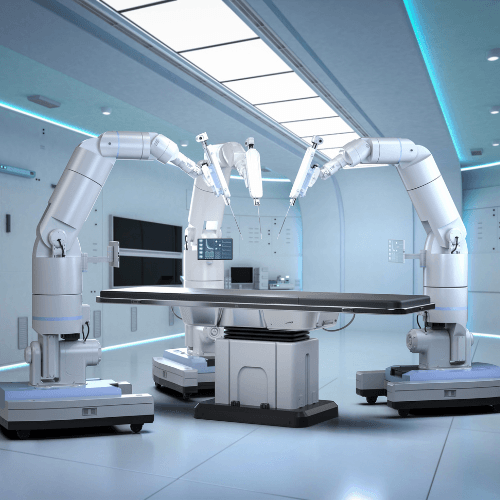
Robotics in Surgery
1. Revolutionizing Minimally Invasive Techniques
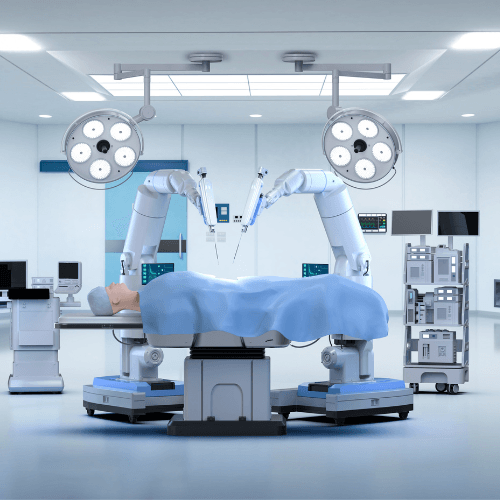
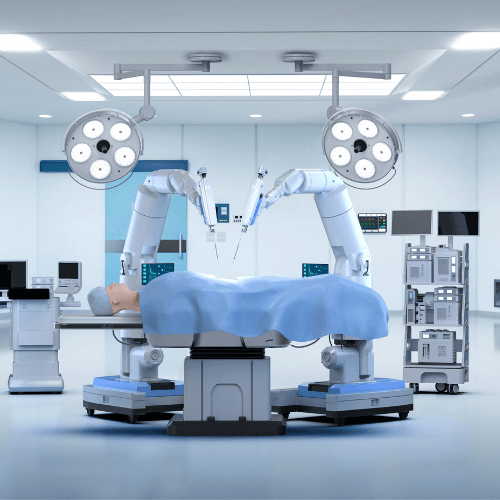
Surgeons can do minimally invasive surgeries with unmatched precision because to robotic surgical devices. These technologies deliver high-definition, three-dimensional pictures of the surgical site using tiny equipment and cameras. Reduced discomfort, smaller incisions, faster recuperation, and fewer complications are among the advantages.
2. Accuracy and Precision
Robotic systems are excellent at jobs that call for a high degree of precision, including suturing or manipulating fragile tissue. They guarantee the best results by removing the limits of human hands, such as tremors.
3. Surgery via Remote
Robotic devices that facilitate remote surgeries are helping telemedicine expand into the surgical field. Advanced care can be delivered to remote or underserved places by surgeons operating robotic instruments from a distance of miles..
4. Notable Examples
– Vinci Surgical System: Widely used for procedures in urology, gynecology, and cardiology.
– Mazor Robotics: Provides accurate guidance during intricate treatments and specializes in spinal surgery.
– Compact and modular The Versius Surgical Robot is intended for a range of laparoscopic procedures.
Robotics in Patient Care
1. Therapy and Rehab
Robots are becoming a vital part of physical therapy. Robotic equipment and exoskeletons help people who have trouble moving about, giving them back their strength and independence. For instance, ReWalk Robotics and Ekso Bionics are at the forefront in the creation of wearable robotic suits for rehabilitation.
2. Senior Care
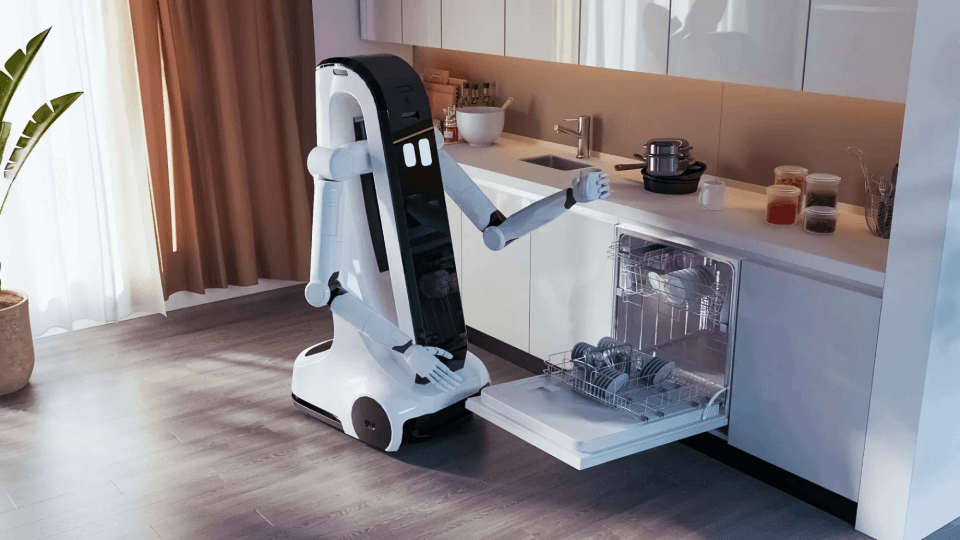
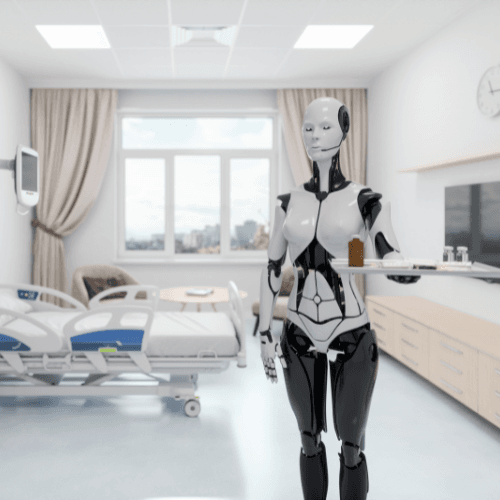
In the field of elder care, robotic caregivers are growing in popularity. These robots offer companionship, vital sign monitoring, and assistance with everyday tasks. One example is the PARO therapy robot, which provides dementia sufferers with emotional support.
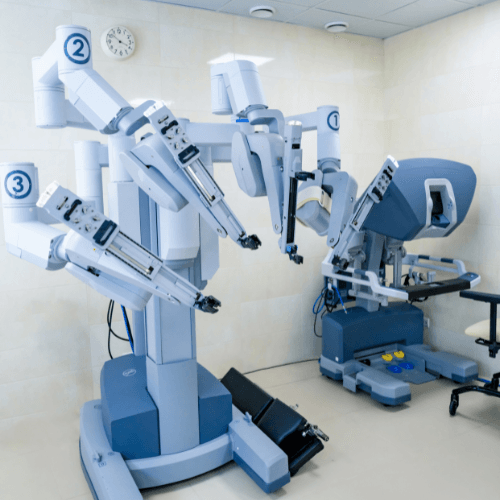
Diagnostic Robotics
1. Improved Imaging and Analysis
Advanced imaging technology-equipped robots are revolutionizing diagnoses. Early identification of diseases like cancer is made possible by robotic systems’ ability to perform high-resolution imaging, such as in robotic endoscopy.
2. Automation in the Lab
Robotic systems are automating repetitive processes in clinical labs, such as the processing of blood samples, which lowers errors and expedites diagnosis. Hamilton Robotics and Frees late are two examples that optimize laboratory processes.
3. Diagnostics Driven by AI
Large volumes of patient data are analyzed by robots with AI algorithms to find trends and forecast diagnoses. This is especially significant in domains such as radiology, where robots with AI capabilities improve the interpretation of medical pictures.
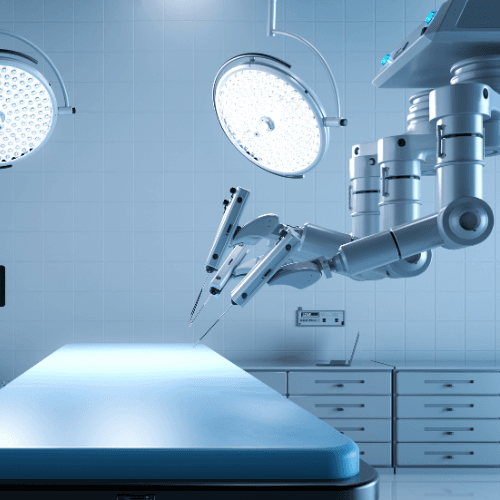
Improving Delivery Precision
1. Systems for Robotic Pharmacy
Medication preparation and dispensing are automated by pharmacy robots, which lowers errors and guarantees precise dosages. Pharmacy processes are being revolutionized by systems such as RoboPharma and ScriptPro.
2. Nanorobots for Therapy Targeting
Micro-robots that can administer medications directly to particular cells or tissues are becoming possible because to nanotechnology. Particularly in cancer treatment, these nanorobots reduce side effects and increase treatment effectiveness.
3. Systems for Automated Infusion
Over time, robotic infusion pumps deliver accurate medication dosages, enhancing the course of treatment for patients in need of long-term care, such as insulin therapy or chemotherapy.
4. Using Robots to Respond to Pandemics
The use of robotics in handling medical emergencies was brought to light by the COVID-19 pandemic. To reduce human exposure to the virus, robots were used for patient interaction, supply delivery, and disinfection.
Robots for Disinfection
Self-governing robots such as UV disinfection Hospitals employed robots to clean equipment and rooms, preventing the spread of infection.
1. Robots with Telepresence
Doctors were able to remotely monitor and discuss with patients thanks to robots that had cameras and screens, guaranteeing patient safety and continuity of care.
2. Support for Vaccinations
To help with large immunization campaigns, robotic arms have been created, guaranteeing accuracy and speed.
Advantages of Robotics in Healthcare
1. Better Results for Patients
Because of their accuracy and dependability, robots help patients have better surgical outcomes, recover more quickly, and live better lives.
2. Improved Productivity
Healthcare practitioners can concentrate on complicated decision-making and patient engagement by using robots to automate repetitive activities.
3. Economy of Cost
Despite the high initial cost, robotic systems have some long-term advantages, such as lower labor expenses, shorter hospital stays, and less problems.
4. The ability to access
Robotics fills gaps in healthcare delivery by providing high-quality care in underprivileged or remote places.
5. Improved Security
In situations like managing contagious diseases or performing risky surgeries, robots lessen the hazards that humans face.
Robotic Healthcare Integration Challenges
1. Expensive
Accessibility for smaller healthcare facilities is limited by the substantial financial commitment required for the development, acquisition, and upkeep of sophisticated robotic systems.
2. The Learning Curve
Effective use of robotic systems requires specific training for healthcare workers, which can be costly in terms of both time and resources.
3. Concerns about Ethics
Robots in healthcare bring up moral concerns around autonomy, data privacy, and the depersonalization of treatment. Achieving equilibrium between technology and human interaction is essential.
4. Restrictions on Technology
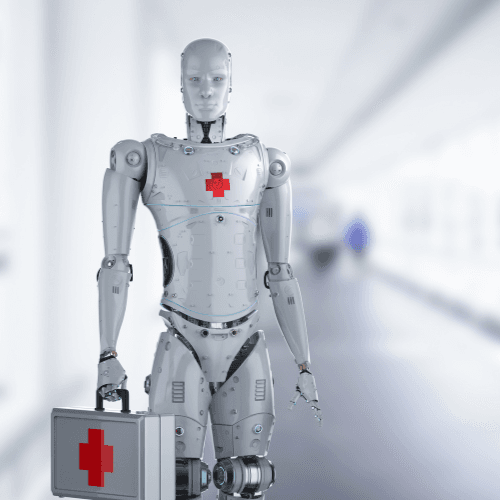
Even with their improvements, robots are not perfect. In situations involving essential healthcare, technical issues or system mistakes might have major repercussions.
5. The Opposition to Adoption
Fearing job loss or subpar care, some patients and healthcare personnel may be hesitant to trust robots.
The Prospects of Healthcare Robotics
1. AI-Powered Robots
Advanced AI will fuel future robots, allowing them to learn, adapt, and carry out ever-more-complex jobs. Additionally, AI will improve their ability to make decisions, which will make them invaluable in therapy and diagnosis.
2. Cooperation between humans and robots
Smooth human-robot collaboration, in which robots support experts without taking their place, is the way of the future in healthcare. This collaboration will enhance patient care and optimize efficiency.
3. Increased Usability
Robotics will keep developing in fields like mental health, where individuals suffering from anxiety or despair can find companionship and support from therapeutic robots.
4. Reasonably Priced Options
It is anticipated that robotic systems will become more affordable as technology develops, opening them up to more healthcare professionals globally.
5. Self-governing Robots
The idea of providing care may soon be revolutionized by fully autonomous robots that can operate on patients or provide individualized treatment without the need for human participation.
Robotics in Education and Training
1. Training through Simulation
Medical practitioners and students can practice in realistic settings thanks to robots and simulators. Trainees can practice procedures and decision-making in a risk-free environment with the help of systems like SimMan.
2. Evaluation of Skills
To ensure high proficiency levels in crucial procedures, healthcare workers’ skills are objectively evaluated using robotic platforms.
3. Continuous Education
Given how quickly healthcare is changing, AI-enabled robots can educate professionals on a constant basis, keeping them abreast of the newest methods, policies, and advancements.
Robotics in Emergency and Disaster Response
1. Search and Rescue Operations
In hazardous situations when human engagement poses a risk, robots with sensors and cameras help locate and rescue victims in disaster areas.
2. Mobile Triage Units
Triage units that are mobile in crisis regions, robotic devices can set up makeshift medical facilities, doing initial evaluations and stabilizing patients until human caregivers can get there.
3. Portable Diagnostics
that are portable in an emergency, autonomous robots with diagnostic skills can be used to spot illnesses like infections or trauma and provide prompt medical attention.
The delivery of medical services has undergone a sea change with the introduction of robotics. Robots are emerging as essential medical allies, capable of anything from life-saving surgery to empathetic patient care. Even while there are still obstacles to overcome, the advantages greatly exceed the disadvantages, indicating that healthcare will soon be more effective, efficient, and accessible than it has ever been. The goal of the robotic revolution in healthcare is to enhance human experts’ talents rather than replace them. We can develop a healthcare system that satisfies the demands of a world population that is constantly expanding while upholding humanity at its core by embracing this technology in a responsible and moral manner. Robotic healthcare is the way of the future.