


The Rise of Cobots in Automation
Cobots’ affordability, versatility, and ease of use have made them quite popular in recent years. These robots can now carry out complex activities that were previously thought to be beyond the capabilities of conventional automation systems because they are outfitted with sophisticated sensors , machine vision, and artificial intelligence (AI). Cobots have become more and more popular in industries including electronics, healthcare, automotive, and aerospace to meet their demands for accuracy and consistency.
Cobots, in contrast to its conventional counterparts, are made to be flexible, lightweight, and safe to use in human environments. Because of this special mix, they are perfect for jobs requiring a high level of dexterity and attention to precision, such material handling, assembly, and inspection.
Leading Cobot Brands in Precision Operations
1. Universal Robots (UR)
Offering flexible and simple-to-programme cobots, Universal Robots is a global leader in collaborative robots. UR cobots are extensively utilized in a variety of sectors, such as electronics, healthcare, and automotive, and are renowned for their accuracy and adaptability. They perform jobs including assembly, inspection, and packing.
A range of cobots developed for accuracy and adaptability are available from Universal Robots:
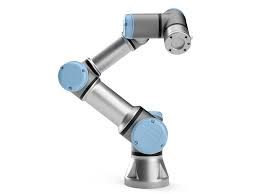
UR10e : A bigger cobot made for jobs demanding longer reach and heavier payloads; frequently used for assembly and inspection in the electronics and automotive sectors.
2. ABB Robotics
The precise and adaptable collaborative robots from ABB blend in perfectly with factory settings. Their cobots provide sophisticated capabilities for jobs requiring exacting precision, such assembly, testing, and inspection, and are employed in a range of industries, including healthcare, electronics, and the automotive industry.
Collaborative robots from ABB are renowned for their accuracy and versatility:
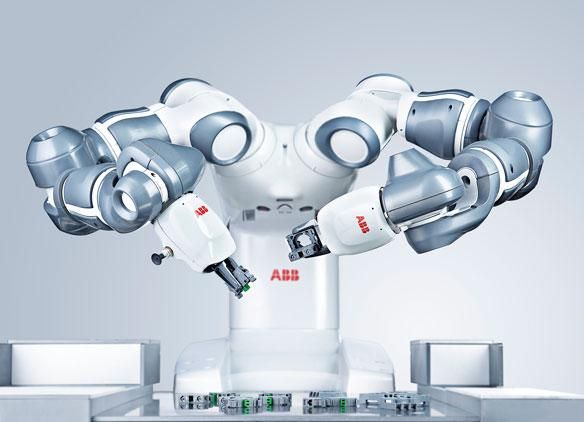
IRB 6700: A heavy-duty, multipurpose cobot with a big working envelope and excellent precision, perfect for welding, painting, and assembly jobs in the automobile industry.
3. Dobot
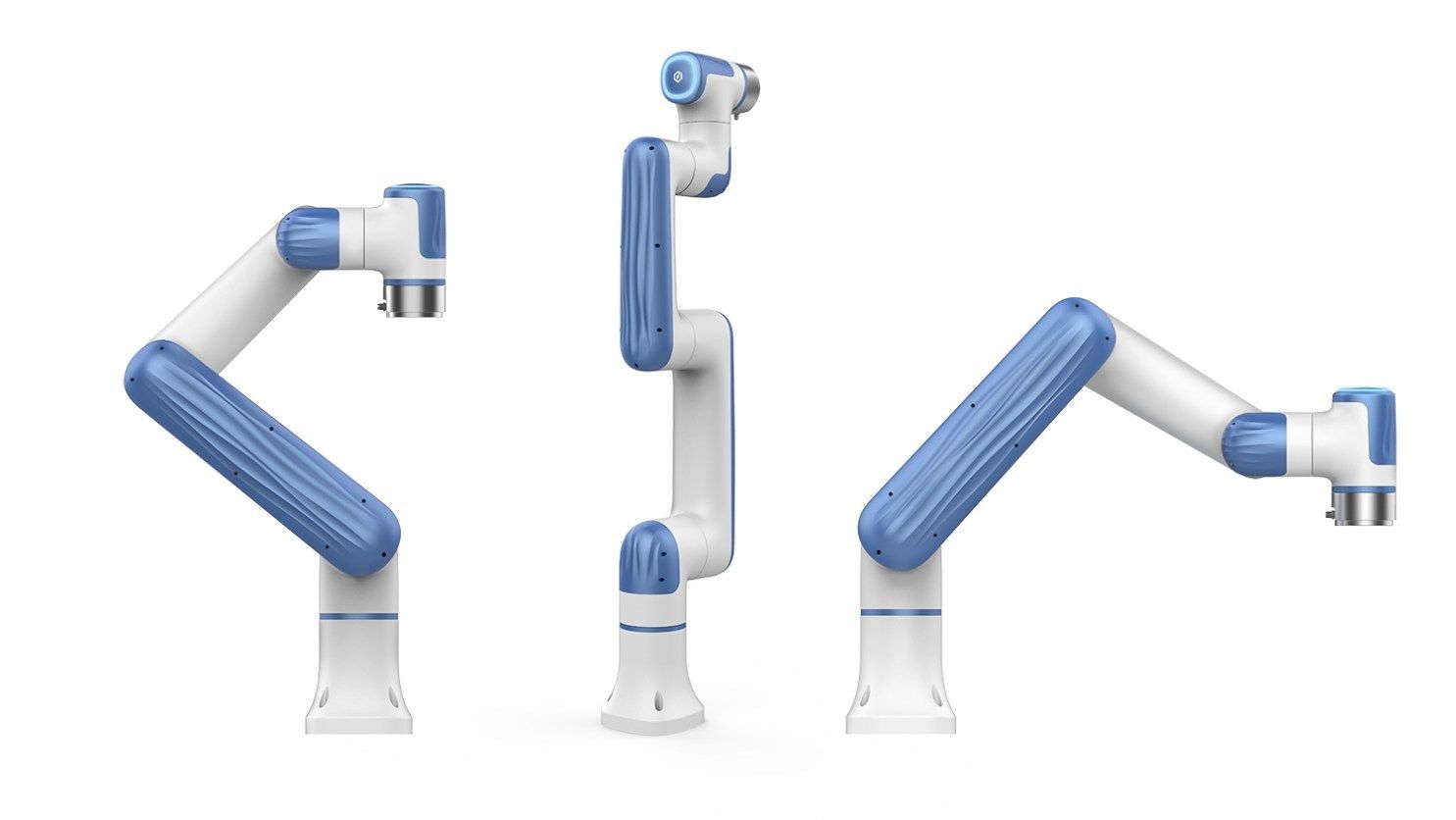
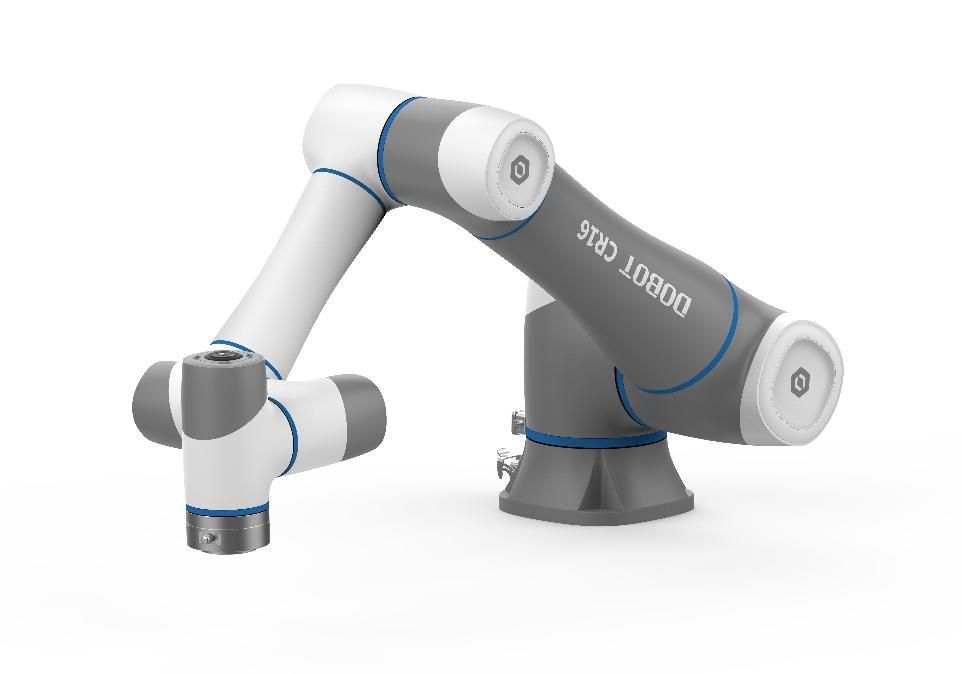
Dobot is renowned for producing extremely accurate and reasonably priced cobots that are perfect for small-scale precision operations. In fields like electronics, education, and research and development, where accuracy is crucial for jobs like assembly, pick-and-place work, and 3D printing, their cobots are widely utilized.
Dobot offers high-precision, reasonably priced cobots for a range of uses:
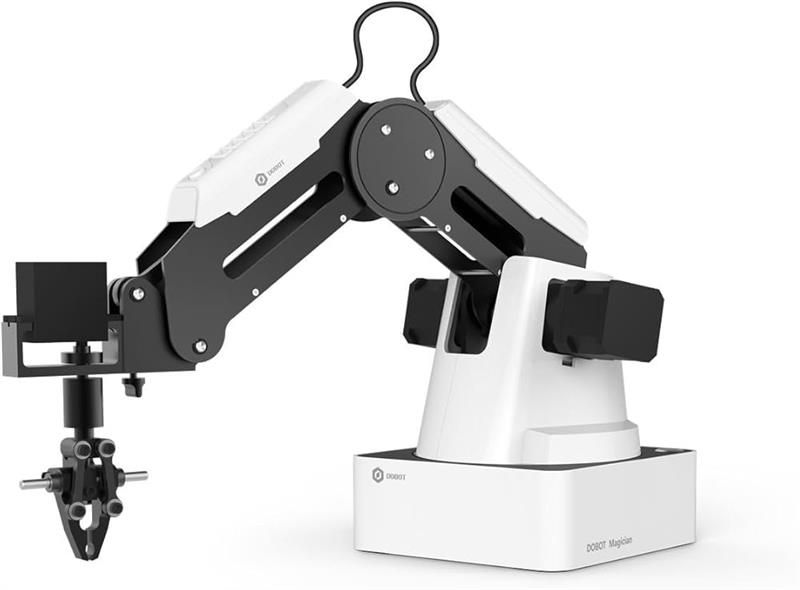
Dobot Magician: Dobot Magician is a small, multipurpose cobot that may be used for pick-and-place work, 3D printing, and educational purposes.
4. Elite Robotics
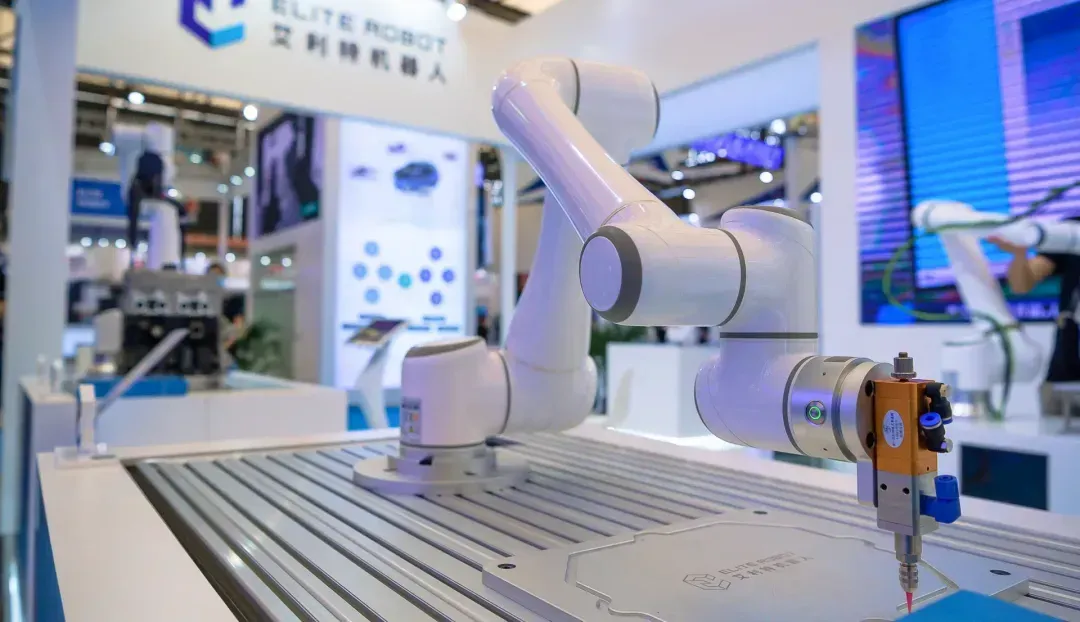
High precision cobots made for intricate assembly and testing activities are Elite Robotics ‘ specialty. These cobots are regarded for their ability to collaborate with people in a smooth manner while delivering reliable, high-quality performance, which makes them useful in sectors like electronics and automotive where precision is crucial.
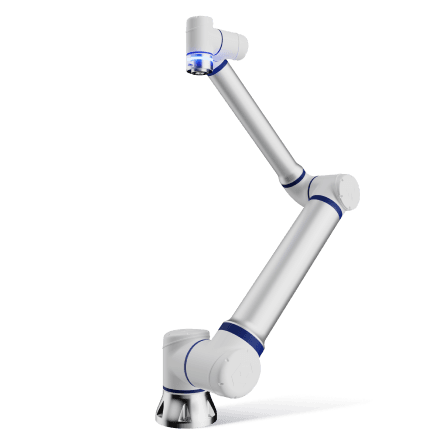
CS 620 : A strong, cooperative robot made for industrial automation jobs is the CS 620. It is perfect for high-precision assembly, packing, and material handling jobs because of its 20 kg payload capacity and 1700mm reach. Because of its adaptability and flexibility, the CS 620 enables companies to easily automate complicated processes while upholding safety regulations for cooperative settings.
EC 616: The EC 616 is a small, nimble cobot with a 1600mm reach and a 6 kilogram payload capacity. It performs exceptionally well in smaller-scale jobs like machine tending, assembly, and inspection, offering exceptional precision and adaptability in hectic settings. For sectors that need quick automation solutions without sacrificing accuracy, the EC 616 is ideal.
5. Fairino Robotics
presents the FR Series, a range of cutting-edge robotic products intended to revolutionize industrial automation’s accuracy and efficiency. The FR3 and FR10, two flagship items in the series, are designed to satisfy a variety of operating requirements.

FR10: Is a powerful cobot made to do demanding jobs accurately and effectively. It was designed for harsh conditions
Important Cobot Features for Accurate Operations
1. Superior Accuracy Sensors
Because of their sophisticated sensors, cobots are able to recognize even the smallest changes in position, force, and pressure. This guarantees that they can complete jobs with remarkable precision. Because of these features, cobots are essential for tasks like assembling microelectronics, assisting in surgery, and inspecting the quality of tiny parts.
2. Integration of Machine Vision
With the help of machine vision technology, cobots can “see” and comprehend their environment. This enables them to precisely locate and lift items, carry out in-depth examinations, and precisely position parts during assembly procedures. Their efficacy in activities demanding visual recognition and precision is increased by such talents.
3. AI and Machine Learning
Cobots use artificial intelligence to effectively learn and adjust to new jobs. Cobots can work in unison with human operators, handle job changes without requiring a lot of retraining, and improve their performance over time thanks to machine learning algorithms. This flexibility guarantees that cobots will continue to be useful in changing work settings
4. Programming Simplicity
Because of their user-friendly interfaces and drag-and-drop programming tools, cobots are much easier to program than traditional robots. Cobots for precise jobs may be swiftly set up and operated by staff members without technological skills, lowering the learning curve and improving accessibility.
5. Features for Safety
Safety features including force and speed limits are incorporated into the design of Cobots. These characteristics reduce the possibility of mishaps even during intricate processes, enabling them to work securely alongside people. A cooperative and effective work environment is guaranteed by this safety.
Applications of Cobots in Precision Operations
1. Manufacturing of Electronics
Cobots are used to assemble fragile components like circuit boards and microchips, guaranteeing accuracy at every stage in the electronics sector where precision is essential. They are also excellent at employing high-resolution cameras to check completed items for flaws and soldering small connections with reliable quality.
2. Medical Equipment and Healthcare
Because they provide both accuracy and sterility during minimally invasive procedures, cobots are essential to the healthcare industry. To guarantee patient safety, they also prepare and administer medication in precise amounts and assemble medical equipment like stents and catheters.
3. Automobile Sector
Cobots are used in the automobile industry for jobs like completing complex welding and assembling procedures. They also help with prototype creation and testing, increasing speed and accuracy, and are used to check components for flaws using laser-based devices.
4. The Aerospace Sector
Cobots help drill and secure components with micrometer precision, which is crucial in the aircraft industry. To ensure faultless performance in crucial applications, they also assist in the structural integrity inspection of aircraft parts and assist in the assembly of intricate systems like engines.
5. Watchmaking and Jewelry
Cobots have established themselves in the luxury goods sector, where they are used to polish and assemble complex jewelry items, carry out laser-precision precise engraving, and assemble watch movements with remarkable accuracy, all of which match the industry’s exacting requirements.
Advantages of Complex Tasks with Cobots
1. Enhanced Precision and Reliability
Cobots provide exceptional accuracy in monotonous activities, guaranteeing reliable outcomes and minimizing mistakes. In sectors like electronics and healthcare, where little errors can have serious repercussions, this is essential.
2. Enhanced Efficiency
Through the automation of intricate and time-consuming operations, cobots allow human workers to concentrate on more valuable duties. Overall productivity and operational efficiency are raised by this partnership.
3. Cost-Effectiveness
Compared to typical robots, cobots are less expensive to buy and maintain. Additionally, they lessen the requirement for specialist equipment, which lowers operating expenses even more.
4. Adaptability and Flexibility
Cobots are perfect for companies with fluctuating production demands since they can be swiftly reprogrammed for various jobs. Because of this flexibility, businesses may react to changes in the market without experiencing prolonged downtime.
5. Increased Security
Cobots that are outfitted with safety measures may operate alongside people, reducing workplace accidents and promoting a safer, more cooperative work environment.
Challenges and Solutions in Cobot Implementation
1. Integration with Existing Systems
It might be difficult to integrate cobots into existing production processes. Nonetheless, a lot of contemporary cobots are made to integrate easily with current systems, sometimes with manufacturer assistance.
2. Skill Gap
It’s possible that operators lack the technological know-how necessary to program and maintain cobots. Businesses could deploy cobots with intuitive interfaces that streamline operations and fund training initiatives to solve this.
3. The initial outlay of funds
Even though cobots are often less expensive than regular robots, small firms may still find the initial investment prohibitive. This cost can be partially mitigated by government automation subsidies and leasing alternatives.
4. Complexity of the Task
Cobots may be pushed to their limits by certain tasks. These restrictions can be addressed by working with cobot manufacturers to develop tailored solutions.
The Future of Cobots in Precision Operations
1. Developments in Machine Learning and AI
Cobots with AI will get more intelligent and independent, requiring less human involvement in operation and programming.
2. Improved Human-Robot Collaboration
Cobots of the future will include sophisticated interaction and communication features that will make them easier to use and more intuitive in a variety of contexts.
3. Integration with IoT and Big Data
To improve their efficiency and offer insights for ongoing process improvement, cobots will progressively integrate big data and the Internet of Things.
4. Energy Efficiency and Sustainability
Future cobots will be made to use less energy and encourage environmentally beneficial production methods as sustainability gains traction, helping to create a more environmentally friendly sector.
In conclusion
Cobots, which provide unmatched accuracy, efficiency, and adaptability, have transformed precision processes in a variety of sectors. They enable firms to increase productivity, cut expenses, and uphold high standards of quality by making complicated activities simpler. Cobots will become increasingly important in influencing automation in the future, spurring creativity, and facilitating unprecedented human-robot cooperation as technology advances. Investing in cobots is now a must for companies trying to maintain their competitiveness.












