


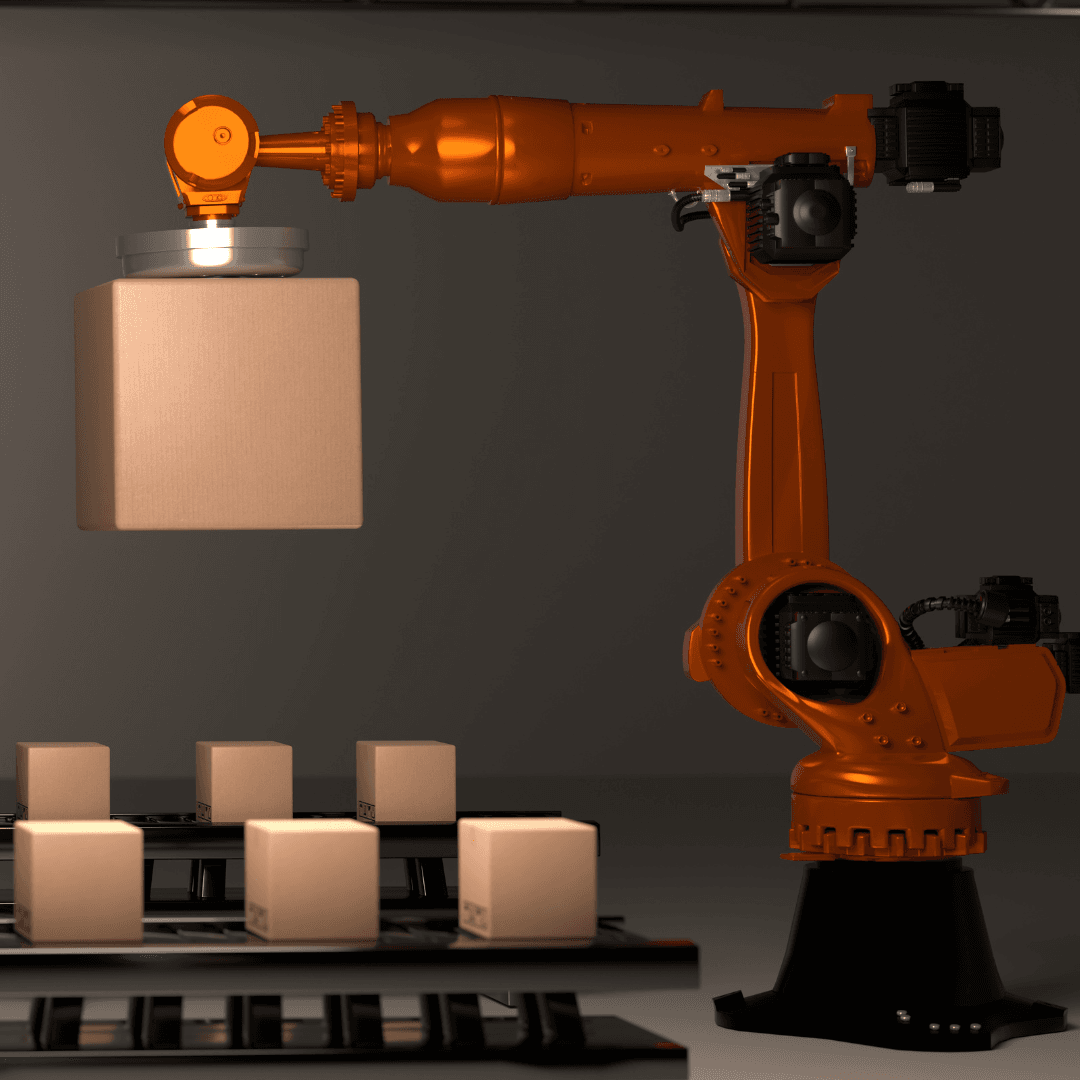
This blog will discuss the emergence of cyber-physical systems in manufacturing , the effects of automation on industrial workers, and how artificial intelligence is changing factories. The advantages and difficulties of automation powered by AI and digital transformation in manufacturing will also be covered.
Understanding Industry 4.0 and Smart Factories
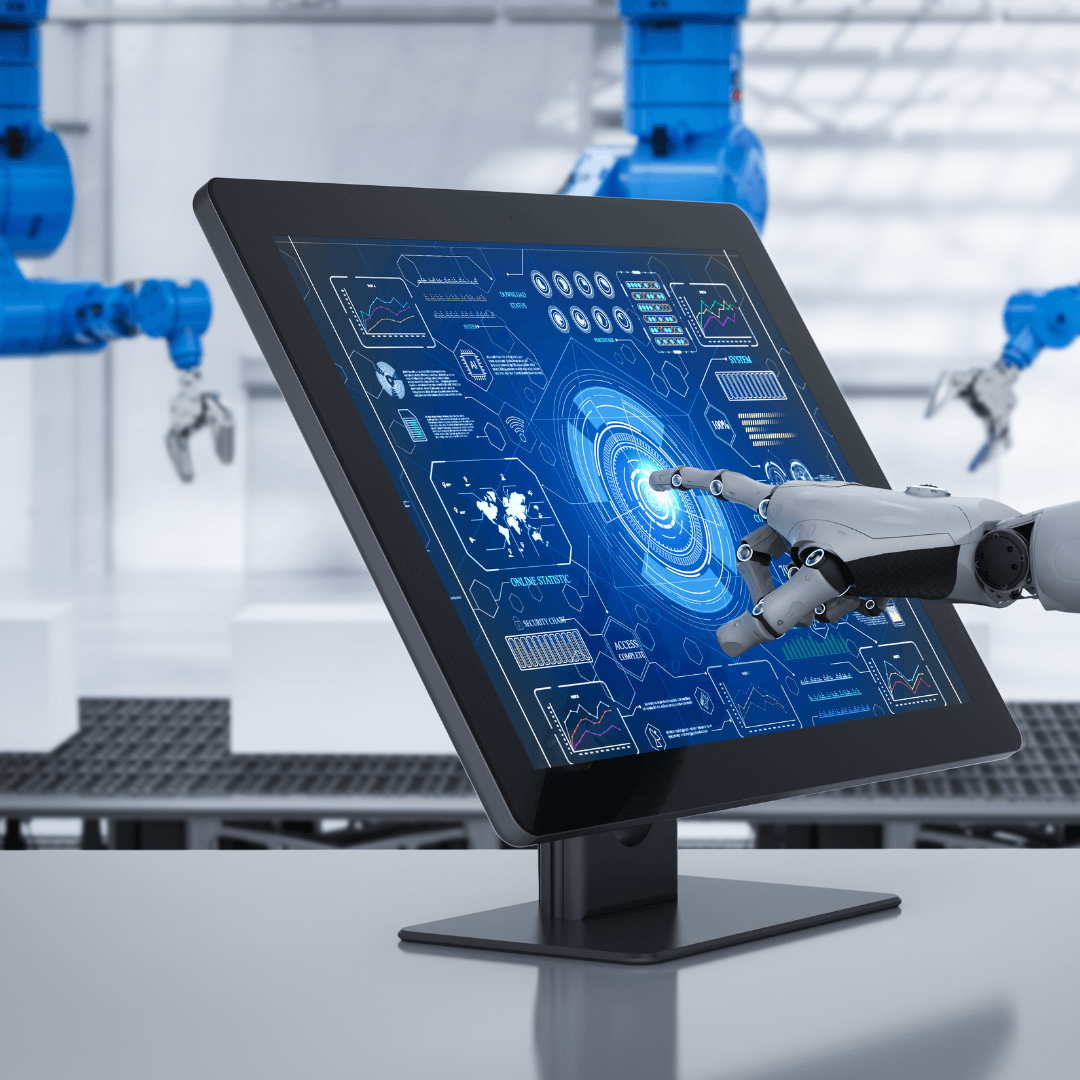
Industry 4.0 is the term used to describe the incorporation of robotics, big data, IoT, and artificial intelligence (AI) into the production process. These technologies are used in a smart factory to maximize output, reduce waste, and guarantee in-the-moment decision-making.
Key Features of Smart Factories
Smart factories use cutting-edge technologies to increase production automation, productivity, and efficiency.
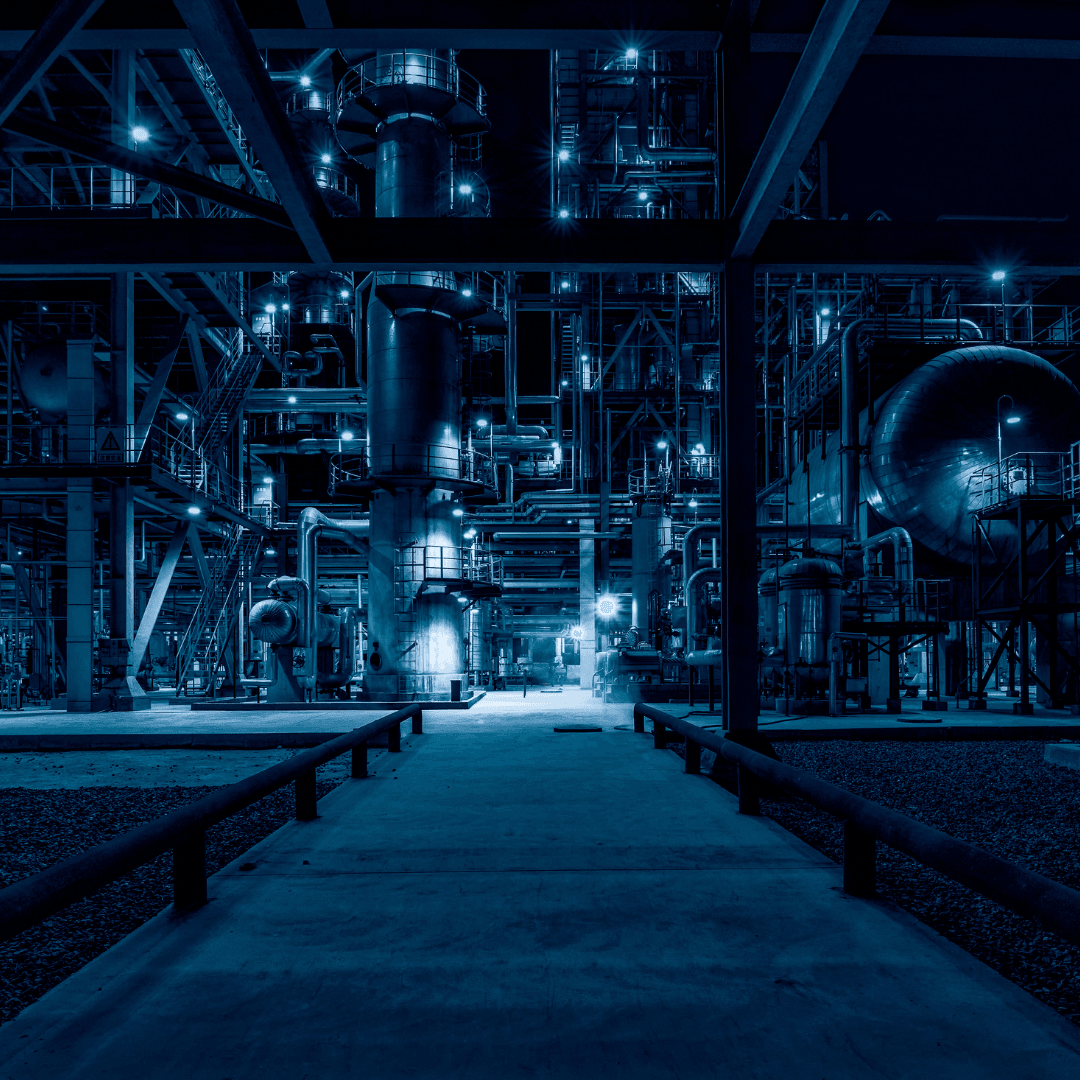
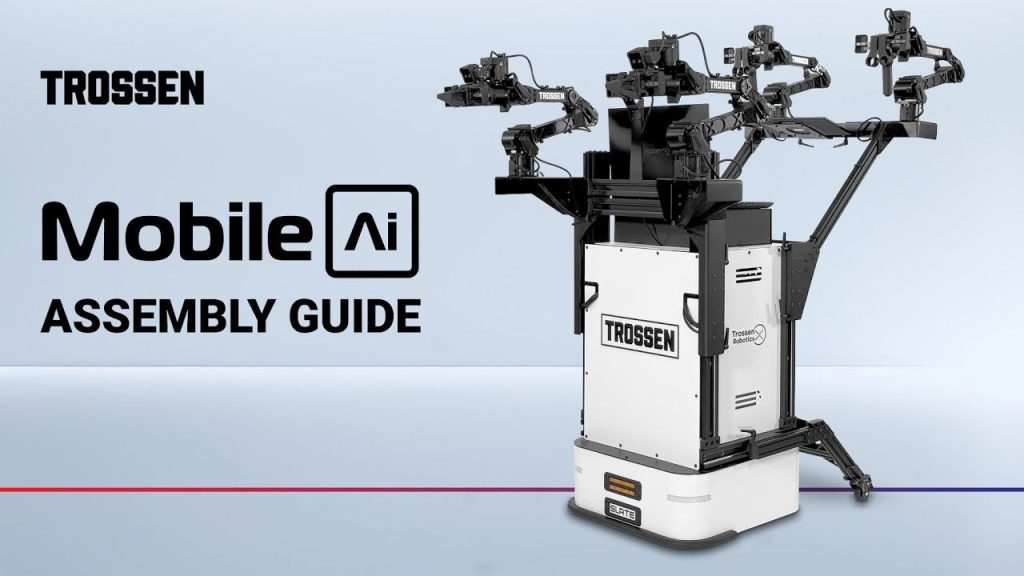
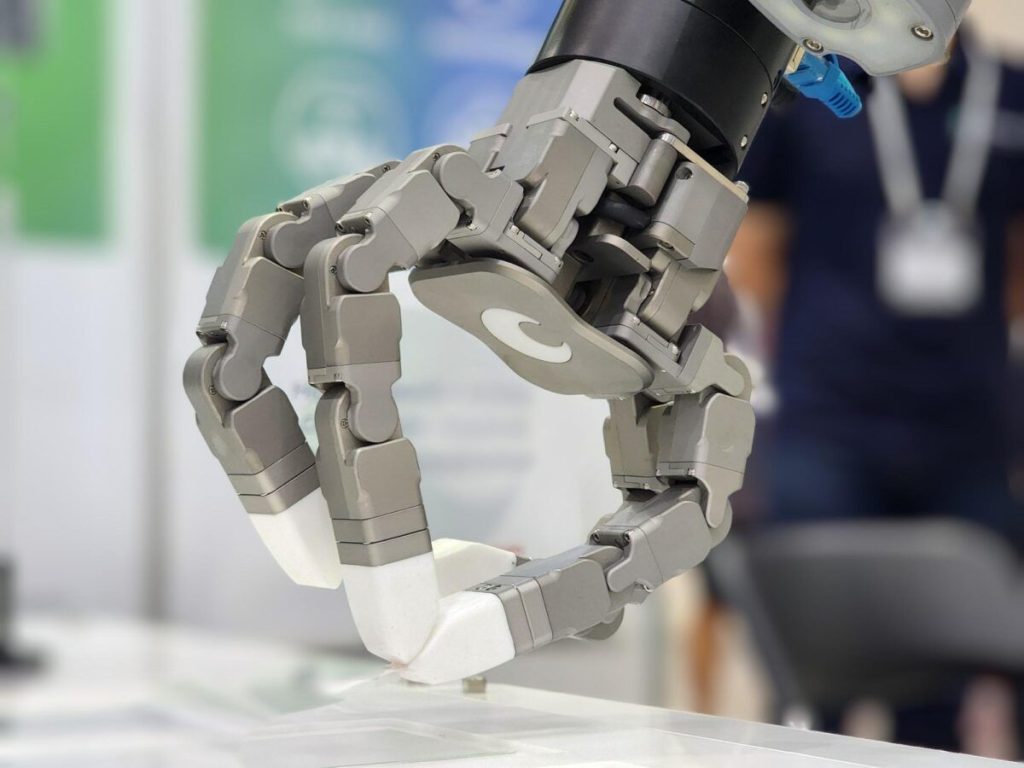
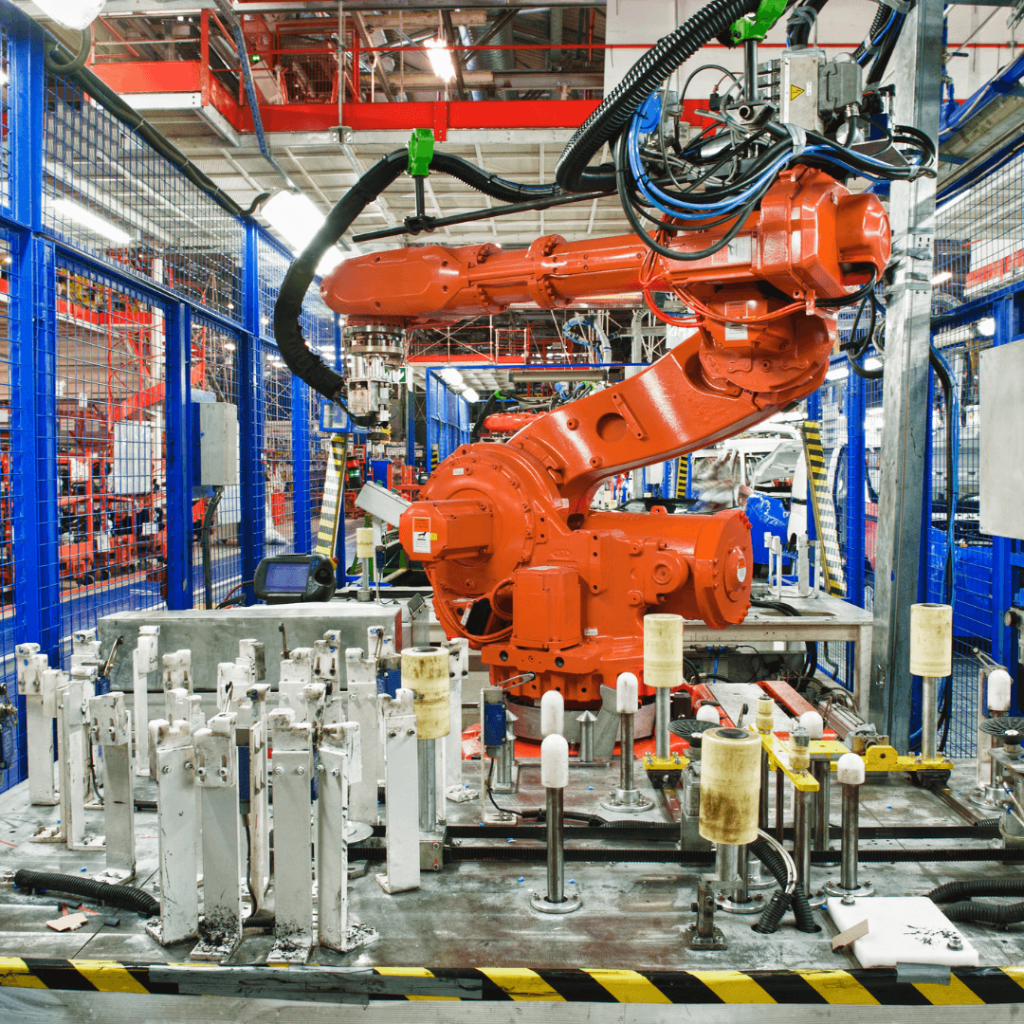
1. AI-powered Industrial Robots: Industrial robots with AI capabilities can automate inspection and assembly procedures, increasing accuracy and decreasing mistakes.
2. IoT in Manufacturing: It makes it possible to monitor equipment in real time, reducing downtime and improving operations.
3. Machine Learning for Predictive Maintenance: Predictive maintenance using machine learning foresees equipment breakdowns to minimize downtime and maintenance expenses.
4. Cyber-Physical Systems: For more intelligent decision-making, cyber-physical systems enable smooth communication between digital and physical systems.
5. Digital Transformation with Cloud & Big Data: Using data-driven insights and scalable computing capacity, digital transformation with cloud and big data improves production.
Industrial automation is being revolutionized by smart factories, which are also increasing productivity and competitiveness.
AI in Manufacturing: Enhancing Efficiency and Productivity
The manufacturing sector is changing because of artificial intelligence (AI), which increases automation, efficiency, and accuracy. Factory intelligence is increasing, human error is decreasing, and production workflows are being optimized through the integration of AI-driven solutions.
How Are Factories Changing Due to AI?
Modern manufacturing is being revolutionized by AI-driven automation. It improves safety , expedites production, and streamlines procedures. Artificial intelligence (AI) enables factories to evaluate enormous volumes of data, make choices in real time, and guarantee seamless operations with little assistance from humans.
Key Applications of AI in Manufacturing
Predictive maintenance, which uses AI-powered analytics to monitor machinery in real time and identify any issues before they occur, is one of the main uses of AI in manufacturing. This lowers downtime and avoids expensive malfunctions.
1. Quality Control: AI-powered cameras and machine learning algorithms examine goods more accurately than human inspectors, guaranteeing better quality and reducing shortcomings.
2. Supply Chain Optimization: AI evaluates supply chain data, forecasts changes in demand, and avoids bottlenecks, which improves inventory control and ensures on-time delivery.
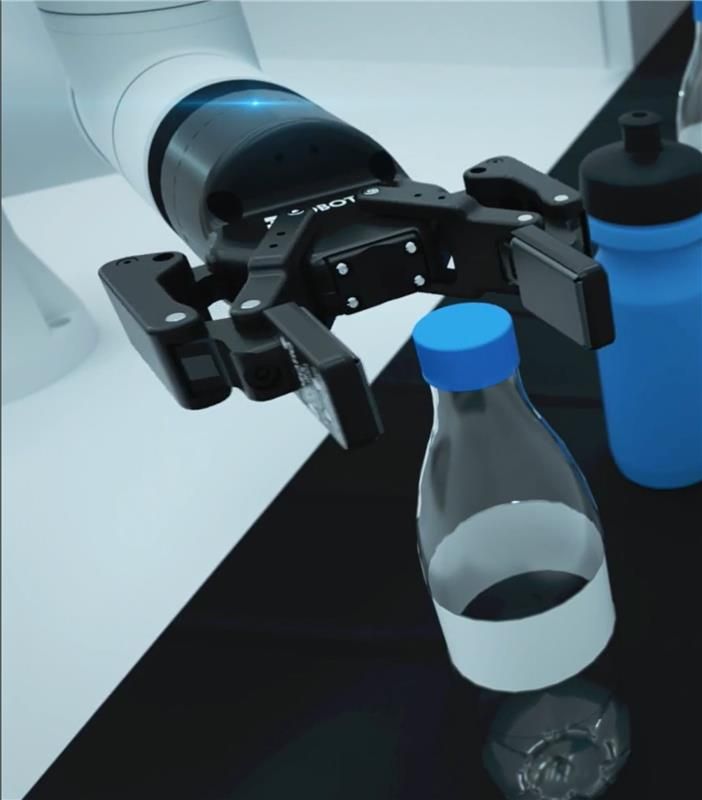
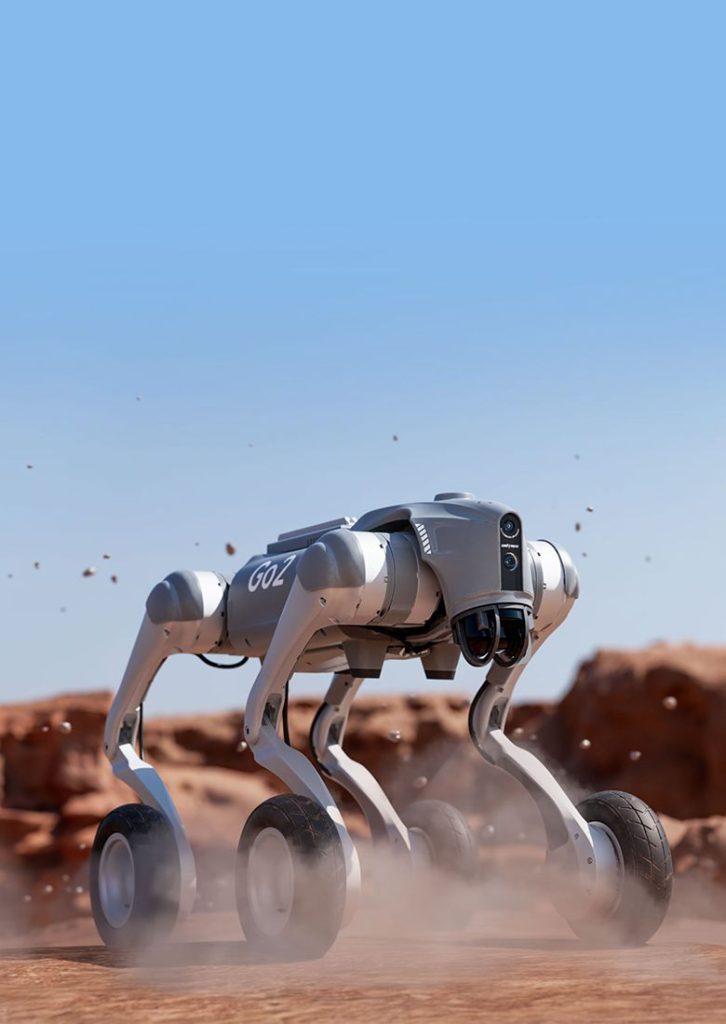
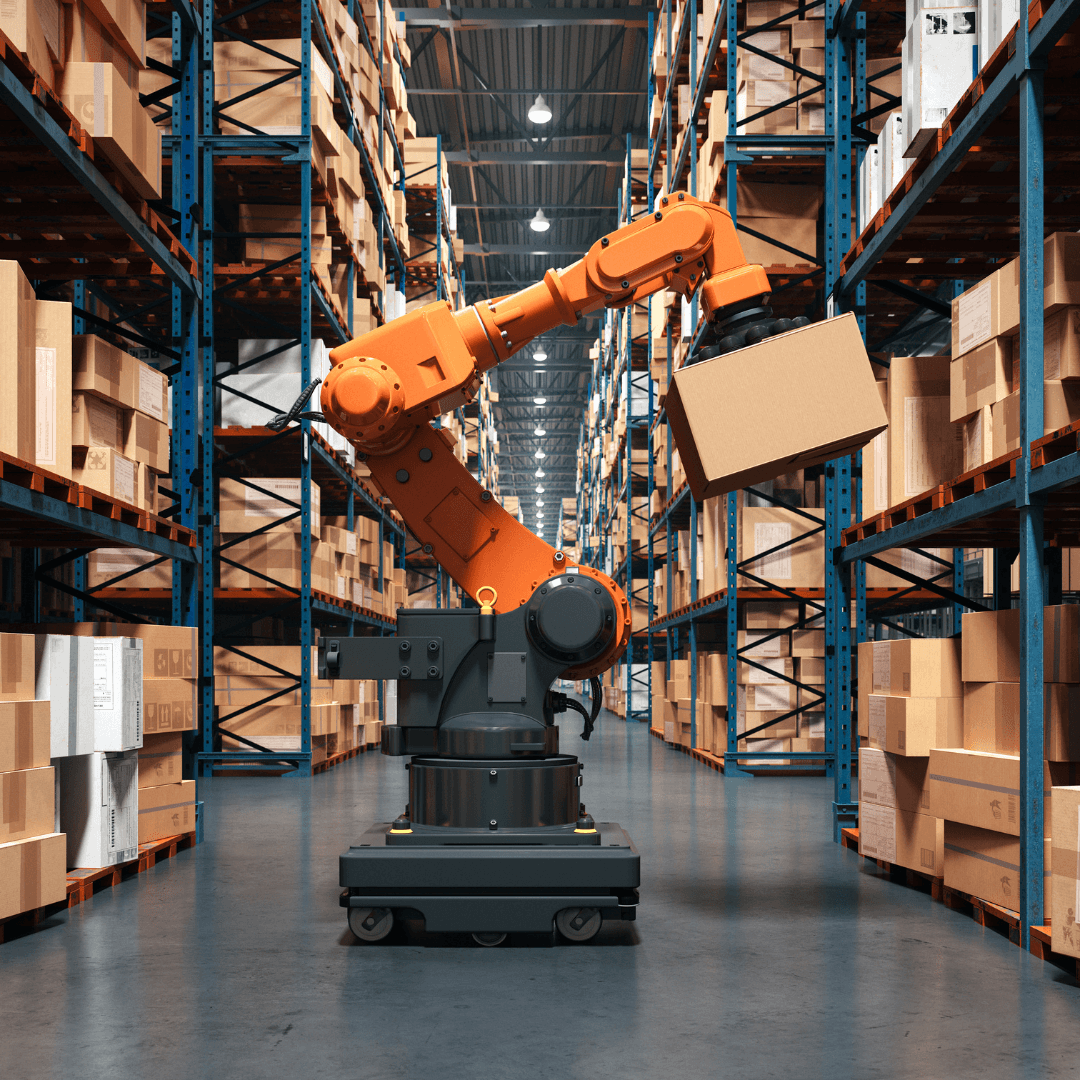
3. Autonomous Robots: AI-powered industrial robots do tedious jobs with accuracy, boosting output while lowering human error and tiredness.
4. Customization and Mass Personalization: AI enables producers to produce individualized goods that are suited to customer tastes without sacrificing productivity, enabling scalable mass customization.
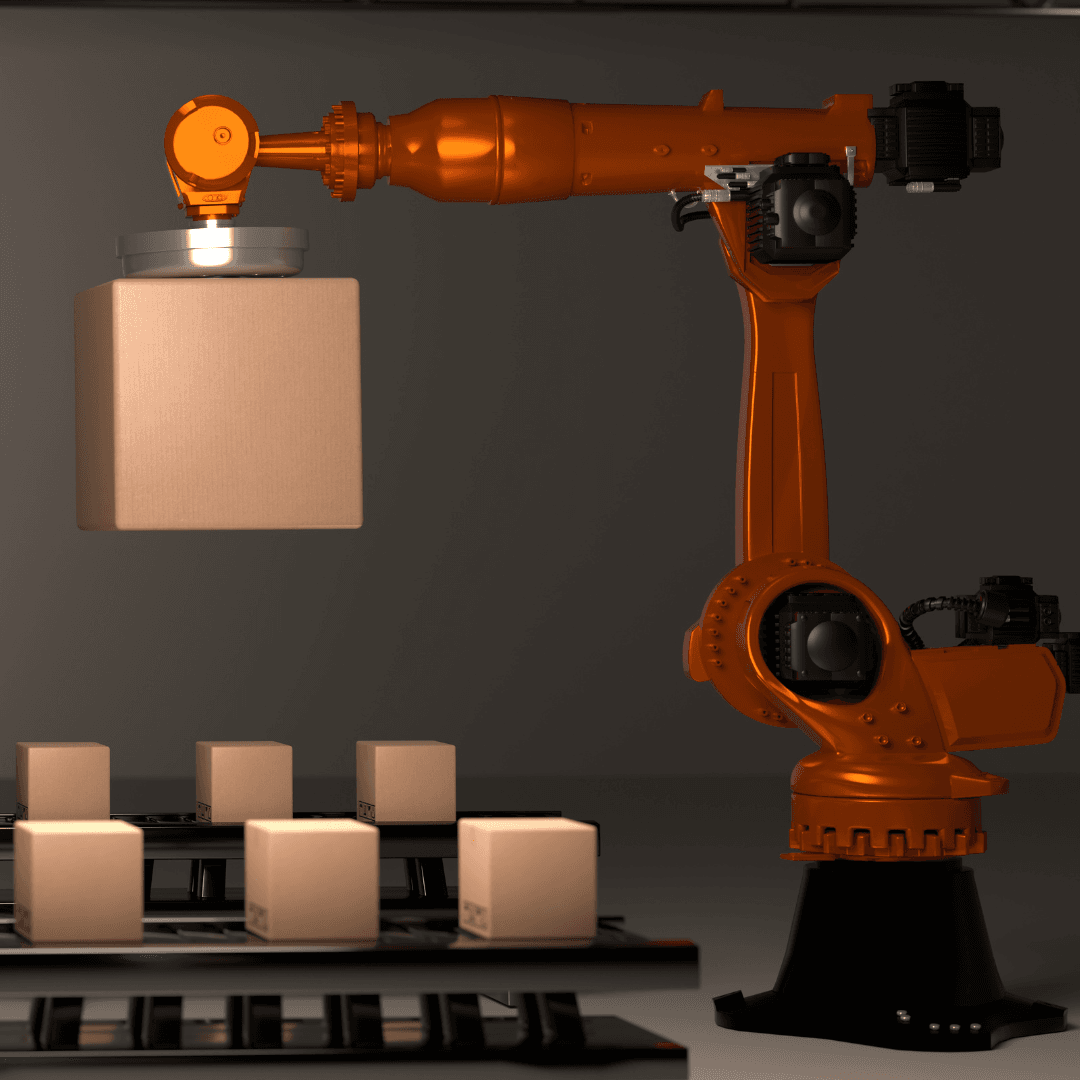
Industry 4.0 Robotics: Industrial Robots’ Function
By changing responsibilities rather than removing them, automation is changing factory occupations. Although there are worries about job losses, automation is also opening up new career paths and increasing productivity at work.
How Automation is Affecting Jobs
1. Transition from Manual Labor to High-Skilled Roles: Employees are moving from manual labor to AI-driven system programming, maintenance, and supervision.
2. Job Creation in Robotics and AI: Creation of Jobs in AI and Robotics Automation technicians, robotics experts, and AI engineers are in high demand.
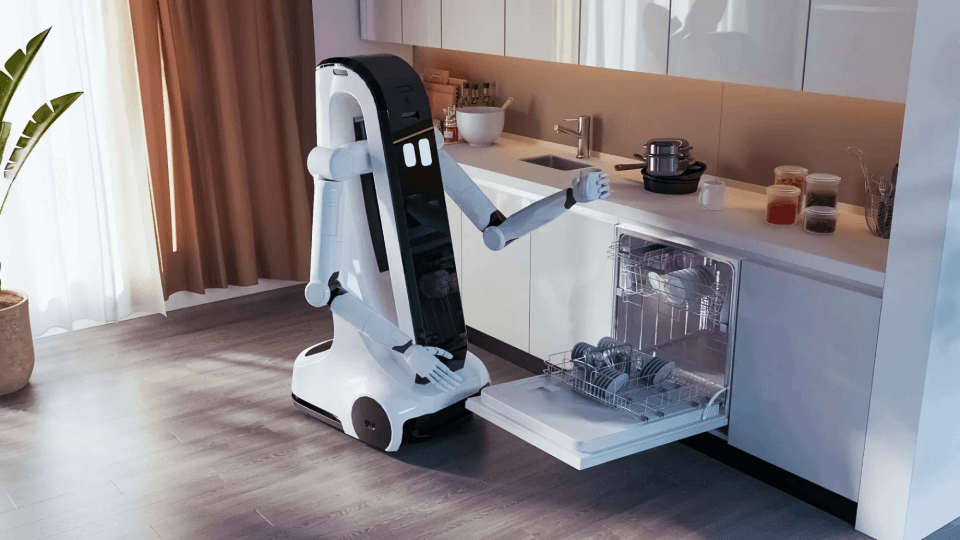
3. Human-Robot Collaboration: Cobots , or collaborative robots, are assisting workers to increase output while maintaining security.
Automation is changing the workforce rather than destroying jobs, necessitating upskilling and technological adaptation.
IoT in Manufacturing: Real-Time Data and Connectivity
Manufacturing is changing as a result of the Internet of Things (IoT), which makes it possible for humans, systems, and equipment to communicate seamlessly. IoT improves overall manufacturing processes, decreases downtime, and increases efficiency by combining smart sensors and data analytics.
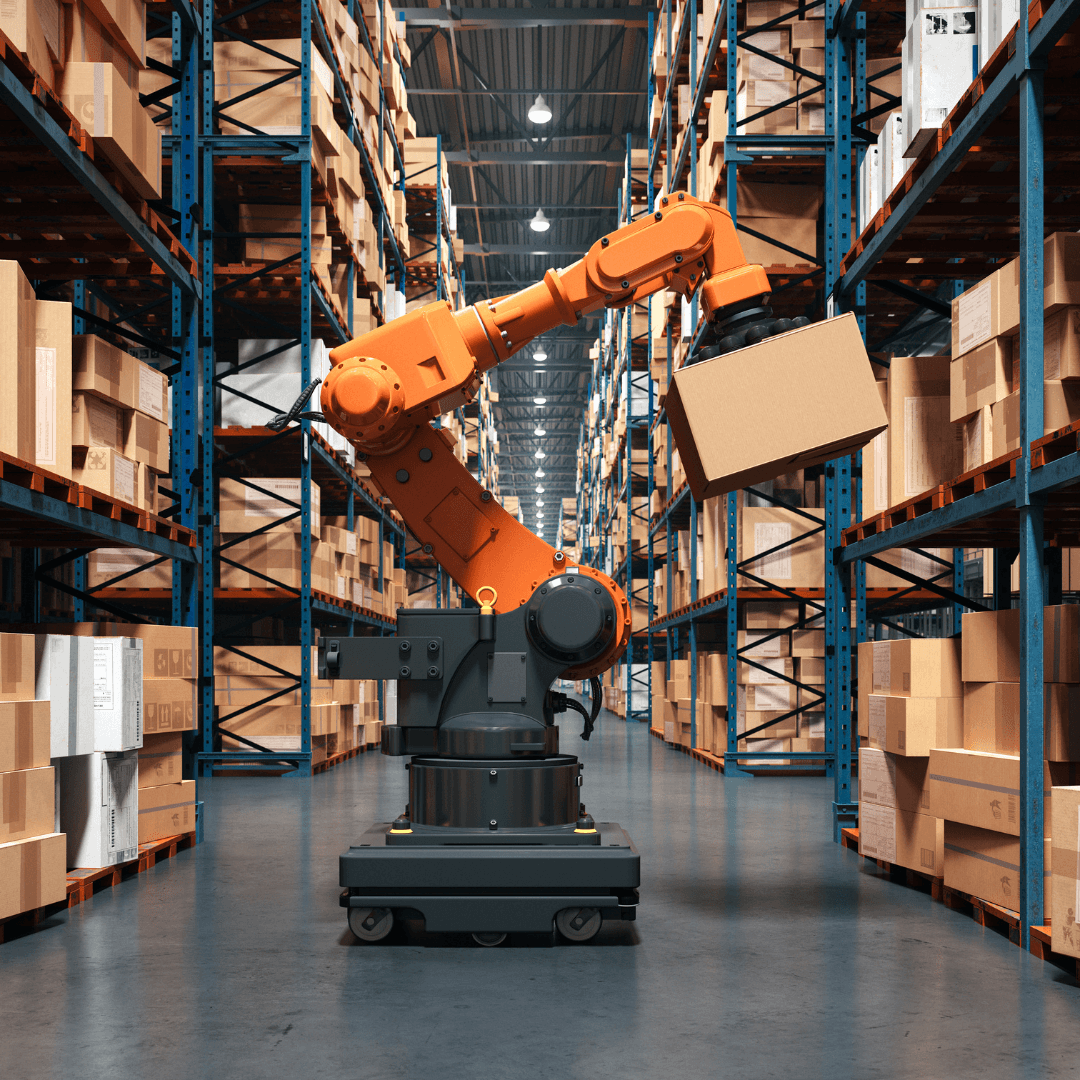
1. Real-time Monitoring: IoT sensors monitor the operation of equipment continually, identifying possible problems before they become problems and lowering maintenance expenses and downtime.
2. Energy Efficiency: By optimizing power use, smart energy management systems assist manufacturers in cutting waste and operating costs.
3. Supply Chain Management: By improving visibility throughout the supply chain, IoT enables manufacturers to track the movement of materials, anticipate delays, and optimize logistics for increased productivity.
The next phase of smart manufacturing is being driven by IoT, which uses automation and real-time data to make factories more responsive, agile, and economical.
Factories Using Machine Learning to Power Predictive Maintenance
By enabling predictive maintenance techniques that lower downtime, boost productivity, and increase efficiency, machine learning (ML) is transforming the industrial industry. Manufacturers frequently use reactive techniques in traditional maintenance models, making repairs only when equipment malfunctions. Machine learning, on the other hand, makes maintenance more proactive by utilizing real-time data to anticipate possible errors before they happen. Increased operational continuity, lower unscheduled downtime, and cost savings result from this.
Machine Learning’s Principal Benefits for Manufacturing
1. Failure Prediction: The capacity to anticipate equipment problems before they occur is one of the biggest advantages of machine learning in manufacturing. Machine learning algorithms examine sensor data to find trends that point to wear or other problems. Factories can reduce the risk of expensive malfunctions and unscheduled downtime by doing equipment maintenance just before a problem occurs by anticipating when a part might fail.
2. Production Scheduling Optimization: Machine learning also aids in production scheduling optimization. AI may dynamically modify production schedules by analyzing data from multiple sources, including market demand and real-time machine performance. Production is more effective, inventory levels are better controlled, and resource allocation is optimal when manufacturing processes are in line with demand. This avoids bottlenecks and lowers expenses.
3. Product Quality Improvement: AI-powered, automated inspection systems powered by machine learning improve product quality. To identify flaws that could be imperceptible to the naked eye, these systems make use of high-resolution cameras and sensors. Reducing waste, customer complaints, and product recalls, manufacturers may guarantee that products satisfy high quality requirements before they reach the manufacturing floor by using real-time problem identification.
Cyber-Physical Systems’ Ascent in Manufacturing
Cyber-physical systems (CPS), which combine digital intelligence and physical processes, are revolutionizing contemporary manufacturing. These solutions make smart factories more resilient and adaptive by facilitating autonomous decision-making, real-time monitoring, and increased efficiency. CPS contributes significantly to the development of Industry 4.0 by establishing a connection between the digital and physical realms.
Cyber-Physical Systems’ Contribution to Better Manufacturing
1. Autonomous Decision-Making: AI-powered CPS is capable of real-time data analysis and autonomous decision-making to maximize output. This lowers errors, boosts efficiency, and lessens the need for human intervention.
2. Enhanced Security: Cybersecurity is a major worry as digital connectivity increases. CPS incorporates cutting-edge security features to shield private production data from online attacks.
3. Adaptive Manufacturing: Using CPS, firms can swiftly modify their production lines to make room for new goods, materials, or evolving consumer needs. In a market that moves quickly, this flexibility guarantees competitiveness.
Industry 4.0’s Effect on Worldwide Manufacturing
Global manufacturing is undergoing a change thanks to Industry 4.0, with the USA, China, and Germany spearheading the transition to AI-driven automation and smart factories. To boost efficiency and spur innovation, these countries are investing in cloud computing, IoT, and advanced robots.
Adopting Industry 4.0 technologies has drawbacks despite its advantages:
1. High Initial Investment: It will cost a lot of money to upgrade traditional factories with CPS, AI, and IoT.
2. Workforce Reskilling: New skill sets are needed as employees need to be trained to collaborate with AI, robotics, and digital systems.
3. Cybersecurity Risks: As factories grow increasingly interconnected, there is a greater chance of cyberattacks, necessitating strong security measures to safeguard vital information.
Manufacturing is changing because of cyber-physical systems, becoming more flexible, safe, and effective. Smart factories are positioned as the future of global production because, despite certain difficulties, the advantages of CPS and Industry 4.0 greatly exceed the risks.
In conclusion
AI-driven factories have a bright future. Smart factories will take over global manufacturing as robotics, IoT, AI, and machine learning continue to progress. For businesses to be competitive, Industry 4.0 technology must be adopted.
Integration of cyber-physical systems, AI-powered industrial robots, and digital transformation in manufacturing will propel efficiency and innovation in the future. The manufacturing landscape of the future will be dominated by businesses that invest in these technologies now.