

The Rise of Machines
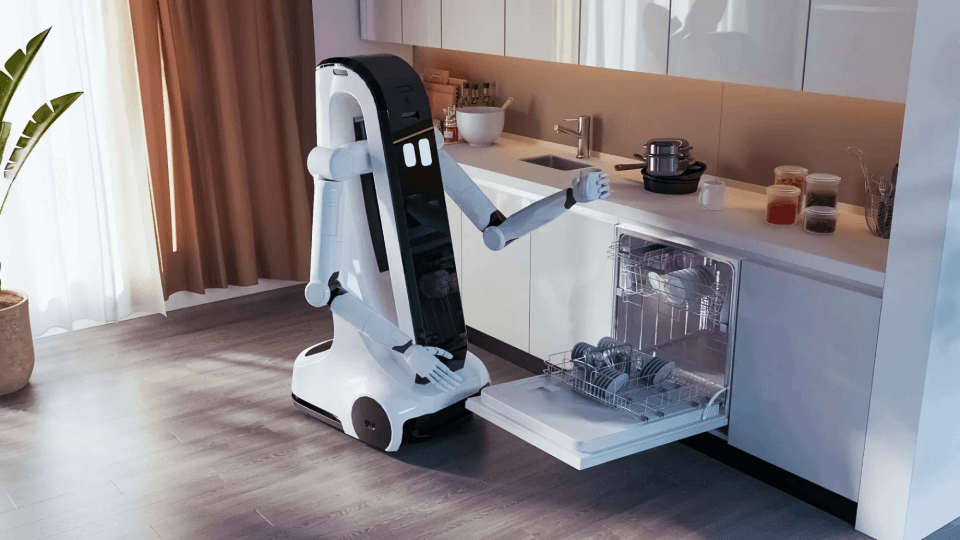
Machines have consistently changed industries and reshaped the workforce, from the Industrial Revolution to the current AI era. The advent of automation systems, robots, and computers has greatly increased production, accuracy, and efficiency. These days, AI-powered devices are sophisticated systems that can analyze large datasets, carry out complex computations, and even simulate human decision-making.
The Benefits of Machine
1. Speed and Efficiency
Machines can work continuously around the clock, greatly increasing output while cutting expenses. Because they don’t get tired as people do, they can labor continuously and produce more.
2. Accuracy and Precision
Because automated systems are intended to reduce mistakes, production and service delivery are guaranteed to be consistent. This is especially helpful in sectors where even little errors can have big repercussions, including electronics, manufacturing , and medicines.
3. Mitigation of Risk
Robots and machines do hazardous jobs in settings where human workers are seriously at risk. They are employed in risky fields including mining, deep-sea research, and space travel, guaranteeing worker safety while preserving productivity.
4. Power for Data Processing
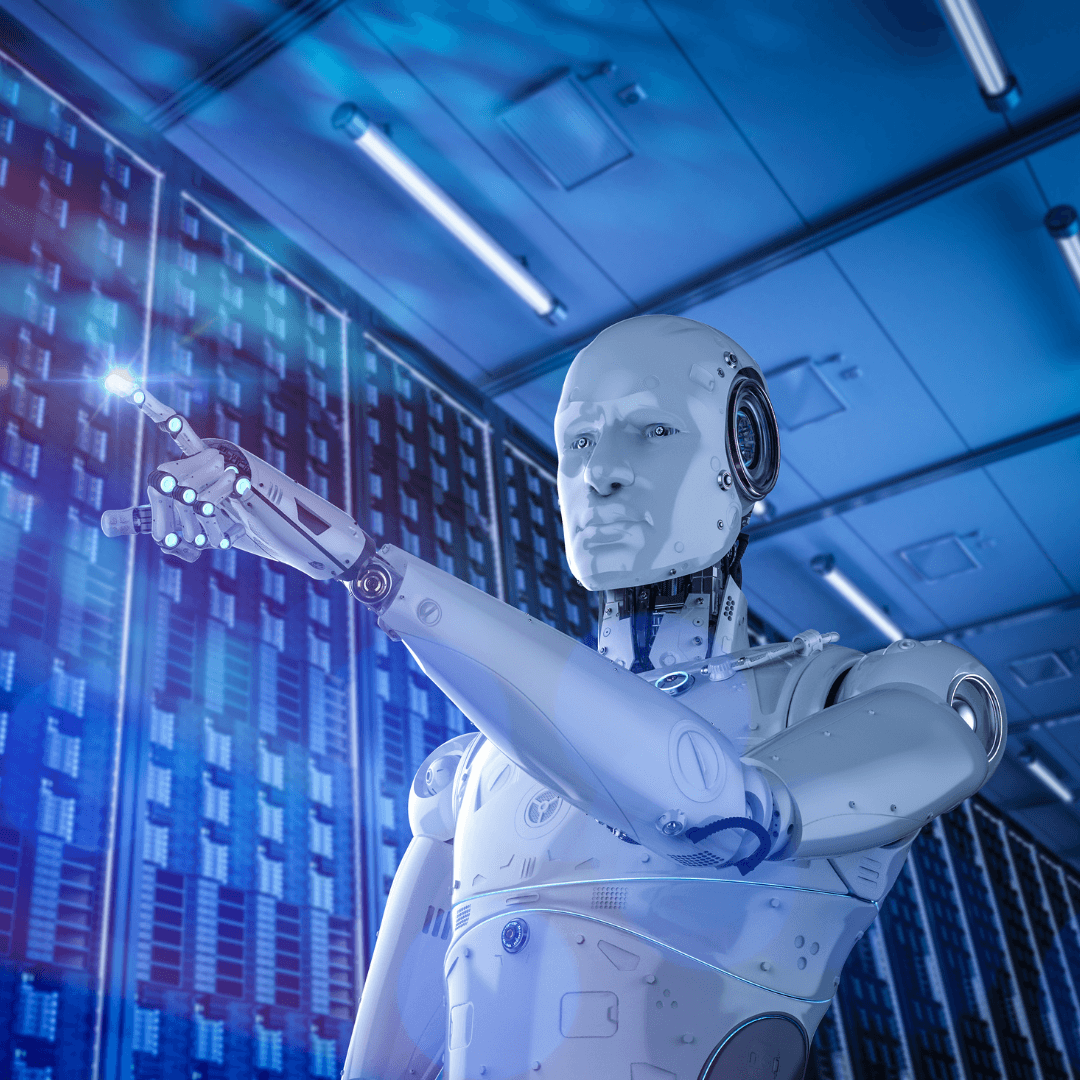
Real-time analysis of enormous volumes of data by AI-driven algorithms can yield insightful information for sectors including cybersecurity, healthcare, and finance. Businesses may make data-driven choices more quickly and precisely thanks to this capability.
Machine Limitation
Despite their many advantages, robots and AI-powered systems have built-in drawbacks that keep them from completely replacing human intellect and flexibility
1. Lack of Creativity
The fact that machines operate according to preset patterns and algorithms limits their capacity for original thought. In contrast to people, they are unable to produce really unique concepts, creative works, or ground-breaking inventions. Although AI may duplicate and improve upon preexisting ideas, genuine creativity is still a characteristic that is exclusive to humans.
2. Reliance on Human Programming
For AI and automation systems to function well, a lot of human input is needed. Human interaction is essential at every stage, from creating algorithms to providing training data. Machines are limited in their autonomy in complicated and unpredictable settings because they lack self-awareness and the capacity to make judgments beyond their preprogrammed capacities.
3. Social and Ethical Difficulties
Moral judgment and ethical reasoning are not possessed by machines. This presents issues with data privacy, biased AI decision-making, and autonomous weaponry, among other things. AI systems have the potential to make unjust conclusions, perpetuate preexisting prejudices, or be abused in ways that have detrimental effects on society if they are not properly supervised.
The Human Benefit
Even if automation and artificial intelligence are developing quickly, people still have certain traits that are impossible for robots to imitate. These qualities distinguish people and guarantee their continuing relevance in a technologically advanced environment.
1. Innovation and Creativity
Humans are capable of thinking beyond the box and creating innovative solutions, new technology, and creative expressions. Humans can come up with unique ideas, which promotes creativity in disciplines like science, engineering, and the arts, in contrast to robots that work on preexisting data.
2. Intelligence in Emotions
Interpersonal skills, empathy, and intuition are essential to human relationships. These characteristics enable humans to form bonds with others, engage in productive negotiations, and make morally and emotionally driven decisions—things that robots are unable to fully understand or mimic.
3. Adaptability
Over time, humans may pick up new talents, adapt to new circumstances, and learn from their experiences. People can adapt to unforeseen difficulties, think critically, and continually grow based on their environment, unlike robots that rely on pre-programmed data.
4. Ethical Reasoning
Making moral decisions is crucial in professions like law, medicine, and leadership. Humans are able to balance morality with reason by taking into account the wider effects of their choices. However, machines are incapable of understanding the intricacies of human values and lack real ethical consciousness.
The limitations of humans
In a world that is becoming more and more automated, human productivity, efficiency, and adaptability may be impacted by our fundamental limits, notwithstanding our particular capabilities.
1. Physical Limitations and Fatigue
People need to sleep, relax, and breaks to function properly, unlike robots that can work nonstop. Overall productivity is hampered by this, particularly in sectors that need fast operations or 24-hour efficiency. Over time, cognitive function and physical stamina gradually deteriorate, which affects long-term reliability.
2. Human Error
Errors brought on by exhaustion, inattention, or poor judgment can have expensive or even harmful repercussions. Human mistake may lead to mishaps, monetary losses, or even fatalities in industries including manufacturing, healthcare, and aviation. Humans are prone to attentional lapses and uneven decision-making, in contrast to automated systems that adhere to exact instructions.
3. Opposition to Change
Fear of losing their jobs, uncertainty, or a lack of technical expertise are some of the reasons why many people and sectors find it difficult to adopt new technology. This resistance can impede advancement and the uptake of inventions that could improve productivity and the general development of society. Even while automation has advantages, overcoming human resistance is still a problem as the world becomes more technologically advanced.
Automation’s Effect on Employment
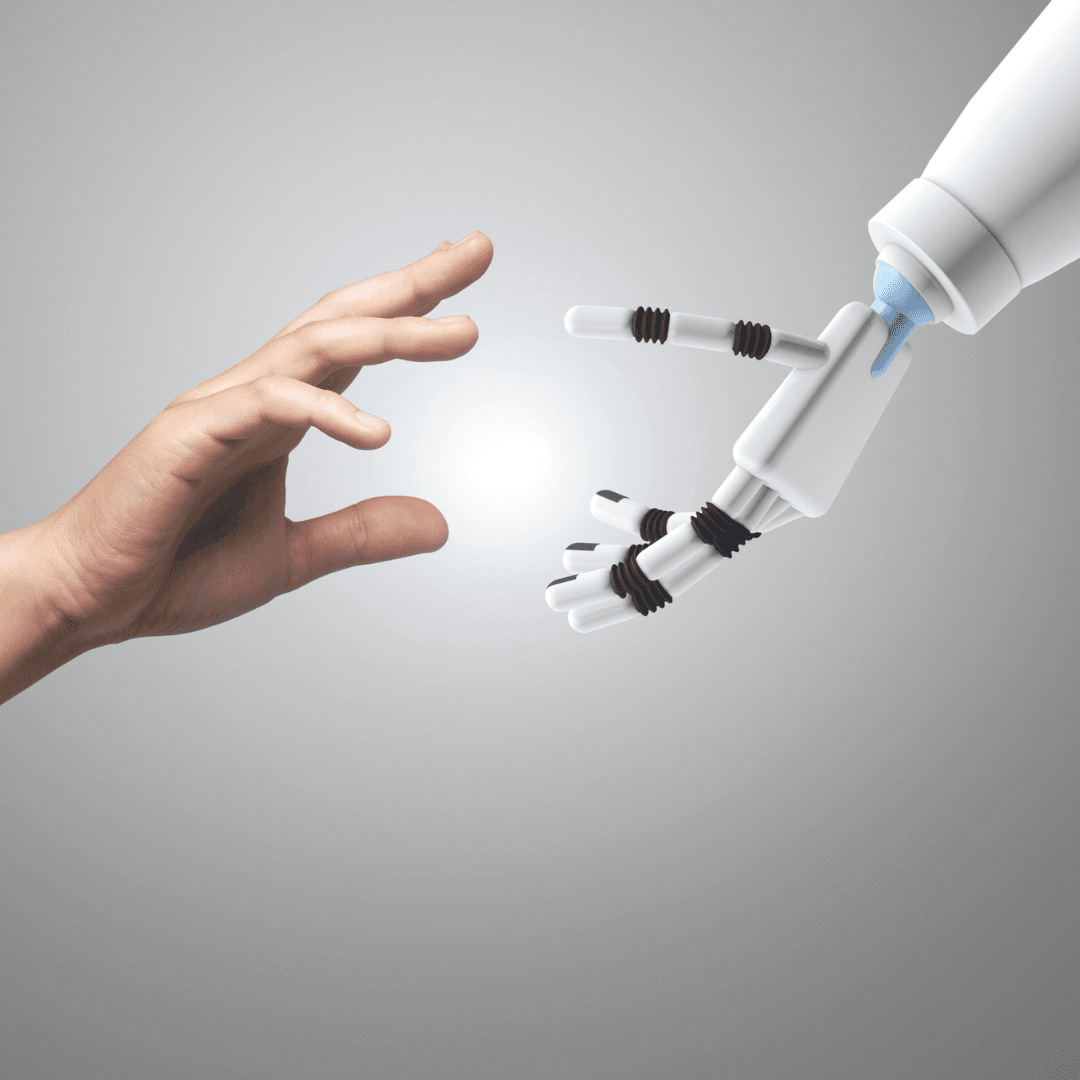
The impact of automation on the labor sector is among the most urgent issues. Numerous sectors are seeing substantial workforce shifts as regular and repetitive labor are replaced by machines and AI-powered systems. Automation raises questions about job displacement and the future of human employment even while it boosts productivity and lowers costs.
Risky Jobs
1. Manufacturing
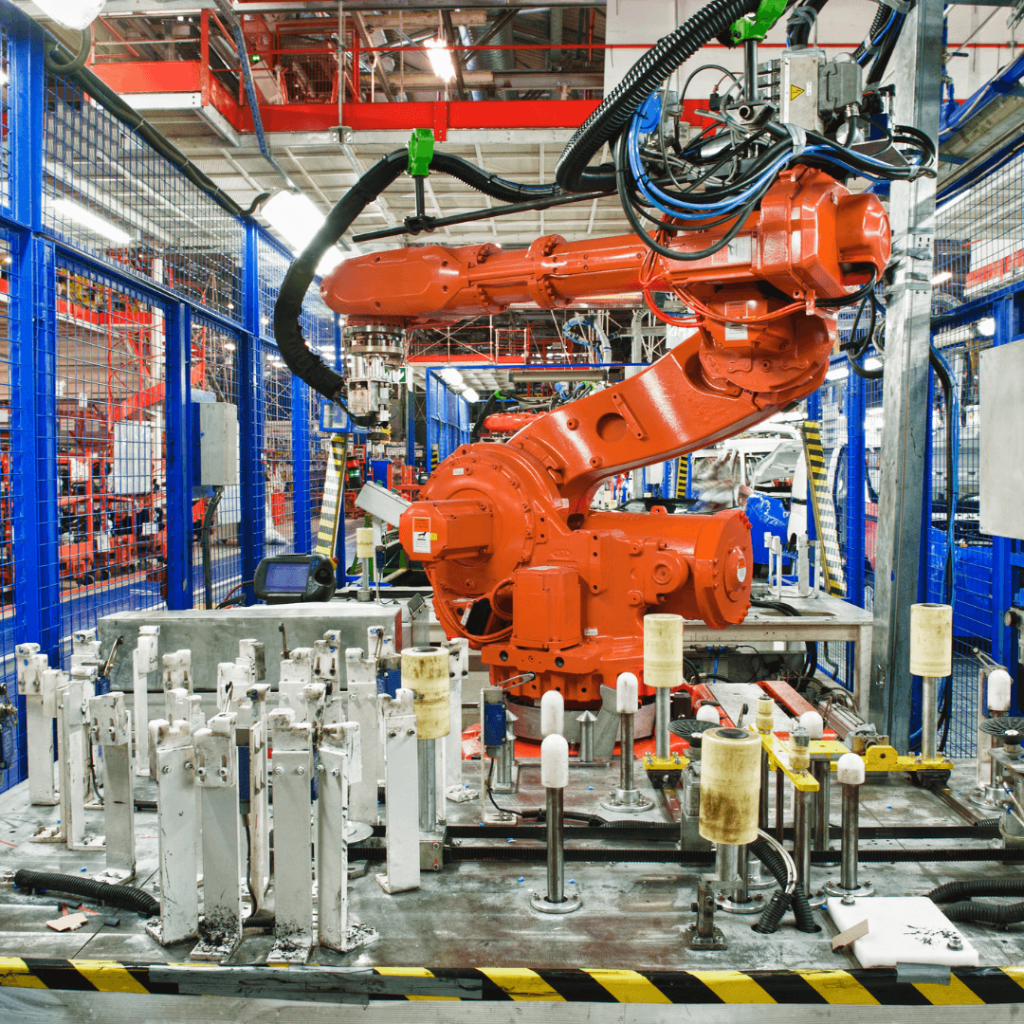
The demand for human labor in factories has significantly decreased with the advent of robotic technology and automated assembly lines. While efficiency has increased, conventional manufacturing occupations have been replaced by machines that do activities like welding, packing, and quality control.
2. Retail
The need for human cashiers and customer service representatives has decreased with the advent of self-checkout kiosks and AI-powered chatbots. There are fewer job prospects for employees in these professions as a result of many retail enterprises moving towards automation in an effort to reduce labor costs and improve consumer experiences.
3. Transportation
Employment in the delivery, taxi, and trucking industries is at risk due to the development of autonomous vehicles. Professional drivers may experience job instability as self-driving technology develops, as businesses seek to implement economical and effective automated transportation alternatives.
Jobs That Will Survive in the Age of Automation
Automation is changing sectors and displacing certain jobs, but it is also opening new possibilities. Because computers lack these distinctively human qualities, occupations that depend on human creativity, critical thinking, emotional intelligence, and ethical judgment are still vital.
Industries That Will Keep Growing
1. Medical Care
Physicians, nurses, and other caregivers are indispensable to patient care, even with the development of medical AI. Human decision-making, empathy, and individualized care are essential components of healthcare that robots cannot duplicate. The human touch is still essential for patient trust and wellbeing, even though AI may help with diagnostics and data analysis.
2. Education
In addition to teaching knowledge, teachers and mentors offer individualized counseling, moral direction, and motivation. Teachers are vital to society because, unlike robots, they can accommodate various learning preferences, provide emotional support, and encourage critical thinking in their pupils.
3. Development of AI and Engineering
Experts in data science, robotics, and AI programming will be highly sought after as automation grows. These experts oversee creating, preserving, and enhancing automation systems while making sure that technology complies with moral principles and human requirements.
4. Creative Sectors
AI-generated material frequently lacks the unique viewpoints and emotional depth that artists, musicians, authors, and designers contribute to their work. AI can help create content, but it can’t replace the richness of human narrative and artistic expression.
The Future: Cooperation Rather Than Rivalry
Automation should not be framed as a conflict between humans and machines, but rather as a cooperative endeavor. Together, humans and AI may increase productivity while preserving the morality, empathy, and inventiveness that technology cannot match. Industries may develop while maintaining a personal touch by utilizing the advantages of both.
Human-AI Collaboration in Action
1. Medical Diagnosis
AI-powered solutions let physicians analyze medical pictures, identify possible health hazards, and identify illnesses early. Doctors give patients important interpretation, individualized care, and emotional support while AI increases diagnosis accuracy and expedites the procedure.
2. Autonomous Automobiles
Even while autonomous vehicles are developing quickly, total automation is yet unattainable. In complicated transportation conditions, human monitoring is still crucial for managing unforeseen circumstances, reaching moral conclusions, and guaranteeing passenger safety.
3. Innovative Support
AI technologies assist authors, designers, and musicians by automating monotonous chores, creating ideas, and recommending modifications. However, human artists continue to develop and customize their work, providing the final creative vision, uniqueness, and emotional depth.
4. Client Support
AI chatbots respond instantly to common consumer questions and offer solutions. However, human agents intervene to efficiently handle problems when they get complicated or need empathy, guaranteeing a more positive client experience.
In conclusion
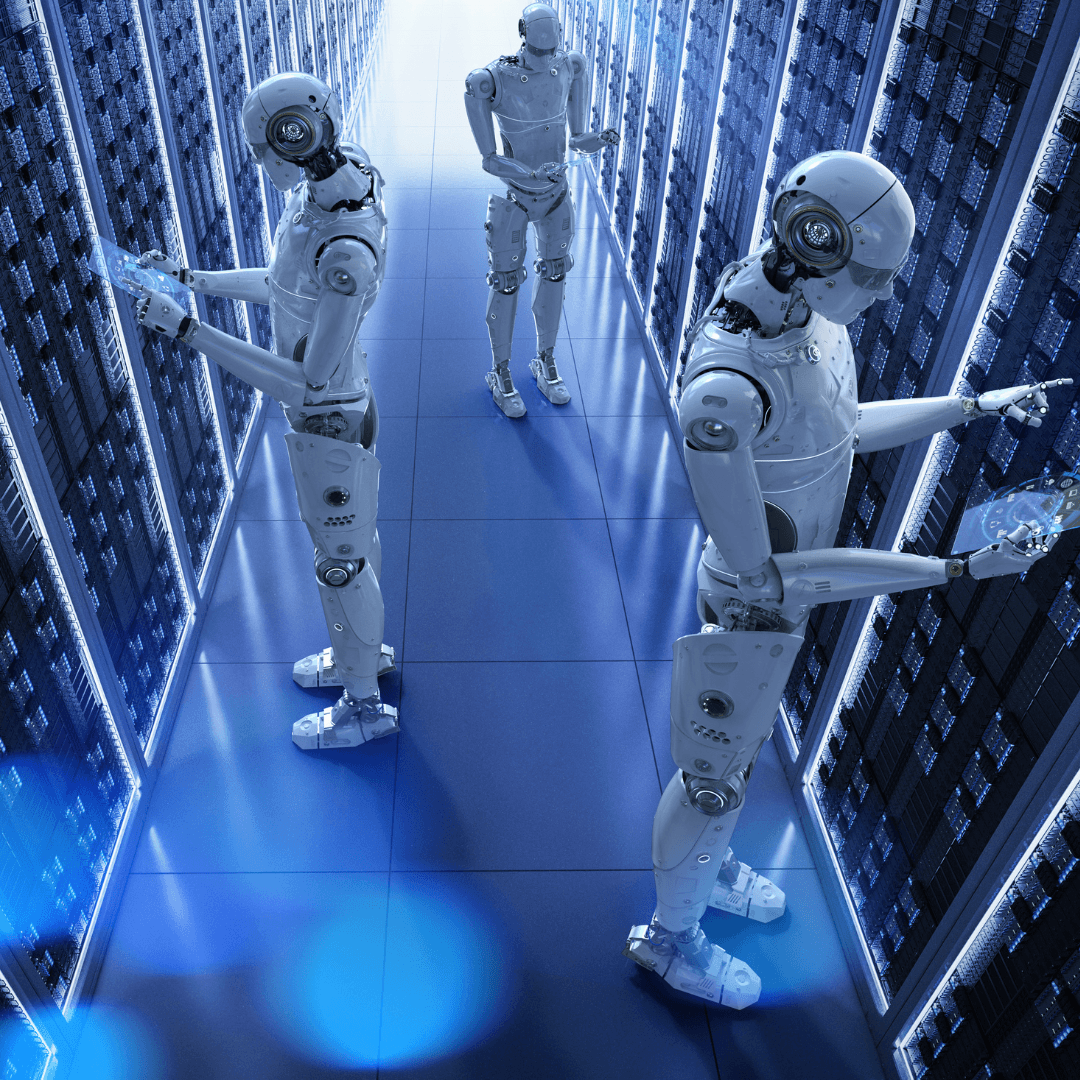
The goal of the automation wars is to capitalize on the advantages of both people and machines, not to vanquish the other side. Even while machines will keep developing, human creativity, emotional intelligence, and flexibility will always be vital in determining the course of events. A more inventive and sustainable society will result from accepting automation as a tool for human advancement rather than being afraid of it.