


The Case for Robots
1. Economy of Cost
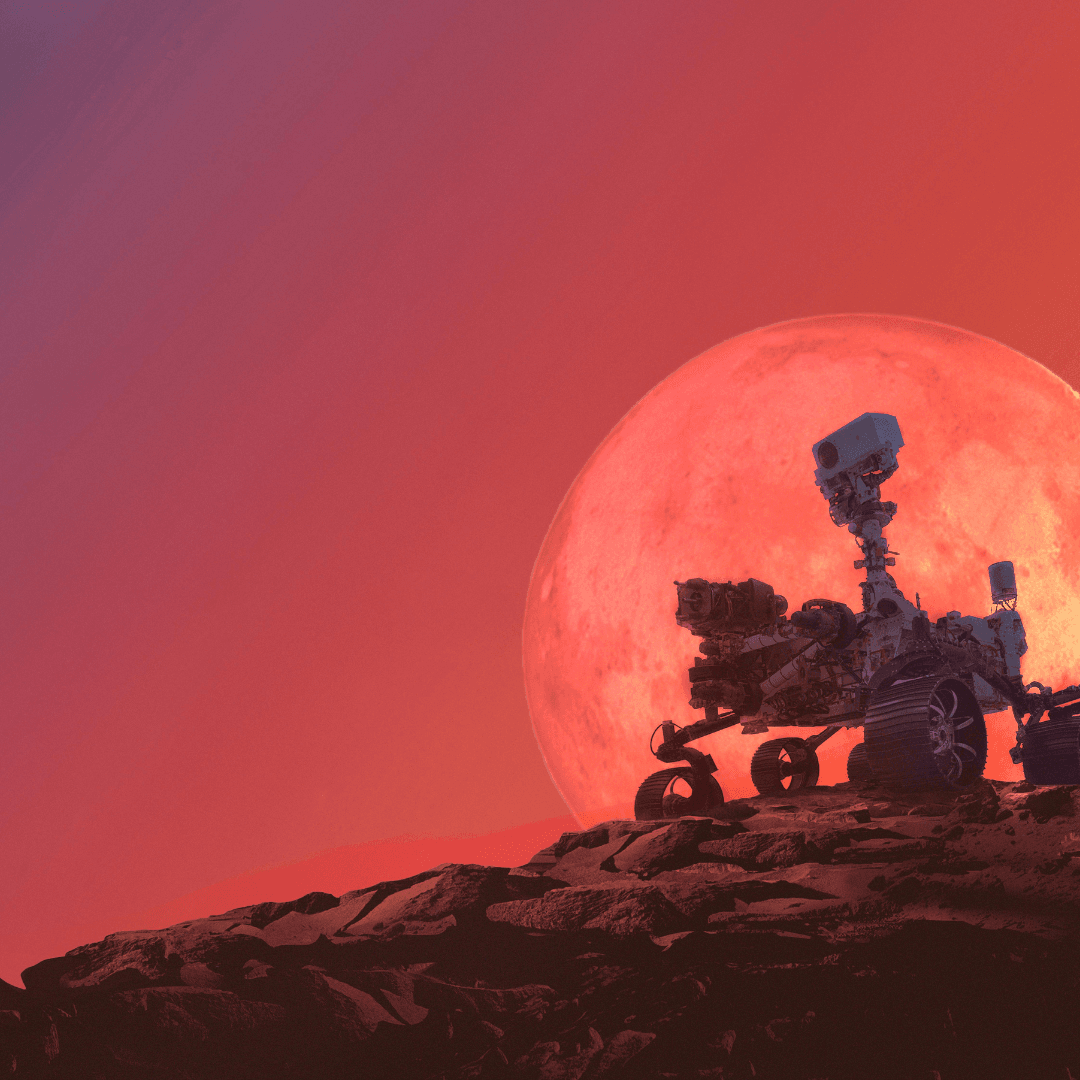
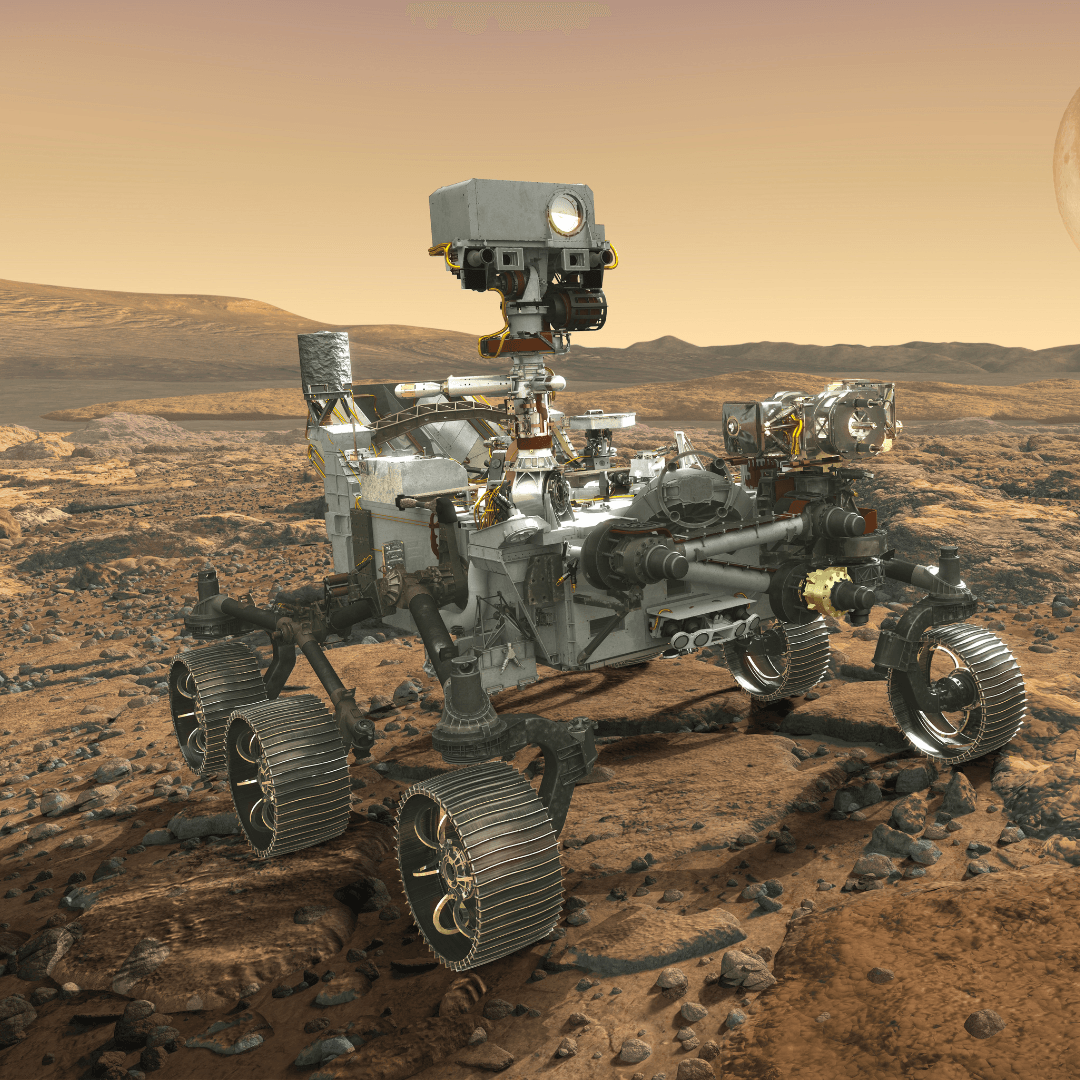
Cost is a major factor in why robots are a wise choice for space missions. The cost of sending humans into space is quite high since the spaceship must be loaded with medical equipment, food, water, and life support systems, all of which increase weight and complexity. However, none of that is necessary for robots . They are substantially less expensive to launch and run as they can be made to withstand extreme conditions without continual maintenance. For instance, the cost of transporting people to the Red Planet is far higher than that of missions like the Mars rovers.
2. Reduction of Risk and Safety
Due to the continual dangers of radiation, severe temperatures, and the vacuum of space, space is a very unfriendly environment for people. On the contrary, robots can be designed to survive in these hostile environments without the need for oxygen or protective gear. Robots provide a safer option in situations when there is an excessive risk to human life, such as when investigating very radioactive regions or high-pressure zones.
3. Long-Term Missions
Long-term space missions are a perfect fit for robots. They don’t need to relax or become fatigued as humans do. Consider the Voyager probes, which were launched in 1977 and are still returning data from outer space more than 40 years later. Subsequently, the Curiosity rover has been exploring Mars since 2012, contributing to our daily understanding of the planet. Due to their physical and mental limitations, human astronauts simply cannot live that long.
4. Precision and Data Collection
High-resolution cameras, spectrometers, and robotic arms capable of conducting intricate scientific experiments are just a few examples of the extremely sophisticated technology that modern robots are outfitted with. They don’t experience stress or exhaustion, and they don’t make mistakes as individuals do occasionally. Furthermore, a large number of these robots are artificially intelligent , which enables them to comprehend complicated data instantly and make snap judgments. That is a big advantage in places that are unexpected, like space.
5. Adaptability to Harsh Environments
It is possible to build robots to function in situations that would be fatal to people. Robotic probes, for example, have investigated Titan’s methane lakes, Europa’s frozen surface, and Venus’s extreme heat. Future expeditions may use drones to examine far-off planets and moons or autonomous submarines to investigate alien waters. Write from a human perspective.
The Case for Astronauts
1. Human Resourcefulness and Problem-Solving
Even the most sophisticated robots are still unable to replicate the human mind’s capacity for rapid thought and creativity. Surprises abound in space missions; seldom do things go according to plan. In these situations, human instinct and flexibility come to the rescue. The ability to solve unforeseen issues, think creatively, and make quick judgments are all skills that astronauts possess that machines just cannot match.
2. Precision and Practical Skills
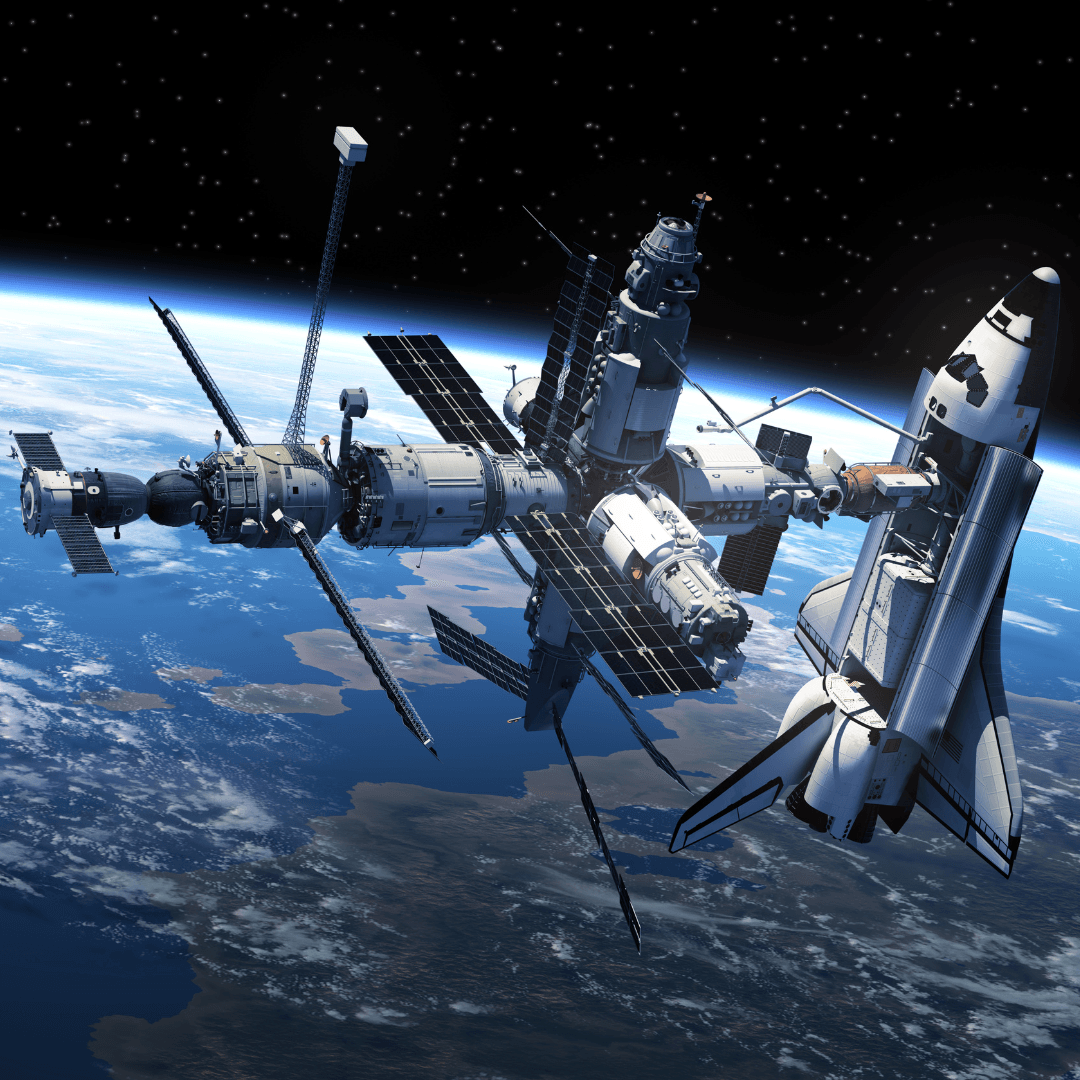
Even the most recent developments in robotics cannot completely replace the human hand’s expertise and dexterity. Repairing a spaceship, putting together machinery, or working with delicate scientific instruments all need a degree of dexterity and flexibility that can only be provided by humans. Just take a look at the astronauts on board the ISS; they are often conducting complex experiments and maintenance that would be very difficult for a robot to complete without assistance.
3. Instant Decisions When It Matters Most
The communication latency is one of the major problems with robotic missions. For instance, it may take up to 20 minutes to transmit an order to Mars. Real-time problem-solving is almost impossible with that level of latency. When people are there, they may respond quickly to shifting circumstances, make snap decisions, and continue the operation without waiting for orders from Earth.
4. Psychological and Inspirational Value
Seeing a person walk on another planet has a certain impact. In a manner that no robot could ever match, it captivates our imagination. In addition to their profession, astronauts encourage others—especially young people—to pursue their dreams and learn more about science, technology, and space. They are essential space exploration ambassadors because their tales increase public interest in and support for upcoming missions.
5. Establishing Permanent Colonies
We will need humans on other planets if we are serious about establishing long-term residences there. Humans will be in charge of managing operations, carrying out in-depth research, and making the major choices, although robots can assist in creating and preparing the environment. Living on far-off worlds is the ultimate purpose of space exploration, not only studying them. And human presence is extremely necessary for that.
Collaborative Efforts: The Best of Both Worlds
The wiser course of action is to combine the advantages of both robots and astronauts for space travel rather than attempting to determine which is superior. Together, people and robots form a strong combination that is capable of more than each could on its own. This has already been demonstrated on some of the most prosperous space missions.
1. Robotic Assistance and the ISS
Robots are a vital component of the International Space Station (ISS). For instance, astronauts benefit from Canadarm2, which assists with repairs outside the station and grabs arriving supply ships. Additionally, there are robotic companions that assist astronauts with daily activities, such as Robonaut and CIMON. These robots handle mundane tasks, allowing astronauts to concentrate on the more difficult scientific job.
2. Robot in Mars Missions: Setting the Path
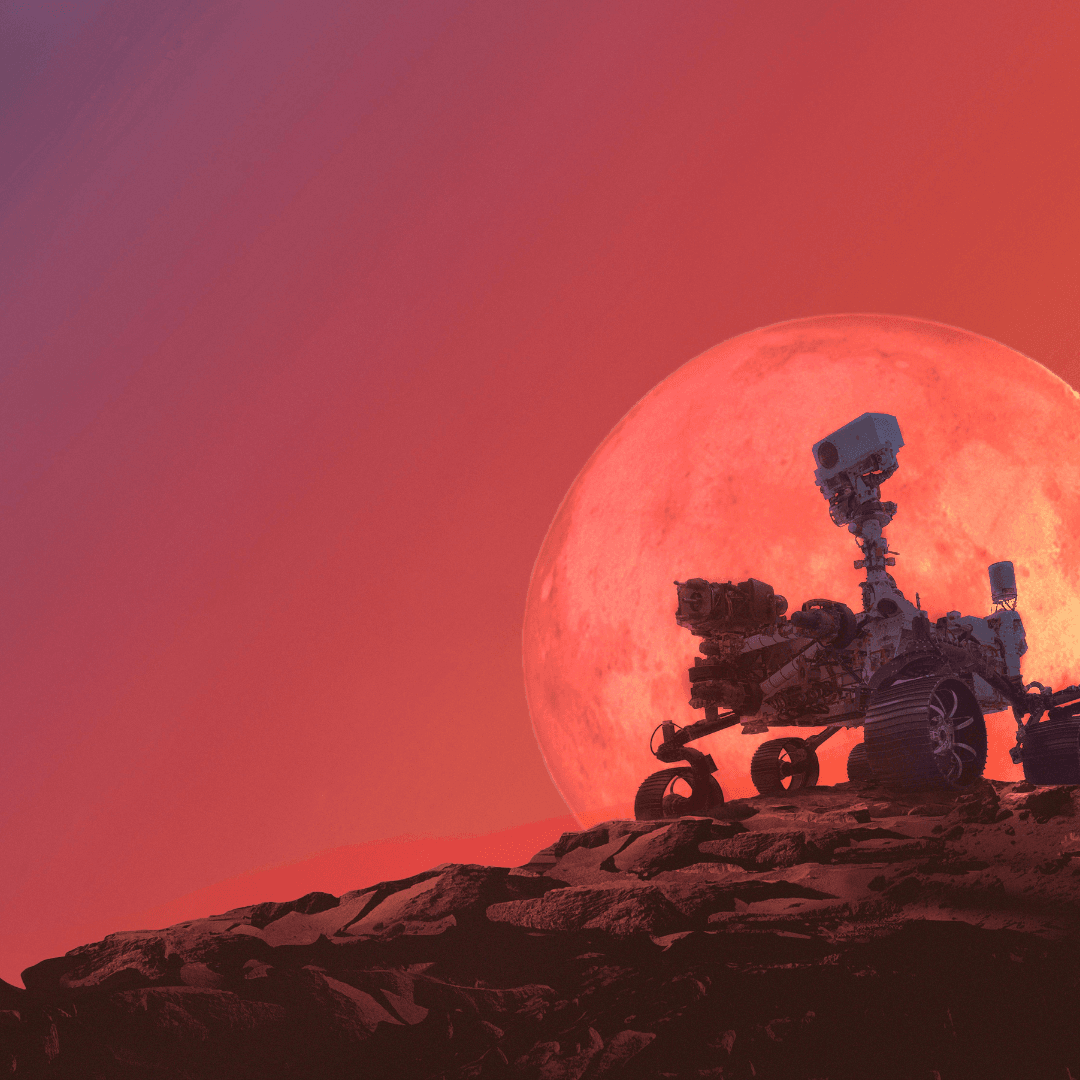
The Ingenuity chopper and NASA’s Perseverance rover are laying the foundation for upcoming human trips to Mars. They are gathering important information on the temperature, topography, and possible resources such as water or useful materials of the planet. The data these robots are now collecting will give humans a far higher chance of success when they set foot on Mars.
3. Lunar Gateway and Artemis Program
Another excellent illustration of collaboration between humans and robots is NASA’s Artemis program. Robotic scouts will investigate the Moon’s surface, inspect landing areas, and assess resources prior to astronauts returning there. Some robots could even aid in the construction of early infrastructure. Humans and machines are intended to coexist side by side in the Lunar Gateway, a projected space station that would circle the Moon.
Prospects for the Future: The Development of Space Travel
The lines between human and robotic jobs in space will continue to blur as technology develops. Robots driven by AI become more independent and able to learn and adjust to changing circumstances. Long-duration trips will be safer because to developments in human spaceflight, such as radiation shielding and artificial gravity.
1. Autonomous Systems and AI
Improved AI in future robots will enable them to function more autonomously without continual assistance from Earth. Before people arrive, autonomous rovers and drones will explore far-off worlds, documenting their landscapes and locating sites of interest.
2. Astronauts in Cyborg
Cybernetic improvements might lead to a combination of human and robotic skills in the future. Robotic prosthetics, brain-computer interfaces, and exoskeletons might improve astronaut performance by enabling them to carry out tasks with more strength and accuracy.
3. Colonization in Space and Terraforming
The establishment of alien colonies will involve both humans and machines. Humans will give leadership, flexibility, and decision-making, while robots will build dwellings, extract resources, and prepare the environment. This collaboration will be essential to the goal of establishing a self-sufficient community on Mars or elsewhere.
In conclusion
The argument over which is more appropriate for space travel—robots or humans—focuses on their complementing responsibilities rather than on picking one over the other. Because of their superior durability, safety , and affordability, robots are perfect for exploratory work and dangerous settings. However, human astronauts are essential for long-term missions and colonization attempts because they contribute ingenuity, adaptability, and the capacity to manage complicated jobs. In the end, a mix of robotic and human efforts will be necessary for space travel in the future. We may advance toward a future in which mankind expands its presence beyond Earth, exploring new worlds and discovering the mysteries of the cosmos, by utilizing the capabilities of both.