

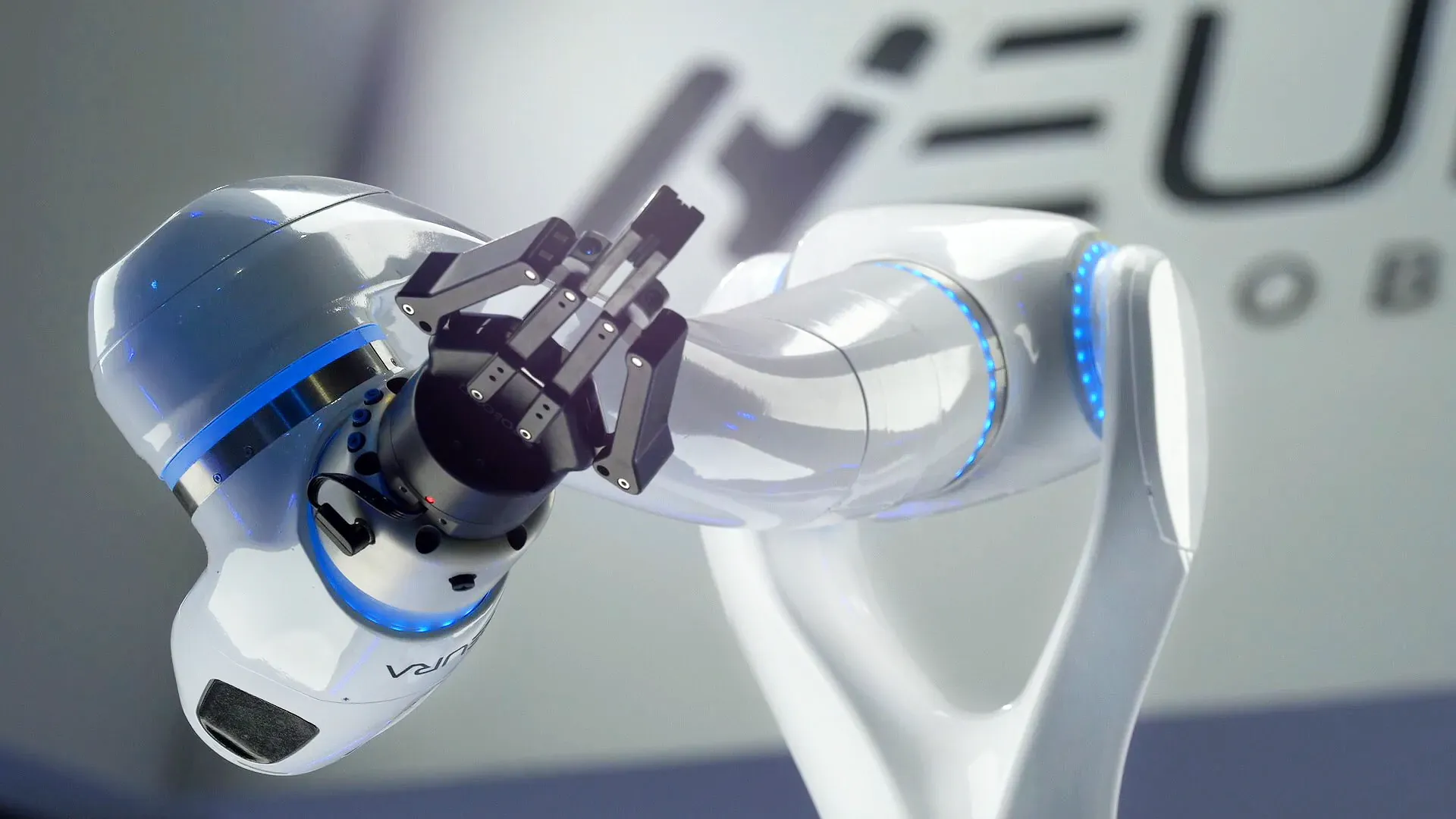
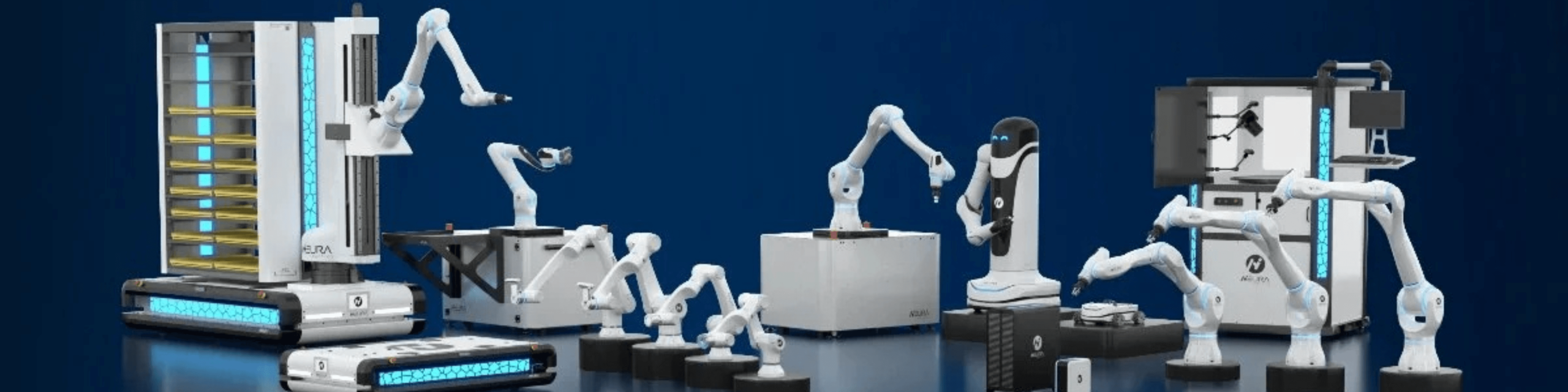
The Multisensing Intelligent Robotic Assistant, or MAiRA, is a ground-breaking platform that seamlessly integrates AI, machine vision, and user-friendly interfaces into a single autonomous unit. It is not simply another robotic arm. MAiRA is establishing new benchmarks for human-machine collaboration in the industrial, healthcare , research, and service sectors.
About NEURA Robotics
Understanding NEURA Robotics’ mission and values is crucial before beginning MAiRA. David Reger founded NEURA in 2019 in Metzingen, Germany, and it has quickly become a world leader in robotics. NEURA envisions a world in which robots can observe, reason, and interact with humans and their surroundings in the most natural way possible, with a heavy focus on embedding artificial intelligence natively into its robots.
“We serve humanity” is the company’s slogan, and it represents a deep dedication to creating robots that enhance human capabilities rather than replace them. The functionality, design, and range of applications of MAiRA all reflect this philosophy.
What is MAiRA?
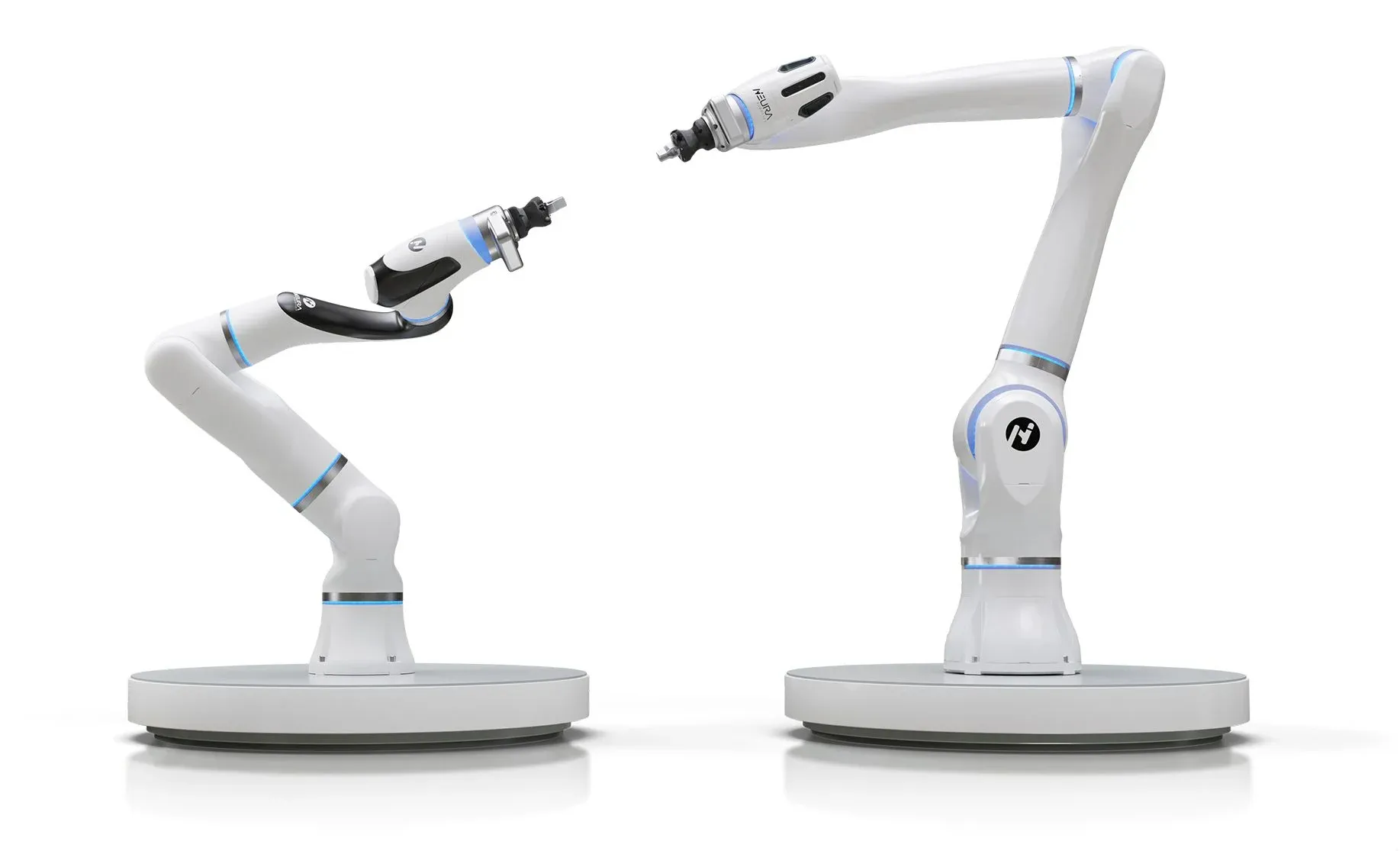
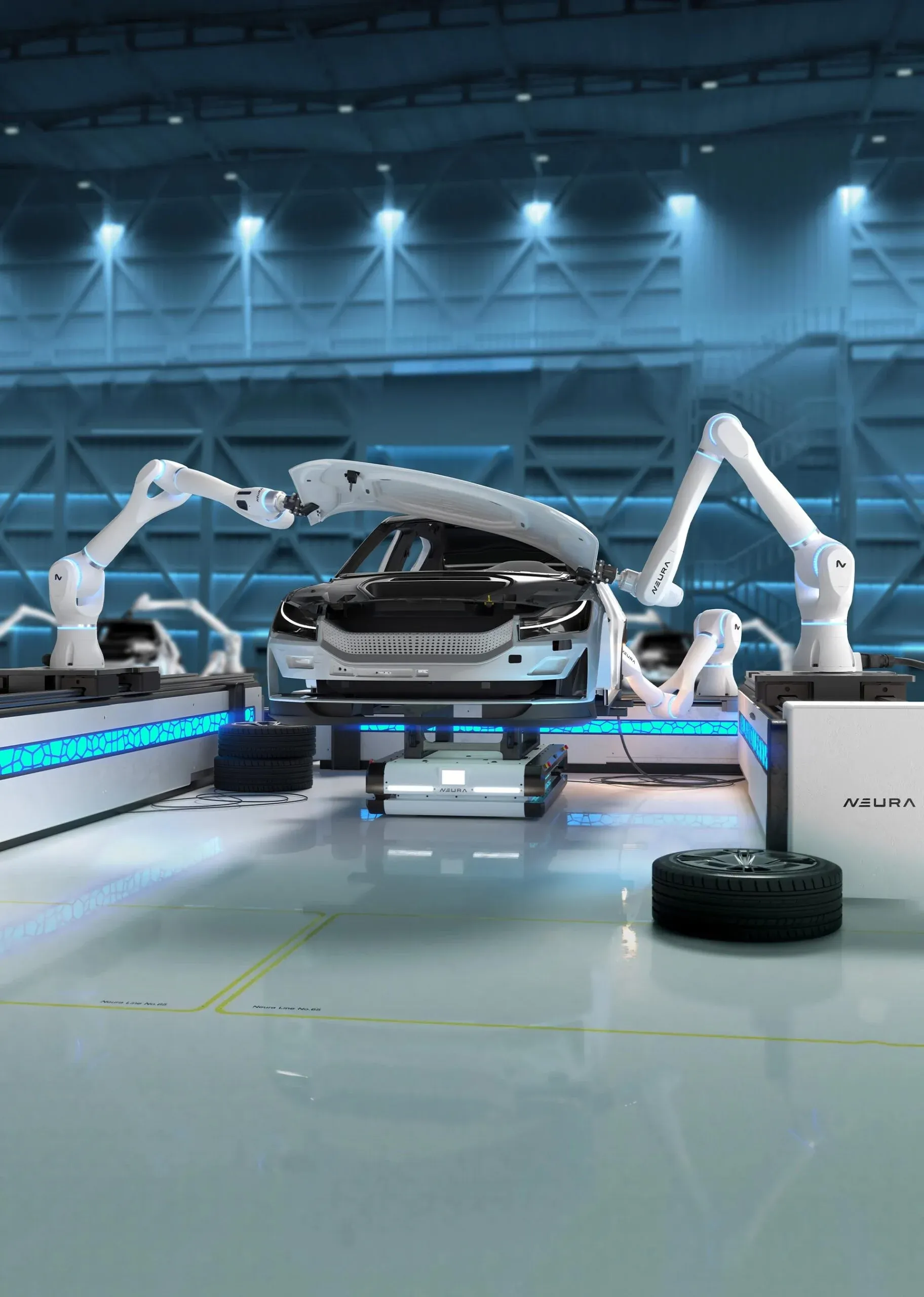
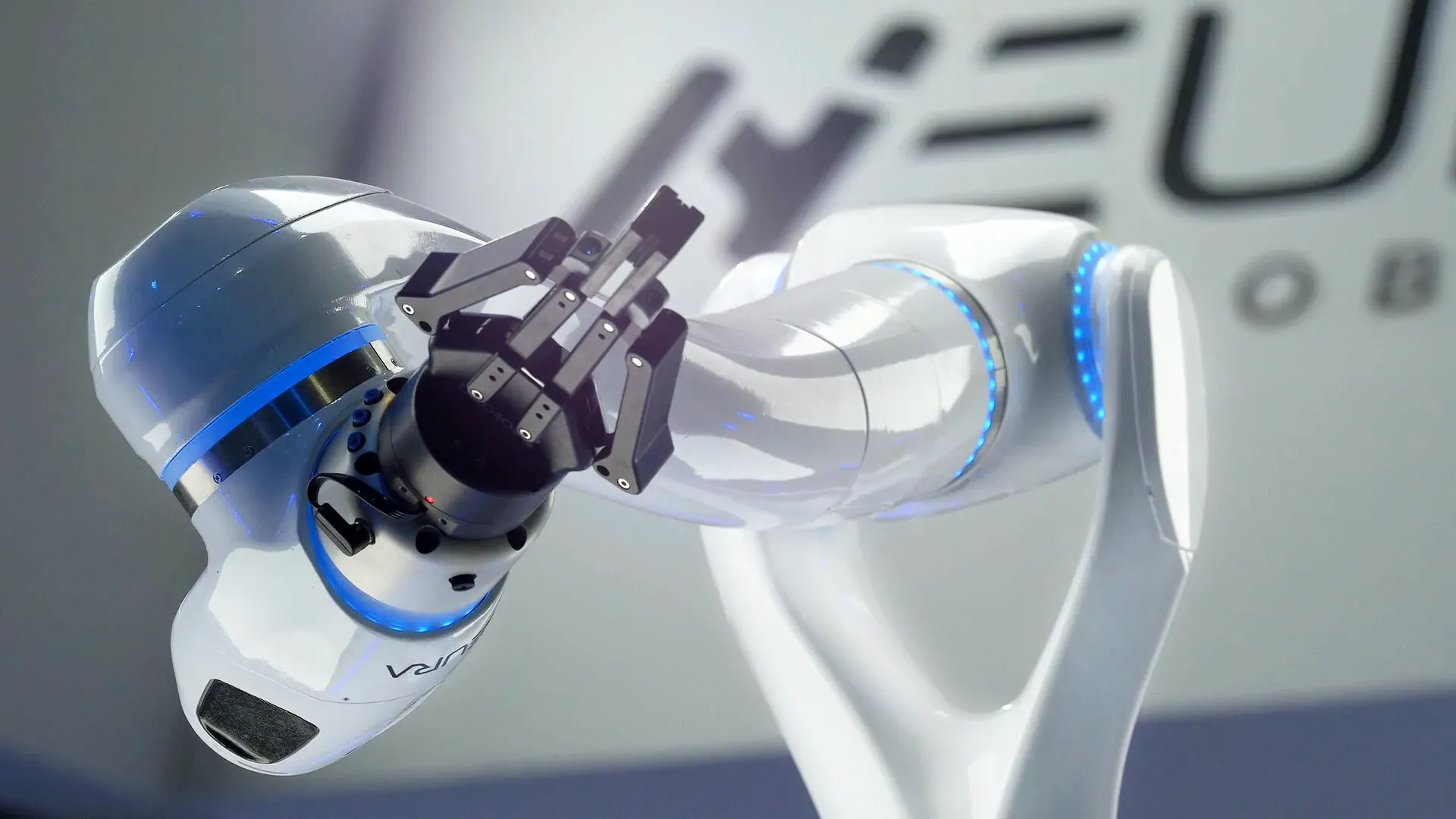
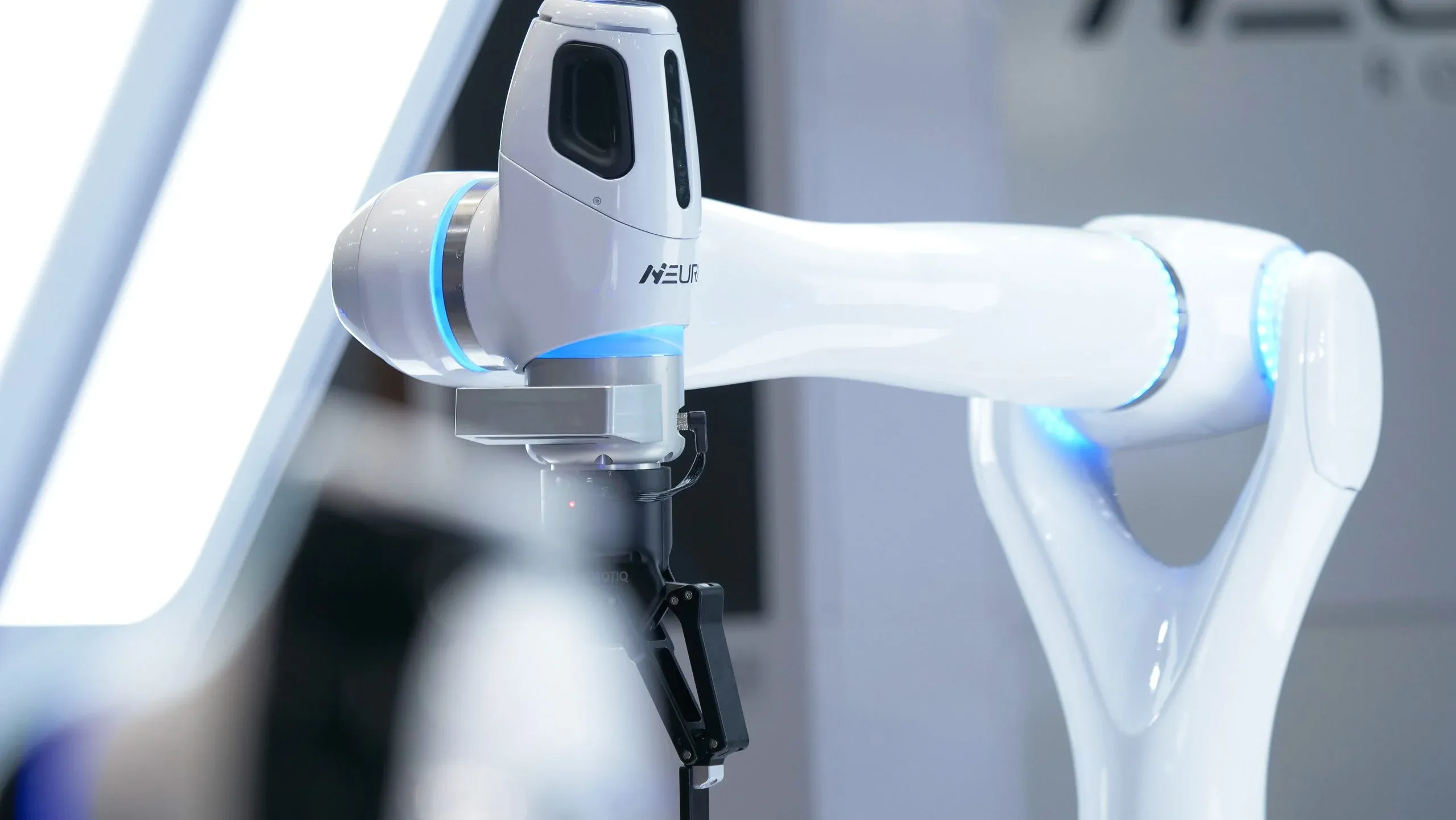
By incorporating intelligent sensors and complete AI capabilities into its core architecture, MAiRA (Multisensing Intelligent Robotic Assistant) is a next-generation cobot that defies convention. In contrast to traditional cobots, which depend on external sensors and pre-programmed routes, MAiRA has:
– Processing power of native AI
– 360-degree view using vision and LiDAR systems
– Recognition of Voice and Gestures
– Onboard safety systems
– A programming interface that is touch-based
Thus, in addition to being able to move precisely, MAiRA is also able to sense its environment, engage with people in a natural way, and adjust in real time to shifting conditions.
Important Aspects of MAiRA Cobot
1. Intelligent system perception
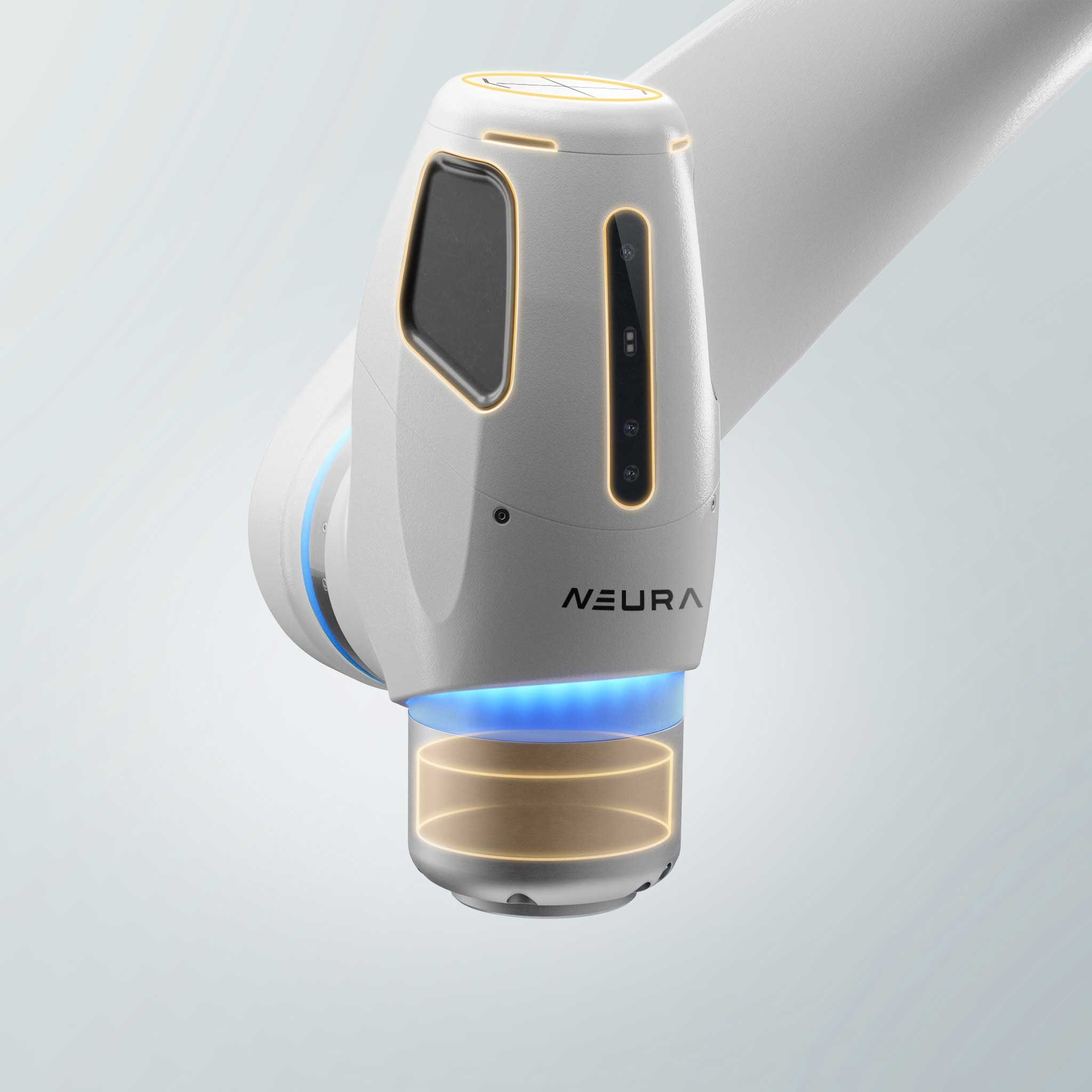
MAiRA is based on a very sophisticated perception system. It combines the following:
– Cameras for 3D Vision
– LiDAR Sensors
– Detectors of Proximity
– Touch sensors and microphones
When combined, they provide the robot the ability to see, hear, and feel, which is uncommon in other cobots. It can recognize human coworkers, sense impediments, and react to spoken or unspoken instructions.
2. AI Integration
MAiRA is “trainable” in addition to being “programmable.” It learns from demos, comprehends spoken instructions, and gradually improves its behavior using built-in AI. Machine learning enables MAiRA to:
– Recognize patterns
– Adapt to new tasks
– Improve accuracy
– Reduce operational errors
This leads to an autonomous cobot that learns tasks instead of merely performing them.
When people and robots share a workspace, safety is crucial. MAiRA satisfies ISO/TS 15066 and ISO 10218-1 safety requirements. It consists of:
– Limitation of dynamic speed and force
– Path correction that happens automatically
– Sensors for emergency stops
– Identifying and preventing collisions
Because of its all-around perception, MAiRA can provide a zero-harm environment by stopping instantly when someone approaches too closely.
4. Touch and Voice Interaction
MAiRA has both a voice-activated interface and a touch-based one. Employees can use straightforward expressions like these to command MAiRA:
– MAiRA, pick up the box.
Because of this, non-technical employees may easily control the robot without the need for complicated programming or specialized training. Additionally, it has gesture control, which allows users to move the robot’s arm with their hands.
Technical Specifications
| Feature | Specification |
|---|---|
| Payload | Up to 18 kg |
| Reach | Up to 1,800 mm |
| Degrees of Freedom | 6-7 |
| Repeatability | ±0.01 mm |
| Communication | Ethernet, Wi-Fi, Bluetooth |
| Programming Interface | Touchscreen, Voice, Gesture, APIs |
| Vision System | RGB-D + LiDAR |
| Safety Certification | ISO 10218-1, ISO/TS 15066 |
| Operating Temperature | 0°C to 45°C |
| Mounting | Floor, Wall, Ceiling |
Applications and Use Cases
1. Production
Several manufacturing floor jobs may be automated using MAiRA, including:
– Assembly
– Inspection of quality
– Handling of materials
– Palletizing and packaging
Its intelligence and accuracy minimize mistakes and boost output while operating securely near human operators.
2. Medical Care
In the medical field, MAiRA can help physicians and nurses with:
– Using medical equipment
– Keeping surroundings sanitary
– Helping with exercises for rehabilitation
– Keeping patients company and reminding them
into voice and touch control, MAiRA blends in seamlessly into caring settings.
3. Education and Research
In academic and research lab environments, MAiRA is a useful instrument that aids in:
– Automation in the lab
– Testing repeatedly
– Studies of human-robot interaction
It is perfect for university-level research and STEM instruction because of its user-friendly.
4. The Service Sector
In the retail and hospitality industries, MAiRA can:
– Reception-related tasks
– Customer support
– Shelf stocking
– Tours with a guide
It blends in perfectly with customer-facing positions because of its aesthetically pleasing design and human-like interaction.
Benefits of MAiRA Over Traditional Cobots
| Feature | Traditional Cobots | MAiRA Cobot |
|---|---|---|
| Perception | Limited perception (external sensors needed) | Native 360° perception |
| Programming | Programming required | Trainable with voice and gestures |
| AI Capabilities | Limited AI capabilities | Full AI integration onboard |
| Safety | Requires safety cages in some cases | Built-in safety without fencing |
| Task Flexibility | Static, task-specific use | Versatile, adaptable tasks |
Variants of MAiRA
To meet a range of industrial needs, NEURA Robotics has created many MAiRA variations:
1. MAiRA 10
– Payload: 10 kg
– Reach: 1,300 millimeters
– Perfect for lightweight operations and precise jobs
2. MAiRA 18
– Payload: 18 kg
– Reach: 1,800 millimeters
– Ideal for demanding industrial processes
3. Robotic Applications’ Little Assistant (LARA)
– A smaller version of MAiRA for entry-level automation
These variations guarantee adaptability in use cases for all sizes of enterprises.
MAiRA vs Other Leading Cobots
| Feature | MAiRA | UR10e | ABB GoFa |
|---|---|---|---|
| AI Capability | Built-in AI Core | Limited | Limited |
| Perception | Full 360° Vision + LiDAR | External cameras | External cameras |
| Programming | Touch, voice, gesture | Script or URCap | Teach pendant |
| Payload | Up to 18 kg | 12.5 kg | 5 kg |
| Safety | Advanced native safety | Standard | Enhanced but external |
| Interaction | Natural voice and gestures | Limited | Limited |
MAiRA’s and collaborative robots’ future
MAiRA represents a significant technical shift from automation to autonomy and is more than just a robotic invention. The need for intelligent, context-aware collaborative robots that can seamlessly integrate with human processes is increasing as companies in a variety of sectors adopt smarter, more flexible production methods.
1. Moving past automation and into self-governing intelligence
Conventional automation is based on rule-based, repetitive programming that is frequently limited to regulated settings. However, MAiRA belongs to a new class of robots that are:
– Context-sensitive
– self-education
– ability to make decisions
This change is opening the door to actual autonomy in robotics, where robots are able to perceive their environment, comprehend purpose, and optimize operations in real time.
2. AI-powered improved task learning
It is anticipated that further versions of MAiRA will demonstrate improved task learning capabilities via reinforcement learning and deeper neural networks. This implies:
– By observing people or being led through a single demonstration, robots will be able to pick up new skills on the go.
– Variable logistical setups, dynamic manufacturing floors, and households are examples of unstructured environments that MAiRA may adapt to.
– Collaborative learning will speed up the deployment process by enabling several MAiRA units to exchange insights through cloud connectivity.
3. Self-diagnosis and predictive maintenance
As part of a larger drive for Industry 4.0 and 5.0, MAiRA will enable self-diagnostics and predictive maintenance more and more. AI and built-in sensors will enable it to:
– Track its own deterioration in real time.
– Anticipate failures before they occur.
– Automatically plan service cycles
– Notify operators of component deterioration
This leads to increased operational dependability, lower maintenance costs, and maximum uptime—all of which are especially important for mission-critical applications in the industrial or healthcare industries.
In conclusion
NEURA Robotics’ MAiRA Cobot is a significant advancement in the way we use and interact with robotic technologies. MAiRA is more than simply a cobot; it’s a cooperative companion with unparalleled AI powers, sophisticated perception, and user-friendly controls. With the world fast heading toward Industry 5.0, AI-driven logistics, and smart factories, MAiRA provides the intelligence, adaptability, and human-centered design that future workflows require. MAiRA ushers in a new era of creativity, safety, and productivity for everyone involved—whether they are researchers, manufacturers, healthcare professionals, or automation enthusiasts.