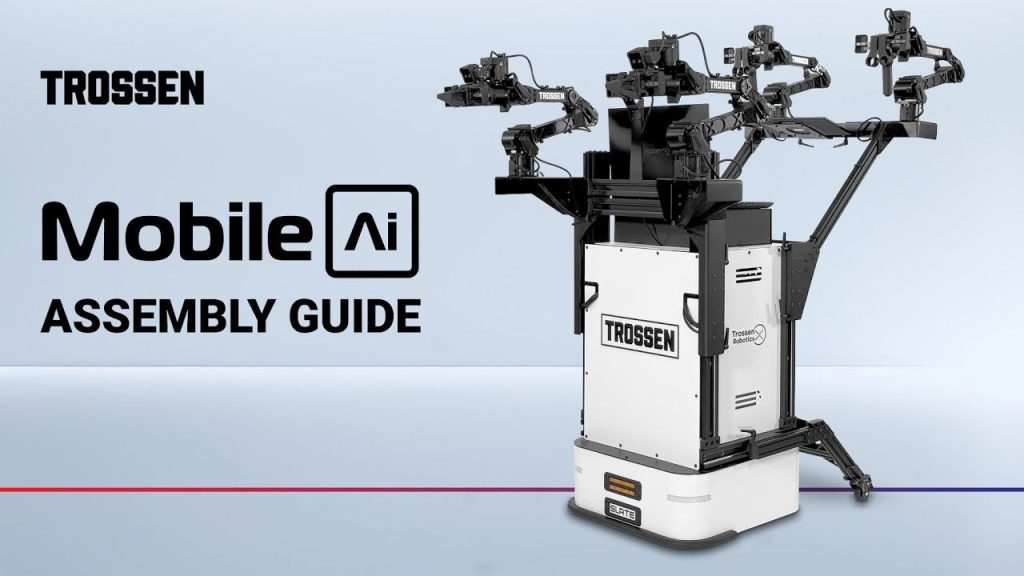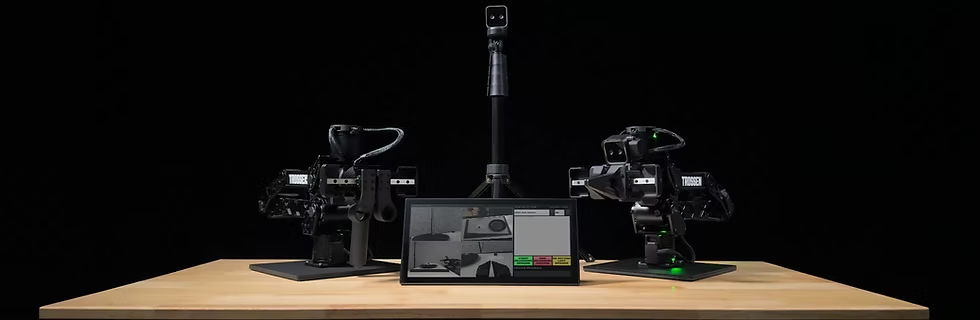


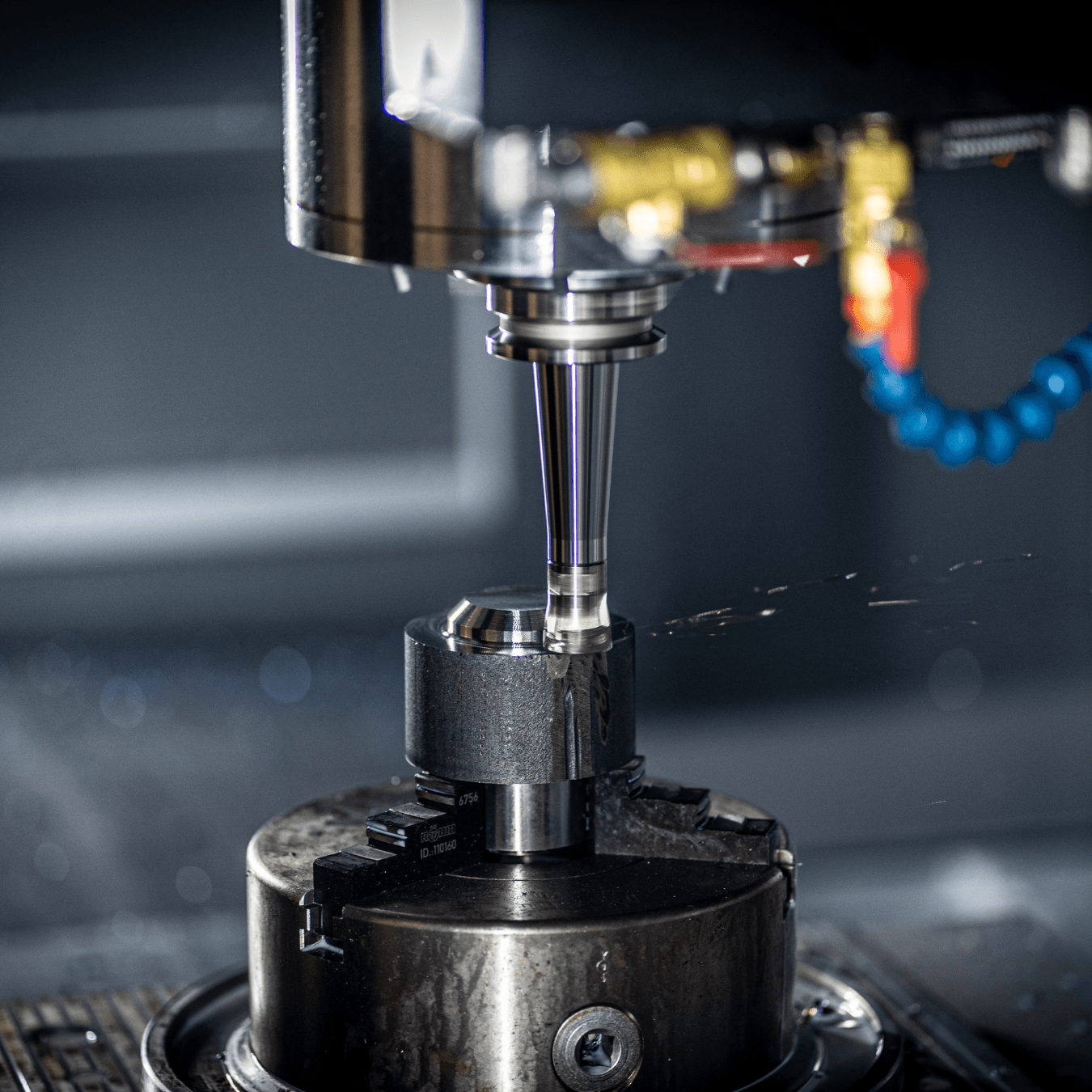
When combined, these technologies are not only increasing accuracy and productivity but also giving manufacturers the ability to design self-optimizing, adaptive systems that can react instantly to shifting circumstances. We examine how AI and machine vision are influencing autonomous manufacturing in this blog.
What Does the Smart Era Mean for Autonomous Manufacturing?
The ability of a production system to function autonomously—making choices, resolving issues, and streamlining processes without the need for human intervention is known as autonomous manufacturing. Autonomous manufacturing incorporates data-driven intelligence to comprehend complex events and respond appropriately, in contrast to standard automated systems that adhere to strict, pre-programmed instructions.
Autonomy in the smart era involves more than just quicker machines; it also includes mass customisation, error correction, predictive maintenance, and self-learning systems. The objective is to establish a manufacturing setting that is:
– Responsive: Being responsive means quickly adjusting to production irregularities or market demands.
– Reliable: Reducing downtime by astute observation.
– Scalable: Able to adjust to high-mix and high-volume manufacturing.
Digital twins, cloud computing, big data analytics, and the Internet of Things are examples of supporting technologies. The “brains and eyes” that enable machines to comprehend and engage with their surroundings intelligently are artificial intelligence (AI) and machine vision.
The AI Algorithms Underpinning Contemporary Robotics
The computer brain that powers intelligent industrial systems is artificial intelligence. It’s what gives machines the ability to think, learn, and adjust in fast-paced industrial settings. The main AI technologies enabling today’s factories are as follows:
1. Deep Learning and Machine Learning (ML)
Large datasets, such as production metrics, sensor readings, and visual inspections, can be analyzed by machines using machine learning algorithms to find trends and make defensible judgments. Image identification, anomaly detection, and predictive analytics are powered by deep learning, a branch of machine learning that uses neural networks.
2. Learning by Reinforcement (RL)
Robots can learn through trial-and-error interactions with their surroundings thanks to reinforcement learning. RL may gradually optimize force control and movement pathways in applications like robotic welding or pick-and-place tasks, increasing efficiency with each cycle.
3. NLP, or natural language processing
NLP makes it possible for operators to text or speak with machines. This makes human-machine interaction easier in Industry 4.0 settings, where engineers can use conversational interfaces to control systems or query data.
4. AI Edge
Edge AI processes data on-device or close to the source rather than transferring it to centralized servers. This enables real-time decision-making, as demonstrated by the instantaneous stopping of a robotic arm upon detecting an unanticipated obstacle in its path.
5. Artificial Intelligence
By pushing the limits of what autonomous systems can learn and reproduce, emerging technologies like generative artificial intelligence (AI) are starting to find use in process simulation, product design, and even the creation of synthetic training data for machine vision systems.
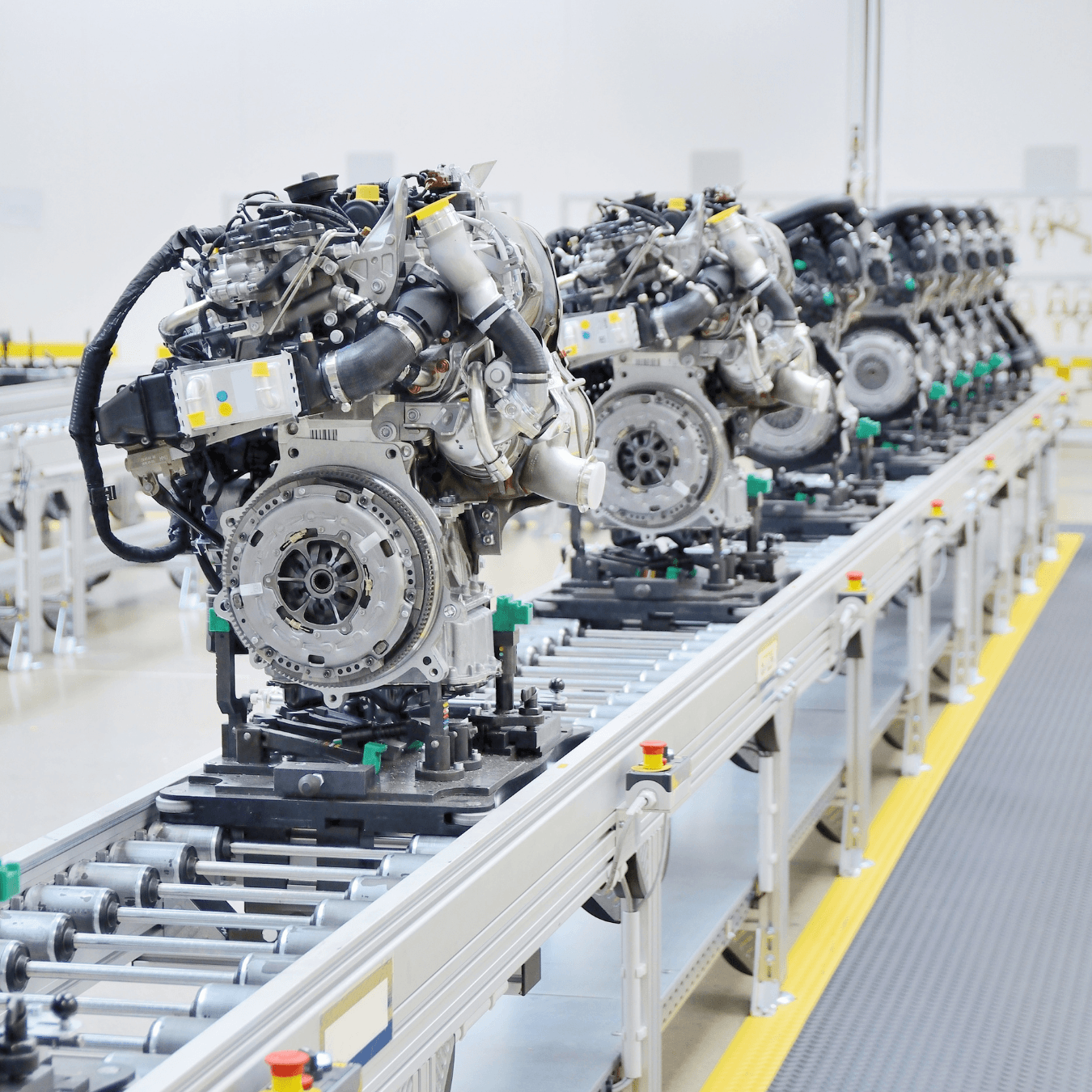
Machine Vision: From Identifying Flaws to Making
Decisions Machine vision is autonomous manufacturing’s eye, if artificial intelligence is its brain. High-resolution cameras and image processing algorithms are used by machine vision systems to carry out a wide range of activities, including robotic navigation, object recognition, and quality control.
1. Inspection of Visual Quality
These days, machine vision technologies outperform human inspectors in terms of speed and accuracy. Cameras with deep learning capabilities may identify minute surface flaws, color variations, or assembly mistakes in milliseconds, significantly lowering the number of false positives and scrap rates.
2. Depth sensing and 3D vision
Applications like robotic bin picking, in which the robot must recognize and grip irregular objects, are made possible by the depth perception that 3D vision brings. This is made possible by time-of-flight sensors, stereo vision, and structured light.
3. Recognition of Optical Characters (OCR)
Reading labels, serial numbers, and barcodes requires machine vision with OCR capabilities, especially in the pharmaceutical and logistics sectors where traceability is critical.
4. Robotic Arm Guidance
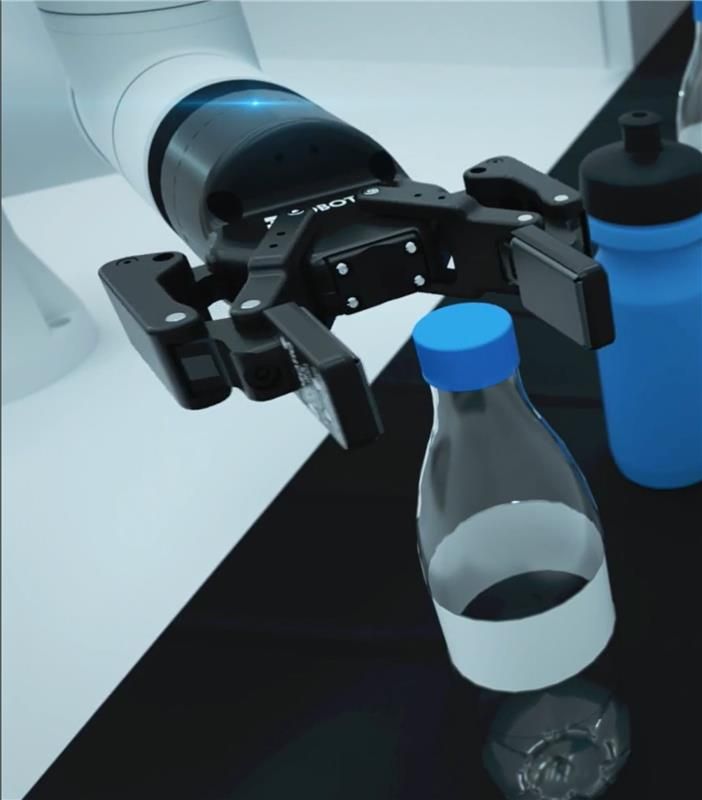
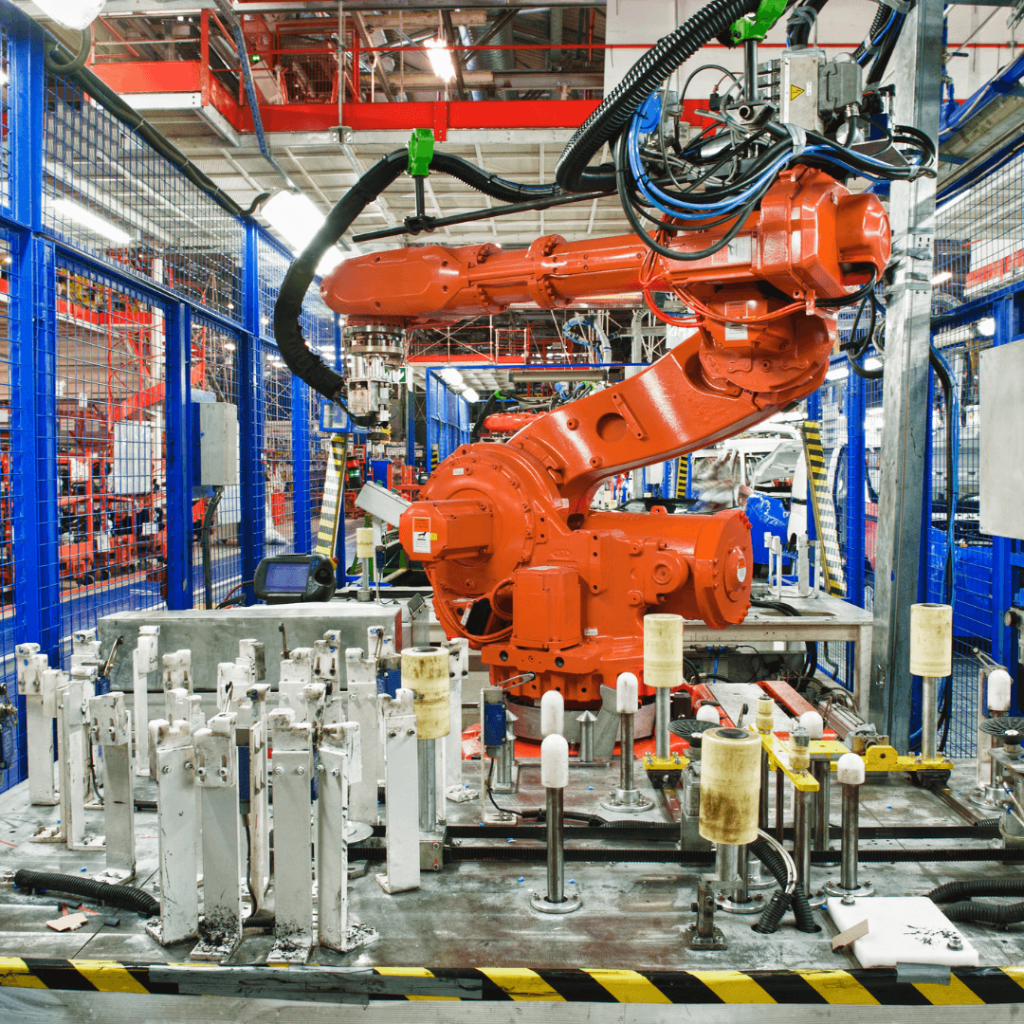
Robots having vision systems are able to modify their movements in response to immediate feedback. Machine vision, for example, enables robotic arms to precisely arrange components on an electronics manufacturing line, even if those parts move slightly on the conveyor.
5. Decision-Making Driven by AI
Contemporary vision systems determine if a product satisfies quality standards or need revisions in addition to detecting flaws. In order to establish a closed-loop control system, they can even notify upstream processes to modify parameters.
Important Sectors Gaining from Autonomous Solutions
The solution to autonomous production is not universal. These technologies are used by many businesses to address particular problems. These are some that are benefiting greatly:
1. Automobile
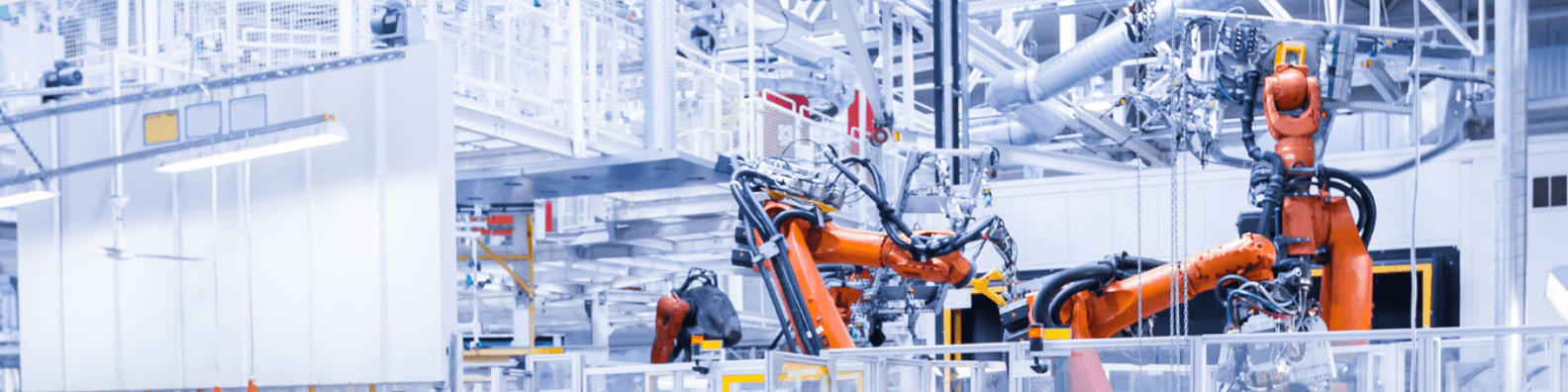
When it comes to implementing AI-powered robotics and machine vision, the car industry is setting the standard. Automakers are experiencing enormous productivity benefits from automated inspection and predictive maintenance to autonomous welding and laser cutting.
2. Semiconductors and Electronics
Due to component downsizing, manual assembly is no longer feasible. In high-speed PCB and chip production lines, AI-guided robots and vision systems provide accurate placement, defect detection, and ESD-safe handling.
3. Pharmaceutical and Healthcare
Vision systems for pharmaceuticals and healthcare confirm that dosage, labeling, and packaging integrity adhere to legal requirements. Additionally, autonomous systems help maintain sterile industrial settings, which lowers the possibility of human contamination.
4. Food and Drink
Machine vision verifies contaminants, fill levels, and package correctness. AI can optimize ingredient usage, control shelf life, and estimate demand, reducing waste while maintaining quality.
5. Clothing and Textiles
AI and vision automate labor-intensive textile production operations, such as color matching, seam inspection, and pattern recognition for fabric cutting.
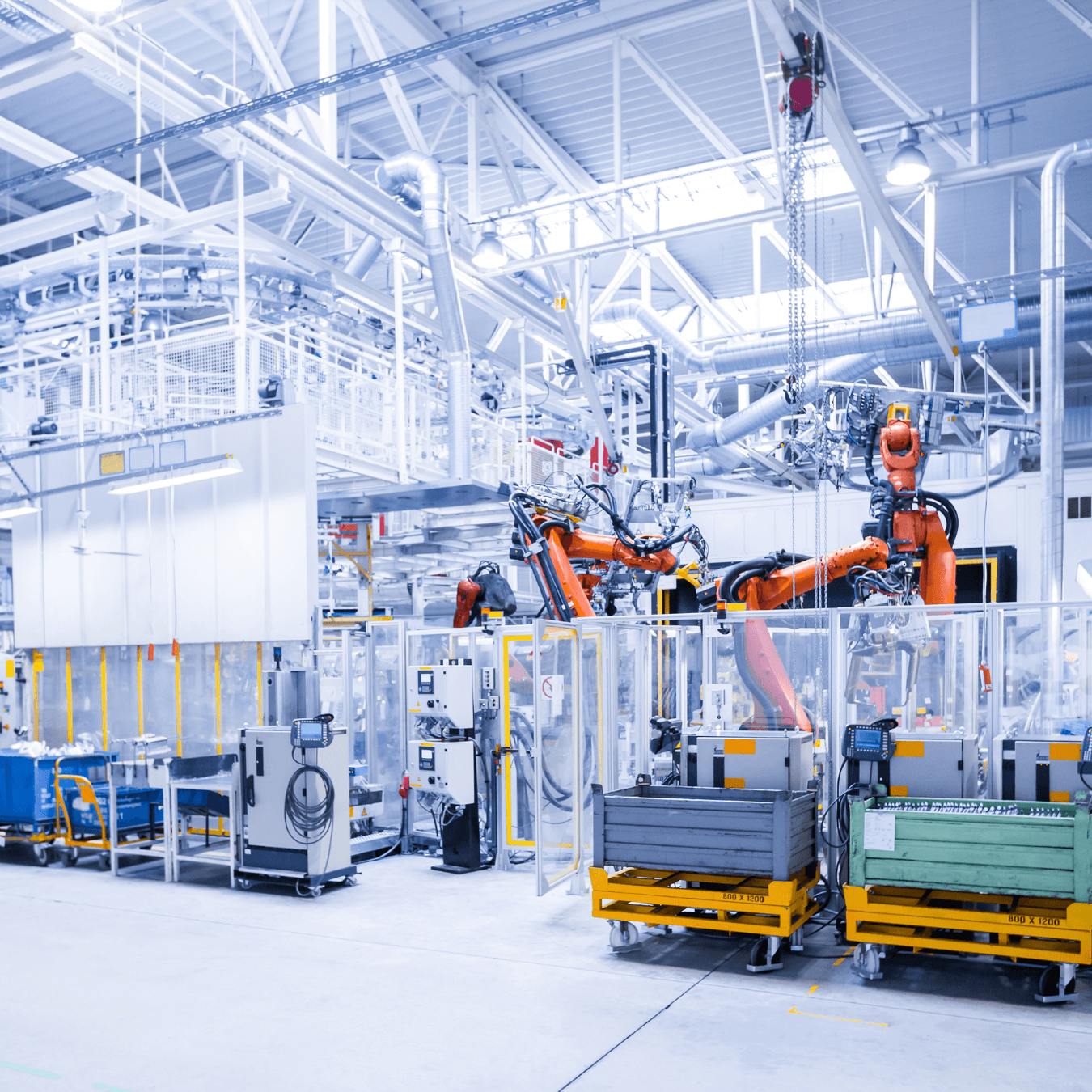
Roadmap for Complete Automation: Innovations and Difficulties
Fully autonomous manufacturing holds great promise, but before it is widely adopted, a number of obstacles need to be removed.
1. Integration and Data Silos
Data sharing was not intended for many legacy systems. AI algorithms are unable to learn or optimize without a uniform data architecture. It is critical to advance open standards and interoperable technologies.
2. Implementation Cost
Systems for AI and machine vision can be costly up front. The ROI might not be immediately apparent for small and medium-sized businesses (SMEs). But technology is becoming more accessible because to as-a-service models and modular adoption.
3. The Skills Gap
Professionals with the necessary skills to oversee, program, and debug autonomous systems are in short supply. It is essential to upskill employees through training courses and low-code/no-code interfaces.
4. Issues with Cybersecurity
Increased connectedness also increases susceptibility. Cyberattacks must be prevented by autonomous systems, particularly in vital sectors like energy and military.
5. Considerations for Ethics and the Law
Accountability is called into doubt by AI-driven industrial decisions, particularly in regulated industries. Building trust requires explainability frameworks and transparent AI models.
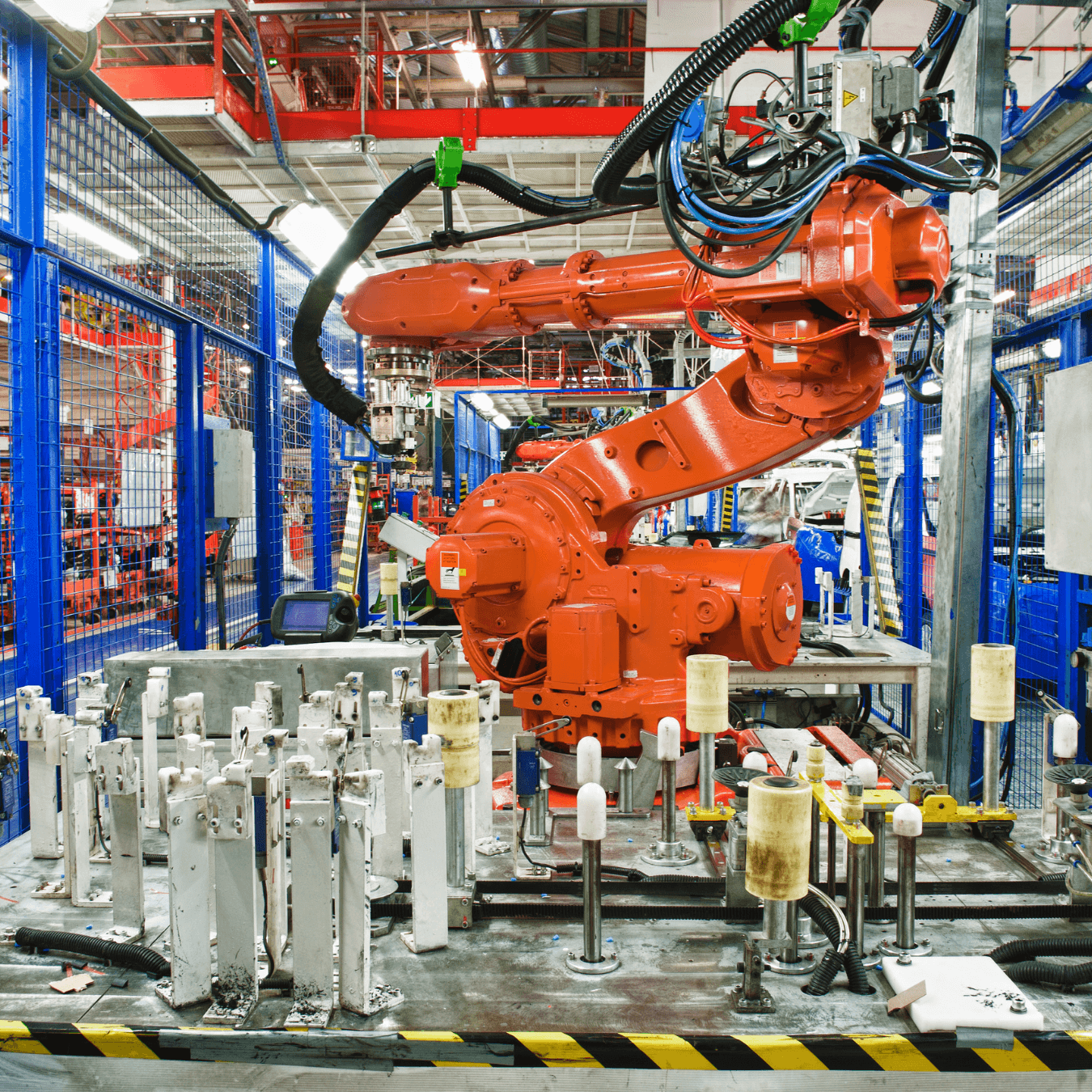
The Way Ahead: Pioneering Innovations
Manufacturers and tech firms are leading a number of initiatives to address these issues:
– Cobots, or collaborative robots: Cobots bridge the gap between manual and autonomous production since they are simple to program and safe to use with humans.
– Digital twins: Before being deployed in the real world, production can be simulated and optimized using virtual versions of physical systems.
– AI Chips and Accelerators: Dedicated hardware is increasing edge computing and machine learning inference’s efficiency.
– Cloud-Connected Platforms: Real-time optimization and worldwide visibility are provided via cloud-based analytics and monitoring.
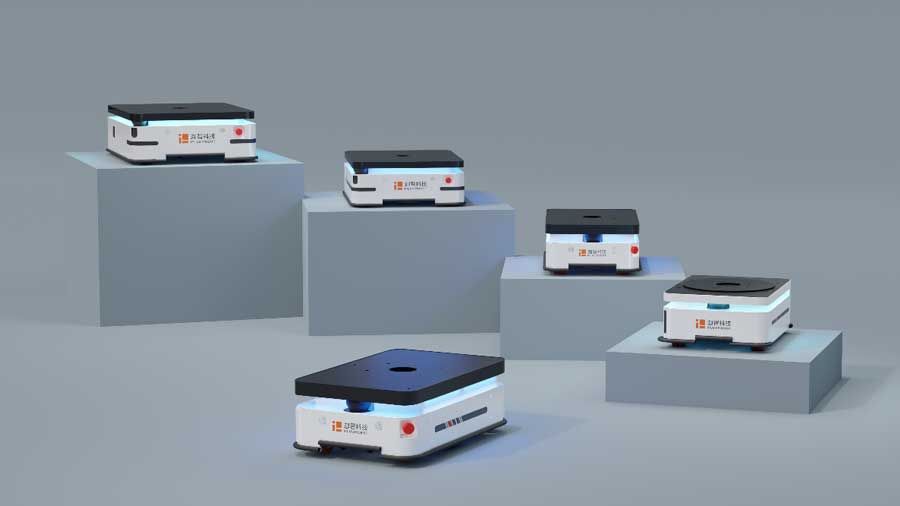
– The self-navigating: robots known as Vision-Guided Autonomous Mobile Robots (AMRs) automate intralogistic processes in smart factories.
A Conclusion
Nowadays, autonomous manufacturing is a reality that is changing how we produce, distribute, and maintain goods in the global economy. It is no more a sci-fi fantasy. Factories are becoming more intelligent, efficient, and adaptable than ever before, with AI serving as the brain and machine vision as the eyes.
The path to complete autonomy is rapidly taking shape as obstacles like cost and integration disappear and technologies keep making access more accessible to all. In the era of Industry 4.0, manufacturers who embrace this shift will not only survive but flourish, offering unparalleled flexibility, reduced costs, and increased production.