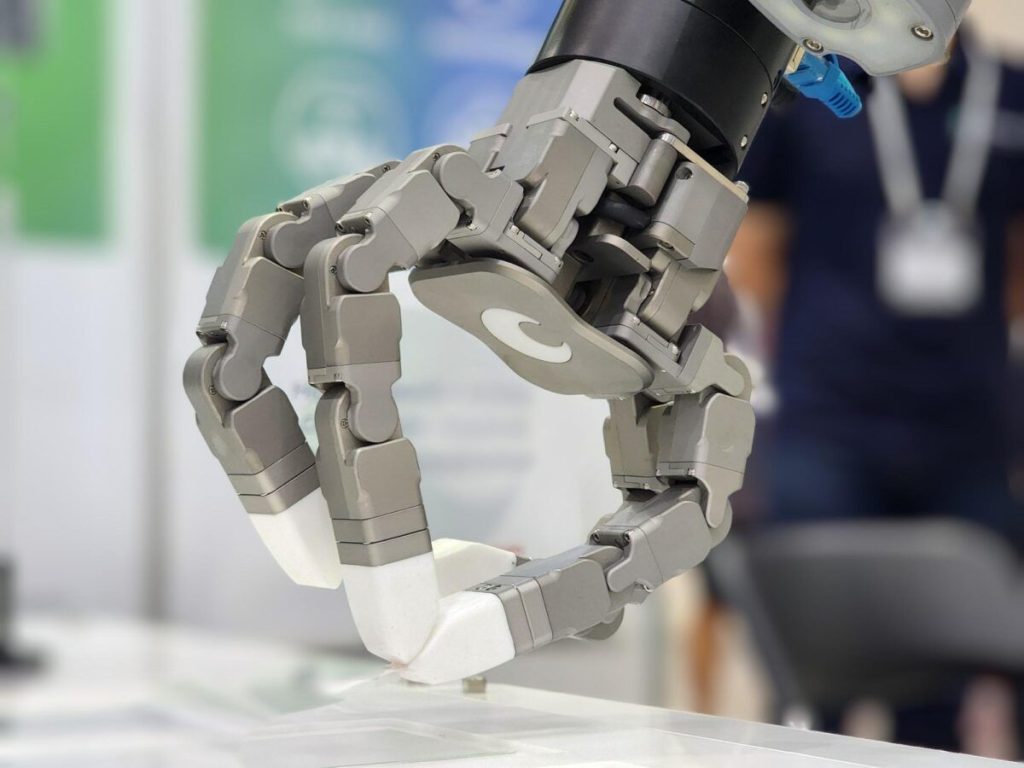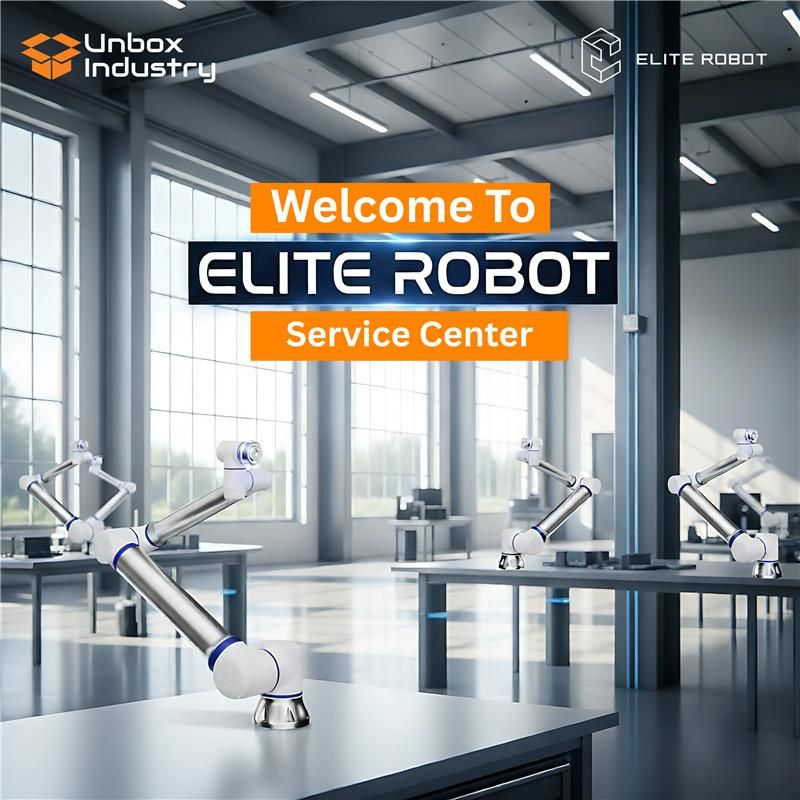


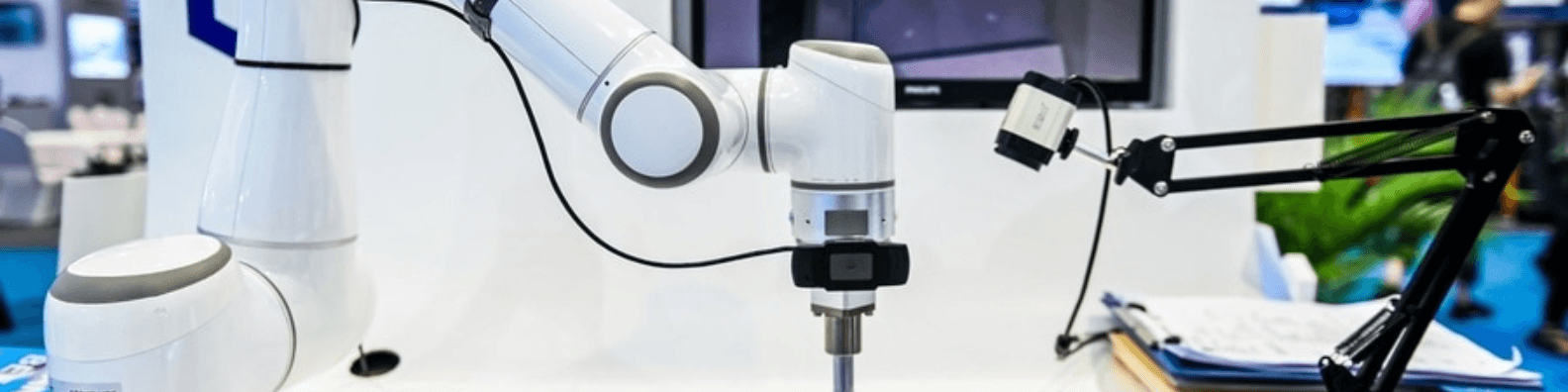
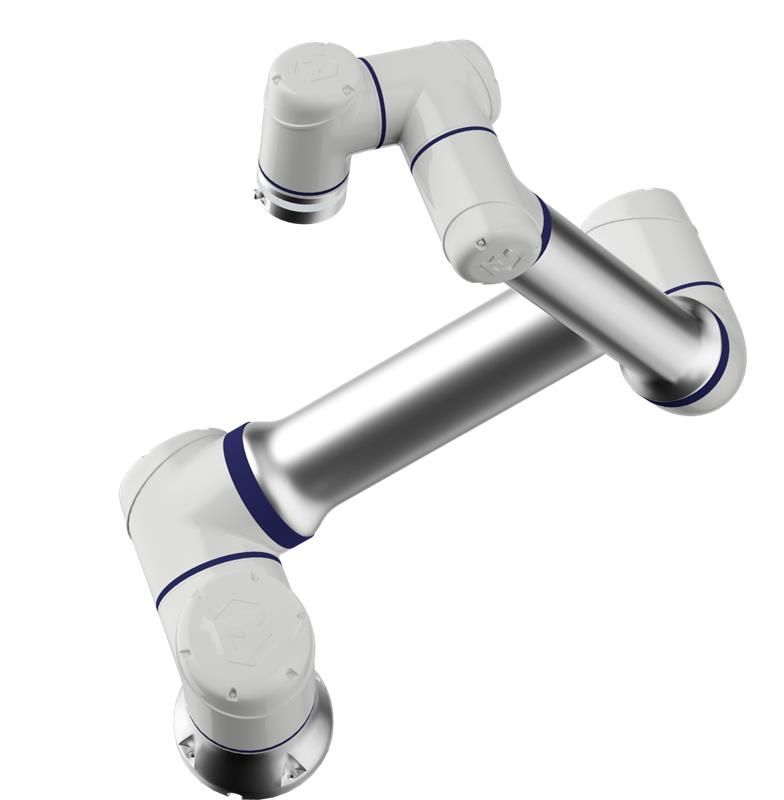
Cobots , as opposed to conventional robots built for mass manufacturing, are intended to work alongside people. This change is cultural in nature rather than just technical. It involves reconsidering people, accuracy, and production. Cobots from Elite Robot are designed to fit this new industrial paradigm. They are lightweight, portable, and simple to use for a variety of jobs, from delicate inspection to light construction. They enable even small and mid-sized firms to automate processes without significant capital expenditures or professional robotics knowledge because to their versatile end-effectors and user-friendly programming interfaces. Additionally, mass customisation and hyper-flexibility are being made possible by these cobots, allowing production lines to instantly adjust to various goods, materials, and workflows. That is very different from the costly and inflexible installations of the past.
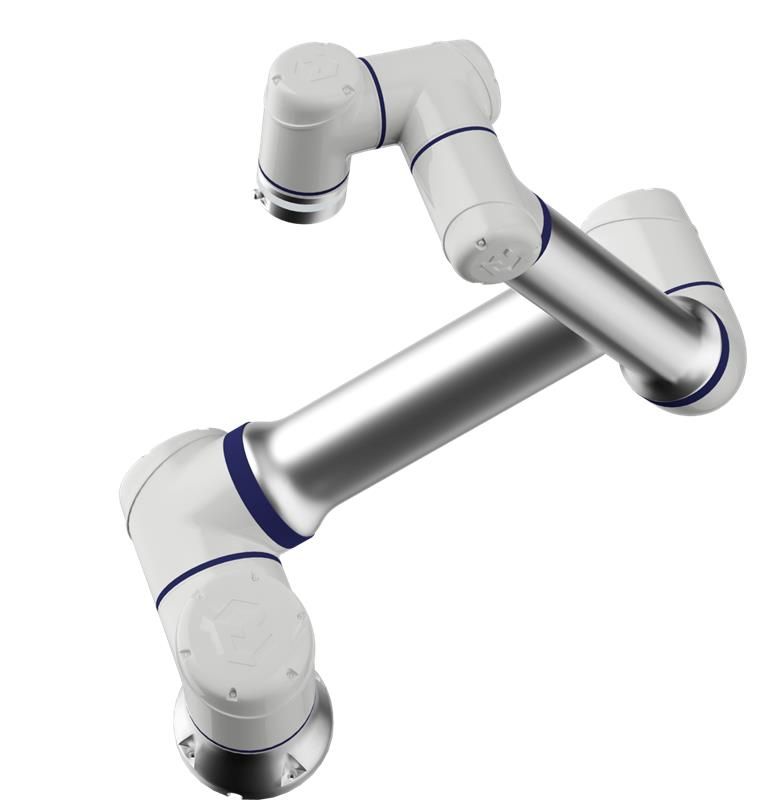
How Cobots Are Being Empowered by AI and Machine Vision
– Use real-time visual data analysis to direct robotic mobility.
– Carry out comprehensive quality checks with precision.
– Adapt operations in real time depending on feedback from AI.
Consider the AI-vision-capable cobots that Elite uses for electronics manufacturing. These robots can detect flaws that are imperceptible to the human eye, find tiny parts on busy PCBs, and change their position in real time. Higher throughput, less waste, and fewer errors are the outcomes.
Elite Robot’s technologies accomplish what is known as cognitive automation —a field in which robots not only carry out tasks but also comprehend them—by fusing motion planning, AI, and vision. In settings where change is commonplace, this jump is essential. Vision-driven cobots perform exceptionally well in situations where traditional automation falls short, whether they are collecting objects in dynamic surroundings, sorting oddly shaped parts, or inspecting weld seams.
By incorporating deep learning models, Elite improves the system’s capacity to identify patterns, categorize items, and make predictions. This is especially beneficial in industries like:
– Automobile, for surface examination and paint.
– Pharmaceuticals, for the purpose of verifying labels and packaging.
– Consumer electronics, for solder quality checks and micro-assembly.
Efficiency and Safety: The Model of Human-Robot Cooperation
The inherent safety features of collaborative robots are one of their distinguishing characteristics. Without sacrificing strength or speed, Elite Robot’s cobots are made to work side by side with humans thanks to features like gentle force feedback, built-in torque detection, and adjustable safety thresholds.
Real-time monitoring and reaction mechanisms are included into Elite’s cobots. The robot automatically slows down or stops if someone touches its arm or enters its working area. These astute reactions maximize floor space and productivity by ensuring that operations continue without putting robots in cages. In actuality, teamwork involves fluid task-sharing rather than just being close. A human may start a procedure in numerous operations, and the cobot will take over repetitious tasks. In others, the worker might finish the assembly while the cobot gets ready for the next component.
This hybrid workflow combines robotic speed, accuracy, and consistency with human dexterity, intuition, and decision-making to bring out the best in both.
Drag-and-drop interfaces and hand instruction make programming Elite Robot simple. By enabling operators without any prior knowledge of coding to teach a robot new duties, this democratizes automation. Additionally, workflows are continuously optimized using AI models and real-time data from sensors. The cobot is capable of learning and reproducing a motion over several cycles if an operator modifies a portion in a different way. This capacity for adaptive learning fills the gap between inflexible automation and intelligent, adaptable help.

Applications in the Real World for Inspection, Assembly, and Other Tasks
Globally, a variety of manufacturing settings, including cleanroom labs and lean assembly lines, are implementing Elite Robot’s solutions. Let’s examine some notable instances when human-machine cooperation excels:
1. Electronics Elite Precision Assembly
In the electronics industry, robot cobots are used for complex assembly activities like gluing parts, fastening modules, and positioning circuit components. Even if elements differ slightly from batch to batch, vision systems aid in accurate alignment.
2. Automotive Surface Inspection
Elite cobots check body panels for dents, scratches, and uneven paint using high-resolution cameras and artificial intelligence . The robotic system guarantees uniformity over thousands of items, in contrast to manual examination.
3. FMCG Packaging and Palletizing
With the help of dynamic path planning and vision-guided alignment, Elite Robot’s cobots manage packaging activities that require rapid movement. They can more effectively stack irregular packages thanks to smart vision, which increases warehouse throughput.
4. Pharmaceutical Quality Testing
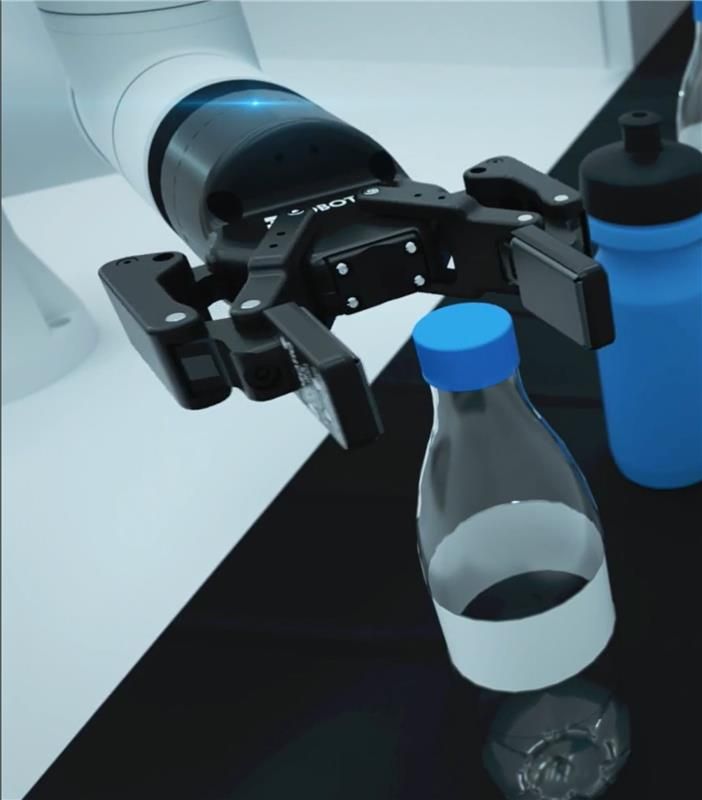
Elite cobots use machine vision to confirm labeling, cap tightness, and expiration printing in the pharmaceutical sector, where safety is crucial. Their capacity to identify minute flaws lowers the possibility of human error.
5. Metalworking Machine Maintenance
Elite cobots improve uptime by loading and unloading components from CNC machines with 6-DoF and AI-enhanced awareness. They have the ability to instantly adapt to varying part sizes, unlike conventional machine tending robots.
A crucial trend is demonstrated by these examples: human-machine teams perform better than both humans and robots operating alone. Productivity is changing as a result of the combination of clever automation and skilled labor.
Next Steps: Cobots in Smart Factories Using Adaptive Learning
Manufacturing’s future depends on context-aware, adaptive systems that automate processes and get better with time. According to this vision, cobots develop into coworkers who can anticipate outcomes, adjust to new responsibilities, and learn from their surroundings.
Elite Robot is making significant investments in this next stage. Important developments include:
1. Intelligent Configuration and Self-Calibration
In the future, Elite cobots will use AI and vision to automatically adjust to a new tool or workspace without assistance from humans. This facilitates deployment across various locations and significantly cuts downtime.
2. Process Optimization in Real Time
Elite cobots can identify patterns in sensor data, such as when a tool is beginning to wear out, and notify maintenance workers before a failure happens. Predictive maintenance is a method that saves money and time.
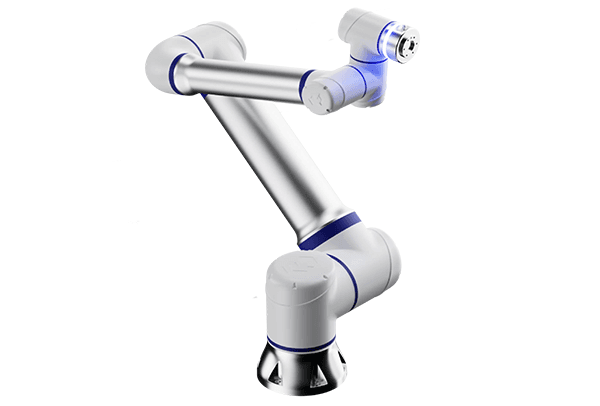
Elite imagines a networked system in which cobots exchange knowledge; for example, if a robot in one plant improves a task, the fleet benefits. The way factories adjust to changes in the market may be completely transformed by this cloud-based intelligence.
4. Interfaces for Natural Language
Operators will be able to control Elite cobots with straightforward voice or text commands thanks to AI-powered language processing. It might become as instinctive as sending a message to “pick up the blue component and place it in tray A.”
5. Extended Sensing Using Tactile Feedback and 3D Vision
To comprehend an object’s structure, texture, and stability, Elite’s new cobots will combine 3D cameras and touch sensors. This makes it possible to handle soft materials, changeable parts, and fragile objects more effectively.
Conclusion: Constructing the Future Factory—Now
It is not science fiction; the transition from simple cobots to intelligent, vision-powered collaborators is now taking place. Manufacturers are no longer forced to choose between automation and jobs, or between efficiency and flexibility, thanks to firms like Elite Robot leading the way.
Future occupations will be created by cobots, where people concentrate on design, supervision, and creativity while robots take care of the mundane tasks. Cobot capabilities are being enhanced by AI and vision technologies, which will increase safety, accuracy, and adaptability across all industries.
The bond between people and robots will only grow stronger as smart industries become the new norm. And with Elite Robot’s ongoing innovation, the way forward is obvious: work together, pick up new skills, adjust, and create a better society.