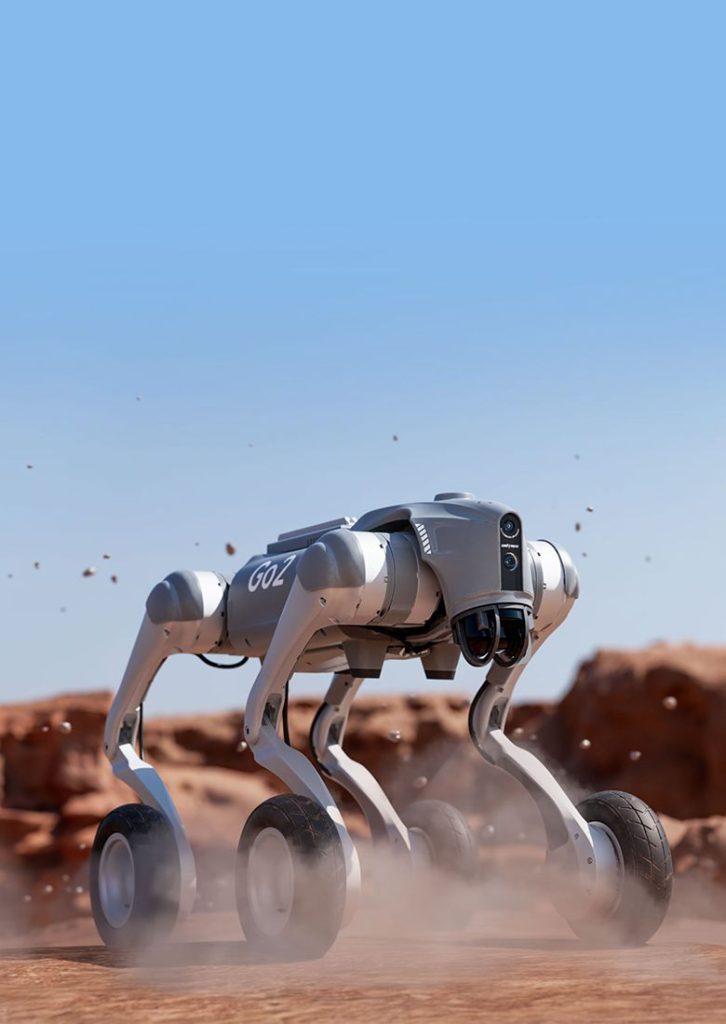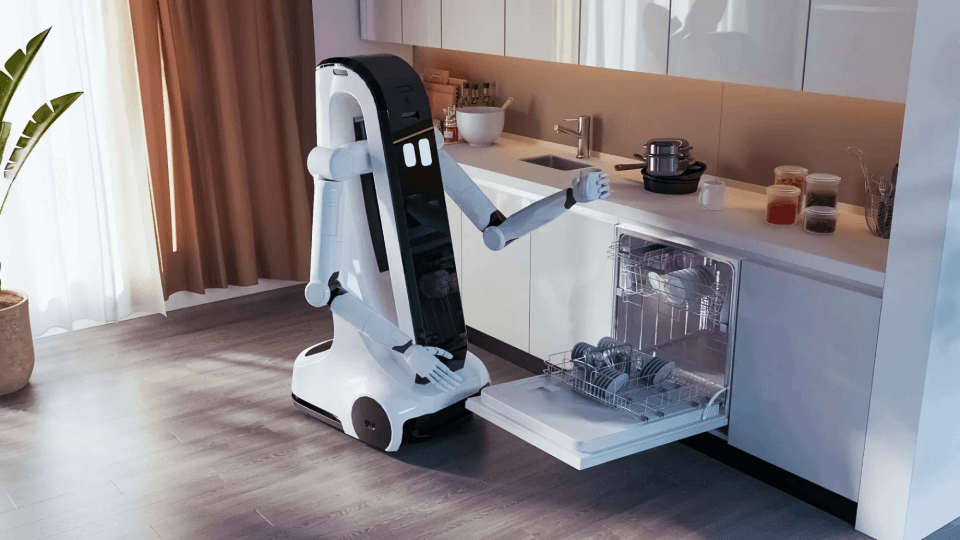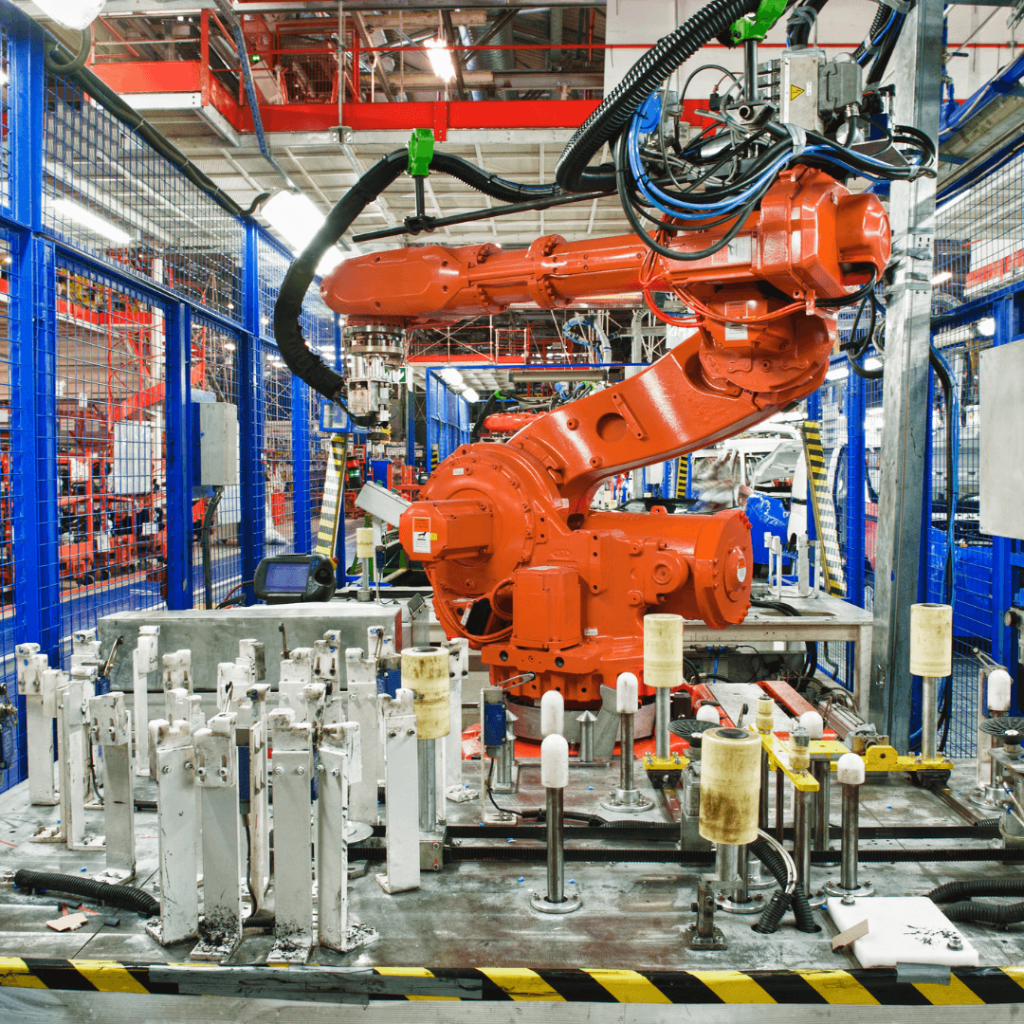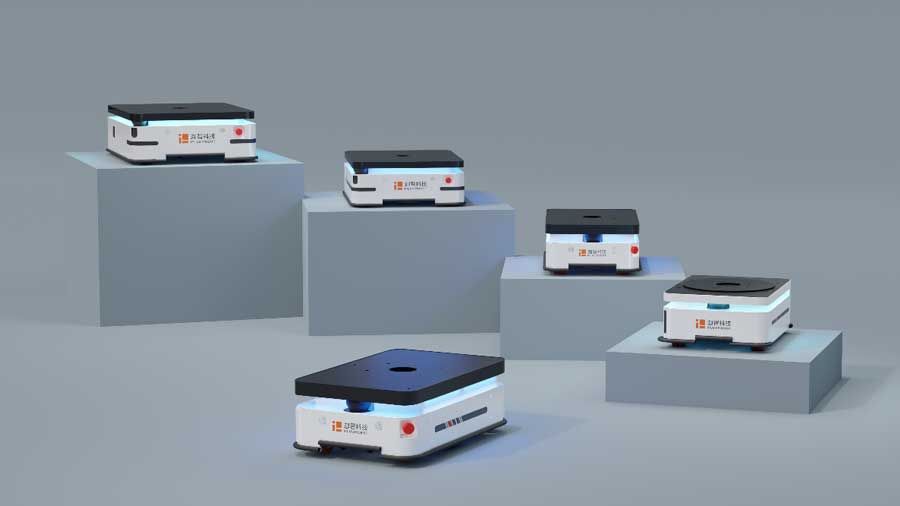


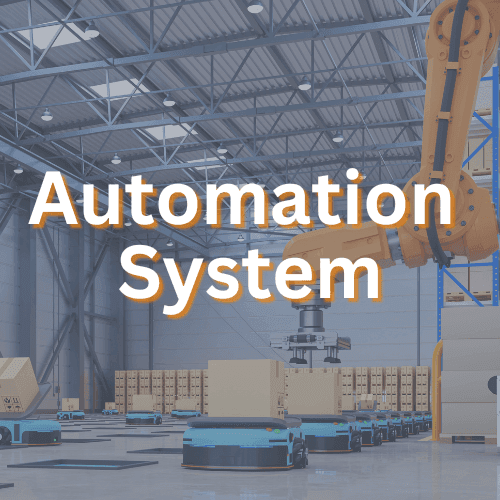
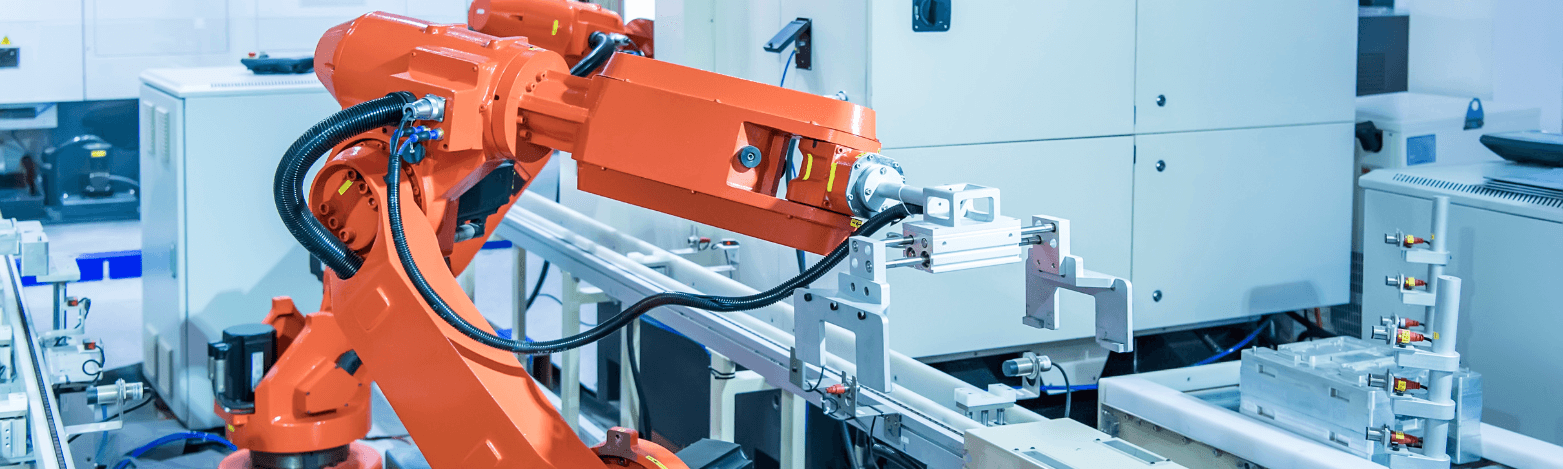
Many automated systems evolve from manual procedures like drilling, cutting, and welding. They incorporate robotic arms to control the tool’s movements, replicating the actions of human operators. In process control, automation finds diverse applications, overseeing and regulating parameters. This involves managing equipment like heaters, motors, pumps, and compressors, and controlling process lines through the manipulation of control valves.Automation systems come in various configurations, even for a single function. The prevalent uses of automation systems include:
Advantages and Disadvantages of Automation
The primary goal of implementing an automation system is to minimize human involvement due to the potential for errors and fatigue associated with human operators, which can result in various issues. Incorporating an automation system can yield significant advantages in terms of profitability, production efficiency, safety , and product quality. The following outlines both the positive and negative aspects of using automation systems.
Enhanced Production Consistency:
When appropriately designed, robotic systems have the capability to streamline complex movements, thereby reducing the time required for production. This efficiency translates into a higher production rate, leading to increased production volumes and improved profitability. Achieving swifter actions needs a sufficient force provided by the driver, and the movement of links and joints must flow smoothly without unnecessary transitions. Additionally, the processing speed of computers surpasses that of humans, contributing to a more efficient production process. While humans excel at processing complex information, factors like human error, breaks, and sick days can affect performance, making computers a more reliable choice in certain scenarios.
Enhanced Reproducibility:
The efficiency of a production line stems from the repetitive sequence of movements, akin to a programmed set of actions carried out by the operator. This process involves minimal decision-making, as the actions are guided by a predetermined and specific set of instructions. The repetitive nature of these movements allows for their breakdown into straightforward translations and rotations, which can be precisely programmed into a robotic system. With actuators designed to show a near-constant range of motion, this programming contributes to an elevation in repeatability.
Precision and Accuracy:
As previously told, the actuators are specifically crafted to execute movements within a consistent range. The attributes of an actuator’s motion remain unchanged unless there is a feedback signal or alteration in the control variables. The automation system can undergo calibration to ensure the delivery of consistent output with minimal to no deviation.
Improved Product Quality:
Automated systems contribute to the creation of products with unparalleled consistency. By cutting the potential for human error and subjective judgment, automated processes work based on logic, meticulously assessing whether specified conditions align with the desired output. Continuous verification is helped through feedback systems that surpass human efficiency.
Enhanced Working Conditions:
Tasks involving extreme temperatures, high pressures, excessive forces, rapid movements, or exposure to toxic materials pose inherent safety risks to human personnel. Automation empowers robots to undertake such hazardous activities, effectively cutting the potential for injuries or fatalities.
Reduced Operating Expenses:
Beyond the increased profitability stemming from improved product quality and a consistently higher production rate, more economic advantages arise from decreased raw material wastage and reduced labour costs. Automatic feeding systems ensure uniform usage of raw materials, minimizing wastage through optimized and programmable feed amounts. Moreover, a single robot can execute tasks that would typically require multiple human workers, resulting in significant workforce savings. Over the long term, these cumulative benefits help offset the first high investment associated with installing an automated system.
Disadvantages:
High Initial Investment:
The primary deterrent for process owners considering the implementation of automated systems is the substantial upfront investment needed. In addition to the sensors, controllers, and actuators, an automation system encompasses various auxiliary components, including the power supply, compressed air system, hydraulic system, and lubrication system. The cost of robotic systems can range from hundreds of thousands to millions of dollars, contingent upon the complexity of the desired automation.
Increased Maintenance Demands:
While automated systems do not experience fatigue like human operators, continuous operation inevitably leads to wear and tear of components. To ensure best performance and a prolonged service life, regular maintenance is essential to find and address any issues that could potentially cause unplanned shutdowns.
Limited Versatility:
Many automation systems lack easy reconfigurability. Features like modularity and programmability, which enhance equipment flexibility, contribute to increased equipment costs. Moreover, as robots strictly adhere to specific instructions, any deviation from their programming can result in unpredictable outputs or sudden system failures. Human operators own the ability to analyse unforeseen conditions and respond accordingly, a capability not easily replicated by automated systems.
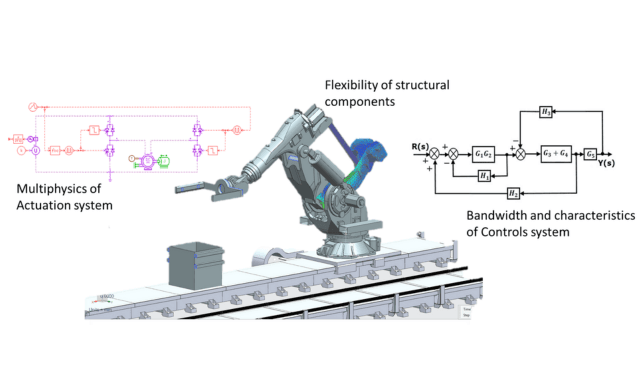
Basic Components of an Automation System
An automated system comprises a device capable of receiving input, such as a sensor or human-machine interface, a computing system (processor), and manipulators responsible for executing the designated tasks (actuator). Among these components, the pivotal element is the computing or control system, which can be categorized into two types: open loop and closed loop (feedback) control.
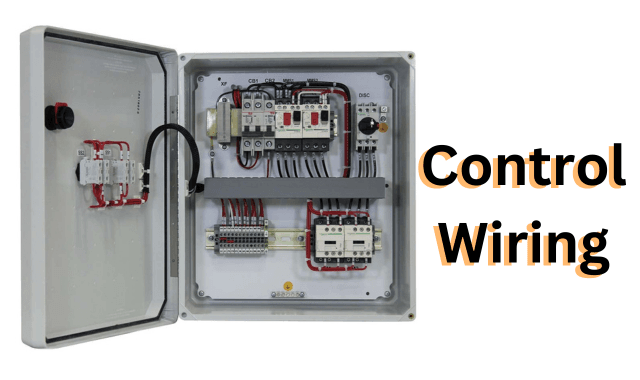
Cartesian Robot:
A Cartesian robot consists of three prismatic joints. Its name is derived from the three-dimensional Cartesian coordinate system, incorporating X, Y, and Z axes. This system is straightforward, making it easy to calculate the necessary movements for manipulating the end effector from one point to another. It is well-suited for applications requiring movement at right angles without the need for end effector rotation. An example of a Cartesian robot is a gantry machine.
Spherical Robotic Arm:
Cylindrical Robotic Arm:
This robotic arm is characterized by a single revolute joint and two prismatic joints. The revolute joint is situated at the arm’s base, facilitating rotational movement of the links along its axis. This configuration results in a cylindrical range of motion. The prismatic joints, capable of extension, effectively alter the height and radius of the cylindrical structure.
Selective Compliant Articulated Robot Arm (SCARA)
Articulated or Anthropomorphic Robots
enhance the end effector’s flexibility by incorporating two additional degrees of freedom compared to SCARA robots. Unlike SCARA robots, articulated robots feature arms connected through a revolute joint at one end. Although like SCARA in this aspect, articulated robots lack a vertical linear guide. Instead, one arm is affixed to a swivel joint with a fixed base, enabling more versatile and flexible movements.
End-Of-Arm-Tools (EOAT)
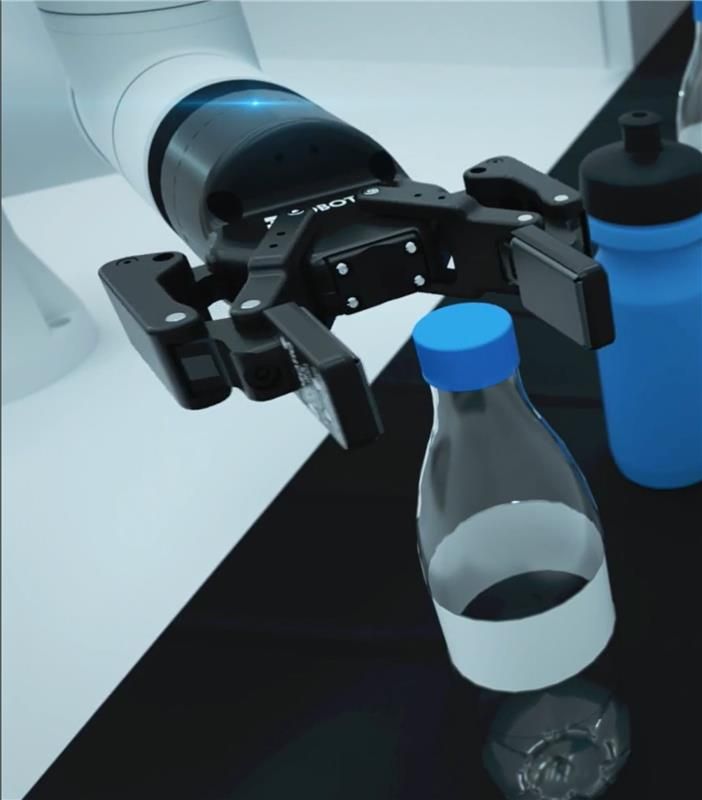
End-of-arm tools (EOATs), also referred to as end effectors, are specialized devices designed to interact with products or processes. The majority of EOATs are grippers primarily employed for lifting and dropping objects, facilitating the transfer or reorientation of items. Grippers utilize various methods for handling objects and are categorized as impactive (utilizing mechanical jaws), ingressive (employing needles), astrictive (utilizing vacuum and magnetism), and contigutive (based on adhesion). Additionally, tools can be customized for specific applications like milling and welding.
Mechanical Grippers:
These grippers find application in basic pick-and-place robotic systems. They typically consist of one to three sets of mechanical jaws, driven by servo motors or pneumatic actuators. These jaws are connected to the wrist via a revolute or prismatic joint. To regulate gripping force in servo motor-driven grippers, feedback is generated through strain gauges or motor current. Grippers using pneumatic actuators can increase gripping force without causing damage, thanks to the compressibility of air. The construction of jaws can take various forms, such as forks, fingers, parallel plates, or surfaces tailored to the payload’s shape. Enhancing grip is achieved by lining the surfaces with resilient, high-friction materials.
Vacuum or suction cups
serve the purpose of grasping items with sleek surfaces like films, glass, and plates. A typical method involves generating a vacuum using a venturi system powered by compressed air. To enhance suction force, an arrangement of multiple suction cups is employed. Vacuum End-of-Arm Tools (EOATs) boast cleanliness compared to mechanical grippers and tolerate certain positional variations. However, they prove unsuitable for rough, porous, or irregular surfaces, and rapid acceleration may result in the object slipping out of the suction cup.
Magnetic Grippers:
employ electromagnets to lift ferromagnetic items. Additionally, permanent magnets find application as they don’t require continuous power consumption. Nevertheless, a mechanical device is necessary for detaching the gathered object. Electromagnets are favored for their straightforward operation, allowing the object to be raised or released by supplying or cutting power to the electromagnet. Despite its efficacy with ferromagnetic materials, this approach has limitations as it induces magnetism in the parts and imposes restrictions on rapid acceleration due to the risk of the attached object slipping.
Collapsible Collars and Cylinders:
Envision an expandable collar as a looped elastic tube bolstered by a sturdy framework along its outer edge. It secures the object by enlarging the tube during inflation and releases it by deflating. This technology is frequently employed for the two-dimensional grasping of tubular or cylindrical items.
Needle Grippers:
These types perform gripping action by penetrating the object or bulk with needles or hackles. These EOATs are usually static without any moving links of joints. Needle grippers are used in handling porous or fibrous objects such as textiles, carbon and glass fibers where small penetrations are not an issue.
Adhesive Grippers:
function by securing the product through surface adhesion. They utilize a unique adhesive coating applied to a pad or plate, contacting the item for lifting. The primary benefit of adhesive grippers lies in their capacity to operate without the need for air or power supply. Nevertheless, they are best suited for handling lightweight objects and may experience a decrease in gripping effectiveness over time.
The SCARA robot features a horizontally compliant or flexible arm in the X-Y plane, while maintaining rigidity in the vertical direction (Z-axis). This characteristic of being “Selective Compliant” distinguishes it. Its “Articulated Robot Arm” is reminiscent of a human arm, with two links connected by a joint at their ends, enabling the robotic arm to extend or fold as needed.
Incorporating both Permanent and Interchangeable Tools
The outermost link of the wrist can serve as the placement site for tools, replacing the need for a gripper. These tools can be either permanently affixed or changeable. Among the commonly utilized end effectors are screwdrivers , wrenches, drills, rotating cutters, lasers, waterjet nozzles, paint spray nozzles, welding electrodes, and solders. Additionally, specialized end effectors, such as inspection systems with mounted sensors, play a crucial role. An illustrative example is a camera or other optical device employed for non-contact testing and 3D measurements, providing measurements with precision in the order of tenths of a millimetre. This accuracy is achieved through the intrinsic repeatability, precision, and accuracy of robotic systems.
Regarding Anthropomorphic and Adaptive Grippers
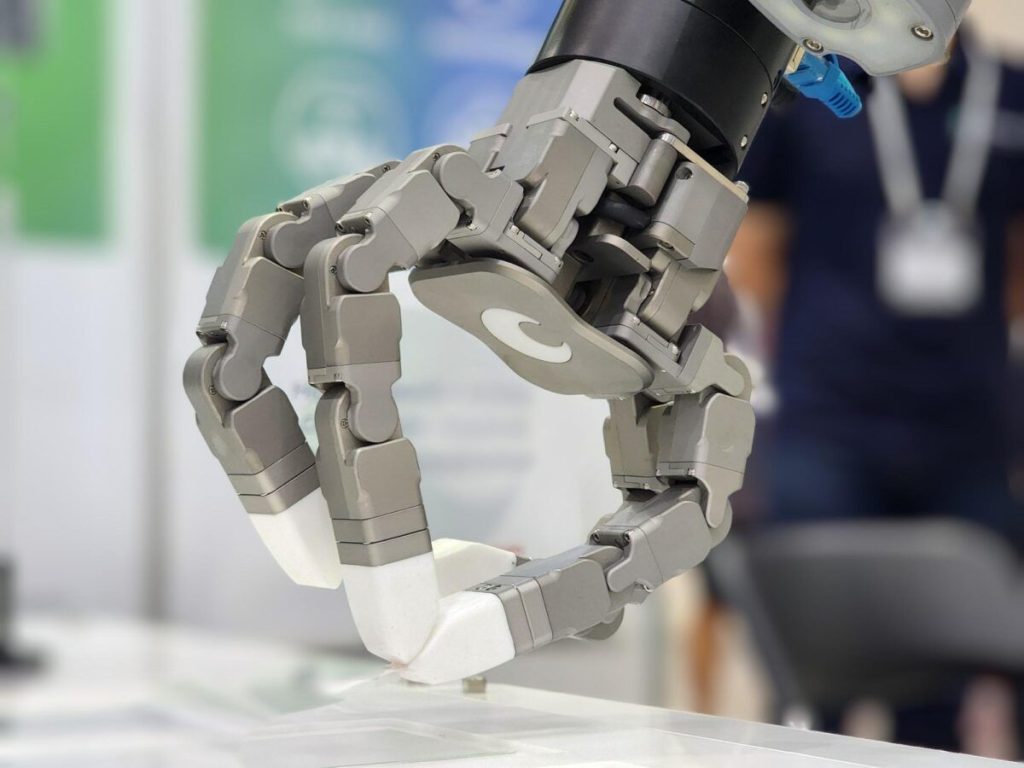
Anthropomorphic grippers, characterized by intricate links and joints, differ from mechanical grippers with a single link connected to the wrist through a revolute or prismatic joint. Anthropomorphic grippers feature two or more links connected by revolute joints, offering the flexibility of configuring two- or three-dimensional gripping with two or three sets of fingers.
Actuators
Actuators serve as the components responsible for generating force or torque to induce motion. These components are affixed to the links and joints via tendons, gears, chains, cams, or shafts, forming the primary actuation system. Actuators are categorized into electric, hydraulic, and pneumatic types.
Electric Actuators:
Widely employed in industrial robotics, electric actuators, particularly servo motors, are prevalent. A common variant is the servo motor energized by a DC power source. The motor’s rotational motion can be translated into linear action through various mechanical transmission systems like belts, cables, and chains. Electric actuators capable of direct linear motion also come in the form of linear motors and solenoids. The primary types of electric actuators include:
Servo Motors:
Operating through a closed-loop or feedback system, this type of electric actuator utilizes an output signal to regulate its position, velocity, and acceleration. Servo motors can be powered by brushed DC motors, brushless DC motors, AC motors, or linear motors. A sensor, transducer, or potentiometer known as an encoder is integral to the servomechanism. This device measures the motor’s position and speed, converting the data into an electronic signal. This signal, whether digital or analogy, is transmitted to an amplifier and controller, which adjusts the voltage or frequency of the supplied electric power to the motor.
Stepper Motors:
In contrast to servomotors, stepper motors function without requiring a feedback loop. They operate by continuously energizing and de-energizing stator poles, which pull the rotor poles. The stator poles are energized individually to attract the rotor poles, resulting in a stepping or indexing rotation. The rotor, constructed from laminated ferromagnetic material, possesses a different number of poles than the stator. This disparity in pole numbers ensures that only one set or pair of poles is attracted at any given time.
Pneumatic Actuators:
Functioning on compressed air, pneumatic actuators typically operate at pressures ranging from 6 to 10 bars. The regulation of compressed air flow is achieved through solenoid valves. Among the commonly used pneumatic actuators are cylinders or rams. In a pneumatic cylinder, a piston extends or retracts when pressure is applied inside the cylinder. One side of the piston is linked to a rod, which is connected to the robot arm. Various coupling methods, such as cables and magnets, can also be employed. The force generated is contingent on the pressure and the effective area of the piston.