

This essay examines the reasons small factories may now afford automation, as well as methods to guarantee a strong return on investment.
The Changing Automation Scene in 2025
Automation was an intimidating investment for small enterprises ten years ago due to the high cost of industrial robots, integration services, and installation downtime. But in 2025, several developments have changed the dynamics:
1. Reduced Hardware Prices
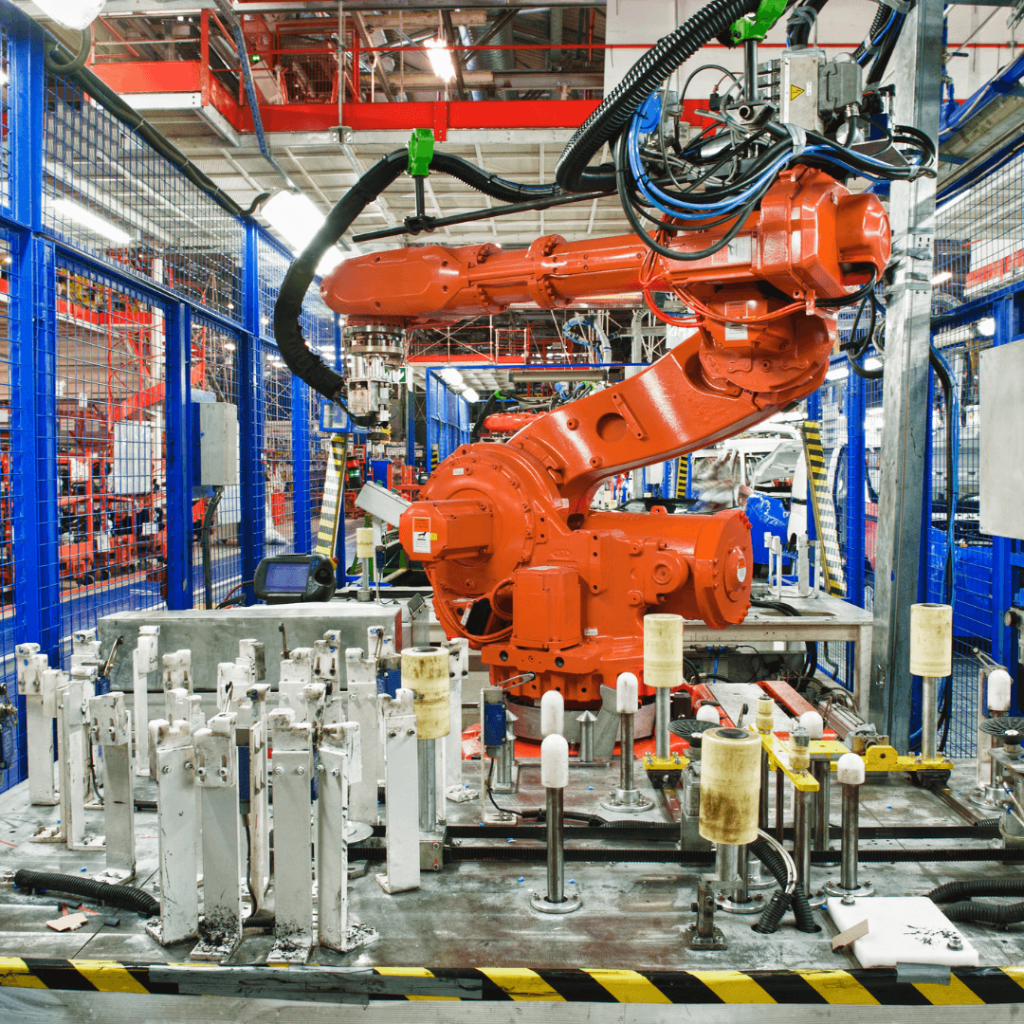
These days, robot manufacturers create tiny, reasonably priced devices that are ideal for small-scale enterprises. Industrial robots used to cost between $80,000 and $100,000, but now collaborative robots, or cobots , can be bought for as low as $15,000 to $25,000.
2. Pay-as-You-Go Automation
“Robotics-as-a-Service” (RaaS), leasing arrangements, and subscription programs enable manufacturers to save significant upfront expenses. Similar to renting equipment, businesses may pay a monthly charge and readily update as technology advances.
3. Easier Integration
In 2025, simpler automation systems will be more plug-and-play. The need for costly integrators is decreased by user-friendly interfaces, no-code programming, and integrated sensors.
4. Governmental Rewards
Nowadays, many nations provide grants, tax credits, or subsidies to promote the use of automation, particularly for small and medium-sized businesses (SMEs).
5. Adaptable Solutions
Because portable, multifunctional robots can perform a variety of activities, such as packing and inspection, automation becomes more affordable for modest production quantities.
Why Automation Is More Important Than Ever for Small Manufacturers
Automation is becoming increasingly necessary as affordability increases:
1. Labor Shortages: Finding and keeping skilled workers is getting more difficult.
2. Increasing Costs: Profit margins are being squeezed by inflation and rising raw material prices.
3. Customer Expectations: Customers anticipate consistent quality, quicker delivery, and customization.
4. Global Competition: Process improvement is necessary to compete with low-cost, high-efficiency manufacturers abroad.
5. By enhancing efficiency, accuracy, and scalability without correspondingly raising labor costs, automation solves these problems.
A Comprehensive Strategy to Help Small Manufacturers Invest in Automation by 2025
Affording automation requires careful planning, resource management, and phasing, not just purchasing less expensive robots.
Step 1: Determine Areas of High Impact
First, identify procedures that:
– Packing, labeling, assembling, and sorting are all repetitive tasks.
– Impede manufacturing.
– Have expensive labor.
– If inconsistent, it affects the quality of the product.
For Example, automating the packing process might result in a quicker return on investment (ROI) than automating a machine that isn’t used often if it takes three full-time employees and causes delays.
Step 2: Determine the Real ROI
Don’t only concentrate on the initial expenses. Think about:
– Annual labor savings.
– Increased capability for sales and output.
– Decreased waste due to mistakes.
– Reduced expenses for worker injuries.
– Energy savings via equipment that use less energy.
The ROI time is only one year if automation saves $18,000 in labor and $6,000 in waste each year at a cost of $24,000.
Step 3: Choose Scalable Solutions
Unless it is absolutely necessary, do not purchase specialized machinery that are capable of only one task. Rather:
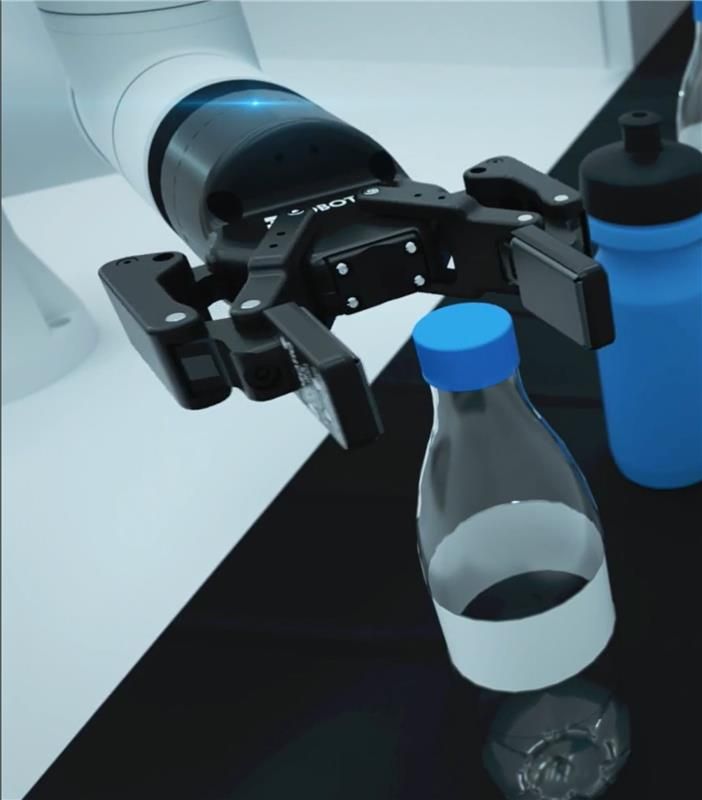
– Make use of cobots that have movable end-effectors (cutting, gripper
, and welder).
– Select solutions that are modular and can be expanded in the future.
– Make that the program is compatible with upcoming updates.
Step 4: Examine leasing or robotics-as-a-service (RaaS) advantages
– little initial outlay of funds, usually only the first month’s payment.
– The strategy includes maintenance.
– improvements in technology without significant investments.
For instance, a $100,000 automation cell that costs $2,500 per month on a RaaS plan may be unaffordable altogether.
Affordable Automation Technologies in 2025 for Small Manufacturers
1. Cobots, or collaborative robots
– Ideal for: Packaging, machine tending, inspection, and assembly
– Benefits include ease of programming and safety while working with people.
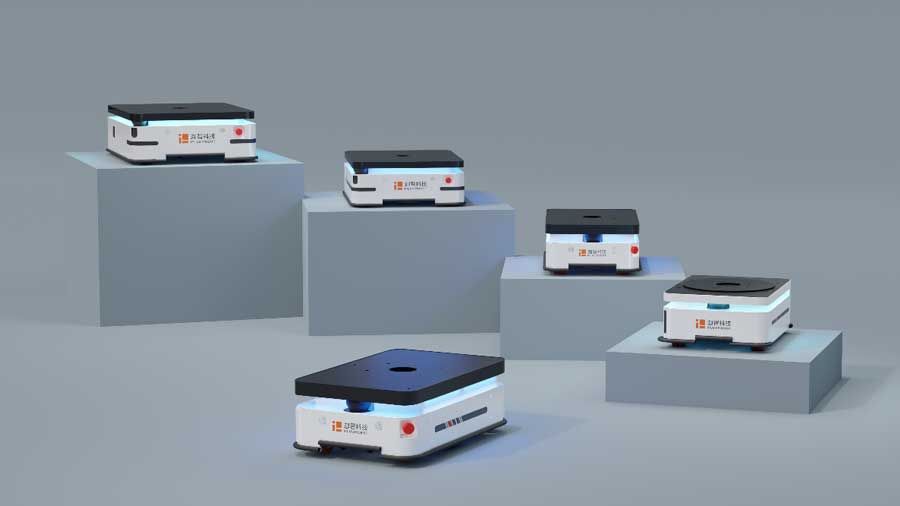
2. Autonomous Mobile Robots (AMRs) and Automated Guided Vehicles (AGVs)
– Ideal for: Transporting materials inside
– Benefits include improved throughput and less manual handling.
3. Cost of Vision Systems:
– Ideal for: Part inspection and quality control
– Benefits include increased precision and a decrease in faulty goods.
4. The cost of CNC machines with automation add-ons
– Cost: Varies widely
– Ideal for: Manufacturing plastic and metal
– Benefits: Throughput is increased with automated tool changeover and loaders.
5. Inexpensive Packaging Equipment:
– Pricing: $5,000 to $15,000.
– Ideal for: Manufacturers of small items, beverages, and food
– Benefits include uniform sealing and quicker packaging.
Realistic Cost-Reduction Techniques to Pay for Automation
Budgeting wisely is necessary for even reasonably priced automation. Here are some tried-and-true ways to lessen the financial load:
1. Purchase Refurbished Machinery
Refurbished robots are sold by several automation providers for 40–60% less than their original cost.
2. Collaborate with nearby universities
SMEs and engineering institutions frequently work together to test automation projects at a low cost.
3. Distribute Automation Materials
Manufacturers can divide expenses by co-owning automation equipment in industrial clusters.
4. Contract Out Some Automated Activities
For a low-volume procedure, outsource to a provider who has it automated rather than purchasing a machine.
5. Discuss terms of payment
Installment payments with no or little interest are accepted by certain merchants.
The Long-Term Benefits of Inexpensive Automation
By 2025, automation has evolved from a capital expenditure to a vital survival strategy for small enterprises operating in a rapidly evolving industry. The long-term benefits affect every aspect of the company and go far beyond cost reductions.
1. Increased output
Manufacturers can create more in less time without adding more workers thanks to automation. Businesses may satisfy increasing demand without incurring additional personnel expenditures because to machines’ ability to operate constantly, precisely perform repetitive jobs, and guarantee consistent output.
2. Better Quality
Defects and returns are decreased by automated systems because they minimize human error. This saves money that would otherwise be used for waste, rework, and quality control in addition to improving the reputation of the brand.
3. Shorter Lead Times
Production operations are streamlined by automation, which speeds up turnaround times. In sectors where speed is critical, faster delivery results in happier consumers and a greater competitive edge.
4. The capacity to scale
It is significantly simpler to scale up production to handle larger or more complicated orders when automation is in place. Companies don’t have to worry about operational constraints while pursuing larger contracts.
5. Contentment of Workers
Automation frees up workers to concentrate on more valuable, interesting work by taking over repetitive, hazardous, or boring duties. This raises retention, lowers burnout, and enhances job satisfaction.

Conclusion
By 2025, automation is no longer a luxury enjoyed only by big businesses; rather, it is becoming a feasible, affordable, and frequently necessary investment for small firms. Affordable cobots, flexible lease choices, government incentives, and easy-to-use integration have made it possible for enterprises to start small, get rapid returns, and grow gradually without incurring significant costs. Automation doesn’t have to be a daunting or costly process; it only requires careful design, attention to high-impact procedures, and resource optimization. Adopting automation today helps small businesses secure competitiveness, improve product quality, and future-proof their company in a market that is becoming increasingly demanding. It’s not only about saving money.