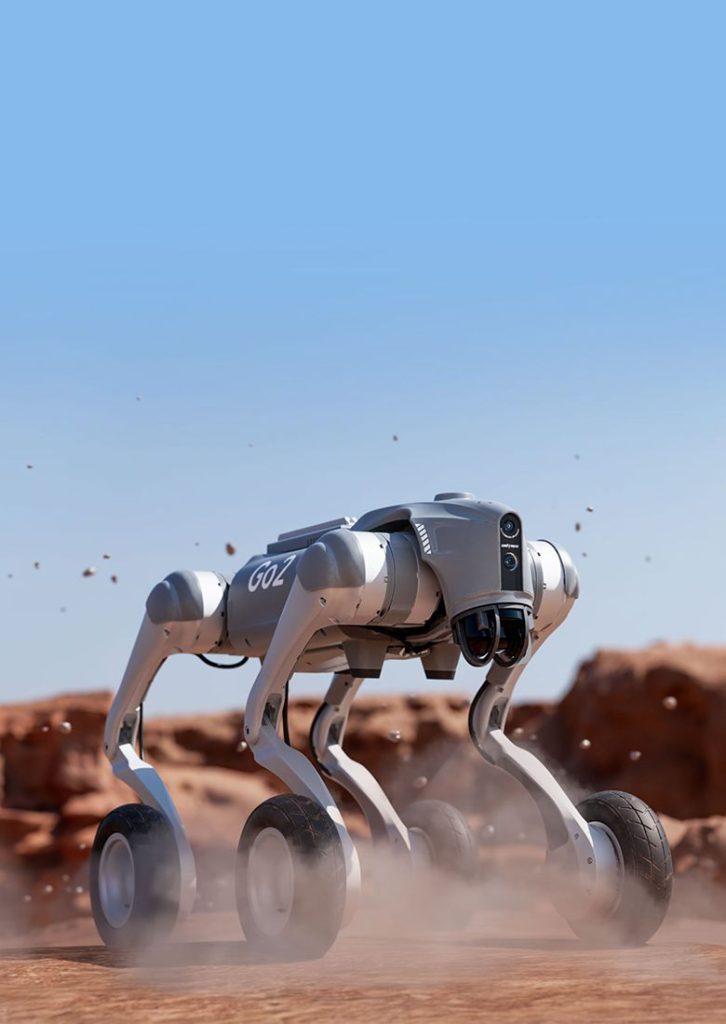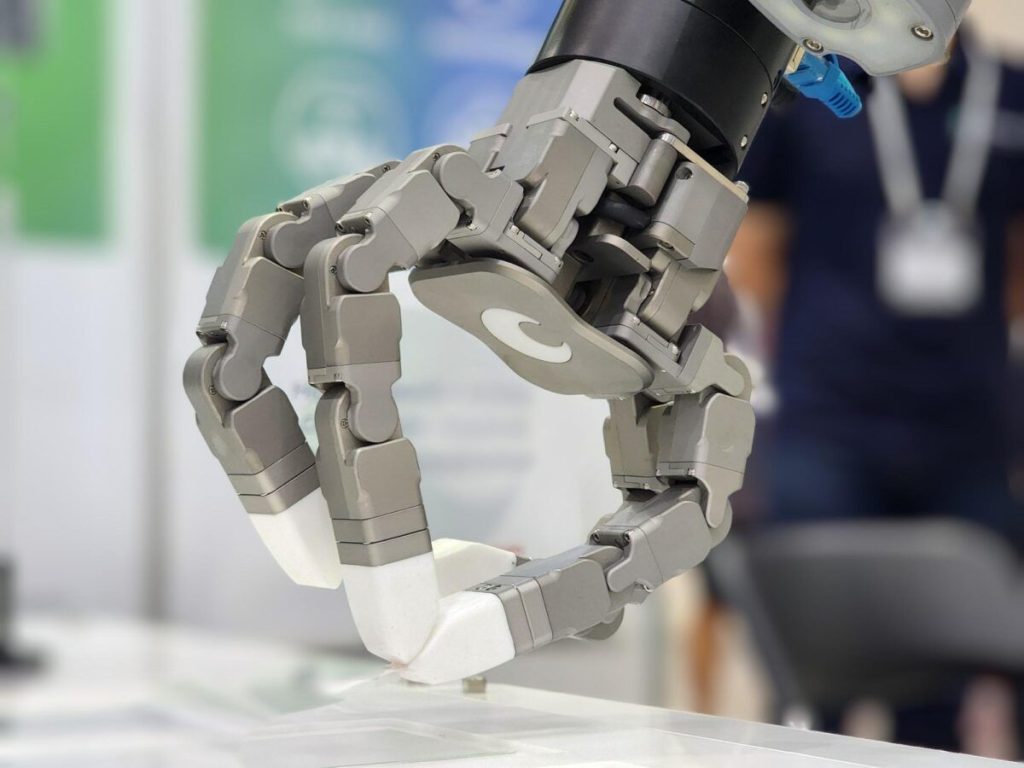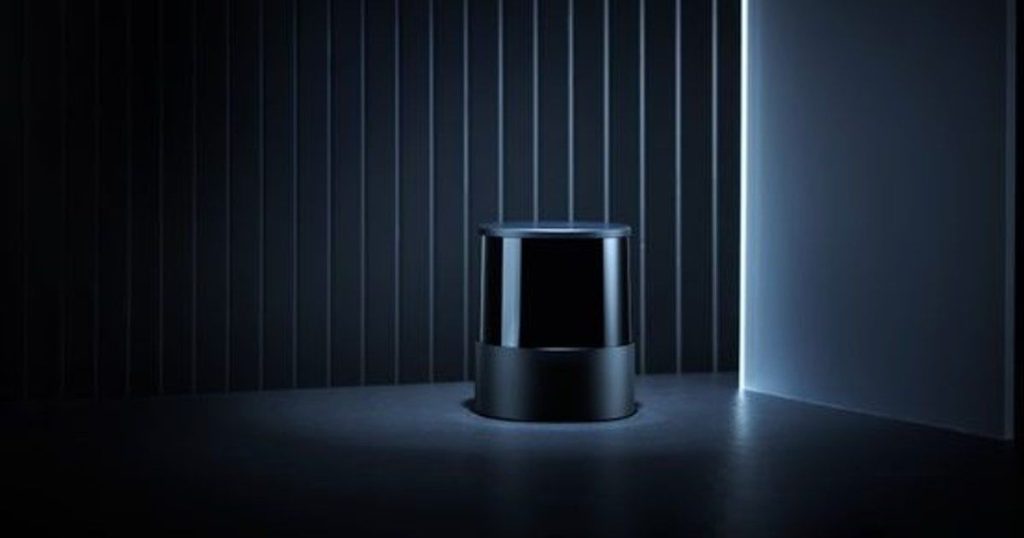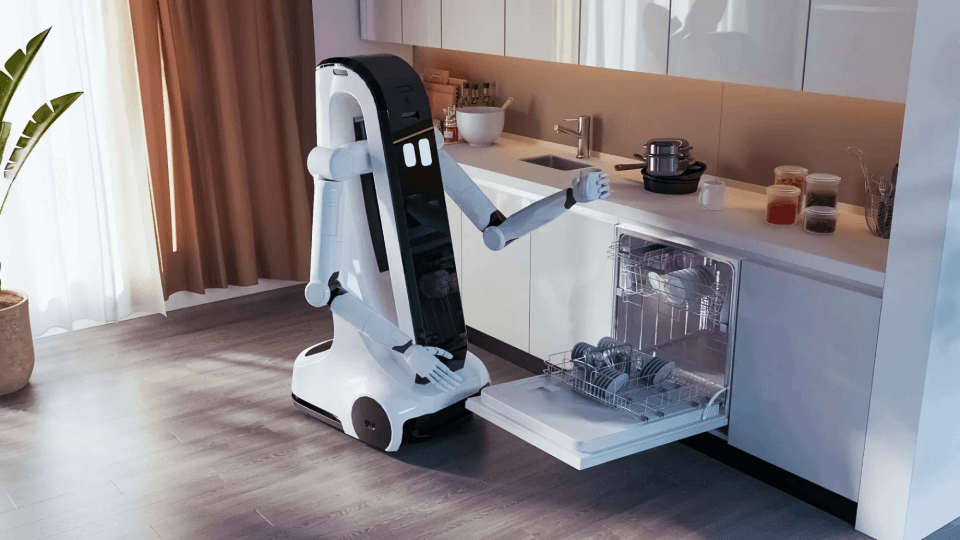


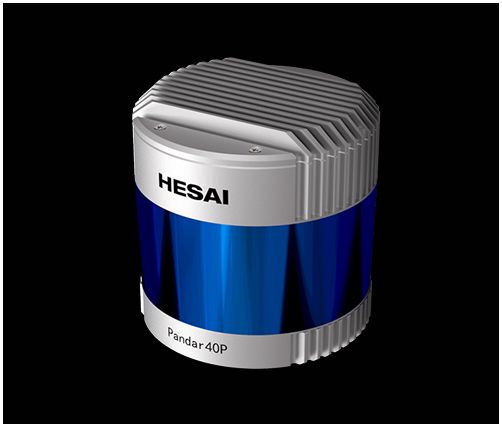
Perception is crucial in the rapidly changing field of robotics and automation. For machines to move, evaluate, and make choices in a safe and precise manner, they must be able to “see” and “understand” their environment. LiDAR (Light Detection and Ranging) is at the forefront of sensing technologies, which are crucial to this capacity.
Hesai Technology stands out as a world leader in LiDAR technology when it comes to accuracy, dependability, and performance. The way intelligent cars, industrial automation systems, and autonomous robots see the environment has been completely transformed by Hesai LiDAR sensors.
The function of Hesai LiDAR sensors in robotics and automation, their special qualities, practical uses, and how they are influencing the development of intelligent systems are all thoroughly examined in this blog.
Understanding LiDAR Technology
It’s important to comprehend LiDAR sensors and their significance before delving into Hesai’s contribution.
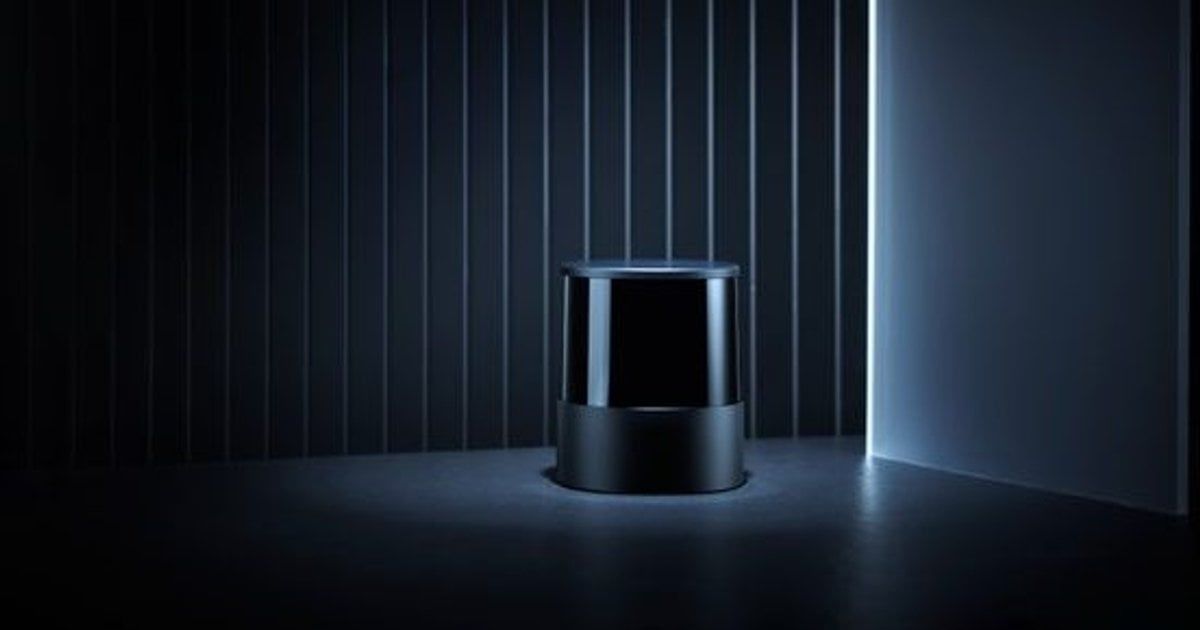
LiDAR is a sensing system that measures object distances using laser light pulses. LiDAR systems can produce high-resolution 3D maps of the surroundings by sending out millions of laser beams per second and timing how long it takes for each beam to return.
Key advantages of LiDAR include
High accuracy: The ability to recognize objects and distances with millimeter-level precision.
Long range: The capacity to detect objects hundreds of meters distant.
Outstanding performance in a range of lighting conditions: Performs effectively in both low light and strong sunshine.
Quick data collection: Mapping the surroundings in real time for robots in motion.
These factors have been mastered by Hesai Technology, which has produced some of the most cutting-edge LiDAR sensors for industrial automation, robotics, and driverless cars.
Hesai Technology: Innovating the Future of LiDAR
Hesai Technology is a leader in 3D LiDAR sensing systems, founded in 2014. The firm, which is headquartered in Shanghai, China, has grown to become one of the world’s leading producers of LiDAR and is renowned for its inventiveness, accuracy, and capacity for large-scale production.
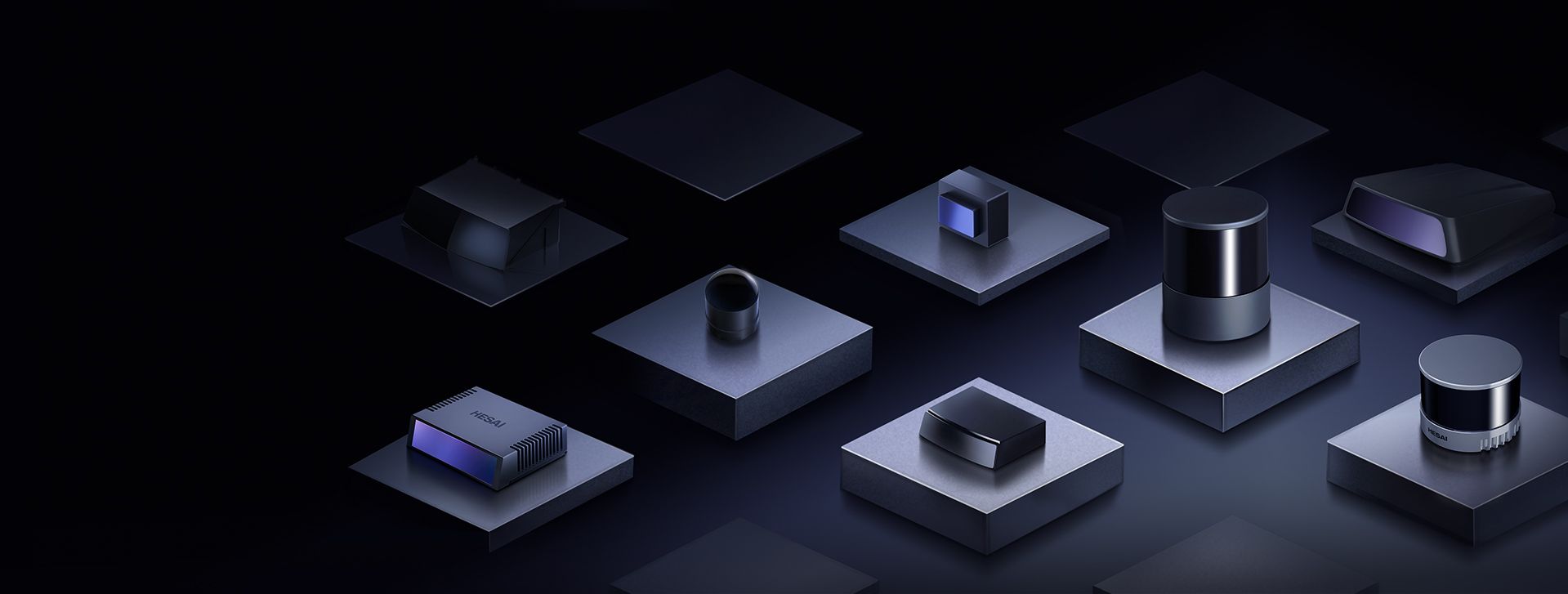
Autonomous driving, robotics, mapping, and smart infrastructure all make use of Hesai’s primary products, which include the QT series, AT series, XT series, and Pandar series. For best performance, their sensors combine precise manufacturing, superior optics, and AI-driven calibration.
Why Hesai LiDAR Stands Out
High-Resolution 3D Imaging: Robots can comprehend intricate situations with remarkable clarity thanks to Hesai sensors’ thick point clouds.
Long Detection Range: Some versions have a detection range of up to 300 meters, which makes them perfect for autonomous cars and outdoor robotics
Compact and Durable Design: These dust, vibration, and weather-resistant sensors are designed for industrial and mobile robotics.
Cost-Effective Scalability: LiDAR technology is now more widely available for automation because of Hesai’s mass production capabilities.
The Role of Hesai LiDAR in Robotics
Modern robotics require perception systems that mimic human senses but with greater precision and speed. Hesai’s LiDAR sensors enable robots to map, navigate, and interact with their surroundings efficiently.
Let’s explore how these sensors play a transformative role in various robotic applications.
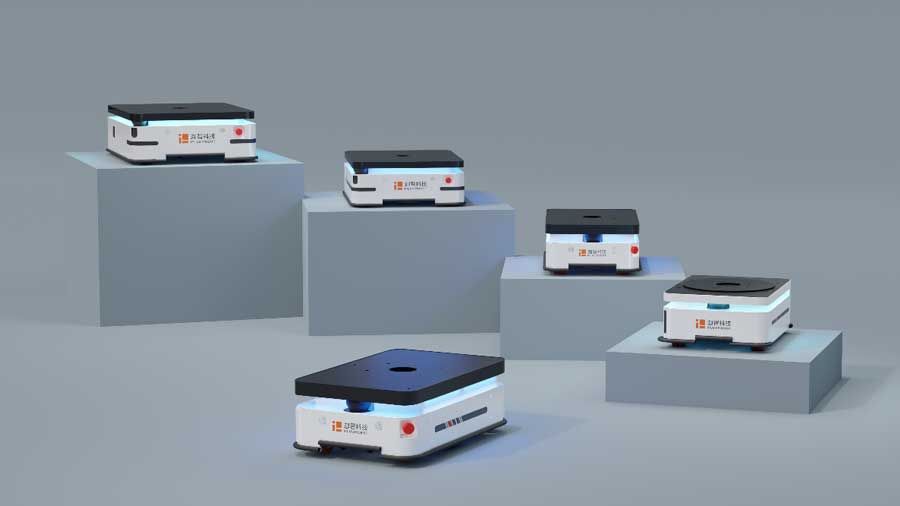
1. AGVs and Autonomous Mobile Robots (AMRs)
Autonomous Mobile Robots (AMRs) and Automated Guided Vehicles (AGVs) are transforming material handling in manufacturing, shipping, and warehousing.
These robots have the “eyes” they require thanks to Hesai LiDAR sensors.
– Make 3D maps of their surroundings in real time.
– Steer clear of obstacles with centimeter precision.
– Create the best possible navigation routes.
– Work securely in shared workspaces with people.
With their small size and excellent accuracy for dynamic situations, the Hesai QT64 and PandarXT series are especially well-liked in certain use scenarios.
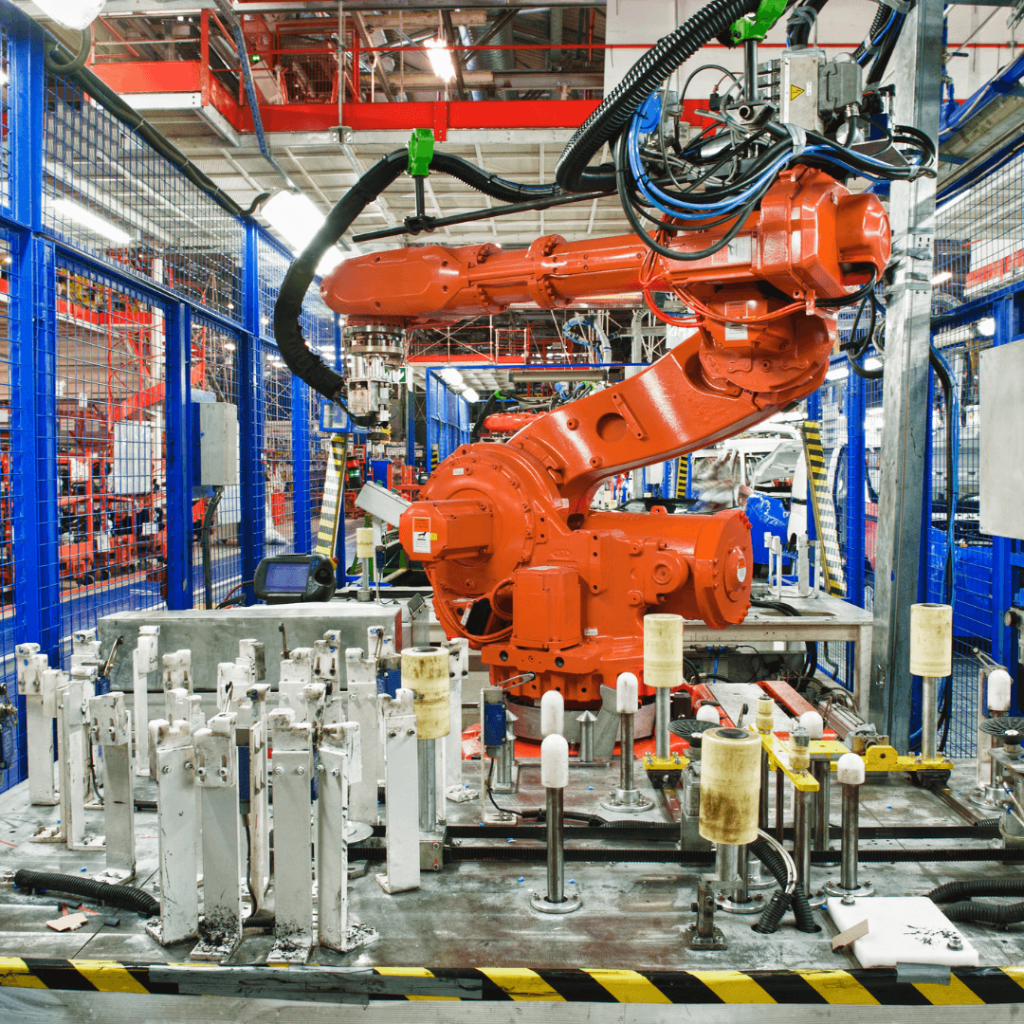
2. Automation in Industry
Today’s factories are evolving into “smart factories,” where robots and automation collaborate to increase productivity and decrease human involvement.
Hesai LiDAR sensors are crucial in these settings for:
– keeping an eye on processes and machine operations.
– recognizing human presence in close proximity to robotic arms to ensure safety.
– Directing cobots and robotic manipulators as they do assembly chores.
– Assisting with quality control and automated inspection systems.
Hesai sensors enable automation systems to make data-driven decisions with unparalleled precision by supplying precise geographical data.
3. Autonomous Drones and Aerial Robotics
LiDAR is crucial for autonomous flying, obstacle avoidance, and terrain mapping in aerial robots and drones.
LiDAR sensors’ lightweight yet potent 3D perception:
– Topographic surveying and mapping.
– Bridges, towers, and structures are inspected.
– Forest management and agricultural surveillance.
– Search and rescue operations in difficult environments.
Hesai sensors are perfect for making decisions in real time in aerial robots because of their quick scanning speeds and wide detection ranges.
The Impact of Hesai LiDAR on Automation
Automation depends on accuracy, safety, and real-time responsiveness. Hesai’s LiDAR technology empowers automation systems to achieve these goals through superior sensing and mapping.
1. Improved Awareness of Space
LiDAR helps machines recognize surfaces, measure distances, and detect edges by providing them with a three-dimensional awareness of their environment. Automation is more dependable thanks to Hesai’s thick point clouds, which provide millimeter-level information.
2. Enhanced Security in Human-Robot Cooperation
LiDAR serves as a safety shield in cooperative work settings, averting collisions and mishaps. Hesai sensors have the ability to detect human presence quickly and, if needed, stop robotic movements.
3. Making Decisions in Real Time
Hesai’s high scanning frequency gives systems the ability to handle enormous volumes of spatial data in milliseconds, which is crucial for real-time automation, particularly in production lines that move quickly.
4. Cost-cutting and operational efficiency
LiDAR-based automation reduces downtime and improves operational throughput by lowering mistakes and manual intervention, which eventually lowers costs.
Hesai LiDAR Sensor Series: A Quick Overview
Hesai offers a diverse range of LiDAR models suited for different robotic and automation needs.
| Model | Key Features | Best For |
|---|---|---|
| QT64 | 64-channel, compact, cost-effective | AMRs, AGVs, small robots |
| PandarXT | Long-range, 32/64 channels | Industrial automation, mapping |
| QT128 | Ultra-high resolution, 128 channels | Delivery robots, smart city automation |
| AT128 | Automotive-grade, 300m range | Autonomous driving, high-speed robots |
| XT32 | High-density 3D point cloud | Warehouse navigation, inspection robots |
Integration Advantages: Why Robotics Engineers Prefer Hesai
Hesai LiDAR sensors are not just high-performance; they are also engineer-friendly and integrated-ready.
1. Integration with Plug-and-Play
Hesai makes it simple to integrate robotic systems by offering SDKs and APIs that work with popular robotic software platforms like ROS (Robot Operating System).
2. Dependable Data Production
Robotic navigation and mapping depend on steady, low-noise point clouds, which are ensured by Hesai’s calibration and filtering algorithms.
3. Durability in Industry
Hesai LiDARs are perfect for 24/7 automation settings because of their IP6X protection ratings, which allow them to tolerate dust, moisture, and challenging industrial circumstances.
4. Factor of Compact Form
Hesai sensors are simple to install on robotic arms, drones, and tiny autonomous platforms due to their lightweight and compact design.
5. Reasonably priced
Hesai’s superior performance-to-price ratio sets it apart from other LiDAR brands, allowing for wider industry adoption.
Conclusion
Hesai LiDAR sensors are used in robotics and automation to enable a new degree of machine intelligence, not merely to improve vision.
Hesai’s LiDAR technology enables machines to see, sense, and act with previously unheard-of accuracy, from delivery bots and warehouse robots to drones and self-driving cars.
Hesai Technology continues to create standards in the LiDAR sector by fusing state-of-the-art optics, software intelligence, and sturdy architecture. Hesai’s sensors will continue to be at the forefront of innovation as automation develops, driving the next wave of intelligent, self-governing systems.