

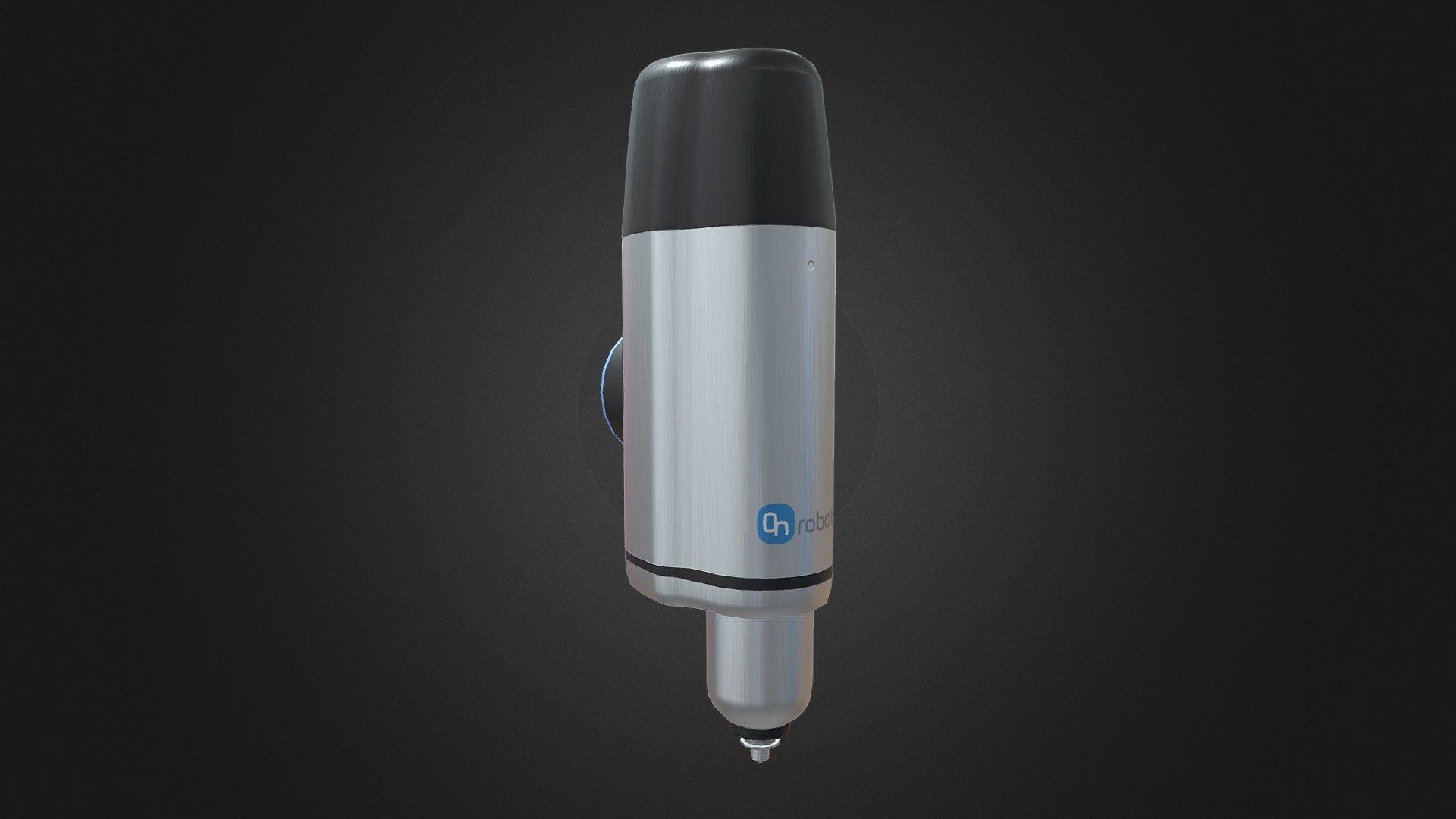
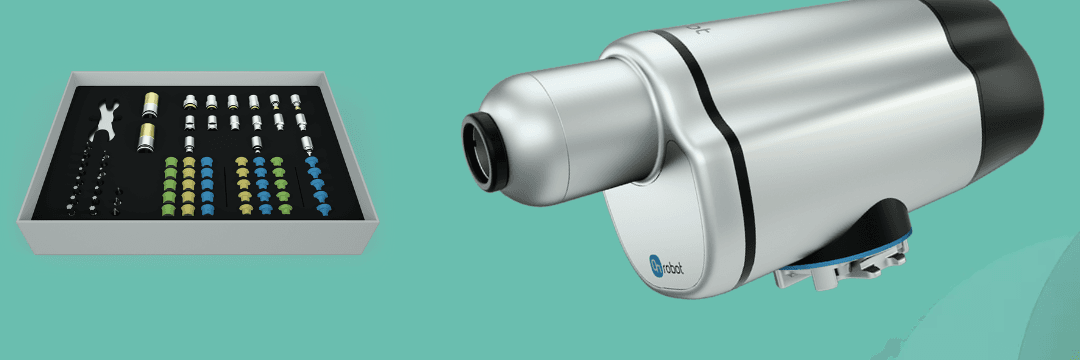
We discuss the OnRobot screwdriver’s benefits for the manufacturing floor in this blog, including how it functions, what issues it resolves, where it excels, and how to consider using one in your workflows. This article will explain the who, what, why, and how of integrating a multipurpose robotic screwdriver into your line, regardless of whether you are an automation expert, production manager, or simply inquisitive about robots.
Why automate screwdriving
Screwdriving is deceptively complex. It looks simple spin a bit and you’re done but real-world fastening requires repeatable torque control, correct speed and angle, detection of missing or cross-threaded fasteners, and the ability to adapt to different screws, insert types, and assembly sequences. Humans are great at problem-solving, but for high-volume, repeatable fastening tasks, robots win on consistency and uptime.
Key benefits of automation for screwdriving
Repeatable torque and angle control ensures joint integrity and reduces field failures.
Higher throughput — robots don’t get tired cycle times shrink, and OEE rises.
Quality & traceability — digitally logged torque and pass/fail data enable traceability for audits and continuous improvement
Lower labor burden — frees skilled operators to focus on higher-value tasks.
Improved ergonomics & safety — removes repetitive wrist/arm strain from human operators.
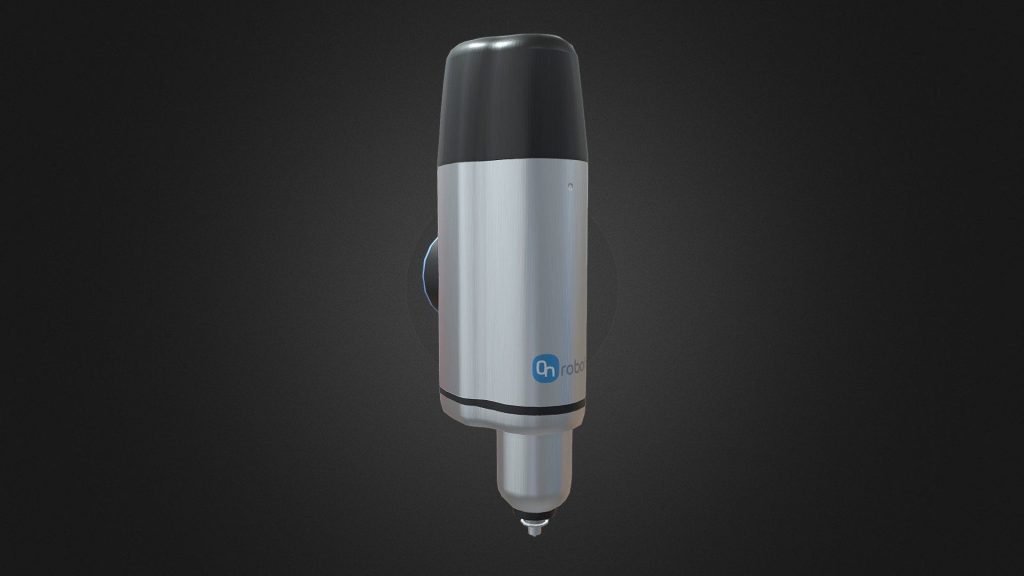
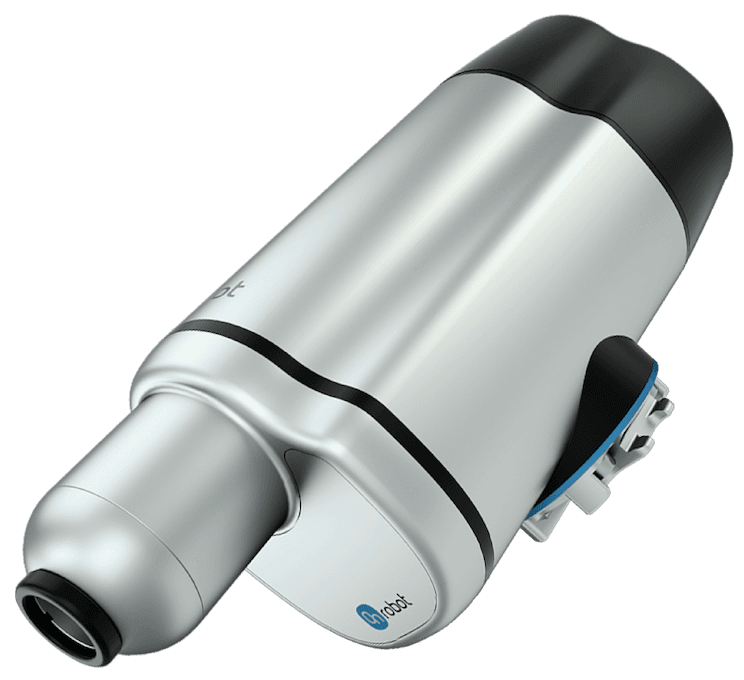
The OnRobot multifunctional screwdriver is purpose-built to deliver these advantages while remaining easy to integrate with collaborative and industrial robot arms.
How it works the core technology
At heart, the OnRobot screwdriver is an electric torque tool married to smart electronics and a compact mechanical interface:
Motor & gearbox a compact motor provides the rotational force. A gearbox converts motor output into the torque/speed range needed for screwdriving.
Torque sensor — not just a number on a spec sheet: the tool senses torque in real time, letting the controller stop when the desired torque is reached or detect anomalies.
Control electronics translates robot commands into precise motor control, monitors sensors , and streams results back to the robot or factory network
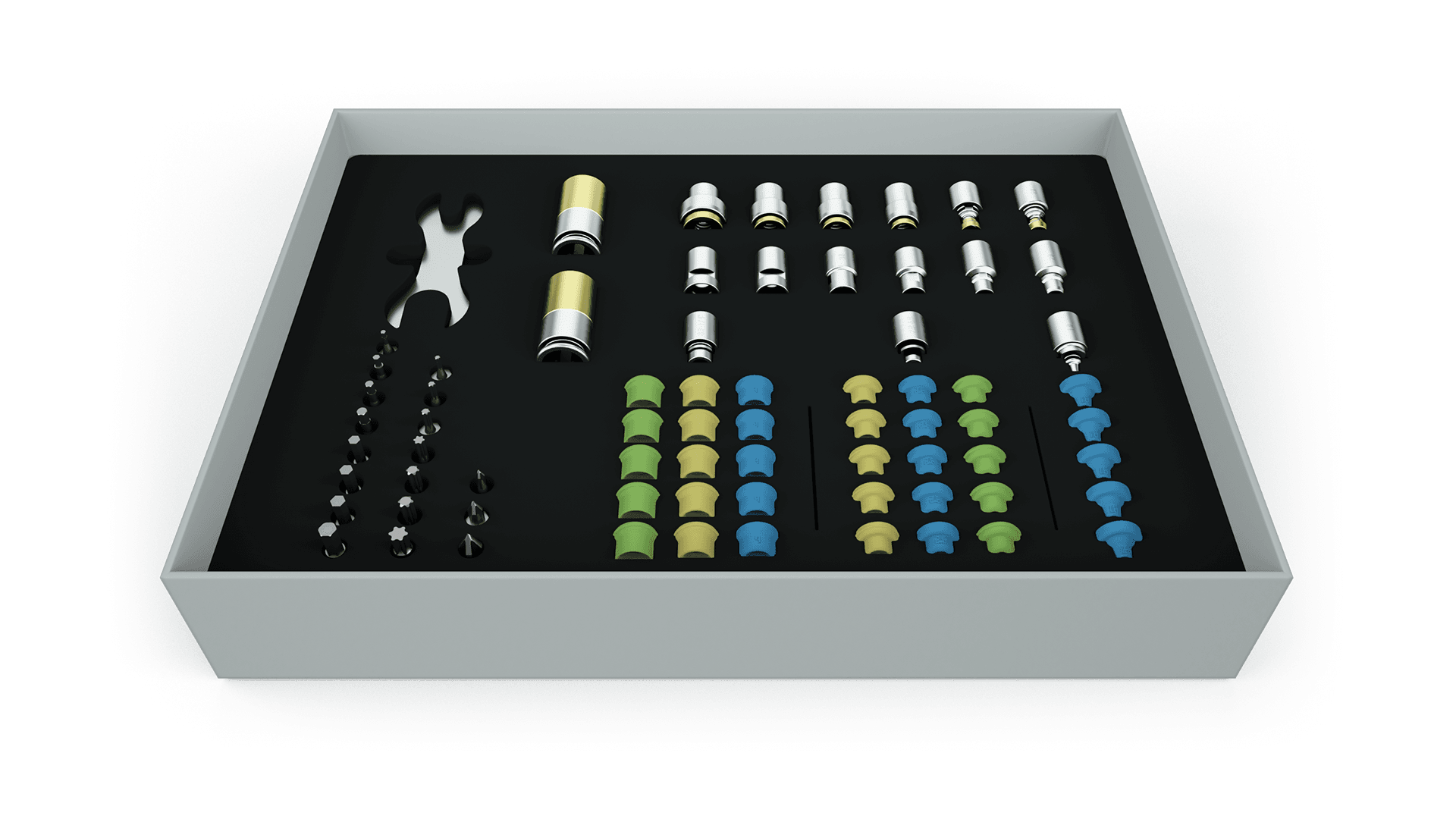
Quick-change interface mechanical connector and bit retention system that lets operators swap tools or bits rapidly.
Software & robot integration OnRobot provides drivers/plugins for major robot brands and intuitive setup software that simplifies programming fastening sequences and recipes
Put simply the screwdriver turns and measures torque while the robot handles position and feeding. The tool and robot talk to ensure the right screw gets the right torque at the right time.
What multifunctional means
When OnRobot calls this tool multifunctional, it’s not marketing fluff. The core idea is flexibility for one end-effector that handles multiple fastening tasks and adapts quickly between setups Here’s what that flexibility typically includes
– Interchangeable bits and quick-change adapters — swap Phillips, Torx, Hex, Pozidriv, and custom bits without heavy rework.
– Torque range configurability — program precise torque setpoints for different screws and materials.
– Multiple operating modes — From pure torque control to hybrid modes (angle + torque), plus screw-feeding or pick-and-place-ready variants.
– Integrated sensors — built-in torque/force sensing to detect cross-threading, missing screws, or jam conditions.
– Data logging & communication — ability to output fastening results to the robot controller or MES for traceability.
– Compact, low-mass design — so it’s compatible with cobots and smaller arms, preserving payload and reach.
That combination makes the tool useful in everything from small electronics assembly to automotive subassembly anywhere consistent documented fastening is required.
Typical use cases where this tool shines
The multifunctional screwdriver is versatile. Here are practical examples where it delivers real value:
– Consumer Electronics assembly Repeatable micro-fastening with tight torque tolerances and traceability for warranty-sensitive products.
– Home appliances — high-volume chassis and subassembly fastening where cycle time and quality matter.
Automotive interior modules — consistent torque on dashboards, consoles, and bracketry ability to log results for safety-critical assemblies.
Medical device assembly Delicate torque requirements and traceability for regulated products
Furniture & fixtures – Robotized screw insertion in batch production or custom orders.
– White goods & HVAC units — Rugged fastening where different screw types and lengths appear across models.
– Electromechanical subassemblies — combined tasks where the screwdriver can be integrated with part feeding, inspection, or sealing steps.
Because it’s multifunctional, manufacturers can standardize a single end-effector across multiple product lines, reducing spare part complexity and operator training time.
Integration and programming easier than you think
One of On Robot’s strengths is focusing on simplifying integration. That means hardware that’s compact and easy to mount, and software that reduces programming time
– Plug-and-play drivers: OnRobot supplies connectors and software packages for many mainstream robot controllers This shortens integration time and reduces the need for low-level driver coding.
– Recipe-based programming: Many installations use recipes saved fastening parameters for specific screw types and joints. Operators select the recipe and the system applies the correct torque, speed, and sequencing.
– GUI-based setup: OnRobot often provides a user-friendly interface, enabling technicians to set torque, angle, and retry behaviors without writing complex code.
– Safety & cobot compatibility: Low-mass tools and defined collision behaviors make it easier to maintain collaborative setups if using cobots .
From a project timeline perspective, many small-to-medium deployments can move from hardware to install to production-ready in days rather than weeks when tooling; robot platform, and fixtures are aligned.
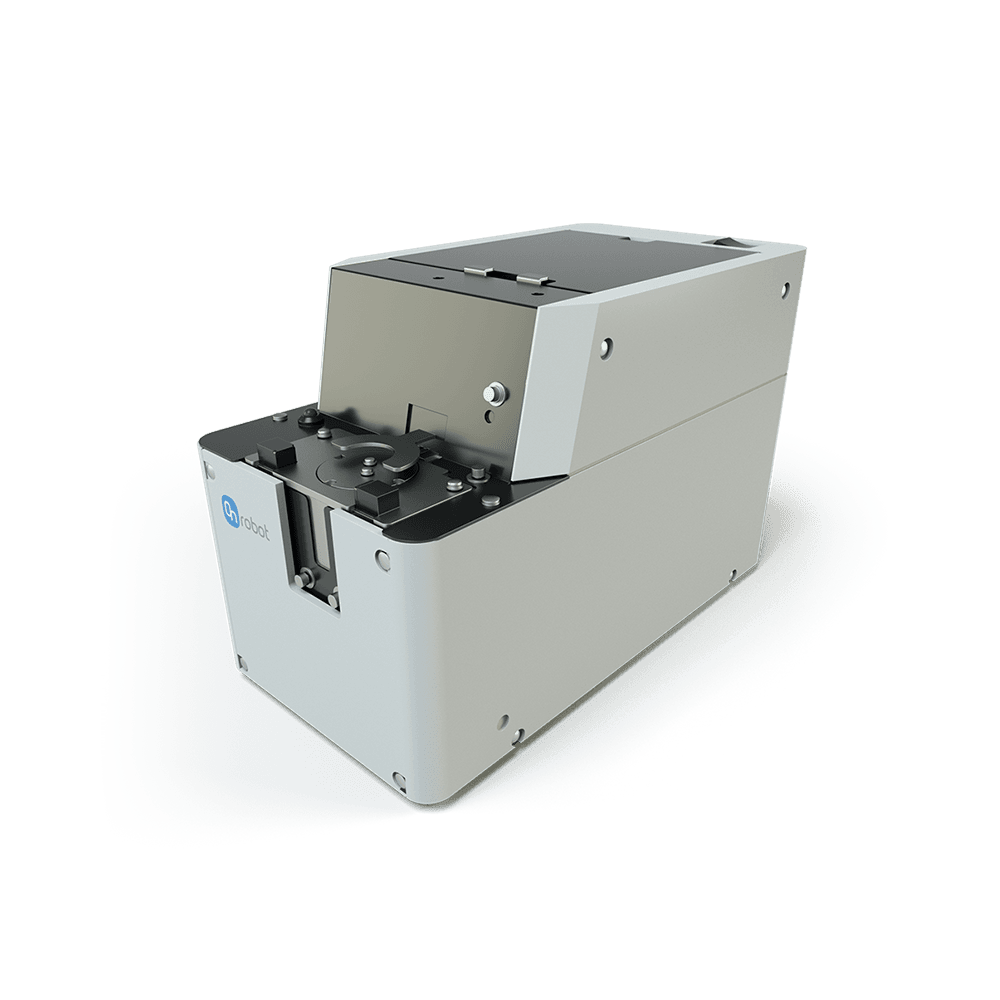
Real-world success stories
Here are a few short, anonymized examples of how manufacturers use robotic screwdrivers
– Electronics OEM Replaced manual torque drivers on a consumer electronics line with robotic screwdrivers and reduced warranty returns related to loose fasteners by 80%. They also implemented data logging for each unit, enabling targeted supplier corrections.
– Appliance assembler Standardized on a single OnRobot screwdriver across three product lines, reducing tool changeover times and cutting spare part inventory. Line productivity increased 20% after minimizing manual intervention.
– Medical device manufacturer Implemented torque angle recipes for critical assemblies, which simplified regulatory documentation and reduced audit time by providing automatic traceability reports.
These are representative of the kinds of wins automation can deliver when thoughtfully applied.
Conclusion
Small parts, big consequences. Fastening quality directly affects product reliability, safety , and customer satisfaction. The OnRobot Multifunctional Robotic Screwdriver (and tools like it) let manufacturers take a reproducible approach to fastening: precision, auditability, and adaptability. The result is fewer surprises, better throughput, and happier customers.
If your line still relies heavily on manual screwdriving or disparate stand-alone tools, a multifunctional robotic screwdriver is one of the most pragmatic automation investments. It’s a focused improvement with measurable returns: better quality, consistent data, and the chance to redeploy operators into more valuable roles.