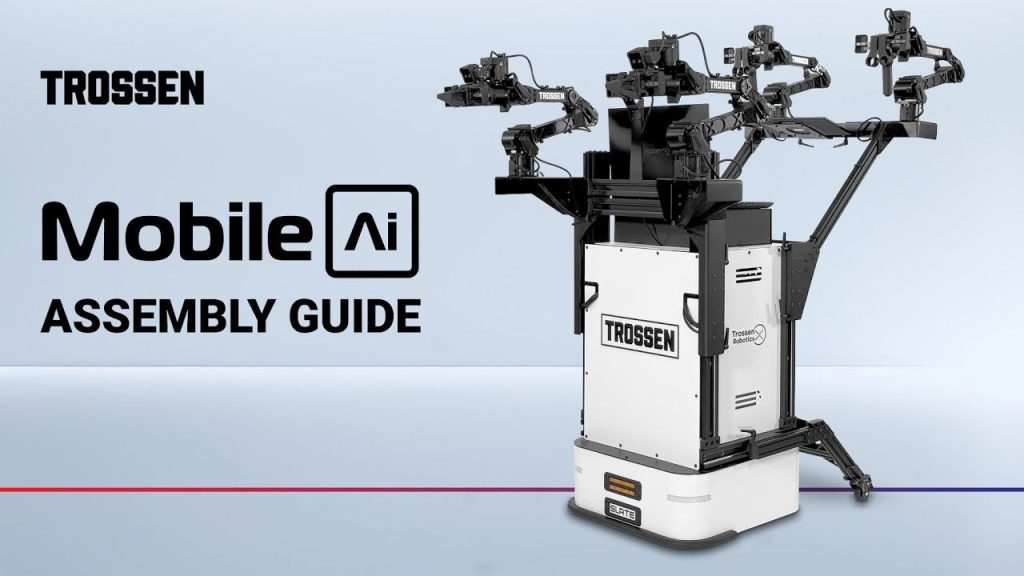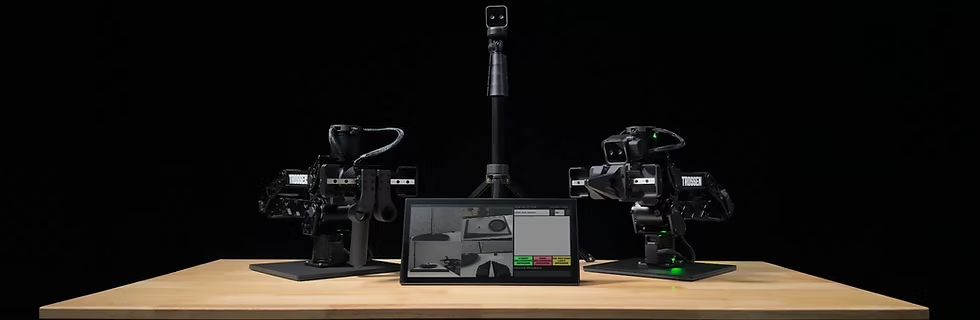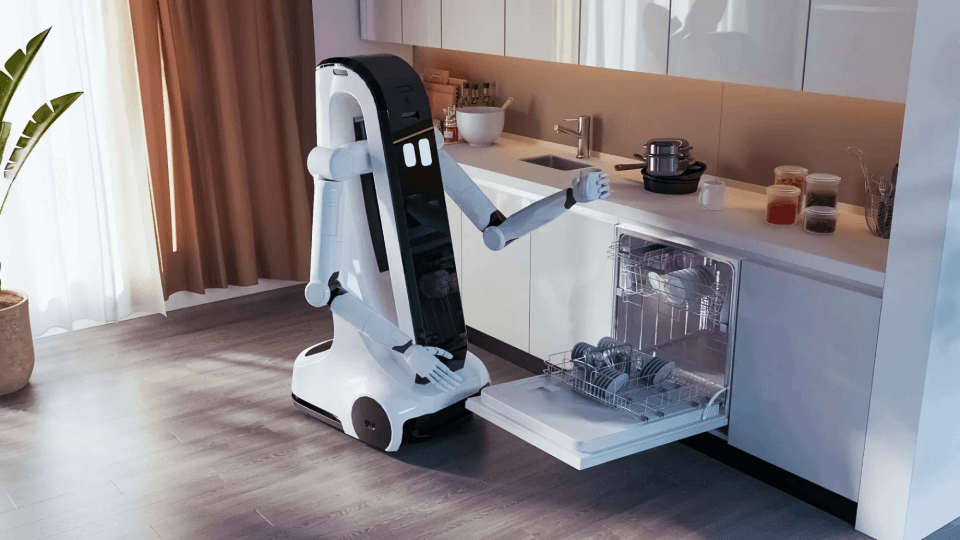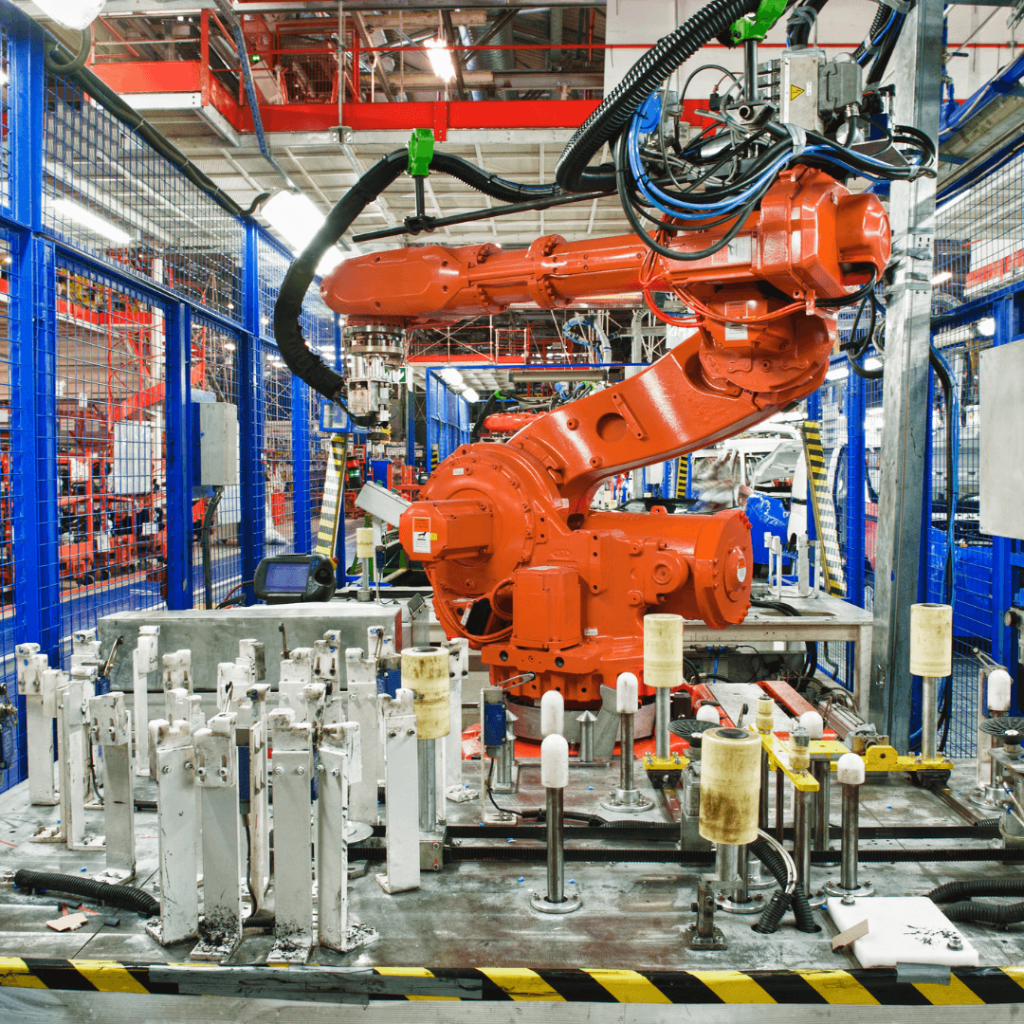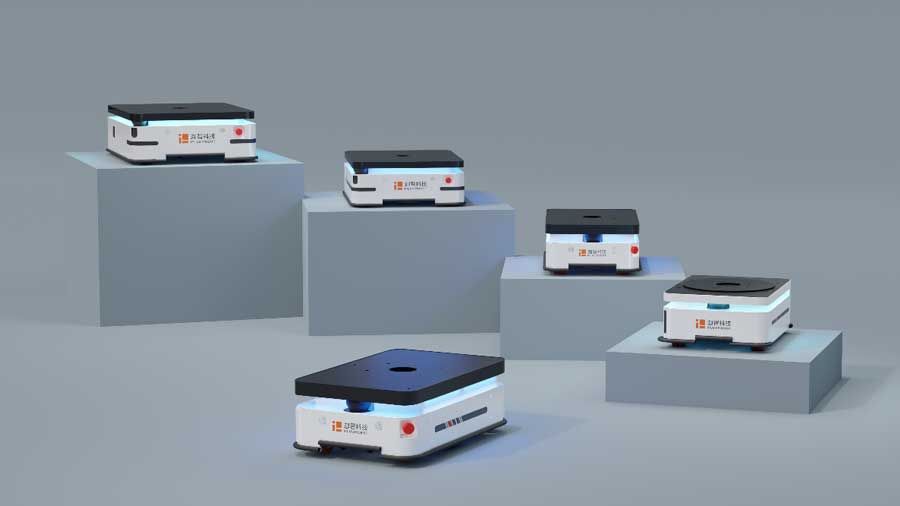




1. Automating Processes with Robotics: Gone are the days of robots confined to cages. Collaborative robots (cobots) now seamlessly integrate into human workspaces, enhancing efficiency and accuracy in repetitive tasks.
2. Embracing Smart Factories Solution: Manufacturing plants are transitioning into data-driven environments. Embedded sensors capture real-time data throughout production, facilitating continuous enhancements and predictive maintenance practices.
3. Fostering Connectivity in Industry: The Industrial Internet of Things (IIoT) links machinery, products, and personnel, nurturing collaboration and instantaneous communication along the entire supply chain.
4. Advanced Materials & Technologies: New materials boasting exceptional properties such as strength, lightweight construction, and conductivity are revolutionizing the realms of possibility. The advent of additive manufacturing, commonly known as 3D printing, is challenging conventional production techniques, ushering in a new era of innovation. These breakthroughs are not only reshaping manufacturing processes but also transforming the very fabric of production itself.
These advancements are fundamentally changing the way we manufacture:
1. Increased Efficiency: Seamlessly incorporating automation and harnessing data-driven insights, our interconnected systems optimize production workflows, leading to faster output and reduced waste.
2. Increased Adaptability: Manufacturers gain the ability to swiftly respond to evolving customer preferences and market dynamics through agile production lines and easily reprogrammable robots.
3. Elevated Standards: By integrating automation and real-time monitoring, human errors are minimized, guaranteeing steadfast product quality.
4. Embracing on Innovation: Through the automation of mundane tasks, manufacturers unlock opportunities to dedicate resources towards pioneering research and development initiatives, fostering continuous innovation.
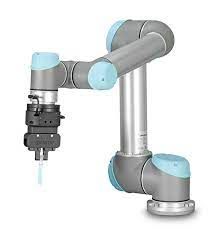
The Rise of Collaborative Robots (Cobots)
For decades, traditional industrial robots have been crucial to factory automation, yet their confinement to caged workspaces stemmed from Safety apprehensions. Enter collaborative robots, affectionately known as cobots, heralding a paradigm shift. Engineered to seamlessly interact with humans without compromising safety, cobots are reshaping the manufacturing terrain at a breakneck pace.
1. What are Cobots? .
Cobots represent cutting-edge advancements in robotics, revolutionizing the realm of automation. Derived from “collaborative robot,” they’re designed to seamlessly interact with humans. Thanks to advanced sensor technology, cobots possess a sense of touch, enabling them to work alongside humans safely. In the event of an interruption, they promptly switch to a safety mode, a feature absent in traditional robots that could pose risks to human safety by continuing their operations unabated.
– Compact and lightweight: Their smaller stature and reduced weight facilitate seamless deployment and seamless integration into pre-existing production setups.
– Prioritized safety features: Engineered with inherent safety mechanisms such as sensors and force restriction, cobots prioritize the well-being of their human counterparts, minimizing the risk of injuries.
– User-friendly programming: Cobots boast intuitive interfaces, often eliminating the need for extensive robotics proficiency, thus simplifying the programming process.
2. Why are Cobots on the Rise?
The increasing adoption of cobots can be attributed to various factors, including:
– Enhanced Accessibility: Cobots are becoming more cost-effective, making them accessible to a wider range of manufacturers, including small and medium-sized businesses.
– Versatile Functionality: Cobots boast programmability for a wide array of tasks, spanning material handling, assembly, machine tending, and quality control.
– Heightened Efficiency: Automation of mundane tasks by cobots liberates human workers to engage in more impactful endeavors, thus amplifying productivity levels.
– Enhanced Safety for Workers: Cobots play a crucial role in improving workplace safety by assuming hazardous tasks, thereby reducing the risk of injuries and promoting a safer environment.
3. The Influence of Cobots
The emergence of cobots is profoundly reshaping the manufacturing landscape across various dimensions:
– Collaborating with Cobots: Embracing a new chapter in human-robot teamwork, cobots pave the way for enhanced collaboration between humans and robots, ensuring optimal outcomes.
– Enhanced Adaptability: With cobots, production lines gain heightened flexibility, allowing seamless adjustment to evolving demands and the integration of new product lines.
– Adapting the Workforce: With the rise of cobots automating repetitive tasks, demand surges for a proficient workforce versed in cobot programming, maintenance, and data analysis, emphasizing the importance of reskilling.
4. The Evolution of Cobots:
Cobots continue to advance, promising a bright future ahead. Progress in artificial intelligence, machine learning, and sensor technology will augment their functionalities, broadening their application spectrum. Positioned as a pivotal asset, cobots are set to empower manufacturers in boosting efficiency, enhancing safety measures, and sustaining competitiveness in the global arena.
The pivotal role of Automatic Tool Changers (ATCs)
Cobots are revolutionizing manufacturing through their collaborative design and user-friendly operation. However, their true potential is unleashed by a pivotal technology: the Automatic Tool Changer (ATC).
1. Why are ATCs Crucial for Cobots?
– Enhanced Functionality: With an ATC, a solitary cobot gains the ability to execute a diverse array of tasks. Picture a cobot seamlessly transitioning between a gripper for product assembly, a screwdriver for component tightening, and a camera for quality assurance – all within a unified program. This adaptability eradicates the necessity for specialized robots for each function, optimizing cobot efficiency.
– Boosted Productivity: Say goodbye to time-consuming manual tool changes that disrupt production. Automatic Tool Changers (ATCs) swiftly switch tools, slashing downtime and supercharging efficiency.
– Streamlined Programming: Embrace simplicity with ATCs. Complex processes are now attainable with just one cobot program. Let the cobot handle tool selection effortlessly, cutting down on programming complexity and minimizing human involvement.
– Enhanced Safety: Bid farewell to risks associated with manual tool changes. ATCs remove the need for human workers to handle heavy or sharp tools, reducing the likelihood of injuries.
2. ATCs: The Ideal Complement to Cobot Capabilities
Automated Tool Changers (ATCs) enhance the inherent benefits of cobots through various avenues:
– Prioritizing Safety: Cobots prioritize safe human interaction. ATCs uphold this safety standard by automating tool changes, thereby reducing the risk to human workers.
– User-Friendly Design: Similar to cobots’ emphasis on ease of use, ATCs are engineered for effortless integration. They should be straightforward to install and upkeep, thereby enriching the cobot experience as a whole.
– Versatility: Automated Tool Changers (ATCs) offer a range of configurations featuring diverse tool capacities and actuation mechanisms. This ensures the choice of an ATC that perfectly aligns with the unique requirements and payload of a specific cobot.
3. The Evolving Landscape of Cobots with ATCs
The collaboration between cobots and ATCs is propelling automation to new heights. With ongoing advancements in these technologies, we anticipate witnessing:
– Enhanced ATCs: Integrating sensors and implementing automatic tool calibration will elevate their functionality, promoting smoother operation and heightened efficiency.
– Streamlined Integration: Implementing standardized interfaces between cobots and ATCs will facilitate seamless integration, fostering a more user-friendly experience for operators.
– Increased Cobot Adoption: The combined advantages of cobots and ATCs will catalyze wider adoption of collaborative robots across diverse industries.
Automatic Tool Changers represent more than mere cobot accessories; they embody a transformative technology that unleashes the complete potential of these machines. By facilitating swift tool changes, expanding capabilities, and enhancing safety measures, ATCs empower cobots to emerge as indispensable assets for manufacturers navigating the dynamic landscape of production.
Understanding ATCs: Enhancing Cobots’ Versatility
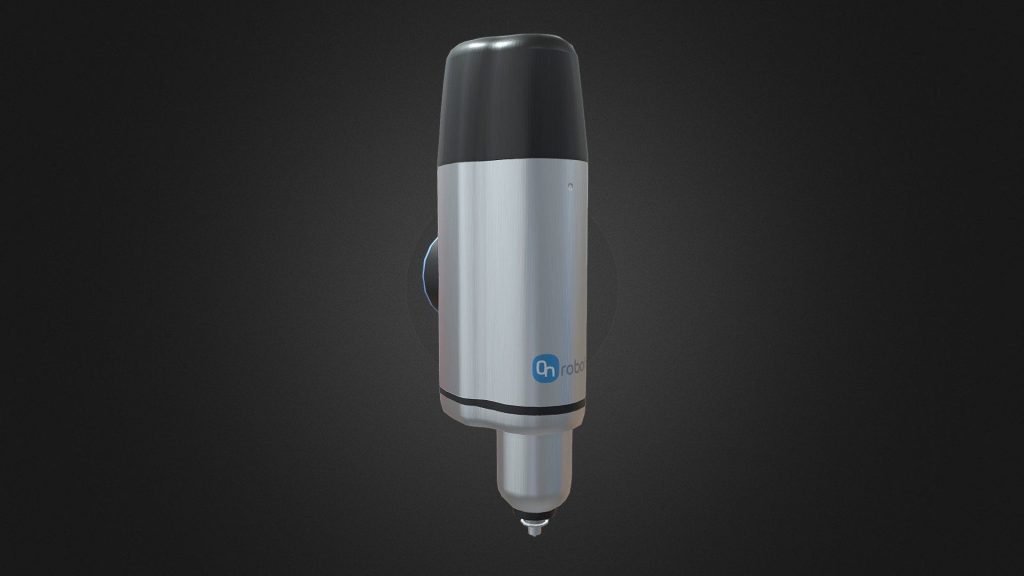
An Automatic Tool Changer (ATC) within the realm of cobots serves as a pivotal device facilitating seamless transitions between different End-of-Arm Tooling (EOAT), all autonomously. Essentially, it functions akin to a robotic utility belt, empowering cobots to undertake diverse tasks without requiring human intervention for tool swaps.
Its operational essence encompasses:
– Reliable Tool Attachment and Release: ATCs leverage robust gripping mechanisms, typically pneumatic or electrical, to securely affix or disengage tools from the cobot’s arm. This guarantees a steadfast and safe connection throughout operations.
– sensors integrated: The sensors integrated within the ATC (Automatic Tool Changer) are pivotal. Their function is to validate the successful attachment or detachment of tools prior to the cobot advancing with its designated task. This not only mitigates errors but also guarantees precise tool deployment, enhancing operational efficiency.
Moreover, ATCs foster versatility in applications. By expediting tool swaps, they grant cobots the capability to tackle an extensive array of tasks. Picture a scenario where a cobot seamlessly transitions from utilizing a gripper for product assembly to employing a screwdriver for component tightening, and finally employing a camera for quality assessment – all programmed seamlessly within a singular workflow.
Automatic Tool Changers (ATCs) represent a specialized automation technology tailored for cobots, enhancing their adaptability, productivity, and safety within manufacturing environments. These systems facilitate seamless tool changes, augmenting the cobots’ capabilities and versatility.
Types of Automatic Tool Changer: mechanical vs. magnetic vs. pneumatic
Automatic Tool Changers (ATCs) designed for collaborative robots (cobots) are available in diverse configurations, each offering unique benefits and factors to consider. Let’s explore three prevalent varieties:
1. Manual Automatic Tool Changers (ATCs)
– Purpose: Operating on a physical locking system such as levers or cams, these ATCs facilitate tool gripping and release.
– Pros: Their straightforward design translates to affordability and reliability, particularly for lighter tools.
– Cons: Their operation may demand more manual force, restricting the capacity for heavier payloads. Moreover, frequent tool changes could accelerate wear and tear on the locking mechanism, making them less suitable for such applications.
2. Leveraging Magnetic ATCs for Efficient Tool Changes
– Purpose: Utilizing potent magnets, these ATCs securely affix tools in place. Guided by the cobot, the tool is positioned onto a magnetic plate, where the robust magnetic force ensures its stability.
– Benefits: Swift tool transitions, making them perfect for tasks demanding frequent tool alterations. Minimal risk of mechanical deterioration in the locking mechanism.
– Drawbacks: Limited tool adaptability as not all tools are magnetizable. Payload capacity might be constrained by the strength of the magnet. Not optimal for tasks necessitating substantial tool gripping force.
3.Pneumatic Tool Changers (ATCs):
– Operation: Pneumatic ATCs employ compressed air to trigger a piston or diaphragm system, ensuring a robust grip of the tool onto the cobot arm.
– Benefits: Boasts substantial gripping power, ideal for heavier tools and tasks demanding secure tool fastening. Facilitates swift tool exchanges compared to mechanical counterparts.
– Drawbacks: Features a more intricate design than mechanical ATCs, possibly resulting in increased expenses. Necessitates an external air source, introducing complexity to system installation.
Selecting the appropriate Automatic Tool Changer (ATC) hinges on various criteria:
– Payload capacity: Consider the weight and dimensions of the tools utilized by the cobot.
– Frequency of Tool Changes: Evaluate how frequently the cobot will switch between tools.
– Specific Application Requirements: Assess the cobot’s tasks and necessary gripping force.
– Budgetary considerations: Account for initial expenses and ongoing maintenance costs of the ATC.
By comprehending the diverse ATC types and their functionalities, you can effectively choose the one that seamlessly aligns with your cobot and application demands.
Exploring the Inner Workings and Design Fundamentals of ATCs
The intricate workings and thoughtful design of Automatic Tool Changers (ATCs) facilitate effortless tool transitions for collaborative robots, balancing both technical functionality and user accessibility. Let’s explore the inner workings and guiding principles behind ATCs:
1. Fundamental Components:
– Tool Plate: Serving as the vital link between the cobot arm and the tool, the tool plate is crafted from durable yet lightweight materials such as aluminum. It boasts a standardized mounting pattern, ensuring compatibility with a diverse range of tools while optimizing efficiency and ease of use.
– Core Component: At the heart of the ATC lies its gripping mechanism, pivotal for both secure tool attachment and detachment. The choice of mechanism dictates the ATC’s versatility across various applications. (Further elucidation on mechanism types will follow.)
– Sensory Framework: Sensors assume a critical role in guaranteeing safe and dependable performance. They typically comprise:
– Positional Sensors: Validating correct tool alignment for attachment or detachment.
– Force Sensors: Monitoring the applied gripping force to ensure optimal tool security.
– Proximity Sensors: Detecting the presence or absence of tools on the plate.
– Activation Infrastructure: This system furnishes the necessary power for the operation of the gripping mechanism. It encompasses:
– Pneumatic System: Harnesses compressed air to activate pistons or diaphragms, ensuring robust clamping.
– Electric System: Utilizes electric motors or solenoids to drive levers or cams for tool attachment/detachment.
– Control Nexus: Serving as the central intelligence of the ATC, this component receives inputs from sensors and regulates the actuation system for seamless tool transitions. Often, it seamlessly integrates with the cobot’s primary controller for enhanced operational fluidity.
2. Design Principles for Automated Tool Changers (ATCs):
– Safety as Priority: Ensuring secure tool handling is foundational. The ATC design emphasizes preventing accidental detachment or misalignment during operation, integrating sensors and redundant safety features for heightened security.
– Reliability as Standard: ATCs must deliver consistent performance over prolonged durations. Employing robust mechanisms, premium materials, and diligent maintenance ensures unwavering reliability.
– Speed:Enhancing cobot efficiency hinges on swift tool changes. The design streamlines actuation processes for rapid exchanges, minimizing downtime.
– User-Friendliness: ATCs should be easy to integrate with cobots and require minimal setup or configuration. Standardized interfaces and user-friendly controls are key. Seamless integration with cobots is imperative, necessitating minimal setup complexities. Standardized interfaces and intuitive controls enhance accessibility.
– Tailored Payload Capacity: Customizing ATC designs to accommodate diverse tool weights and sizes is critical. Meticulous material selection and structural reinforcement ensure optimal performance.
Types of Gripping Mechanisms Revisited:
1. Mechanical: Utilizing levers, cams, or wedges, mechanical gripping mechanisms physically secure the tool onto the plate. They are straightforward, cost-effective, and reliable for lighter tools, yet may exhibit limited payload capacity and wear over time with frequent usage.
2. Magnetic: These leverage powerful magnets embedded in the tool plate and the tool itself. They offer very fast tool changes and eliminate wear on locking mechanisms, but may not be suitable for all tools (due to material limitations) and may have limitations on gripping force. Harnessing the power of embedded magnets in both the tool plate and the tool itself, magnetic gripping mechanisms enable swift tool changes and mitigate wear on locking components. However, they may not be universally applicable due to material constraints and could have constraints on gripping force.
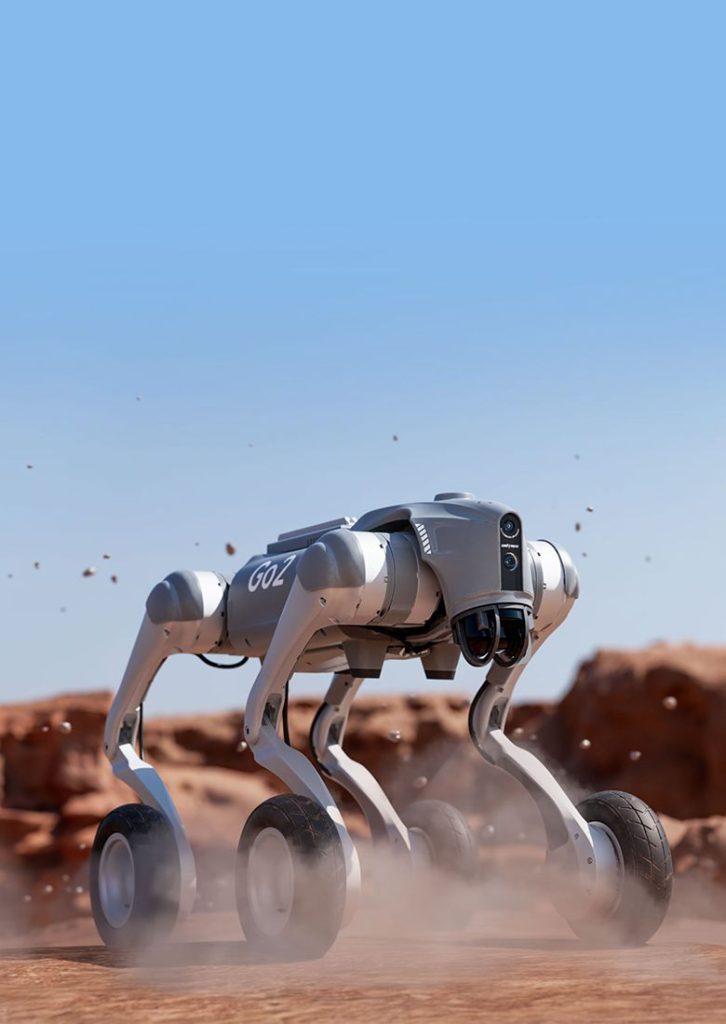
In our fast-paced technological era, the need for dependable power distribution solutions is greater than ever before. As industries embrace cutting-edge robotics, the power sector experiences a transformative wave in how it manages inspections, maintenance, and operations. At the forefront of this evolution are Unitree quadrupedal robots, revolutionizing the landscape by introducing innovative methods for monitoring and maintaining power infrastructure. Explore the next generation of power management with Unitree
3. Pneumatic: Operating on compressed air,
pneumatic pneumatic gripping mechanisms activate pistons or diaphragms to generate robust clamping force. Offering superior payload capacity and faster tool changes compared to mechanical counterparts, they are more intricate and necessitate an air supply for operation.
Selecting the Ideal Mechanism:
Various factors influence the choice of the optimal mechanism:
– Payload Demands: Considering the weight and dimensions of the cobot’s tools is crucial.
– Tool change frequency: The frequency with which the cobot switches between tools impacts the choice of mechanism.
– Application Specifics: Understanding the tasks the cobot performs and the necessary gripping force is essential.
– Cost Analysis: Evaluating both the initial investment and ongoing maintenance costs of the ATC.
By comprehending these mechanisms and adhering to design principles, manufacturers can confidently choose and deploy ATCs that empower their cobots, optimizing efficiency and adaptability in production workflows.
Compatibility with Various Cobots
Automatic Tool Changers (ATCs) represent a significant advancement for cobots, yet ensuring seamless integration between them is pivotal for effective deployment. Here’s an insightful breakdown of critical considerations:
1. Cobot Arm Interface:
– Physical Connectivity: ATCs establish connections with the cobot arm’s flange or end-of-arm tooling (EOAT) mounting point. This point ideally adheres to a standardized interface like ISO 9409-1-31, ensuring interoperability with diverse ATCs across different manufacturers.
– Payload Capability: It’s essential to ascertain that the cobot possesses adequate payload capacity to support both the ATC and the tools it manages. Overburdening the cobot beyond its payload threshold can strain its motors and compromise its operational longevity.
2. Communication and Control:
– Seamless Communication: Effective communication between the cobot and ATC is crucial for coordinating tool changes seamlessly. Employing standardized communication protocols such as Modbus or DeviceNet facilitates this process. It ensures the cobot receives accurate signals from ATC sensors and can precisely control the actuation system for tool attachment and detachment.
– Integrated Control Systems: Integrating the ATC’s control system with the cobot’s main controller streamlines operation. This integration enables programming tool changes directly within the cobot program, enhancing efficiency and maintaining a smooth workflow.
3. Additional Considerations:
– Software Integration: Certain ATCs may necessitate dedicated software for setup or monitoring purposes. Prioritize compatibility with the cobot’s programming software or any supplementary programs required for optimal ATC functionality.
– Emphasize Safety: Both the cobot and ATC must incorporate robust safety measures to mitigate risks during tool transitions. Seek features such as overload protection and emergency stop mechanisms to enhance operational safety.
-Reliable Manufacturer Assistance:Opt for ATCs offered by reputable manufacturers known for exemplary customer support. Their expertise can aid in navigating compatibility concerns, streamline installation processes, and address any troubleshooting needs that may arise.
Here’s a user-friendly guide on selecting the right ATC for your cobot:
– Start by understanding your cobot model and its specifics, such as payload capacity and communication protocol.
– Research ATCs that align with your cobot’s interface standard, like ISO 9409.
– Assess the weight and size of your tools to determine the necessary payload capacity of the ATC.
– Ensure compatibility between the ATC’s communication protocol and your cobot’s.
– Evaluate how easily the ATC integrates with your cobot’s programming software.
– Prioritize ATCs equipped with robust safety features and backed by reliable manufacturer support.
Emerging Trends in ATCs and Cobots
The dynamic collaboration between Automatic Tool Changers (ATCs) and Cobots is reshaping automation within factory settings. As these technologies undergo continuous evolution, several intriguing trends are poised to define their trajectory:
1. Enhanced Gripping Mechanisms:
– Sensor-Integrated Grippers: ATCs featuring integrated force and position sensors will furnish real-time insights into tool attachment and operation. This capability facilitates automatic adjustments, optimizing tool gripping for heightened reliability.
– Adaptive Gripping Systems: ATCs equipped with adaptable grippers capable of accommodating diverse tool shapes and sizes will elevate cobot versatility. This adaptability empowers cobots to undertake a broader spectrum of tasks autonomously, reducing the need for manual intervention.
2. Enhanced Communication and Control:
– Plug-and- play Functionality: ATCs with standardized interfaces and pre-configured settings will enable easier integration with various cobot models, making them more user-friendly and reducing setup time.
– Cloud-based Monitoring and Control: Cloud-based platforms may allow for remote monitoring and control of ATCs. This would enable real-time diagnostics, proactive maintenance, and performance optimization.
3. Improved Connectivity and Management:
– Intelligent Tool Selection: By integrating artificial intelligence (AI) into ATCs, production data analysis becomes automated, enabling the system to suggest the most suitable tool for every task. This integration enhances cobot operation efficiency significantly.
– Automated Calibration and Maintenance: ATCs featuring self-calibration and diagnostic capabilities streamline operations, reducing downtime and maintenance costs. Additionally, their proactive issue detection and resolution capabilities enhance overall system reliability.
4. Prioritize Collaborative Safety:
– Enhanced Safety with Vision Systems: ATCs integrating vision systems heighten safety by detecting potential hazards during tool changes, automatically halting the cobot if necessary.
– Advancements in Human-Robot Collaboration: Strengthening communication among ATCs, cobots, and human workers fosters safer and more collaborative work environments.
– Embrace Standardized Interfaces and Open-Source Development:
Standardizing communication protocols and utilizing open-source software development platforms could expedite innovation and encourage broader adoption of ATCs within the cobot industry.
– Modular ATC Design: Incorporating modular designs with interchangeable components enables customization tailored to specific application needs and payload requirements, enhancing flexibility and efficiency.
Recap of the Game-Changing Impact of ATCs for Cobots
Cobots have revolutionized the manufacturing landscape, renowned for their collaborative nature and user-friendly operation. However, it’s the Automatic Tool Changer (ATC) that unleashes their full potential. Here’s a concise overview of how ATCs revolutionize cobots:
– Enhanced Versatility:With an ATC-equipped cobot, a single unit becomes a versatile multitasker. Picture a cobot seamlessly transitioning from using a gripper for assembly, to employing a screwdriver for tightening, and then utilizing a camera for quality control – all within the same program. This eliminates the necessity for dedicated robots for each task, optimizing cobot utilization.
– Enhanced Efficiency: ATCs revolutionize productivity by eliminating manual tool changes. Rapid tool switching minimizes downtime, empowering cobots to accelerate work processes and enhance overall output.
– Streamlined Programming: ATCs simplify complex tasks by enabling cobots to execute multi-step processes with a single program. Automated tool selection optimizes programming efficiency, reducing reliance on human intervention.
– Enhanced Safety Measures: By automating tool handling, ATCs mitigate risks associated with manual manipulation of heavy or sharp equipment, thereby promoting a safer work environment with reduced potential for injuries.
– Expanded Versatility: Offering diverse configurations, ATCs broaden cobots’ capabilities to accommodate a wide array of tools and payloads. This versatility enhances adaptability to varying manufacturing requirements, amplifying operational flexibility.
ATCs seamlessly enhance the inherent advantages of cobots:
– Safety First: Both technologies prioritize human safety, with ATCs automating tool changes to minimize risks to workers.
– User-Friendly Design: Just as cobots prioritize ease of use, ATCs are crafted for effortless integration, simplifying setup and maintenance to elevate the cobot experience.
Looking ahead at the future of manufacturing automation
Automation, a significant transformation is underway. We’re transitioning from the rigid, confined robots of the past to a future characterized by collaborative robots (cobots) working alongside human counterparts. Driving this transformative shift is the remarkable influence of Automatic Tool Changers (ATCs).
1. A Collaborative Bond:
Cobots are renowned for their user-friendly nature and safe interaction with humans. However, their capabilities soar to new heights when integrated with Automatic Tool Changers (ATCs). These innovative devices elevate cobots from singular functions to multifaceted production collaborators. Picture a scenario where a cobot seamlessly assembles products, tightens screws, and conducts quality assessments, all within a unified program – made possible by the seamless integration of ATCs.
2. Abundant Benefits: Manufacturers reap numerous advantages from the collaboration between cobots and ATCs:
3. Elevated Efficiency: Swift tool changes reduce downtime, resulting in a substantial increase in productivity across operations.
4. Improved Flexibility: Cobots exhibit adaptability to fluctuating production demands, undertaking a broader spectrum of tasks without necessitating dedicated robots for each function.
5. Streamlined Operations: ATCs simplify programming tasks, enabling cobots to seamlessly switch tools within a unified program automatically.
The horizon of manufacturing automation shines with promise, propelled by the revolutionary potential of cobots and ATCs. Through embracing these advancements and nurturing a cooperative human-robotic atmosphere, manufacturers pave the way for enhanced efficiency, adaptability, and safety within their operations. As we stride ahead, it’s an exhilarating moment to participate in this ever-evolving realm.