

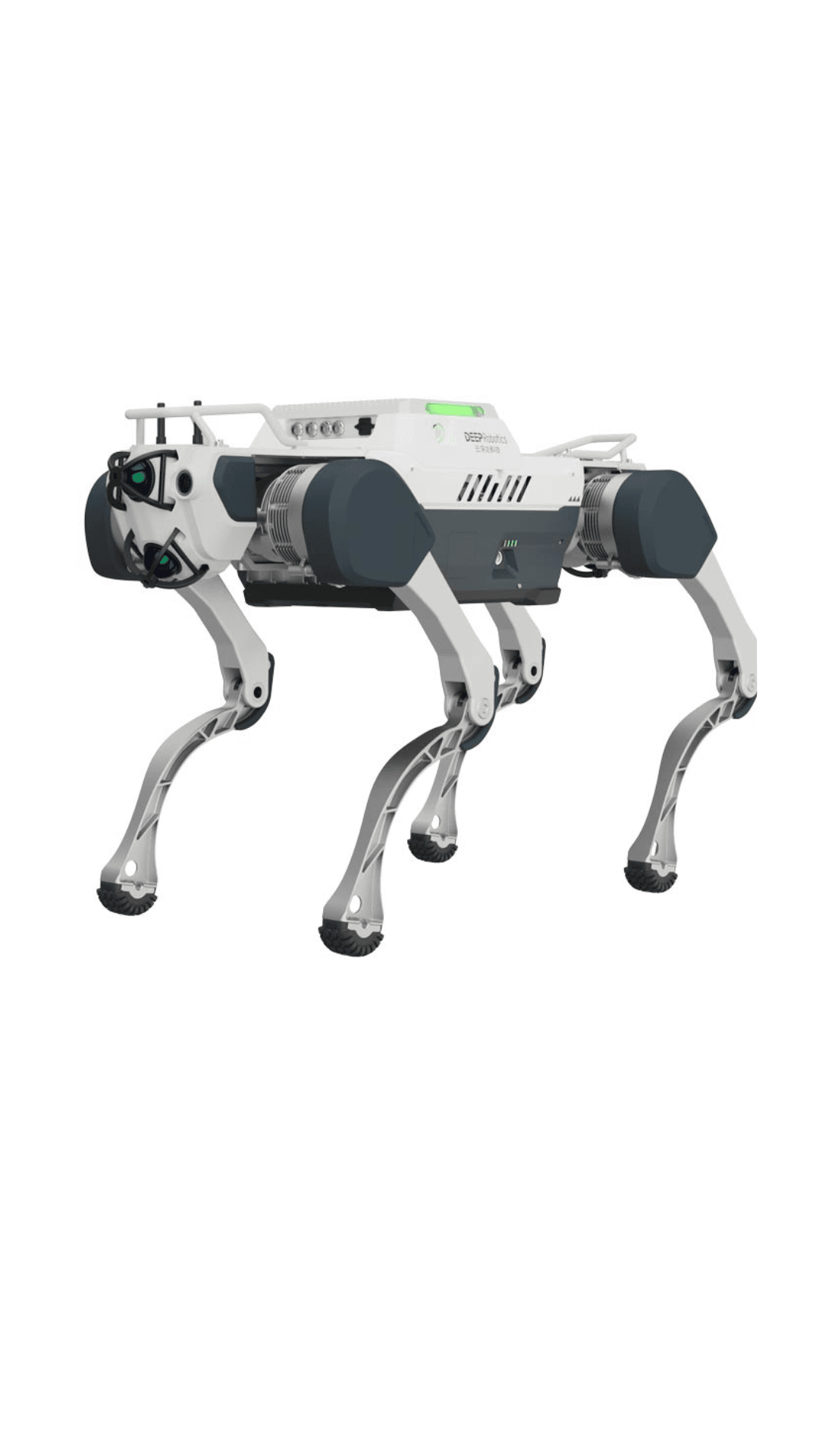
Automation Using Deep Robotics Is Changing Industries
To enable machines to perform complex tasks, a new area called deep robotics combines sophisticated robotics with artificial intelligence (AI) methods including machine learning and deep learning. Thanks to the integration of artificial intelligence with robotics, robots can now learn, adapt, and make decisions, expanding their potential beyond basic automation . Deep robotics is gaining popularity across various industries, including manufacturing , healthcare, logistics, agriculture, and exploration. This article examines how deep robotics functions and how multiple sectors are being revolutionized by it.
– The Work of Deep Robotics
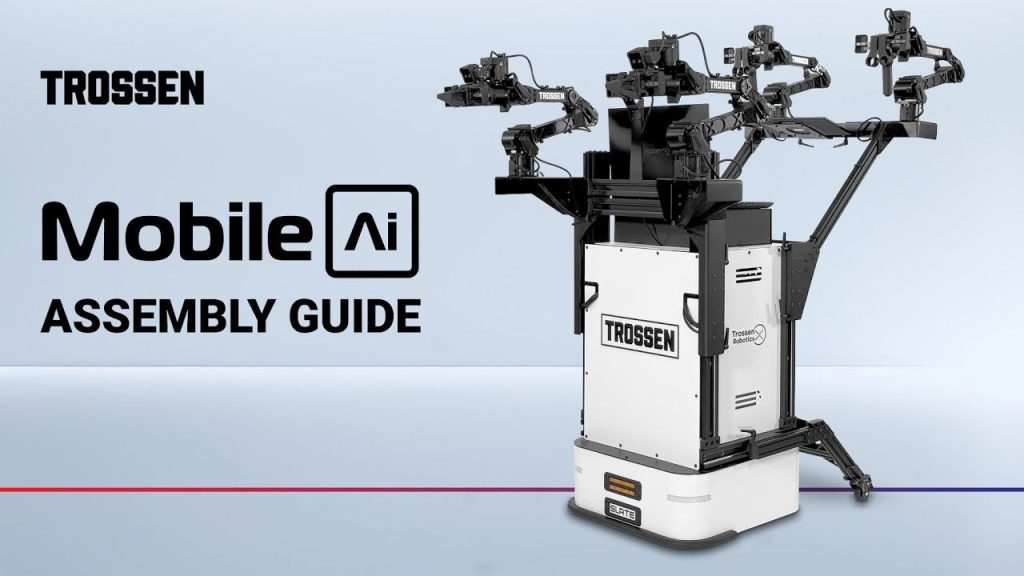
Deep robotics is essentially the combination of three components:
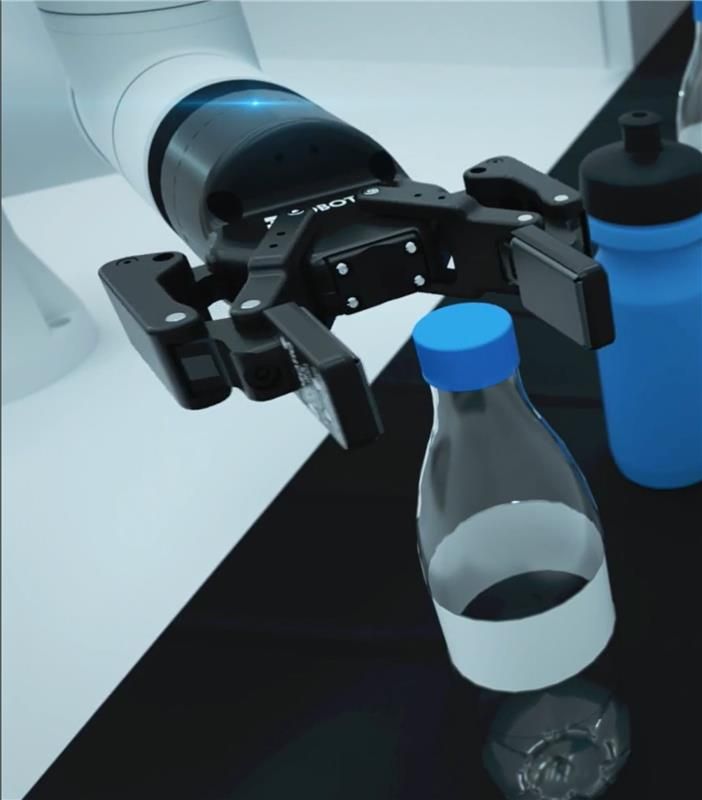
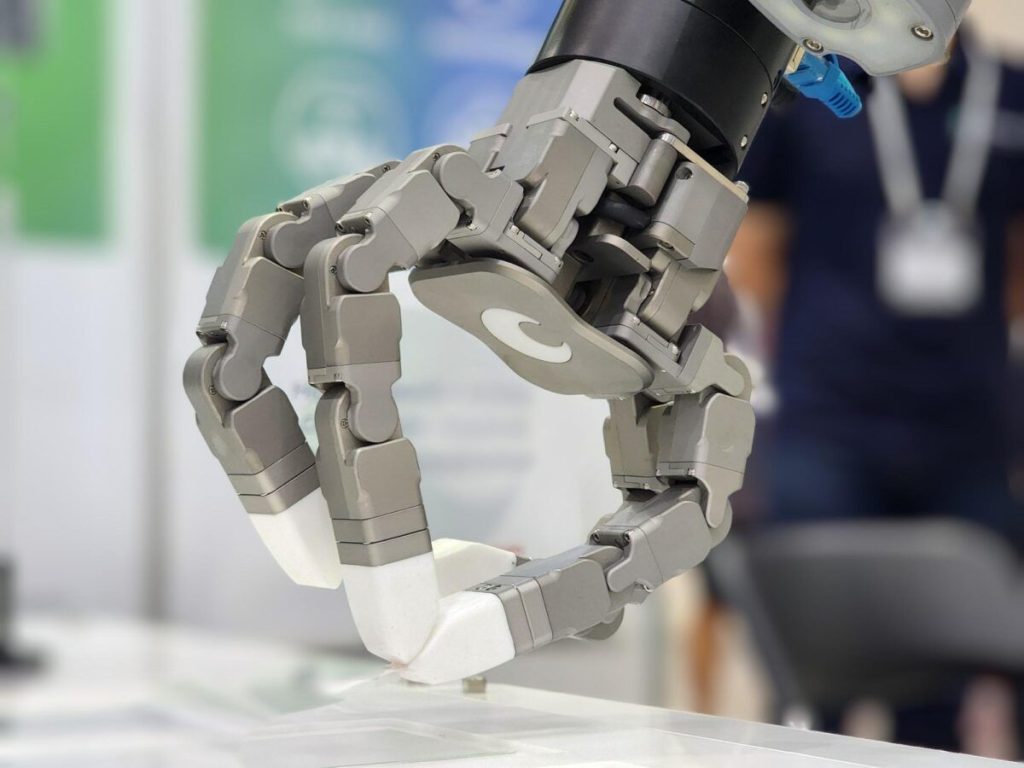
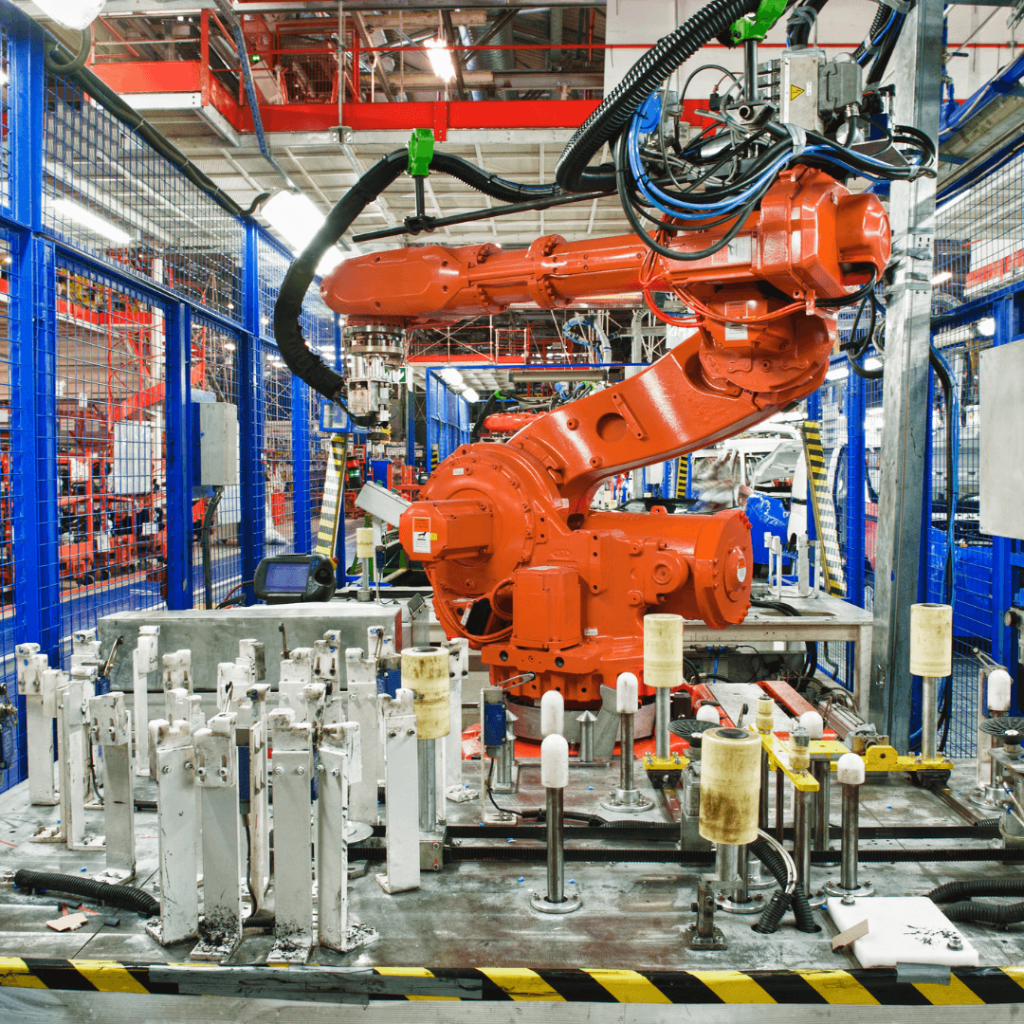
Robotic hardware refers to the metal components of a robot, including sensors, actuators, and control systems that enable the robots to interact with their environment.
– Deep Learning Algorithms: Artificial intelligence techniques like neural networks allow robots to recognize patterns, process large amounts of data, and gain knowledge from experience. Deep learning models are needed to teach robots complex tasks like object recognition, decision-making, and even reasoning.
– control systems: Based on information from sensors and algorithms, control systems create decisions that govern the behavior of robots. Robots with control systems are able to carry out tasks on their own and adjust to changing circumstances.
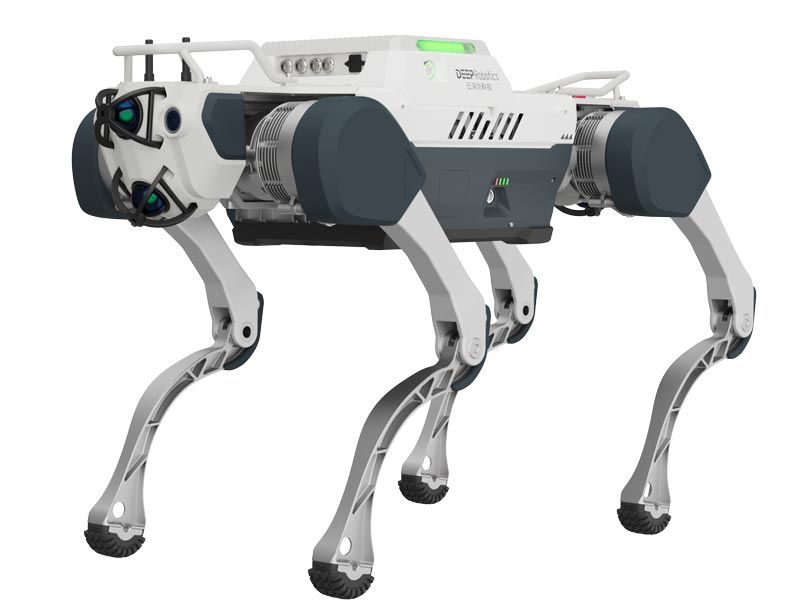
Pioneering Innovation & Application of Embodied AI
Power & Utilities in Deep Robotics
Deep robotics integration is revolutionizing operations in the power and utilities sector by improving reliability, safety, and efficiency. AI and machine learning-driven robotics is currently being utilized to automate maintenance jobs in hazardous areas, monitor energy grids, and examine power lines. Robotic systems and autonomous drones can access hazardous or inaccessible locations, lowering the risk to human workers while maintaining service continuity. Additionally, these technologies enhance predictive maintenance, enabling utilities to anticipate equipment malfunctions and optimize the distribution of energy. Deep robotics is pushing innovation and sustainability in the energy sector as it develops and plays a crucial role in modernizing the infrastructure.
– Deep Robotics Rescue
Rescue operations have been transformed by deep robotics, a cutting-edge area that combines artificial intelligence with sophisticated robotic equipment. These AI-driven autonomous robots can handle difficult areas such as collapsed buildings, disaster zones, and deep-sea habitats where human intervention is risky or unfeasible. They are outfitted with sensors, AI-driven algorithms, and adaptive learning capabilities.
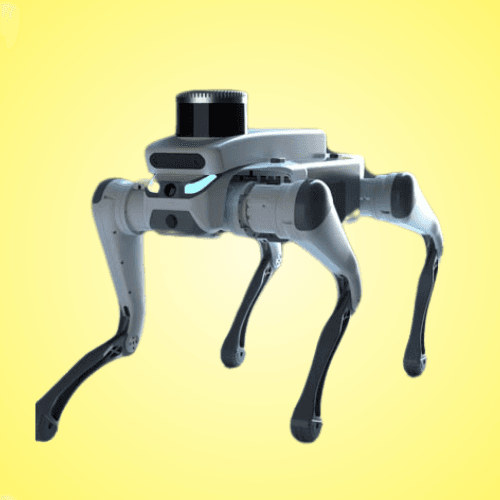
Rescue robots can even bring emergency supplies. They are made to look for survivors and evaluate the structural integrity of buildings. They make use of cutting-edge technology like deep learning to adjust to unforeseen hurdles, thermal imaging to locate heat signatures, and LiDAR for mapping. This robotics breakthrough expedites response times during crucial rescue missions, improves efficiency, and lowers hazards for human rescuers.
– Deep Robotics Tunnel
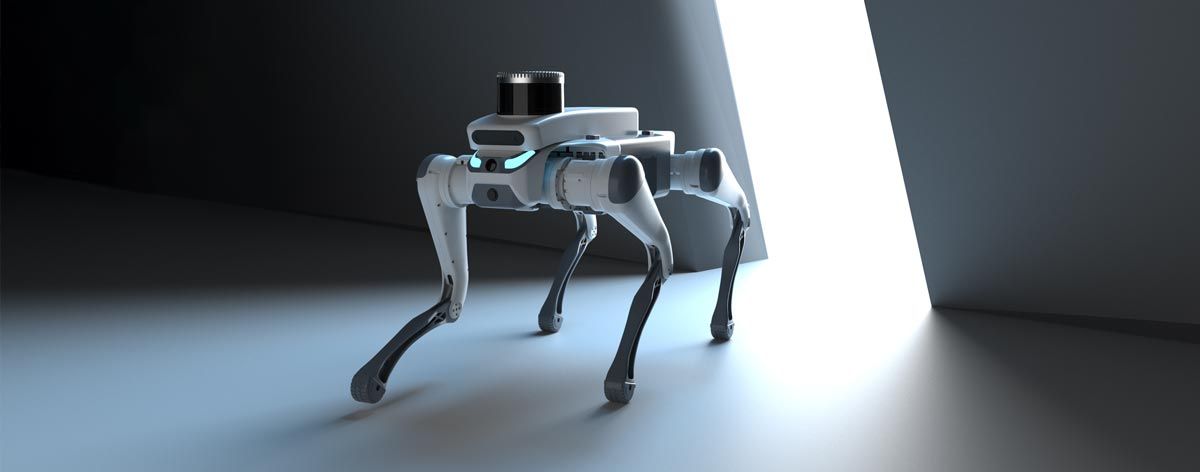
In the context of deep robotics, a tunnel is a small, restricted space where robots can move around and carry out activities on their own. These tunnels may be found beneath the surface, inside pipes, or inside of industrial buildings where it is hazardous or difficult for people to enter. Robots with sophisticated sensors, cameras, and artificial intelligence (AI) algorithms are employed in deep robotics to explore these confined areas for maintenance, inspection, or search and rescue missions.
Space constraints, poor vision, and difficult navigation are obstacles. Deep robotics commonly employs techniques like SLAM (Simultaneous Localization and Mapping), machine learning, and path planning to allow robots to traverse safely in such tunnels. Robots can already map unfamiliar locations, identify impediments, and function independently even in challenging and remote environments thanks to these technologies.
– Mining and Metal in Deep Robotics
Deep robotics is improving productivity, sustainability, and safety in the mining and metals industries. AI-enabled autonomous robots with cutting-edge sensors are being employed for jobs including material transportation, excavation, and exploration in dangerous or difficult-to-reach areas. These robots can work nonstop in deep underground mines, lowering the chance of accidents and exposing fewer people to hazardous situations.
Robotics in mining not only increase safety but also optimizes operations through accurate data collecting and mapping, which improves resource management. Due to robots’ ability to be programmed for energy efficiency and minimal environmental disturbance, this technological advancement is assisting businesses in cutting operating expenses while supporting environmentally friendly practices. The growing need for metals in sectors such as electronics and renewable energy
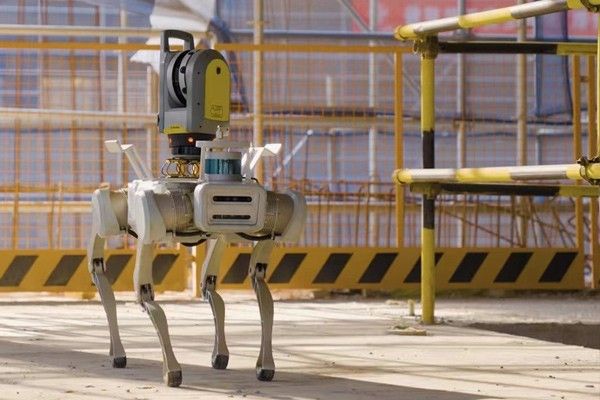
Construction in Deep Robotics: Revolutionizing the Industry
By incorporating AI, machine learning, and advanced robots into construction processes, deep robotics is revolutionizing the construction sector. These robots are made to handle demanding jobs in harsh settings, such putting together constructions in dangerous or hard-to-reach places.
Deep learning algorithms enable robots to carry out repetitive jobs like welding, bricklaying, and 3D printing of structures independently, increasing productivity and security. In order to adjust to shifting conditions on the job site, they can also evaluate enormous volumes of data in real time, which lowers human error and boosts precision. Deep robotics has the potential to completely transform the construction industry by enabling faster, safer, and more economical project execution as the technology advances.
Research in Deep Robotics
Deep robotics research focuses on incorporating machine learning, especially deep learning, and artificial intelligence (AI) into robotic systems to improve their flexibility, autonomy, and decision-making skills. Robots can execute complicated tasks in dynamic situations without the need for explicit programming because to deep learning algorithms, which allow them to process enormous volumes of data, identify patterns, and learn from experience.
Key areas of research include:
1. Perception and Vision: Robots can detect, recognize, and navigate in unstructured situations more accurately thanks to deep learning models that assist in the interpretation of sensory input.
2. Reinforcement Learning: Through trial and error, robots employ reinforcement learning to refine their actions and become more adept at navigating novel environments and tasks.
3. Human-Robot Interaction:By enhancing language processing, gesture recognition, and flexibility, researchers want to make it easier for robots to work alongside people.
Deep robotics has the potential to transform sectors such as autonomous systems, manufacturing, and healthcare by creating robots that are able to learn, adapt, and help in ever-more-complex ways.
Utilizing Deep Robotics in a Range of Industries
1. Manufacturing and Industry 4.0
Deep robotics is the engine powering the manufacturing sector’s transformation to Industry 4.0, which is characterized by intelligent and highly automated factories. In the past, industrial robots have performed repetitive tasks like welding and assembly. Conversely, deep robotics has improved their ability to do jobs requiring accuracy, adaptability, and judgment.
– Predictive maintenance: AI-enabled robots are able to scan machinery for signs of wear and tear and identify problems before they arise. This increases productivity and reduces downtime.
– collaborative robots (Cobots): Robots that work alongside people in a workplace to complete complex tasks like assembly, quality control, and handling hazardous materials are known as collaborative robots, or Cobots . Deep learning powers these machines. With time, these robots’ performance can be boosted by the knowledge they receive from their human counterparts.
– Quality Assurance: Robots can use deep learning-driven vision systems to inspect objects for defects, ensuring increased precision and quality in industrial processes. They can progressively become more adept at spotting small variations in goods.
2. Medical Care
With the help of deep robotics, the medical industry now has more alternatives for minimally invasive and more precise surgery, rehabilitation, and diagnosis.
– Surgical Robots: One of the most advanced applications of deep robotics in medicine is robotic-assisted surgery. Robots like the da Vinci Surgical System employ AI and machine learning to help surgeons perform complex surgeries with exceptional precision. These robots can access hard-to-reach areas and reduce the chance of human error.
– Medical Imaging and Diagnostics: Robots are now able to reliably assess medical images, such as MRIs, CT scans, and X-rays, thanks to the application of deep learning algorithms. This leads to the earlier and more accurate identification of diseases such as cancer, paving the way for more effective therapeutic approaches.
– Robotic Prosthetics: Deep robotics has also improved prosthetic limbs by using AI to understand and mimic human movement. Thanks to prostheses, amputees can now move more naturally and fluidly. These devices can even anticipate their users’ next step and adapt to their unique gaits.
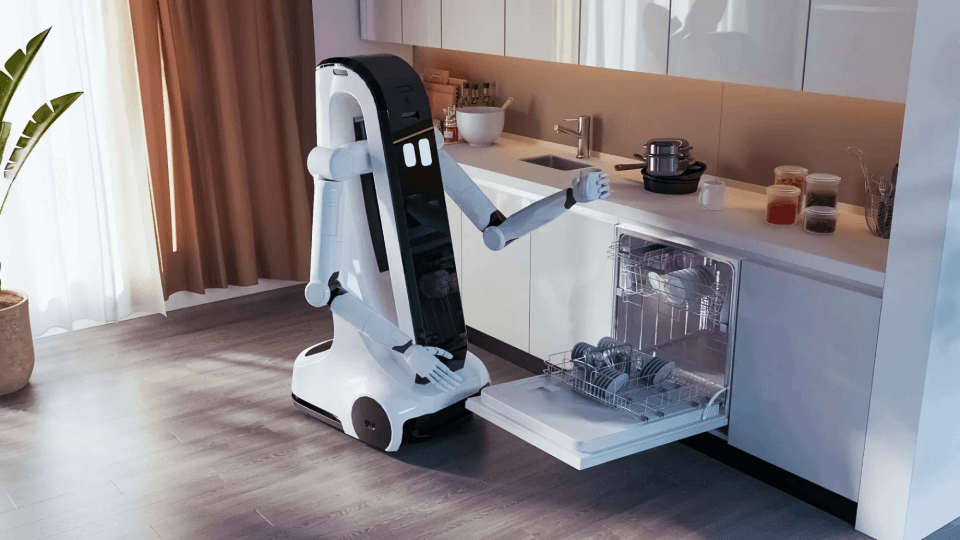
– Elderly Care: AI-driven robots are becoming an essential component of elder care. They can provide companionship, assist with daily duties, and monitor health concerns. These robots can adjust their behavior to give each patient personalized care based on their habits and preference
3. Logistics and Supply Chain
The introduction of deep robots has significantly changed the logistics industry. Robots are contributing to cost reduction and process optimization in a number of domains, such as warehouse management and last-mile delivery.
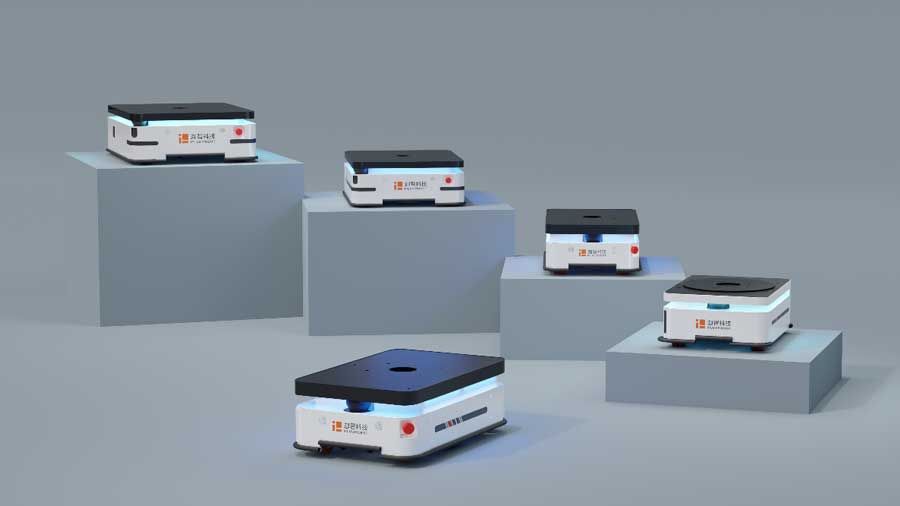
– Warehouse Automation: Businesses like Amazon and Alibaba are automating their warehouses with deep robotics. Robots with AI capabilities are more efficient at selecting, packing, and sorting products than human workers. Deep learning algorithms are used by these robots to optimize their paths across warehouses, resulting in faster order fulfillment and reduced error rates.
– Autonomous Delivery: Artificial intelligence (AI) has made it possible for delivery robots to carry goods directly to customers while navigating complex metropolitan environments. These machines select the most direct paths, stay clear of obstacles, and evaluate traffic patterns using
– Inventory management: Deep robotics, which uses AI-equipped robots to continuously monitor stock levels, is revolutionizing inventory management. By estimating demand and automatically reordering supply, these systems lower the likelihood of shortages by keeping warehouses well-stocked at all times.
Agriculture is another sector where deep robotics are making big advancements. Precision and intelligent agriculture are being revolutionized by robots that are more efficient and ecologically benign than human labor.
– Autonomous Harvesting: Deep learning-powered robots are now capable of autonomously harvesting crops. With their ability to discern ripe crops and harvest them without causing harm to the plant, these gadgets considerably minimize the requirement for human labor while increasing agricultural yield.
– Soil and Crop Monitoring: Deep robotics is being used to monitor crop health, soil conditions, and irrigation needs. By utilizing robots equipped with sensors and artificial intelligence (AI) to gather information on crop growth, nutrient levels, and soil moisture, farmers can make the most of their resources and boost productivity.
– Weed Control and Pesticide Application: AI-powered robots can discriminate between crops and weeds, which enables them to apply pesticides and herbicides precisely. This capability is useful for weed control and pesticide application. Better weed control and pesticide application result from this. This minimizes the impact on the environment and lowers the usage of chemicals while ensuring higher agricultural output
5. Exploration and Defense
Deep robots are also being used in areas where it may be too dangerous or impractical to have humans present, such as space exploration, undersea research, and military activities.
– Underwater Exploration: Deep robotics is enabling exploration at the ocean’s depths, where human presence is restricted. Artificial intelligence (AI)-enabled underwater robots can collect samples, observe marine life, and search the ocean floor to help scientists understand more about the ecosystems of the sea.
– Military & Defense: Autonomous drones, robotic infantry, and surveillance systems are being developed in the defense industry using deep robotics. These robots can do reconnaissance tasks, recognize dangers, and even engage in combat to lessen the risk to human soldiers.
-Conclusion
Deep robotics is revolutionizing a number of industries by letting machines carry out tasks that were previously limited to human competence. The integration of artificial intelligence (AI) with advanced robotic systems is enabling industries such as manufacturing, healthcare, logistics, agriculture, and exploration to become more innovative, productive, and efficient. Deep robotics can disrupt several industries and provide answers for some of the most difficult problems facing the contemporary world as it evolves Even allowing for persistent challenges such as budgetary limitations, moral dilemmas, and the need for human oversight, deep robotics offers far more potential benefits than drawbacks. By applying deep learning and artificial intelligence, we are creating a future in which people can work alongside robots to improve productivity, security, and people’s quality of life everywhere.