

What are Mobile Robots
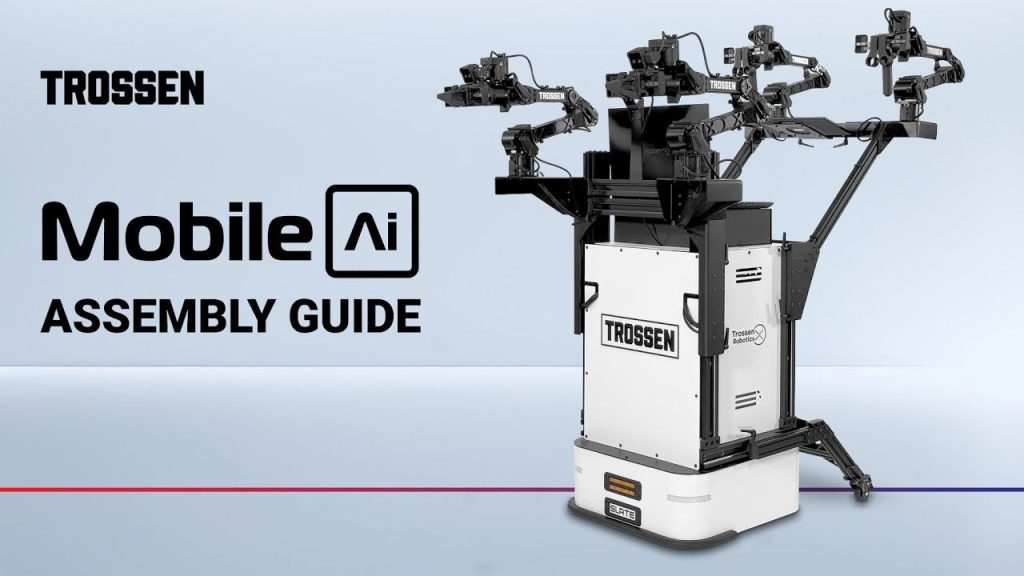
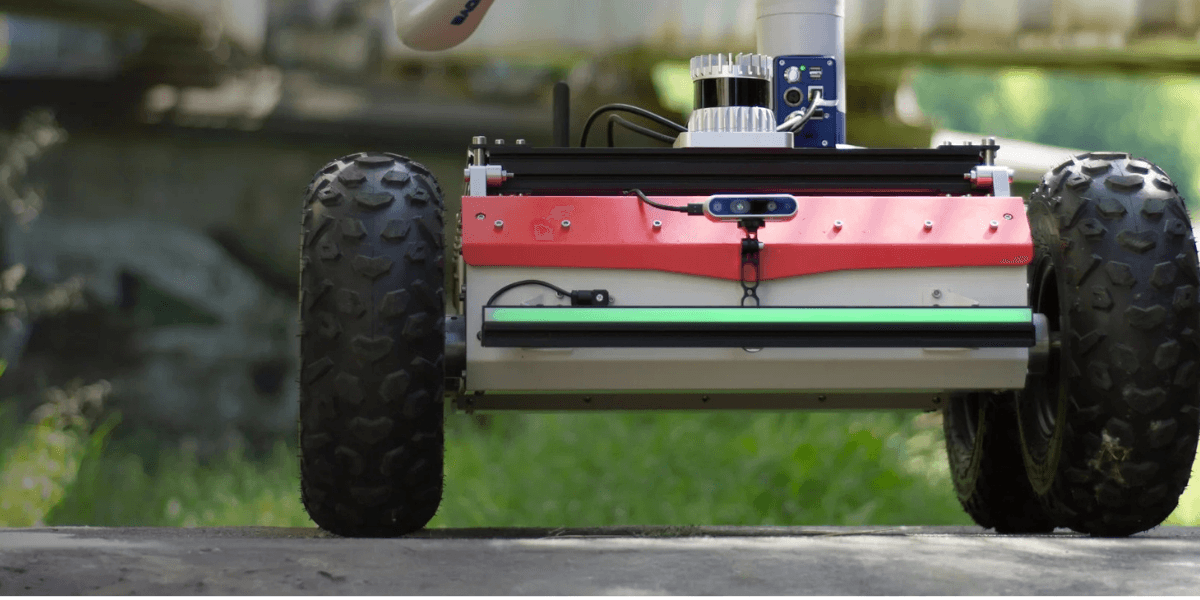
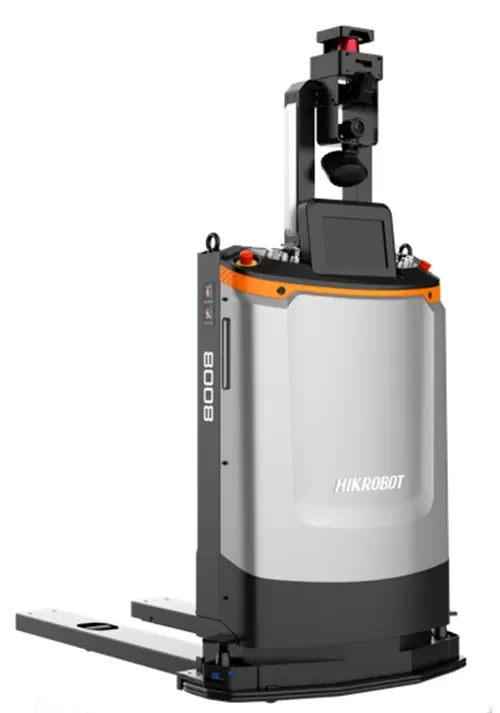
Autonomous or semi-autonomous, mobile robots are capable of moving around an area and performing a number of tasks. Unlike fixed robots that operate in a single location, mobile robots move around in real space and adapt to changes as they happen. Using sensors , cameras, and machine learning algorithms, they make decisions, steer clear of obstacles, and understand their surroundings. Mobile robots are now employed in many different industries and are an essential component of modern automation systems due to their adaptability
Types of Mobile Robots
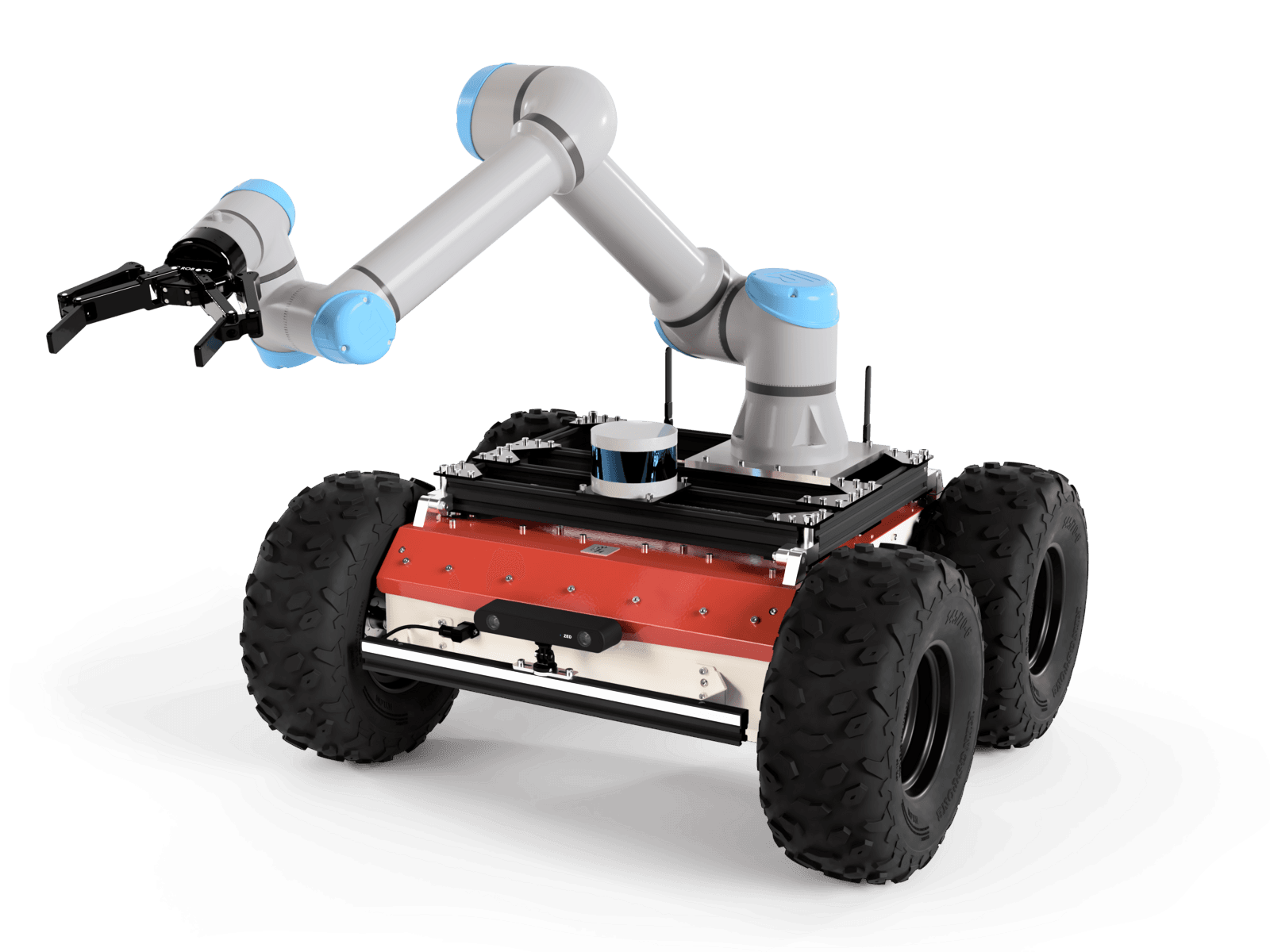
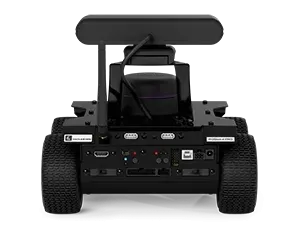
AMRs, or autonomous mobile robots
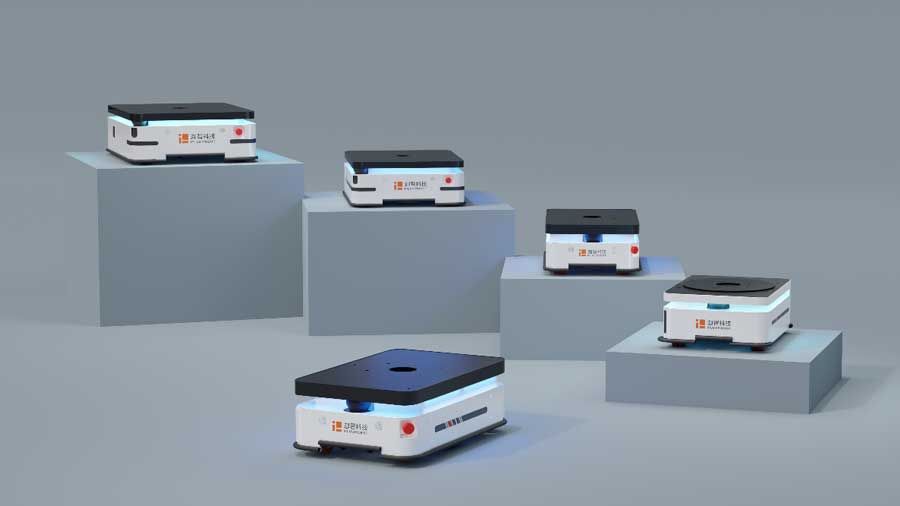
move around settings without direct human supervision. With the help of sophisticated sensor systems and algorithms, AMRs are able to map their environment, recognize impediments, and make dynamic route adjustments. Because they can move items, help with inventory control, and streamline logistics, they are widely used in warehouses. Additionally, healthcare facilities employ AMRs to engage with patients and provide medicinal supplies.
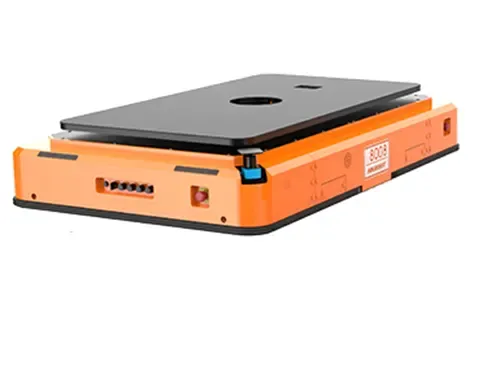
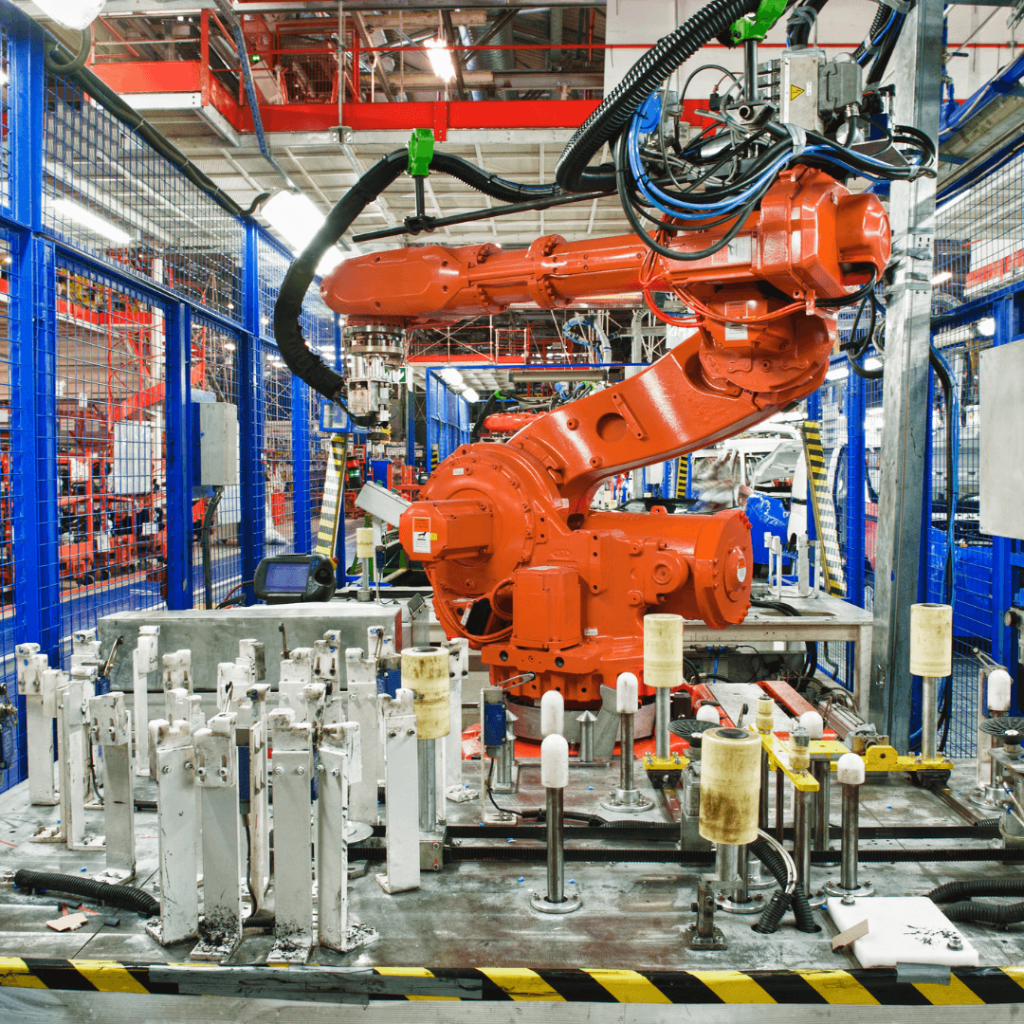
AGVs travel a predetermined route, which is frequently indicated by wires, magnets, or floor-mounted reflective strips. AGVs are dependable for repetitive operations in predictable situations, such moving inventory in huge warehouses or transporting items in factories, even if they are less adaptable than AMRs. AGVs are perfect for manufacturing and industrial settings where a high level of control is required because of their accuracy and reliability.
UAVs, or unmanned aerial vehicles
UAVs, also referred to as drones, are airborne mobile robots. Aerial photography, mapping, surveying, agriculture, and even delivery services make extensive use of them. Drones are useful for giving real-time data and for reaching outlying or dangerous locations. Improvements in sensor capabilities and battery life have increased their use across a range of industries.
Service Robots
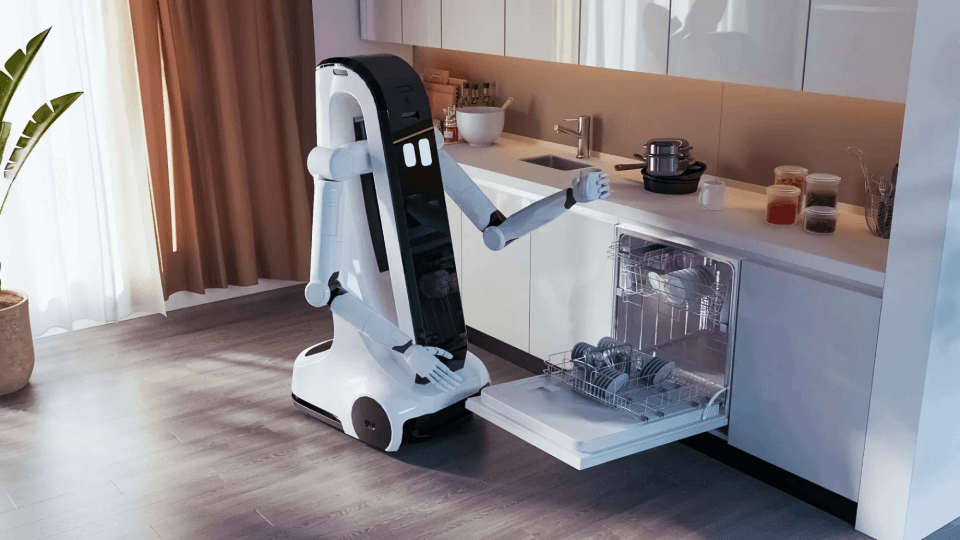
In a variety of industries, service robots serve both personal and professional requirements. These include companionship in nursing settings, floor cleaning robots, and robots that assist clients in retail establishments. They are perfect for both home and public settings because of their AI-driven features and user-friendly interfaces, which enable seamless human interaction.
Humanoid Robots
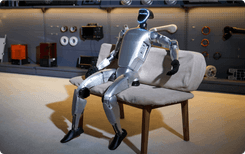
Humanoid robots are still in the early stages of development, but they are intended to move like humans and interact with people in human-designed surroundings. They are capable of carrying goods, walking, and interacting with humans because they are outfitted with sophisticated sensors, actuators, and artificial intelligence algorithms. For the service, hotel, and healthcare sectors, they have enormous promise.
Key Technologies Behind Mobile Robots
sensor systems for mobile robots
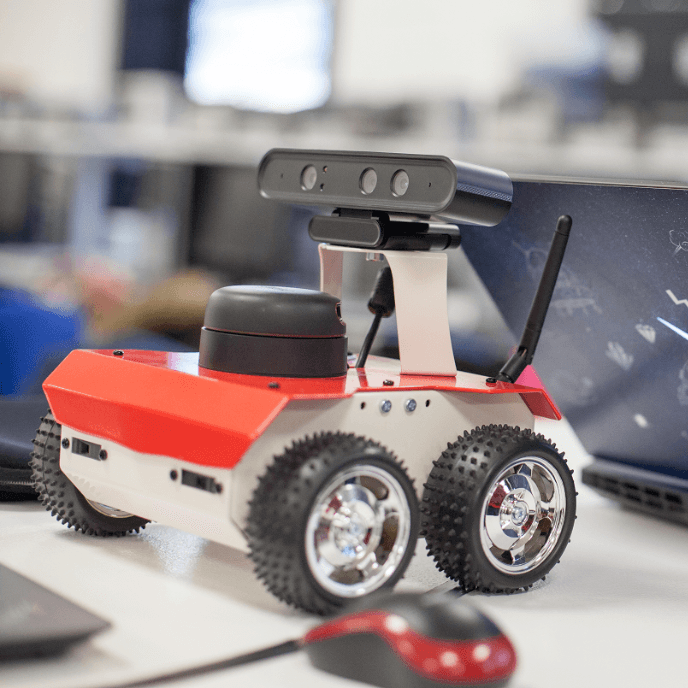
For robots to comprehend their surroundings, sensors are essential. For example, LiDAR (Light Detection and Ranging) sensors measure the time it takes for laser pulses to return in order to produce a three-dimensional map of the environment. Algorithms use visual data from cameras and depth sensors to identify objects, monitor movement, and steer clear of obstacles. For dependable and secure navigation, sophisticated mobile robots frequently combine many sensor kinds.
Artificial Intelligence and Machine Learning
Mobile robots can analyze sensory input, make judgments, and gradually improve their performance thanks to AI and machine learning algorithms. AI is used, for example, by warehouse robots to recognize objects, choose the best routes, and even anticipate maintenance requirements. Additionally, machine learning contributes to natural language processing and facial recognition, which allows service robots and humanoid robots to engage in meaningful human-robot interaction.
Simultaneous Mapping and Localization, SLAM
Through the technique of SLAM, robots create a map of an unfamiliar area while also monitoring their position inside it. Because it allows them to independently navigate complicated environments, this is crucial for AMRs. Robots can move independently and adapt to changes in their surroundings because of SLAM algorithms, which update maps in real-time using data from several sensors.
Simultaneous Mapping and Localization, SLAM
Through the technique of SLAM, robots create a map of an unfamiliar area while also monitoring their position inside it. Because it allows them to independently navigate complicated environments, this is crucial for AMRs. Robots are able to move independently and adapt to changes in their surroundings because of SLAM algorithms, which update maps in real-time using data from several sensors.
To receive and send data, mobile robots can be linked to networks using Bluetooth, Wi-Fi, or other wireless technologies. Mobile robots can now be a component of larger automated systems in industrial settings because of Internet of Things (IoT) connectivity. These systems can give real-time updates to centralized systems and communicate with other equipment. Additionally, this connectivity makes it easier to monitor and control processes remotely, which increases operational flexibility and efficiency.
Applications of Mobile Robots Across Industries
In manufacturing and warehousing
mobile robots are becoming more and more prevalent. They help with assembly lines, move items, and simplify inventory control. Through the automation of physically taxing and repetitive jobs, mobile robots increase productivity, lower human error, and create a safer workplace.
Medical Care
By providing patients with meals, supplies, and even medications, mobile robots in the healthcare industry lessen the workload for employees. To stop the spread of illnesses, several hospitals use robots to sanitize rooms. Additionally, they can support medical practitioners and enhance patient outcomes by helping with surgeries, diagnostics, and rehabilitation.
Agriculture.
In agriculture, autonomous robots are employed for accurate weeding, fertilizer application, and crop monitoring. To monitor crop health and identify problems like pest infestations early, drones offer aerial views of fields. Farmers may minimize pesticide use, enhance yields, and decrease waste with this application.
Logistics and Delivery
Drones and robots for last-mile deliveries are starting to appear as a viable option for urban logistics. In cities, robots carry food, groceries, and parcels, lowering the need for human labor and easing traffic. Additionally, they are being tested for use in warehouses, where they lower operating costs by streamlining inventory management and order picking.
Public Safety and Emergency Response
Mobile robots play a role in public safety , where they assist in bomb disposal, search and rescue missions, and handling hazardous material. Drones are particularly valuable in monitoring natural disasters, providing real-time images and data to responders, which is crucial for decision-making in emergency situations.
Advantages of mobile robot
Enhanced Productivity
Mobile robots greatly increase efficiency in labor-intensive and repetitive activities since they can work around the clock without pauses. This improves overall operational efficiency and lowers the time and expense related to human work.
Enhanced Security
For dangerous jobs like handling chemicals, getting into tight spaces, or moving large goods, robots are perfect. They make industrial and manufacturing settings safer for employees by lowering the chance of workplace accidents.
Cost Savings
Mobile robots can be expensive initially, but they save money over time by lowering labor expenses, avoiding mistakes, and reducing operational inefficiencies. Additionally, their accuracy results in reduced waste and better use of resources.
Data Collection and Analysis
Mobile robots gather information about their tasks, performance, and surroundings. Predictive maintenance, performance optimization, and decision-making can all benefit from this data, which offers insightful information for process improvement.