


Robotics and Automation’s Development
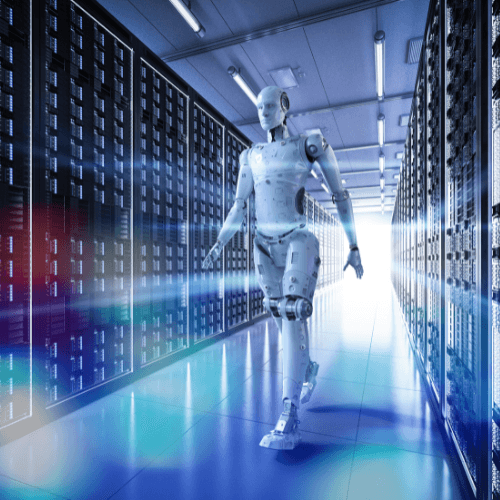
Robotics have changed dramatically since the 1960s, when the first industrial robots were placed on production lines. Modern, AI-powered systems are an example of this. These early robots could only do certain repetitive activities in restricted settings. However, contemporary robots can now function in dynamic and unpredictable environments thanks to their sophisticated sensors, real-time data processing capabilities, and machine learning algorithms.
Significant turning points in the development of robotics include
1. Industrial Revolution 4.0: The Internet of Things (IoT) and robotics are being integrated to create connected systems that can automatically monitor, evaluate, and optimize processes in the fourth industrial revolution.
2. AI Integration: Robots with AI can recognize patterns, make decisions, and carry out cognitively demanding activities.
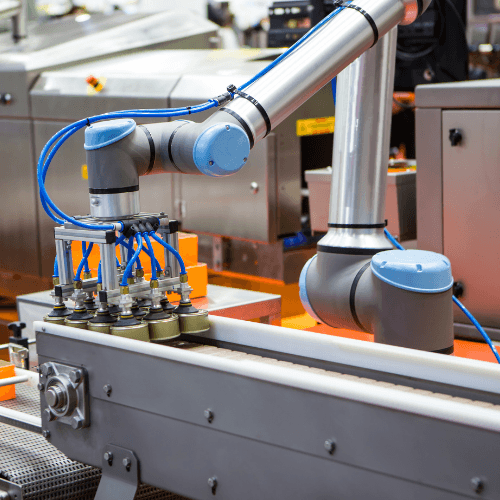
3. Collaborative robots (Cobots): Developed to operate side by side with people, cobots have revolutionized business by increasing productivity and security.
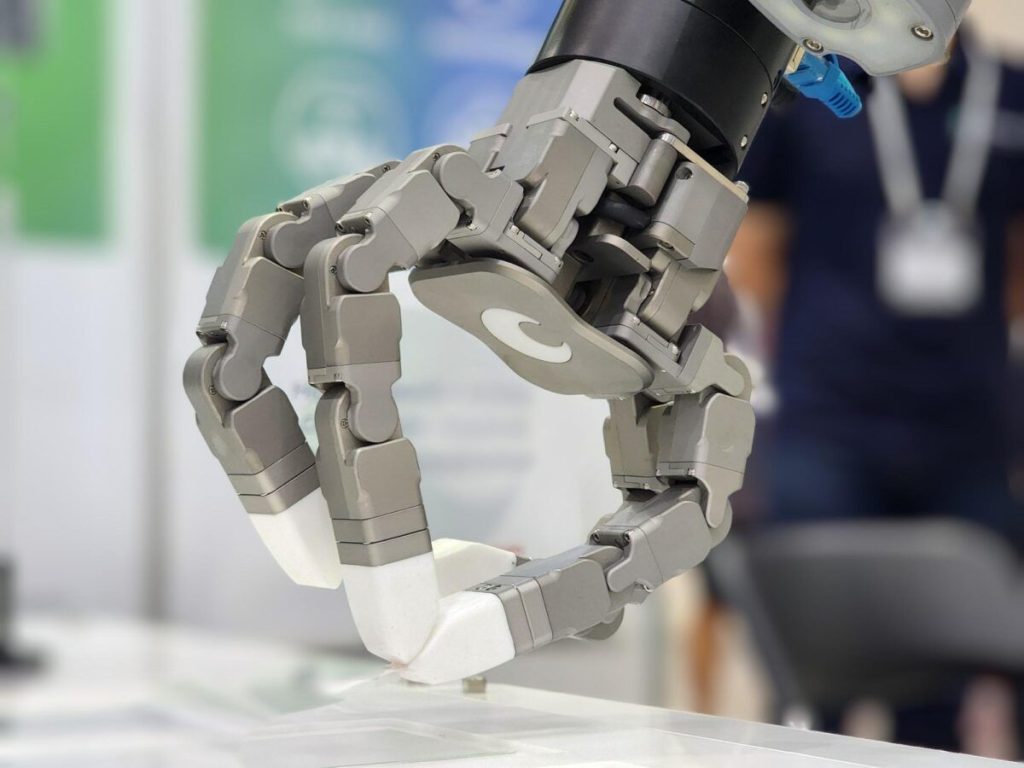
4. Miniaturization and Mobility: Robots that are small and mobile that can carry out intricate jobs in confined locations are the result of hardware advancements.
How Robotics is Redefining Industries
1. Manufacturing
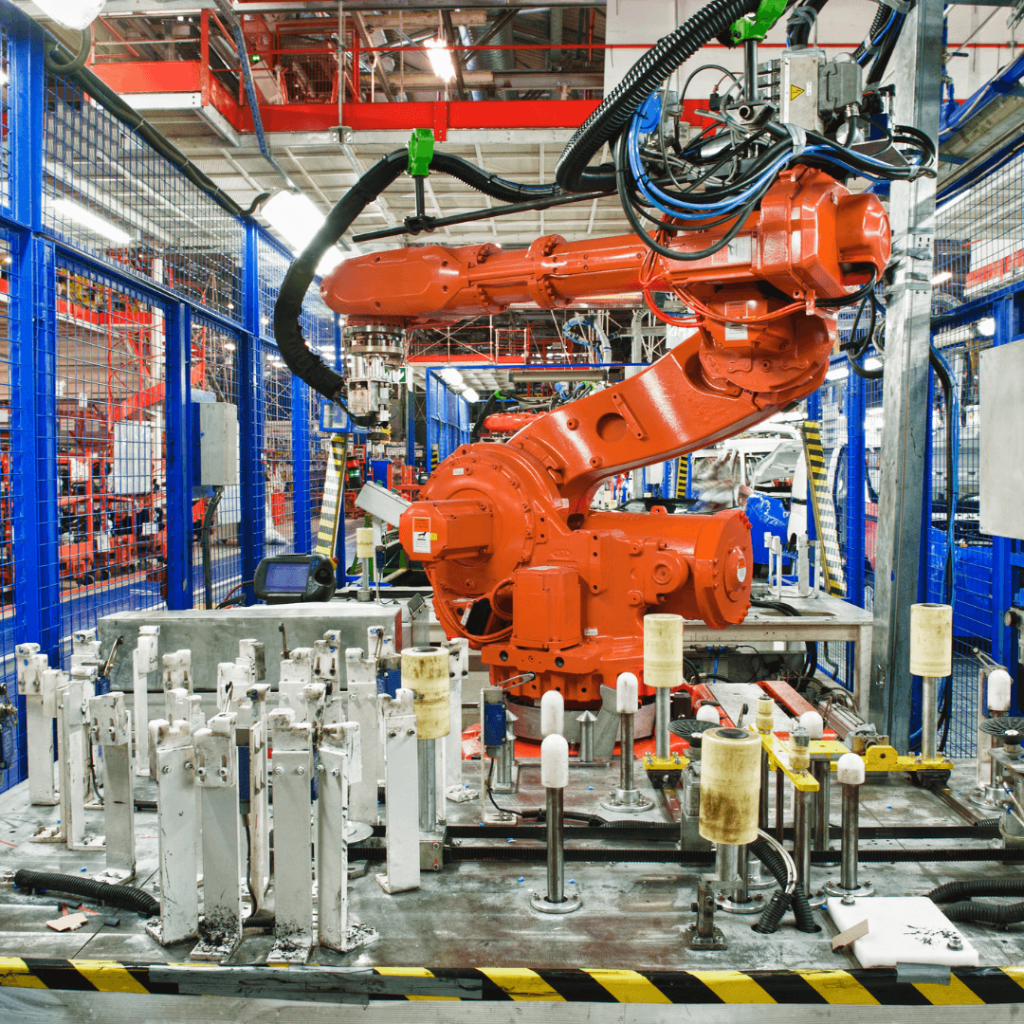
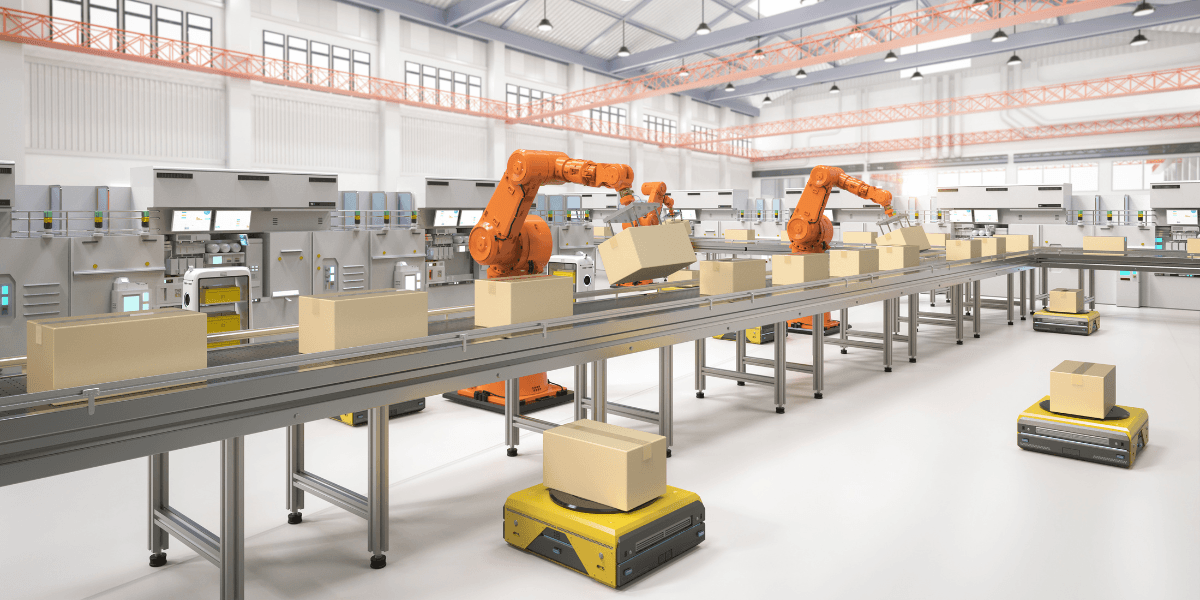
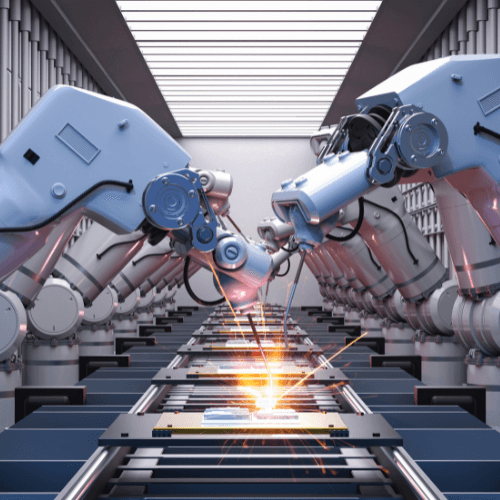
One of the first industries to use robots was manufacturing, which uses automation to increase productivity, lower prices, and enhance quality. Robots are used in modern companies for quality checking, welding, painting, and assembling.
– Impact: By ensuring accuracy and consistency, robots’ lower human error and increase production.
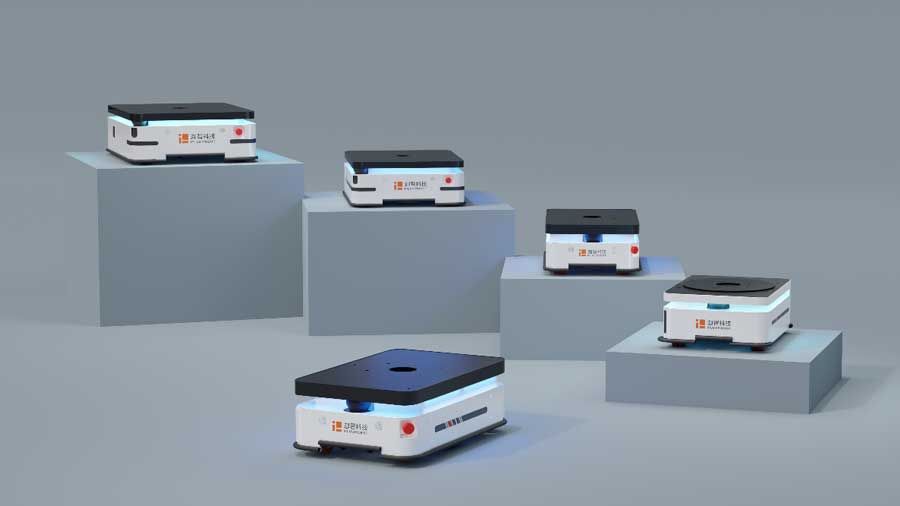
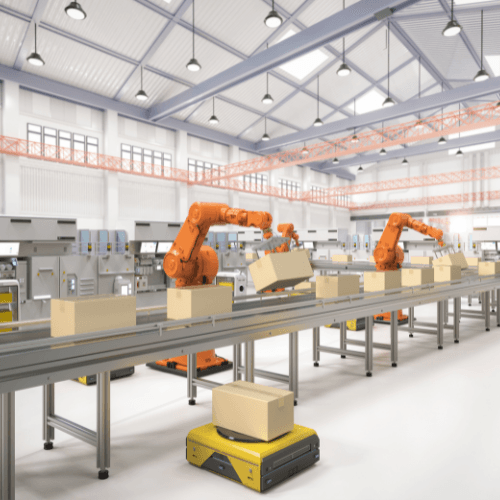
– Trends: To improve supply chain and inventory management, smart factories employ autonomous mobile robots (AMRs) and predictive analytics.
For example, Tesla’s Gigafactories produce electric vehicles with unprecedented efficiency by using many robots.
2. Medical Care
By improving accuracy, lowering human labor, and facilitating remote operations, robotics is transforming the healthcare industry.
Uses:
– Surgical Robots: Devices such as the Da Vinci Surgical Robot let doctors carry out less intrusive procedures.
– Rehabilitation: Following surgeries or injuries, robotic exoskeletons help patients restore their range of motion.
– Diagnostics: AI-enabled robots examine medical data to make quicker and more precise diagnoses.
– Prospects: AI-powered robots could potentially dispense medications, monitor patients in real time, and offer individualized healthcare.
3. Agriculture
By using automation to solve issues like labor shortages and growing food demand, robotics is revolutionizing agriculture.
1. Important Innovations:
– Drones and self-driving tractors for precision watering, planting, and agricultural monitoring.
– Robotic harvesters have sensors that can detect and gather ripe food without causing harm.
– Robots that precisely target weeds can reduce or even completely do away with the need for herbicides.
Effect:
– implementing sustainable agricultural methods.
– lower operating expenses for farmers.
– improved production efficiency and crop yields.
2. E-commerce and retail
Retail and e-commerce are seeing major changes because of automation, which is changing how items are sold and delivered.
Uses:
– Order fulfillment is optimized by robotic warehouses.
– AI chatbots answering consumer questions.
– drones and self-driving delivery trucks.
Benefits
– quicker and more precise delivery.
– AI-powered personalized purchasing experiences.
– savings in inventory control and logistics.
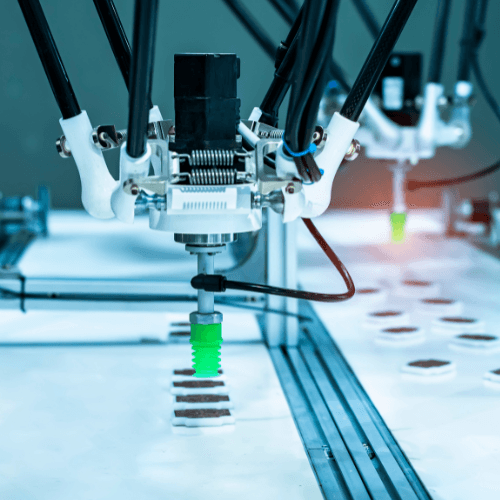
Automation is opening the door to more intelligent logistics and transportation systems.
Technologies:
– automobiles that drive themselves for delivery and public transit.
– automated distribution hubs and storage facilities.
– fleet management and route optimization solutions driven by AI.
Outlook for the Future: By cutting expenses and delivery times, self-driving trucks and drones are poised to transform the logistics sector.
Using Robots in Daily Life
1. Intelligent Houses
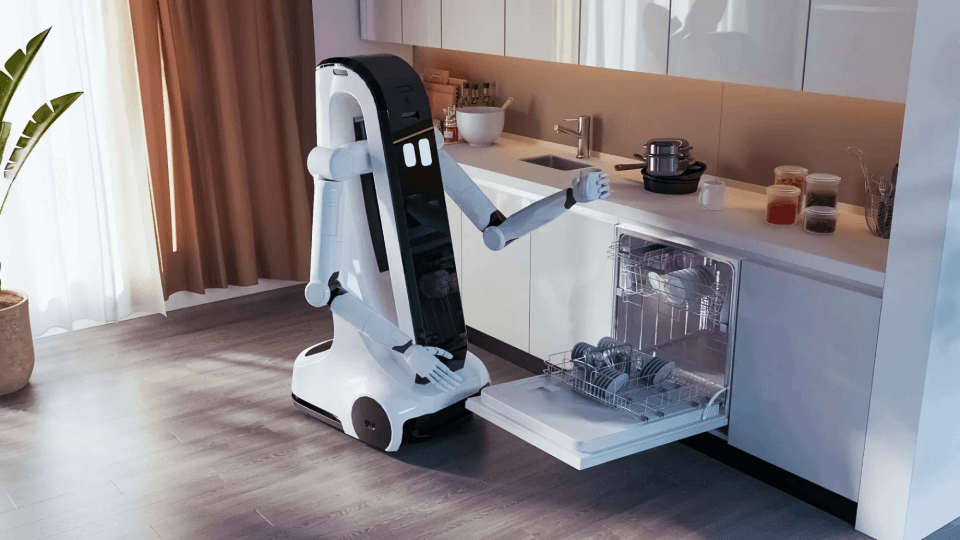
Automation is improving the convenience and intelligence of houses. Smart thermostats, voice-activated assistants, and robotic vacuum cleaners are examples of devices that make daily chores easier while increasing comfort and productivity.
2. Learning and Education < br>
Robots are becoming useful educational tools that may be used to teach STEM and coding concepts in interesting ways. Humanoid robots such as NAO, for instance, can support special education and interactive learning.
3. Personal Assistants
Artificial intelligence (AI)-powered virtual assistants, such as Alexa, Siri, and Google Assistant, have become indispensable in everyday life, assisting with anything from reminders to managing smart gadgets.
4. Leisure and Entertainment
Robots are being used in entertainment, from automated gaming systems to robotic pets. For example, photography and leisure activities are two uses for drones.
Advantages of Robotics and Automation
1. Enhanced Efficiency
Robots can complete jobs more quickly and precisely than humans, which boosts production in a variety of industries.
2. Savings on expenses
The long-term cost reductions from lower labor costs and greater productivity frequently exceed the initial investment, even if robotics might have a high initial cost.
3. Increased Security
Automation lessens the need for people to carry out risky jobs like handling toxic materials or operating in hazardous conditions.
4. Increased Accuracy and Reliability
Robots are highly skilled at precisely doing repeated activities, which improves product quality and lowers errors.
5. Resolving the Labor Shortage
Robots cover vital gaps in labor-scarce industries, allowing operations to proceed without interruption.
6. Sustainability
Automation promotes environmental sustainability by facilitating the more economical use of resources like energy and raw materials.

Robotics and Automation’s Challenges
1. Displacement of Jobs
Concerns over job displacement have been raised by the rise of technology, especially in sectors where tasks may be readily automated. As robots replace humans in manual or repetitive tasks, workers may lose their jobs. Nonetheless, new occupations that call for retraining and adaptation are emerging in industries like programming, AI development, and robotics maintenance.
2. High Starting Expenses
Implementing automation and robotics technology can be expensive, particularly for small and medium-sized businesses. The initial outlay is still difficult, even though the long-term advantages can exceed these expenses.
3. Infrastructure and Technical Restrictions
Advanced infrastructure, such as dependable power and internet access, is frequently needed for the deployment of robotics. These restrictions may make automation more difficult to adopt in rural or developing locations.
4. Regulatory and Ethical Issues
Concerns regarding data security, privacy, and ethics are brought up by the incorporation of robots. For instance, autonomous cars have to make difficult moral choices, and robots that gather personal information raise privacy issues. Frameworks for regulations are required to handle these issues.
5. Reliance on technology
Operations may be disrupted by vulnerabilities like system breakdowns or cyberattacks brought on by an increased reliance on robotics and automation. It’s crucial to have reliable backup and cybersecurity systems.
Robotics and Automation’s Future
The capabilities of robots and automation systems will keep growing as technology develops, spurring additional innovation and integration into hitherto untapped fields.
1. New Trends
– Collaborative Robots: Collaboration between humans and machines is the key to the future of robotics. Cobots will develop their intuitiveness so they may be easily integrated into a variety of jobs.
– AI-Driven Automation: By learning and adapting, artificial intelligence will make robots more effective and adaptable.
– Edge Computing: As edge computing technology develops, robots will analyze data locally, cutting down on latency and improving decision-making in real time.
2. Growing Uses
– Innovations in Healthcare: Robotics will further transform telemedicine, drug research, and personalized treatment.
– Space Exploration: The exploration and colonization of other planets will be greatly aided by autonomous robots.
– Disaster Response: In dangerous areas, robots will help with search and rescue missions, disaster relief, and reconstruction projects.
3. An Interconnected Ecosystem
A connected ecosystem will be created by combining robotics with technologies like 5G and the Internet of Things (IoT), enabling smarter homes, businesses, and cities.
Keeping Human-Centric Solutions and Automation in Balance
Despite the enormous advantages of automation and robotics, it is crucial to balance human requirements with technological progress. To solve issues like employment displacement and ethical dilemmas, communities, organizations, and governments must cooperate. A smooth transition to an automated future will depend on initiatives for reskilling workers, generating new employment possibilities, and encouraging innovation.
In conclusion
In significant ways, automation and robotics are changing everyday life and altering entire sectors. From improving healthcare and building smarter homes to revolutionizing manufacturing processes, these technologies are the way to a more connected, sustainable, and efficient world. As we look to the future, it will be essential to embrace automation and robotics responsibly to maximize their advantages and mitigate the difficulties they present. By doing this, we may establish a future in which humans and robots collaborate to accomplish greater feats, opening the door for future generations to experience creativity and success.