


The Importance of Assembly Systems
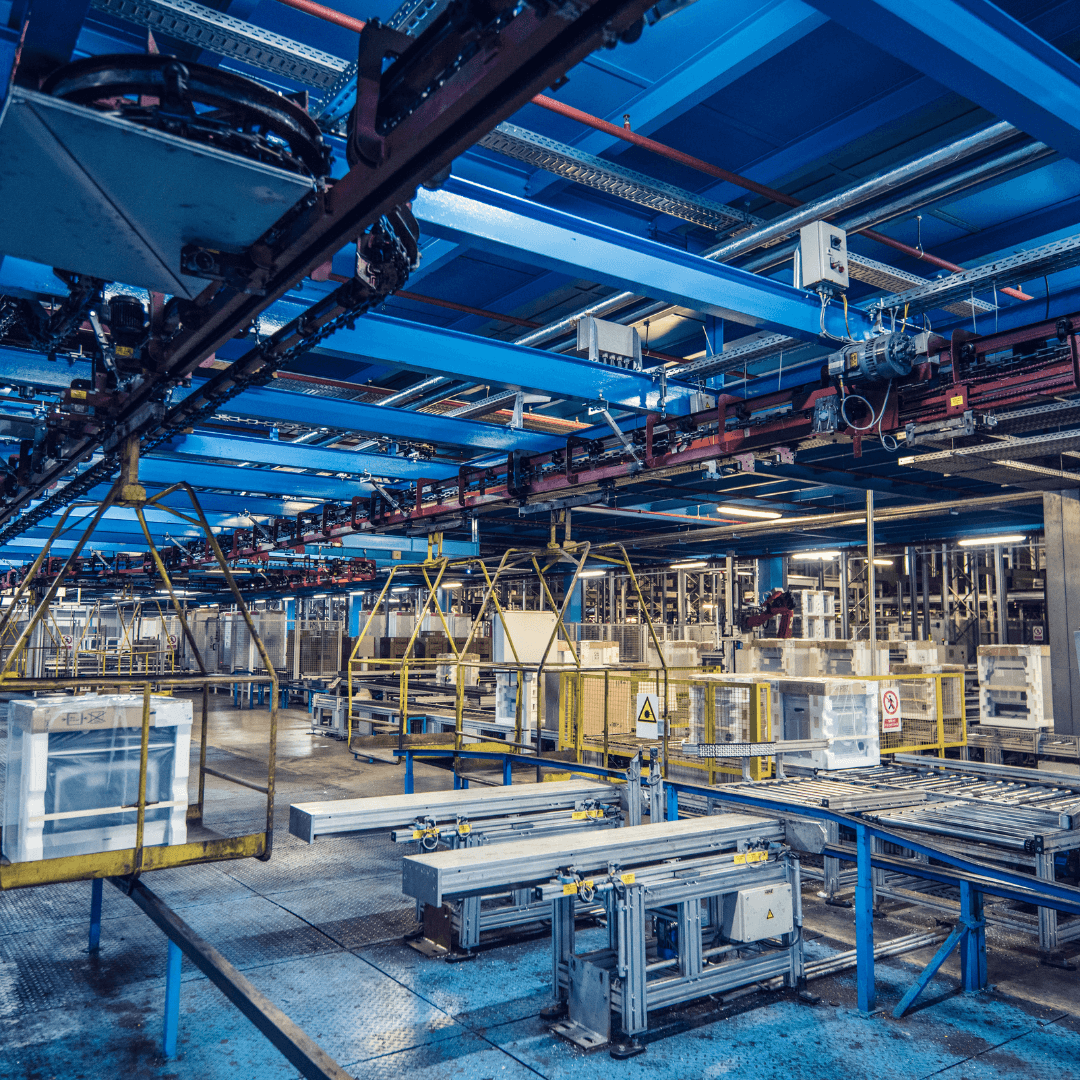
Assembly systems are the unsung heroes of manufacturing. These meticulously designed setups take a collection of individual components and breathe life into them, transforming them into the finished products we rely on every day. From the smartphone in your pocket to the car you drive, assembly systems play a critical role in bringing those ideas to reality.
Their importance goes far beyond simply putting things together; they directly impact a manufacturer’s success in several keyways:
1. Production Efficiency:
Imagine a factory floor filled with components scattered around, waiting for someone to haphazardly put them together. That’s a recipe for disaster! Assembly systems provide a structured and efficient way to bring a product together. Workstations are arranged in a logical flow, tasks are clearly defined, and material handling systems ensure a steady stream of components. This streamlined approach minimizes wasted time and movement, leading to a significant boost in production output.
2. Consistent Product Quality:
Imagine a car where some doors fit perfectly, while others are misaligned. Or a phone where some buttons have a satisfying click, while others feel mushy. Inconsistent quality is a nightmare for manufacturers, and assembly systems play a vital role in preventing it. By standardizing the assembly process, these systems ensure that each product goes through the same steps with the same tools. This consistency reduces the risk of human error and leads to a higher overall quality of the finished product.
3. Reduced Costs:
While there’s an initial investment in setting up an assembly system, the long-term benefits outweigh the cost. By increasing efficiency and reducing waste, assembly systems directly contribute to lower production costs. Additionally, consistent quality reduces the number of defective products, further minimizing financial losses. The cost savings can be significant, allowing manufacturers to stay competitive and improve their profit margins.
4. Scalability and Flexibility:
The world of manufacturing is constantly evolving. Consumer preferences change, and new technologies emerge. Assembly systems, particularly those with a hybrid approach (combining manual and automated tasks), offer the flexibility to adapt to these changes. Manual assembly allows for easy adjustments to incorporate new components or processes, while automation ensures efficiency at higher production volumes. This adaptability allows manufacturers to scale their production up or down to meet changing market demands.
5. Worker Safety:
Repetitive and physically demanding tasks can lead to worker fatigue and injuries. Assembly systems can help mitigate these risks by automating some of the more strenuous tasks. Robots can handle heavy components, reducing the physical strain on workers. Additionally, safety features can be integrated into the system to prevent accidents.
Assembly systems are the backbone of modern manufacturing. They contribute to increased efficiency, consistent quality, reduced costs, scalability, and even worker safety. As technology advances, these systems will continue to evolve, becoming even more sophisticated and adaptable. So, the next time you pick up a finished product, take a moment to appreciate the intricate dance of the assembly system that brought it to life.
Types of Assembly Systems
Manual assembly lines are the original workhorses of the manufacturing world. In these systems, skilled human operators take center stage, using their dexterity, experience, and hand tools to meticulously put products together.
Advantages of Manual Assembly Lines:
1. Flexibility for Complex Products:
Manual assembly excels when dealing with intricate products with many unique components or those requiring delicate handling.
– Human operators can adapt to variations in parts or unexpected situations, making them invaluable for products with complex geometries or assembly processes.
– For instance, assembling a high-end watch with its intricate gears and delicate components would be a far better fit for a skilled watchmaker than a rigid automated system.
2. Fast Prototyping and Low-Volume Production:
Manual assembly shines in the early stages of product development, where rapid prototyping and iterative design changes are crucial.
– The ability to quickly adjust the assembly process to incorporate new components or address design flaws is a significant advantage.
– Additionally, for low-volume production runs, the cost of setting up a manual line may be more practical compared to the high upfront investment required for automation.
3. Quality Control and Inspection:
Human inspectors can provide a level of detail and nuance that even the most advanced automated systems struggle to match.
– Their ability to visually inspect components and identify potential defects is crucial for maintaining high-quality standards, especially for products where aesthetics or functionality are paramount.
Disadvantages of Manual Assembly Lines:
1. Labor Cost: One of the biggest drawbacks of manual assembly is the associated labor cost. Salaries, benefits, and training expenses can add up significantly.
– As production volumes increase, labor costs can quickly become a major constraint on profitability.
2. Inconsistent Quality: While human inspectors can be excellent at quality control, human performance is inherently variable. Fatigue, distractions, or even minor variations in technique can lead to inconsistencies in the final product quality.
– This inconsistency can be detrimental for products where precise tolerances are essential.
3. Limited Scalability: Manual assembly lines are not well-suited for high-volume production.
– As production volumes increase, adding more human operators can become impractical and lead to increased management complexity.
– Additionally, the physical limitations of human speed and stamina hinder the overall production rate.
Automated Assembly Lines
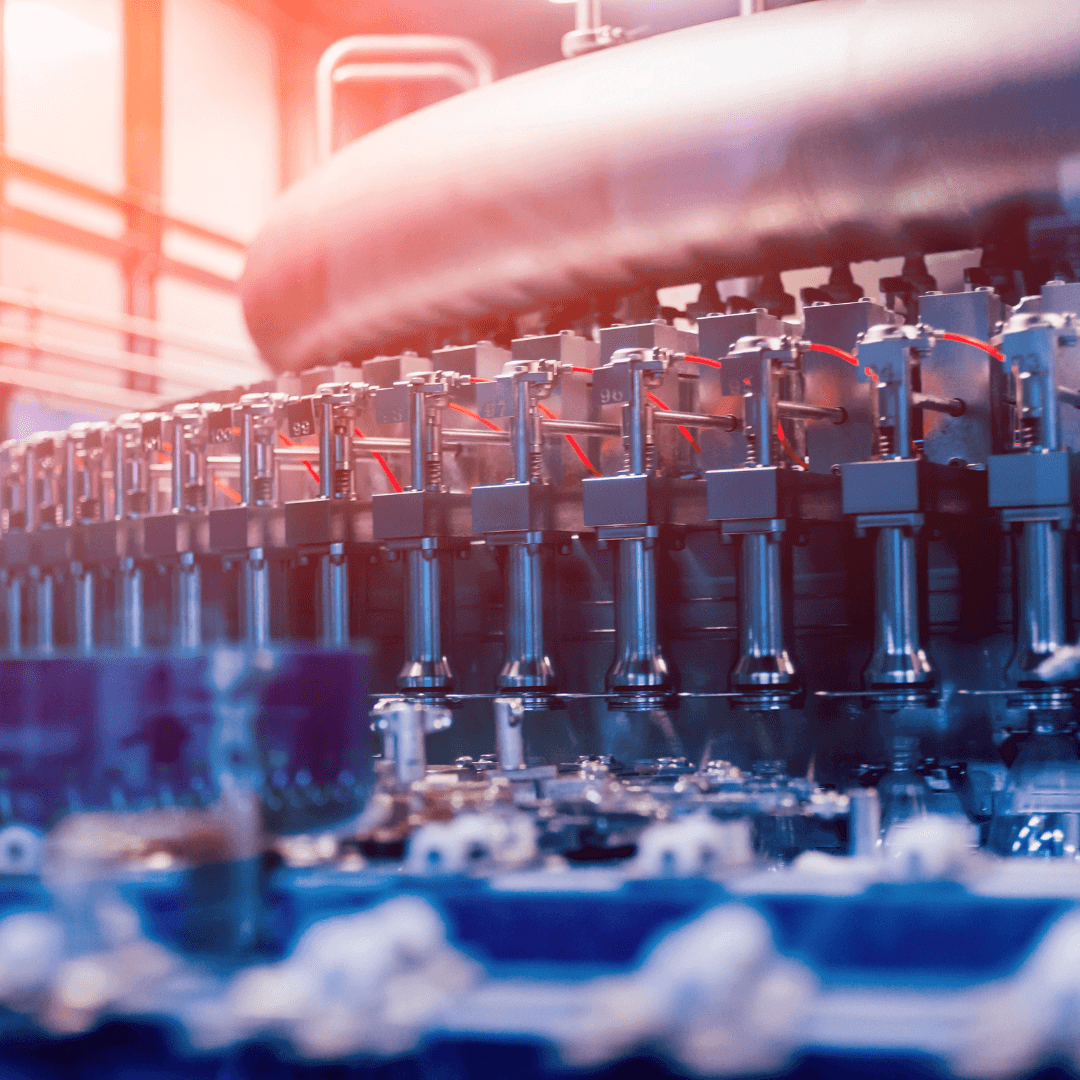
In the ever-evolving world of manufacturing, automated assembly lines represent the cutting edge. Here, the human touch takes a backseat, replaced by the precision and tireless work ethic of robots and dedicated machines. These marvels of engineering are programmed to perform specific tasks with incredible speed and consistency, transforming the assembly process into a well-oiled machine itself.
Advantages of Automated Assembly Lines:
1. Increased Speed and Throughput:
Robots can operate tirelessly at high speeds, significantly boosting production output compared to manual assembly lines.
– This translates to faster turnaround times and the ability to meet higher customer demands. Imagine an automated car assembly line churning out a finished vehicle every few minutes, a feat impossible with manual labor alone.
2. Enhanced Consistency and Quality: Robots are programmed to perform tasks with unwavering precision, eliminating the potential for human error and inconsistency. Every weld, every screw placement, and every component attachment is done the same way every time, resulting in a consistently high-quality product. This is crucial for products with tight tolerances or where even minor variations can impact functionality or safety.
3. Reduced Labor Costs: While there’s an initial investment in setting up an automated line, the long-term benefits in terms of labor costs can be significant. Automated systems require fewer human operators, resulting in reduced payroll expenses and improved overall production efficiency.
Disadvantages of Automated Assembly Lines:
1. High Upfront Investment: Setting up an automated assembly line requires a substantial upfront investment in robots, specialized machines, programming, and system integration. This can be a significant hurdle for smaller manufacturers or those with limited budgets.
2. Limited Flexibility: Automated systems are designed for specific products and tasks.
– Introducing new products or making significant changes to the assembly process can be complex and expensive, requiring reprogramming robots and potentially modifying the entire line. This inflexibility can hinder a company’s ability to adapt to changing market demands or product innovations.
3. Maintenance and Downtime:
Just like any complex machinery, robots and automated systems require regular maintenance. Unexpected breakdowns can lead to production downtime, causing delays and potential financial losses. Additionally, skilled technicians are needed to maintain and troubleshoot these systems, which can add to operational costs.
– Automated assembly lines offer a compelling solution for high-volume production of standardized products. Their speed, consistency, and potential for reduced labor costs make them a powerful tool for manufacturers seeking to optimize efficiency and profitability. However, the high upfront investment and limited flexibility require careful consideration before taking the plunge into automation.
4. Hybrid Assembly
Hybrid assembly systems are the marriage of manual and automated tasks in a production line. This strategic blend aims to achieve optimal efficiency by leveraging the strengths of both humans and machines.
5. Combining Strengths for Efficiency:
– Human Dexterity: For intricate tasks requiring fine motor skills, human operators excel. They can handle delicate components, make judgment calls based on experience, and adapt to unexpected situations.
– Machine Speed and Precision: Repetitive tasks and those requiring high precision are best suited for machines. Robots can tirelessly perform actions with unmatched speed and consistency, reducing production time and errors.
Advantages of Hybrid Systems:
– Optimal Throughput: By delegating tasks effectively, hybrid systems can achieve a faster overall assembly process compared to purely manual or automated lines.
– Improved Quality: Humans can identify defects and make adjustments that machine vision systems might miss, leading to higher quality products.
– Flexibility: Hybrid systems can adapt to product variations or short production runs more easily than purely automated lines since humans can handle the adjustments.
Challenges in Coordination:
– Safety: Ensuring seamless interaction between humans and machines is crucial. Proper safety protocols and clear work zones are essential to prevent accidents.
– Training: Workers in a hybrid system may require additional training to understand how to collaborate effectively with the automated equipment.
– Investment: Hybrid systems often require an upfront investment in both automation technology and worker training.
Hybrid assembly systems offer a powerful approach to production by combining the strengths of human and machine capabilities. However, careful planning and implementation are essential to overcome the challenges of coordination and ensure a safe, efficient, and high-quality production environment.
Design Considerations for Assembly Systems
Imagine a product that’s brilliant in concept but a nightmare to produce. This is where Design for Manufacturability and Assembly (DFMA) comes in. DFMA is an engineering philosophy that emphasizes designing products with both ease of manufacturing and efficient assembly in mind. This focus on manufacturability reduces production costs, shortens time to market, and improves overall product quality.
1. Optimizing for Assembly:
DFMA includes Design for Assembly (DFA) techniques that specifically target simplifying the assembly process. Here’s how:
– Part Accessibility: Imagine a screw hidden deep within complex geometries. DFA dictates prioritizing designs where parts are easily accessible for assembly. This could involve larger access holes, strategically placed seams, or modular components that come together easily.
– Modularity: Breaking down a product into smaller, self-contained modules makes assembly quicker and less error-prone. Think of a phone with a removable battery compartment compared to one glued shut. Modular designs allow for easier repairs and upgrades as well.
– Minimization of Fasteners: Less is often more. The fewer screws, clips, or welds needed, the faster and cheaper assembly becomes. DFA explores alternative fastening methods like snap-fit components or self-locking mechanisms to reduce complexity.
2. Design for Automation (DFA):
While DFA focuses on efficient manual assembly, DFMA also acknowledges the potential benefits of automation. Considering automation during the design phase, or DFA, involves:
– Standardization of Parts: Utilizing standardized parts across multiple products streamlines the manufacturing process and reduces the need for specialized tools or jigs during assembly.
– Robot-friendly Features: Features like smooth surfaces, rounded edges, and well-defined gripping points make parts easier for robots to handle and manipulate within an automated assembly line.
By implementing these DFMA principles, designers can create products that are not only innovative but also cost-effective to manufacture and assemble, ultimately leading to a smoother journey from concept to customer.
Components of Assembly Systems
An efficient assembly system relies on a well-coordinated interplay of various components. Let’s delve into the key building blocks:
1. Workstations: These are dedicated areas where specific assembly tasks are performed. Here are some common types:
– Conveyor-Based Workstations: Components travel along a conveyor belt, stopping at designated stations where workers perform their assigned tasks. These workstations are ideal for high-volume production of similar products.
– Fixed Workstations: Components are brought to a static workstation where an operator performs all necessary assembly steps. This approach offers greater flexibility for complex tasks requiring more time and attention.
2. Material Handling Systems: The lifeblood of the assembly line, these systems move components between workstations. Here’s a look at some options:
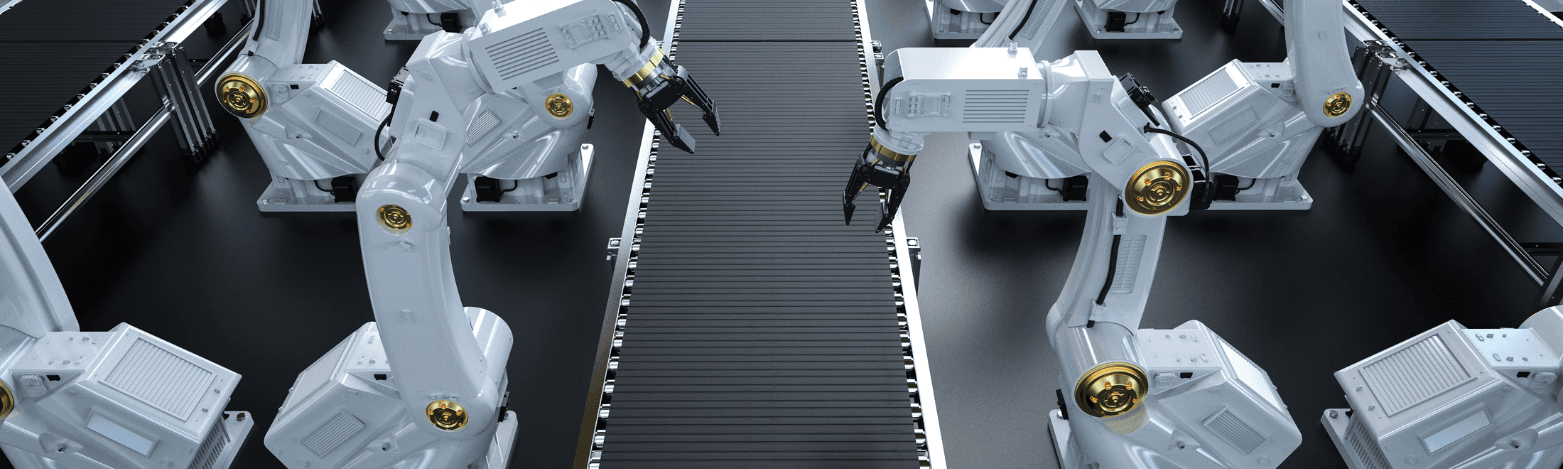
– Conveyors: Belts, rollers, or chains transport components in a continuous flow, ideal for conveyor-based workstations.
– Robots: Articulated or SCARA robots provide precise and programmable movement, suited for complex handling or integrating with automated tools.
– Automated Storage and Retrieval Systems (AS/RS): These computer-controlled systems store and retrieve components from high-bay racks, ensuring efficient management of large inventory.
3. Feeding Systems: These mechanisms deliver components directly to workstations, keeping the assembly process flowing smoothly. Here are some popular methods:
– Vibratory Bowls: These bowls use vibration to orient and elevate parts, making them easy for pick-and-place robots or workers to access.
– Part Feeders: These dedicated machines automatically sort and feed specific components to workstations, optimizing the process for high-speed production.
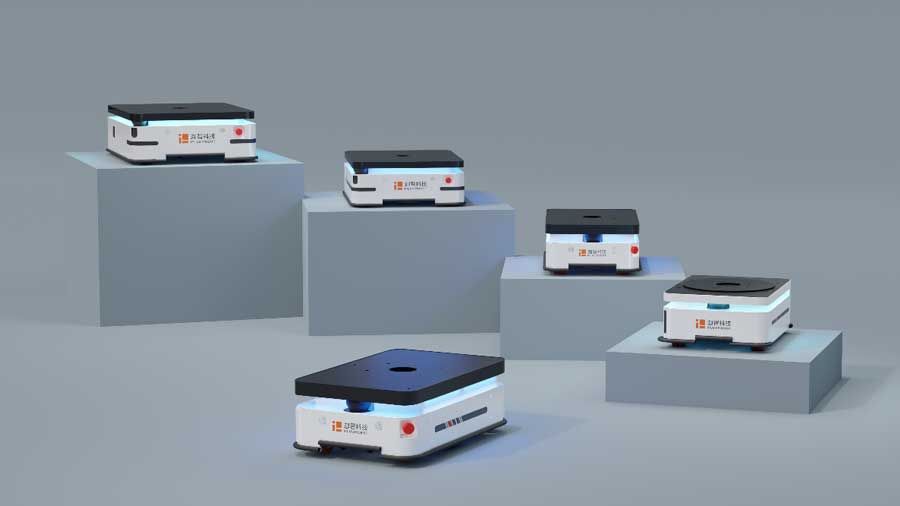
– Automated Guided Vehicles (AGVs): These driverless vehicles autonomously transport materials between workstations or storage locations, offering flexibility for larger production facilities.
4. Tooling and Fixtures: These specialized tools and devices ensure proper component positioning and facilitate efficient assembly. Some key examples include:
– Jigs: These are templates that guide tools or components during assembly, ensuring precise alignment and repeatability.
– Fixtures: These specialized holding devices securely position components for workers or robots, allowing for easier manipulation and faster assembly.
– Assembly Tools: These include tools specifically designed for assembly tasks, such as torque screwdrivers, riveting tools, or dispensers for adhesives.
5. Quality Control Systems: These systems ensure products meet defined quality standards throughout the assembly process:
– Inspection Stations: These dedicated stations allow workers or automated systems to visually inspect components or assembled products for defects.
– Automated Vision Systems: Using cameras and image processing, these systems can automatically identify and flag non-conforming parts.
– Statistical Process Control (SPC): This statistical method continuously monitors key process parameters to identify potential quality issues and prevent defects before they occur.
Advanced Assembly Technologies
The world of assembly is constantly evolving, with cutting-edge technologies transforming how products are put together. Let’s explore some of these advancements:
– Rise of the Robots: Robots have become a mainstay in assembly lines, but their capabilities are expanding rapidly.
– Vision-Enabled Robots: These robots go beyond simple automation. Equipped with cameras and advanced image processing, they can “see” and react to their environment. This allows for tasks like part recognition, defect detection, and precise manipulation, making them ideal for complex assembly processes.
– Collaborative Robots (Cobots): Unlike their industrial cousins confined to cages, cobots work alongside human operators safely and seamlessly. Their user-friendly design and built-in safety features make them ideal for tasks requiring human-robot collaboration, such as delicate assembly or product testing.
– Smart Manufacturing: The Connected Factory: Imagine an assembly line that can monitor itself, optimize processes in real-time, and predict potential issues. This is the vision of smart manufacturing, where interconnected systems revolutionize production:
– Industrial Internet of Things (IIoT): Sensors embedded in machines, robots, and even components themselves collect real-time data on performance, inventory levels, and potential problems. This data is then analyzed to optimize processes, predict maintenance needs, and improve overall efficiency.
– Digital Twins: These virtual replicas of physical assembly lines and products allow for simulation and testing of production scenarios before actual implementation. This not only streamlines the design process but also helps identify and address potential bottlenecks or quality issues before they disrupt real-world production.
– Additive Manufacturing (3D Printing) on the Assembly Line:
While traditionally used for prototyping, 3D printing is finding its way into assembly lines. Here’s how:
– Creating Complex Components: 3D printing allows for the on-demand creation of intricate components with internal features or complex geometries that might be difficult or expensive to produce using traditional methods. This flexibility can directly impact assembly processes by eliminating the need for complex sub-assemblies.
Assembly Systems Across Industries
Assembly systems showcase remarkable versatility, adapting to the unique needs of various industries. Here’s a glimpse into how different sectors utilize these systems:
– Automotive: Imagine a well-oiled machine – that’s the essence of a modern automotive assembly line. Highly automated systems reign supreme, with:
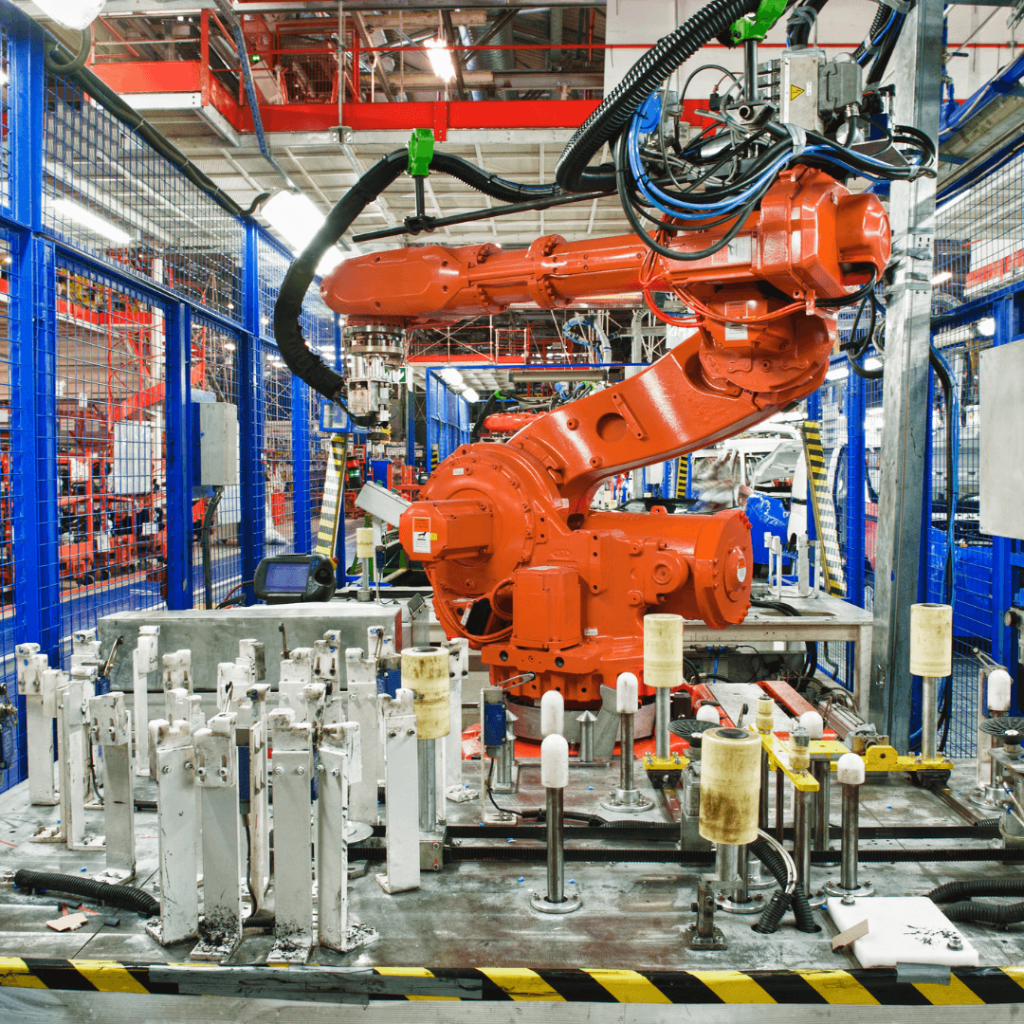
– Robots: These tireless workers perform tasks like welding car frames, painting bodies, and precisely installing components with unmatched speed and consistency.
– Conveyor belts: Products seamlessly progress through various stations, ensuring a continuous flow of vehicles.
– Electronics: Miniaturization and intricate designs define the electronics industry. Assembly lines here are marvels of high-speed automation:
– Surface Mount Technology (SMT): Sophisticated robots place tiny electronic components onto circuit boards with incredible accuracy.
– Automated Soldering Systems: Precise soldering processes ensure reliable electrical connections on complex printed circuit boards (PCBs).
– Modular Assembly: Large aircraft are assembled from smaller, pre-fabricated modules, ensuring quality control and efficient integration.
– Consumer Goods: From toys to appliances, consumer goods encompass a vast array of products. Assembly systems in this sector often integrate a blend of approaches:
– Manual and Automated Mix: Depending on product complexity and production volume, a combination of manual and automated workstations might be employed. For instance, human operators might handle delicate final assembly stages, while robots tackle repetitive tasks like product packaging.