

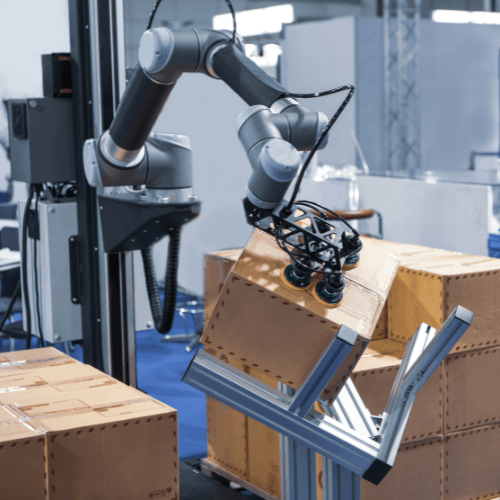
The Rise of Smart Robots
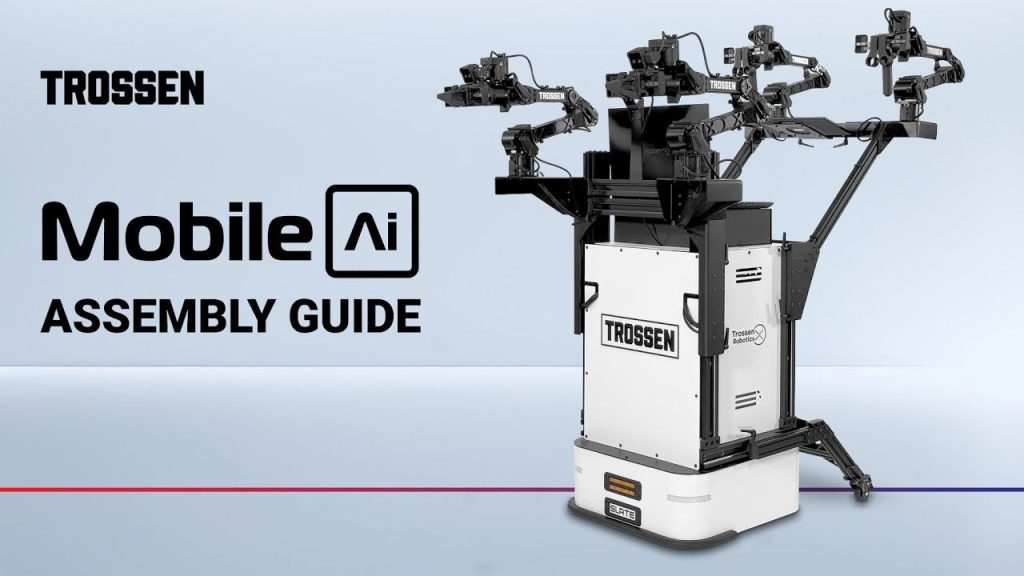
In contrast to their conventional counterparts, smart robots use cutting-edge technology that facilitate flexibility, learning, and decision-making. They can now execute intricate processes with amazing accuracy and are no longer restricted to monotonous duties.
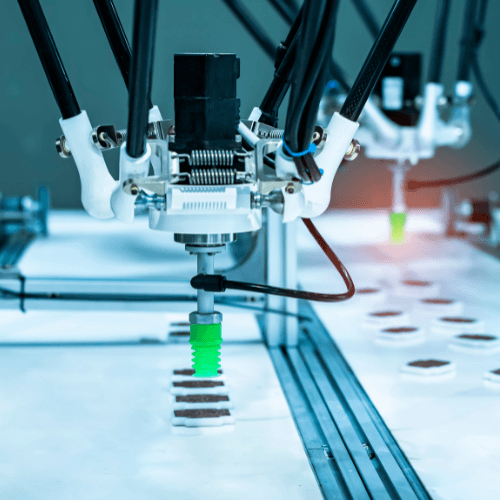
Key Features of Smart Robots
1. Autonomy: AI is used by intelligent robots to assess data and make decisions in real time with little assistance from humans.
2. Adaptability: By learning and adjusting to new jobs or situations, these robots guarantee long-term operational efficiency.
3. Connectivity: Real-time communication and coordination with other systems are made possible by integration with the Internet of Things (IoT).
4. Precision: Unmatched accuracy is made possible by sophisticated sensors and algorithms, which also cut down on waste and errors.
Revolutionary Effect on Various Industries
1. Manufacturing
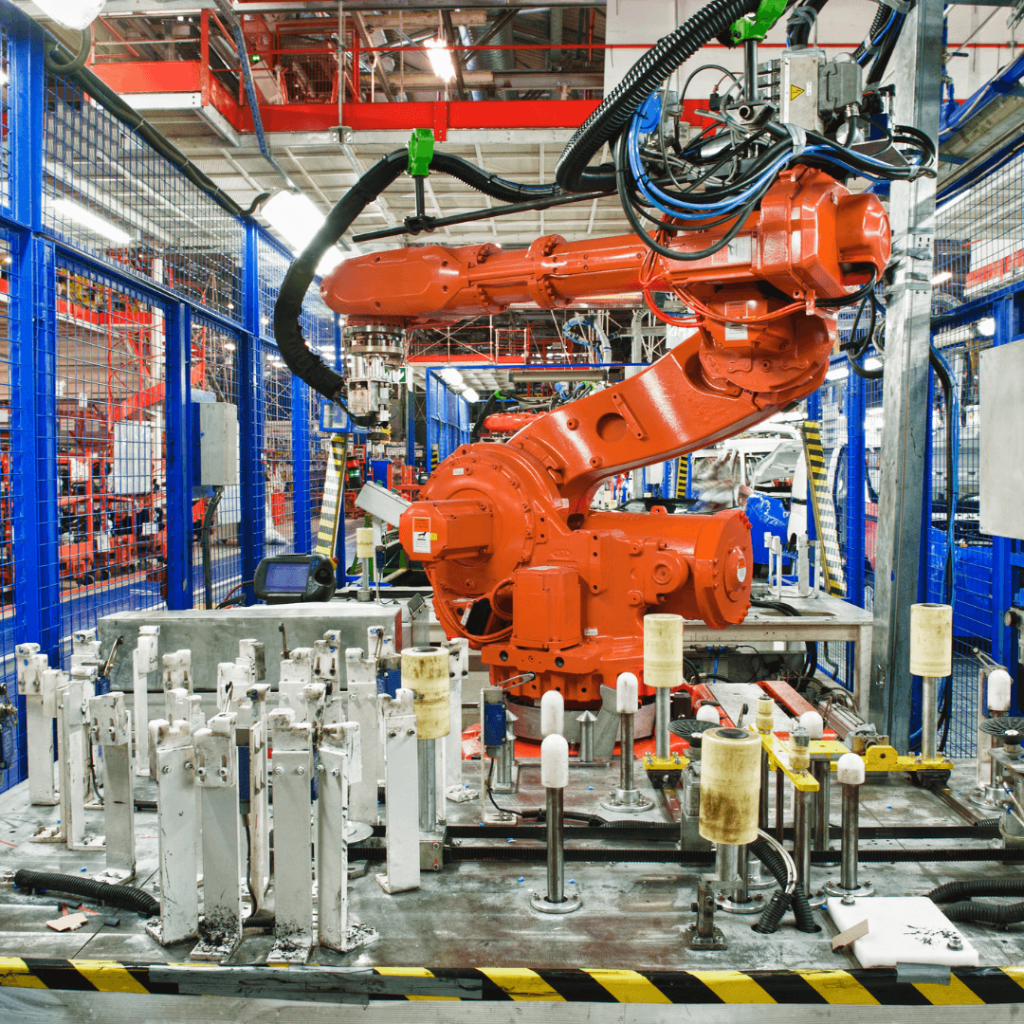
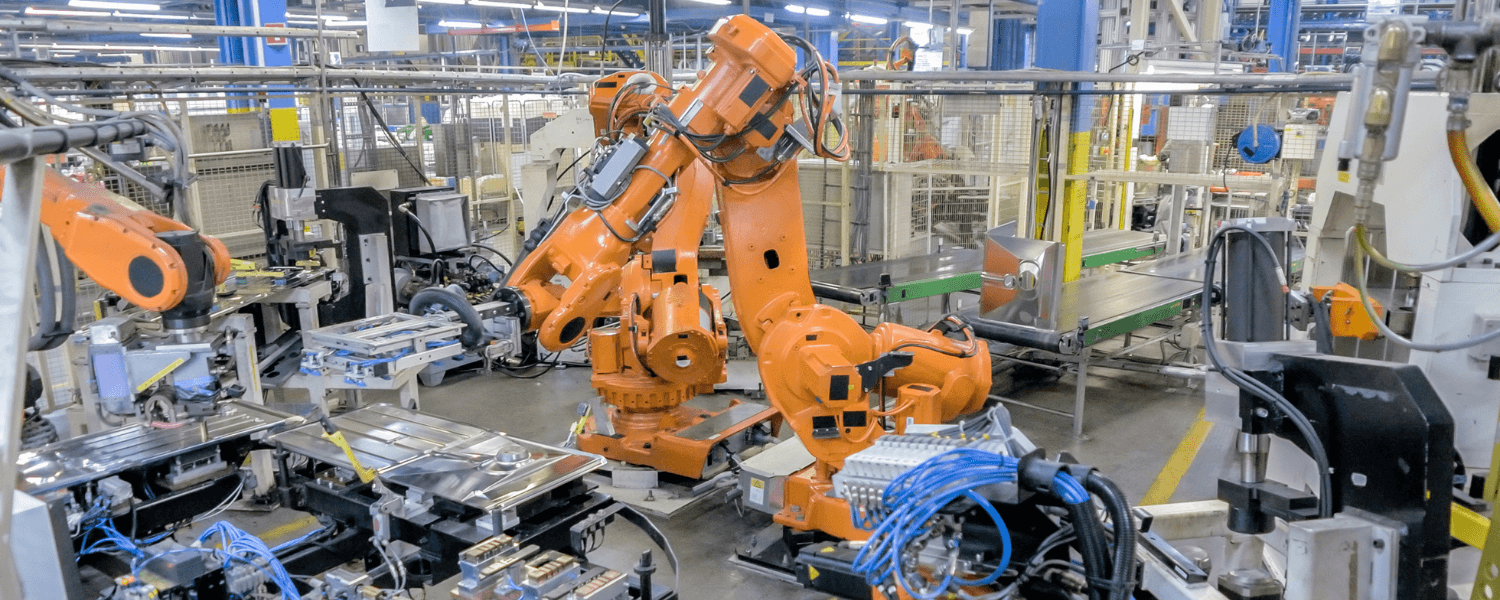
Although robotics originated in manufacturing, intelligent robots have revolutionized the field. Robots that are outfitted with AI, machine learning algorithms, and vision systems are improving manufacturing lines by precisely completing complex jobs.
Uses:
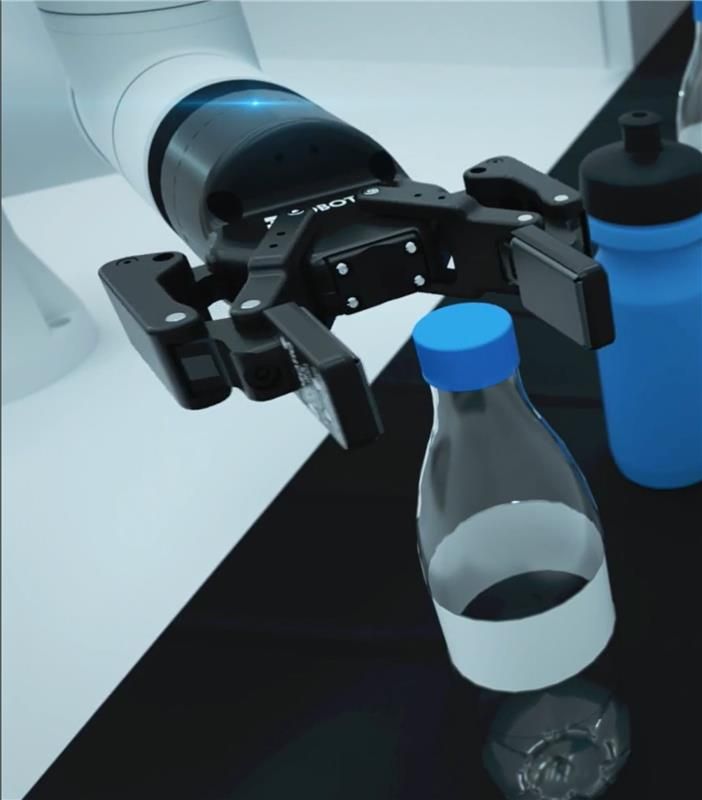
-Assembly: Robots ensure high-quality outputs by precisely assembling components at the micron level.
-Inspection: Robots can detect flaws thanks to sophisticated vision systems, guaranteeing a constant level of product quality.
-Maintenance: By keeping an eye on equipment and anticipating malfunctions, predictive maintenance robots save downtime.
For example, to ensure consistency and cut down on production time, automakers such as Tesla use intelligent robots to automate welding, painting, and assembly.

Robotics has been adopted by the healthcare industry to enhance patient outcomes and operational effectiveness. Smart robots are increasingly indispensable in healthcare institutions, helping with anything from surgery to hospital logistics management.
Uses:
-Surgical Assistance: Surgeons can execute minimally invasive procedures with unparalleled accuracy thanks to robotic technologies like the da Vinci Surgical System.
-Patient care: Robots help with drug delivery, companionship, and patient monitoring.
-Diagnostics: Robots driven by AI examine medical data to make quicker and more precise diagnoses.
In addition to improving care quality, the use of robots has helped the healthcare sector deal with a manpower shortage.
3. The Supply Chain and Logistics
Through cost optimization, accuracy improvement, and operational simplification, intelligent robots are revolutionizing logistics. They now play a more crucial role in the supply chain as e-commerce grows.
Uses:
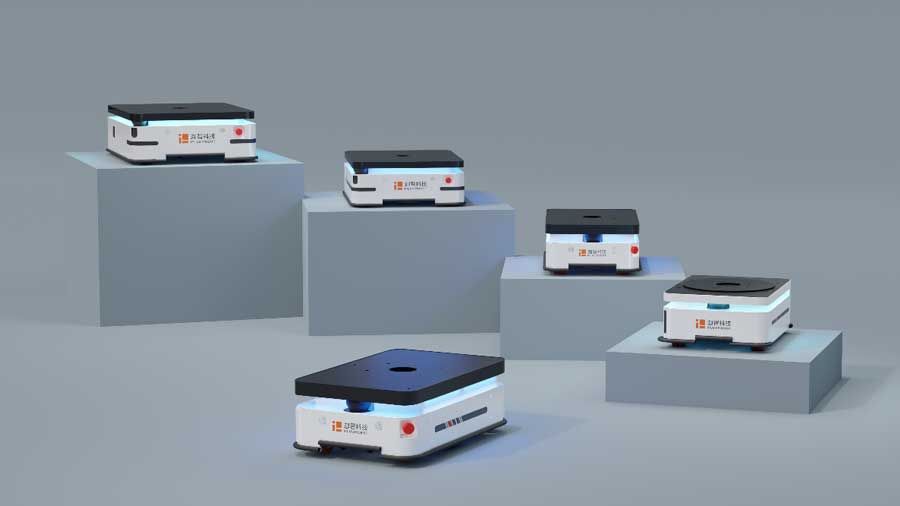
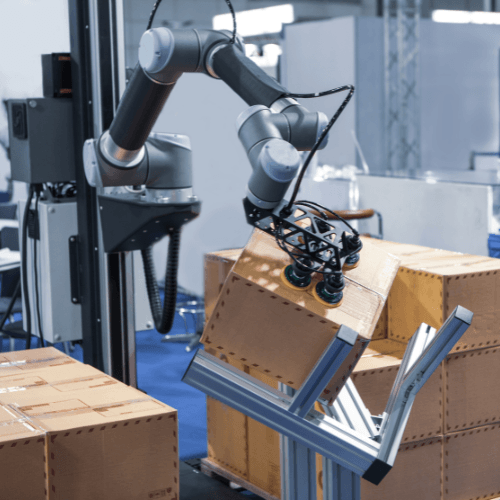
-Warehouse: Robots, such as those used by Amazon, are incredibly efficient at picking, packing, and sporting goods.
-Last-Mile Delivery: The way that things are delivered to customers is being redefined by autonomous delivery robots and drones.
-Inventory management: By tracking inventory in real time using smart robots fitted with RFID scanners, mistakes and losses may be minimized.
By making the best use of available resources, these advances not only increase speed but also guarantee sustainability.
4. Retail
Smart robots in retail improve consumer experiences and expedite processes. They collaborate with people to guarantee smooth communication and effective procedures.
Uses:
-Customer service: Robots welcome clients, respond to their questions, and direct them to merchandise.
-Shelf Scanning: Robots, such as those used by Walmart, monitor stock levels and locate lost goods.
-Fulfillment Centers: Robots increase order picking and packing accuracy and speed.
Retailers can better adjust to shifting customer demands and competition pressures thanks to these developments.
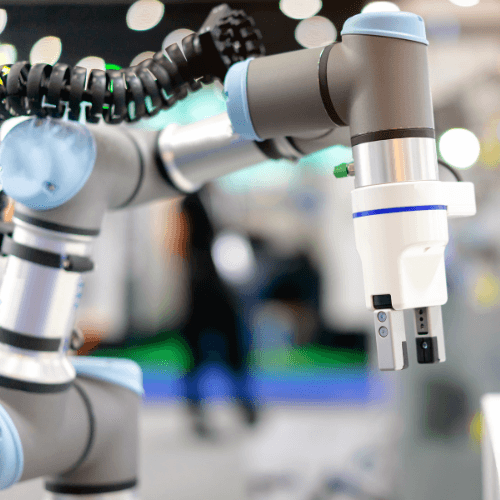
Advancements Controlling Intelligent Robots
The development of intelligent robots is driven by ongoing advancements in several crucial technologies:
1. Machine learning and artificial intelligence
Robots can already evaluate enormous volumes of data, see patterns, and make decisions on their own thanks to AI and ML. They can handle challenging activities with little supervision thanks to their versatility.
2. Sophisticated Sensors
Robots can now explore places, detect things, and interact with their surroundings more precisely thanks to modern sensors that improve perception.
3. Computing at the Edge
By processing data locally on devices instead of depending entirely on cloud-based systems, edge computing lowers latency. For intelligent robots to make decisions in real time, this technology is essential.
4. 5G Internet Access
The introduction of 5G facilitates faster data transfer via improving connectivity between robots and other devices.
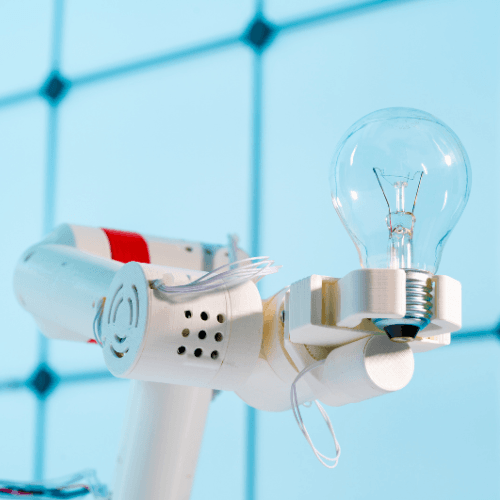
Challenges in Smart Robotics Adoption
Although there is no denying the potential of intelligent robots, there are obstacles to their widespread use:
1. High Initial Costs: maller enterprises may be put off by the substantial expenditure needed for the development and implementation of smart robots.
2.Skill Gap: Workers must receive training since operating and maintaining sophisticated robots requires specialized skills.
3. Ethical Concerns: Privacy and job displacement are two issues brought up by the growing reliance on robots.
4. Cybersecurity Risks: Because robots are networked devices, they are susceptible to cyberattacks, hence strong security protocols are required.
Governments, businesses, and IT companies will need to work together to overcome these obstacles.
The Future of Smart Robots
Smart robots have a bright future full of opportunities. New advancements and trends suggest that these devices will only get more powerful and adaptable
1. Collaborative robots, or Cobots: will operate side by side with people to increase output while maintaining security.
2. Soft robotics: Made of soft materials, these robots will carry out delicate jobs like handling breakable objects or helping with medical care.
3. Swarm robotics: Inspired by nature, these systems combine several robots to provide robustness and scalability.
4. AI-Powered Personalization: In industries like retail and healthcare, robots will be able to adjust to people’s tastes and habits to create unique experiences.
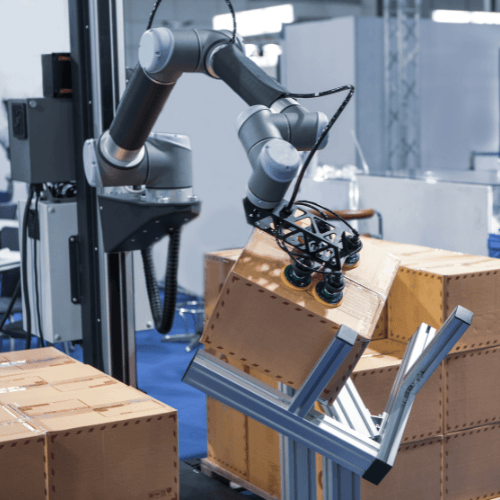
Smart robotics offer numerous benefits across industries
1. Enhanced Efficiency: Robots greatly accelerate operations by automating time-consuming and repetitive tasks, which improves production timelines overall. By eliminating bottlenecks and increasing operational productivity, this automation frees up firms to concentrate on more difficult tasks.
2. Enhanced Precision: Robots with sophisticated sensors and artificial intelligence (AI) can do tasks incredibly accurately, guaranteeing that things are manufactured to precise specifications. This degree of accuracy is particularly important in industries like electronics, manufacturing, and healthcare where even minor errors can have serious consequences.
3. Cost Savings: By carrying out operations that would normally require human interaction, robotics help organizations cut labor expenses. Furthermore, through predictive maintenance, they increase equipment lifespan, decrease waste, and enhance resource management.
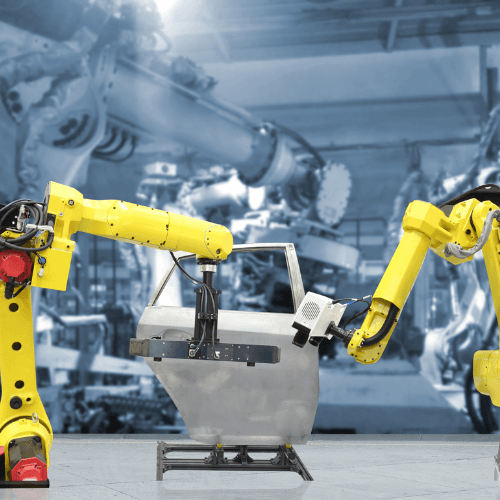
5. 24/7 Operation: Robots are capable of continuous, round-the-clock operations because they don’t require breaks. This capacity to work continuously increases productivity, particularly in industries like manufacturing, shipping, and customer service, guaranteeing that deadlines are fulfilled, and tasks are finished more quickly.
6. Sustainability: By making the best use of resources like energy, water, and materials, robots are essential to promoting sustainable practices. Robots, for instance, may administer pesticides and fertilizers in agriculture with extreme precision, cutting waste and lessening the impact on the environment.
7. Improved Customer Experience: By improving order accuracy, reducing delivery times, and automating the handling of customer inquiries, robots enhance consumer satisfaction in sectors including retail and logistics.
8. In monotonous tasks, robots may replace people: but they also create new job opportunities in fields like robotics design, programming, and maintenance. Additionally, they are altering the workforce. Upskilling staff members to handle increasingly complex, strategic roles encourages creativity and growth.
9. Faster Innovation: By performing complex tasks in labs or production environments, robots speed up research and development, facilitating quicker prototyping, testing, and product creation. This accelerates the release of new products and speeds up cycles of invention.
In Conclusion
Intelligent robots, once only a sci-fi concept, are increasingly transforming industries in ways that were previously unimaginable. Innovation in a range of sectors, including manufacturing, construction, healthcare, logistics, and agriculture, is being fueled by their unparalleled accuracy in their job. As technology advances, robots will enhance their intelligence, flexibility, and ability to do ever-more-complex tasks. The precision of robotics is enabling safety, productivity, and efficiency at new levels. Developing real-time learning, adapting, and optimizing systems is more important than merely automating tasks. These systems can result in more sustainable practices, improved quality of life, and new opportunities for multinational corporations. Future developments will see intelligent robots continuing.