

What Is the Eight-Finger Soft Actuator Gripper
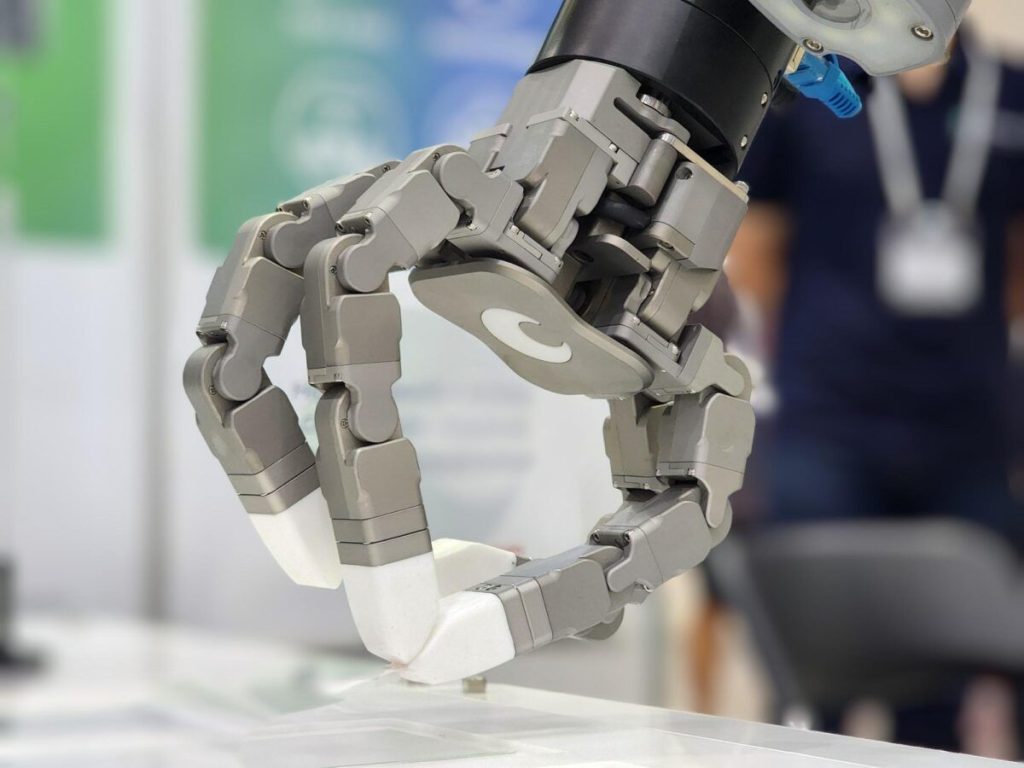
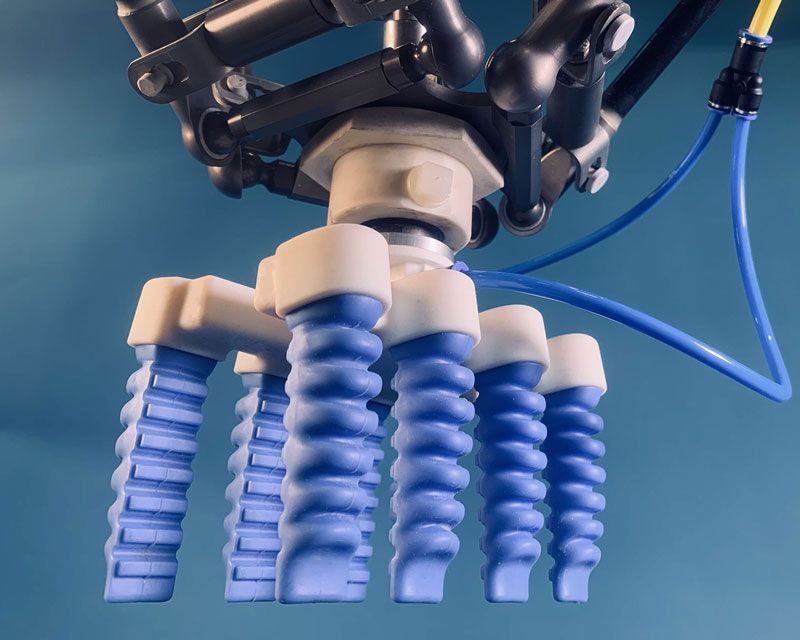
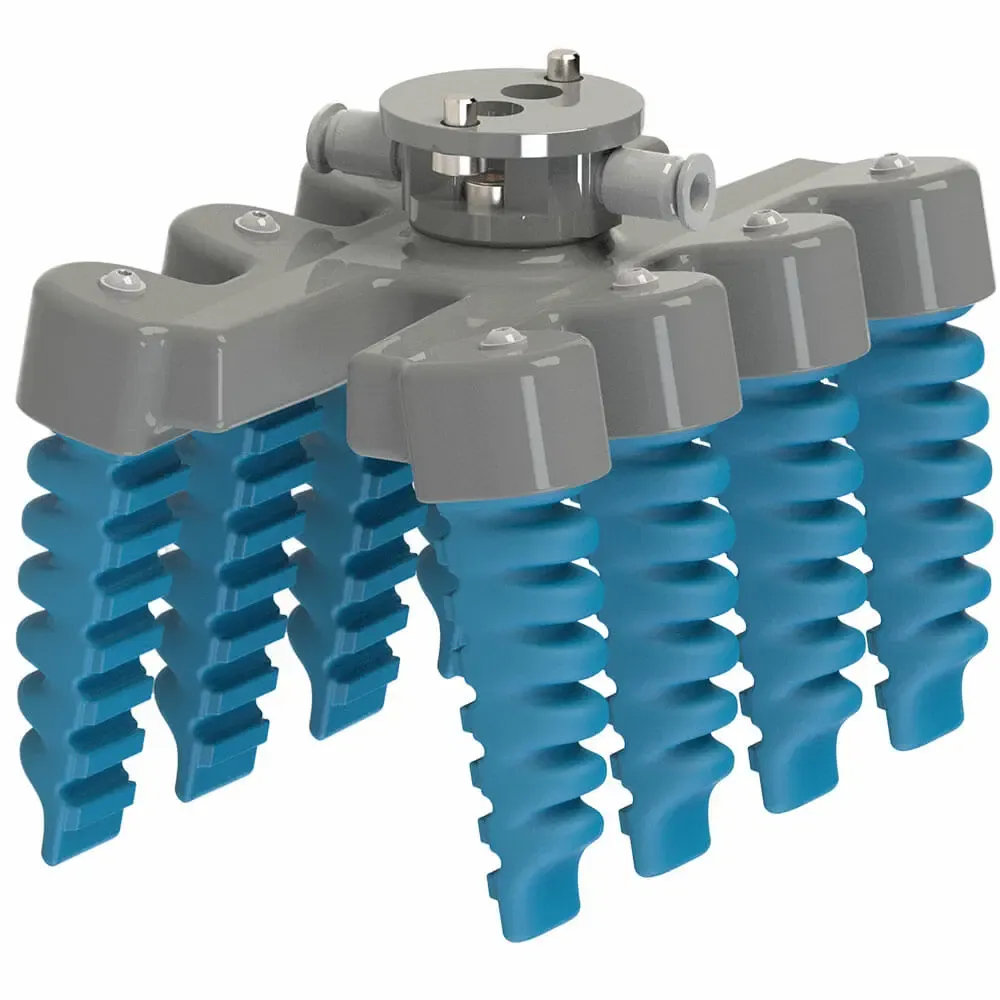
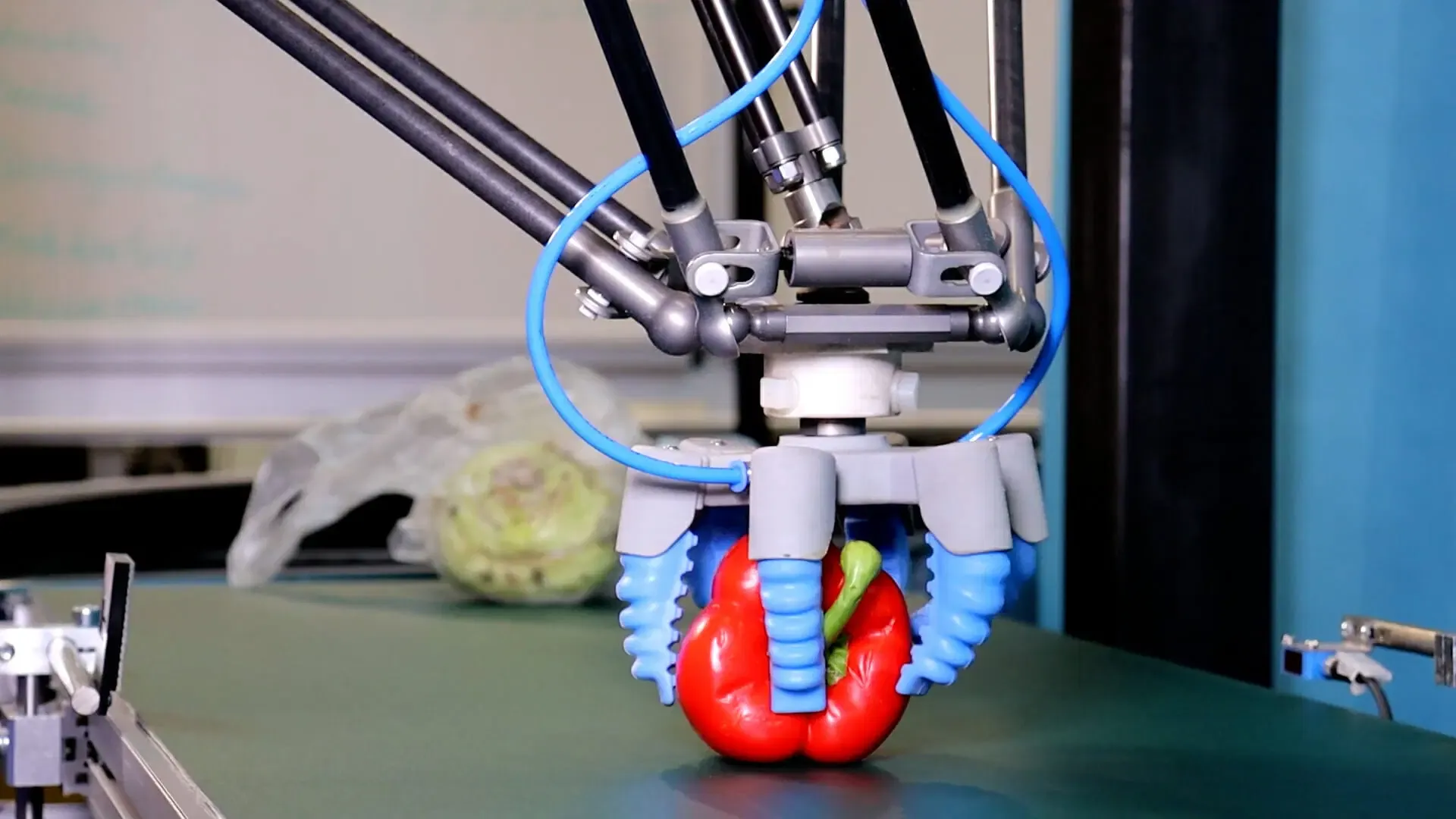
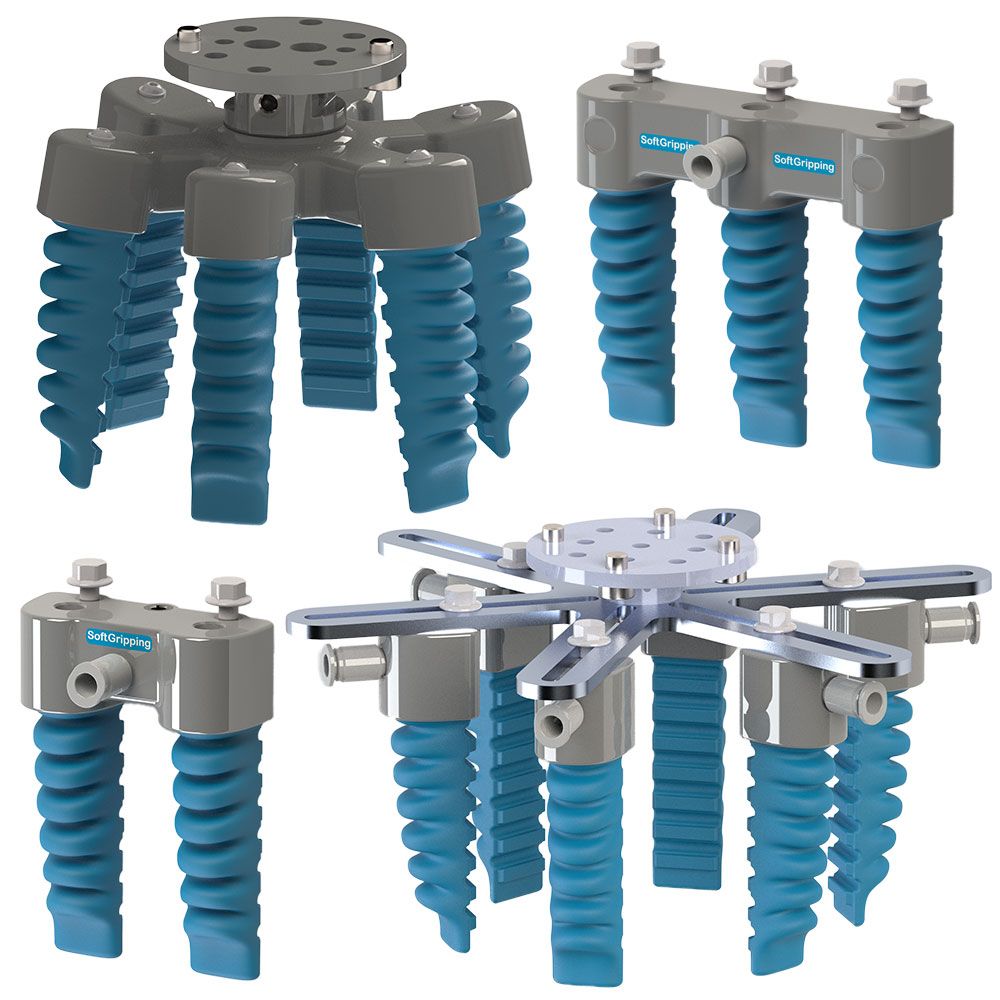
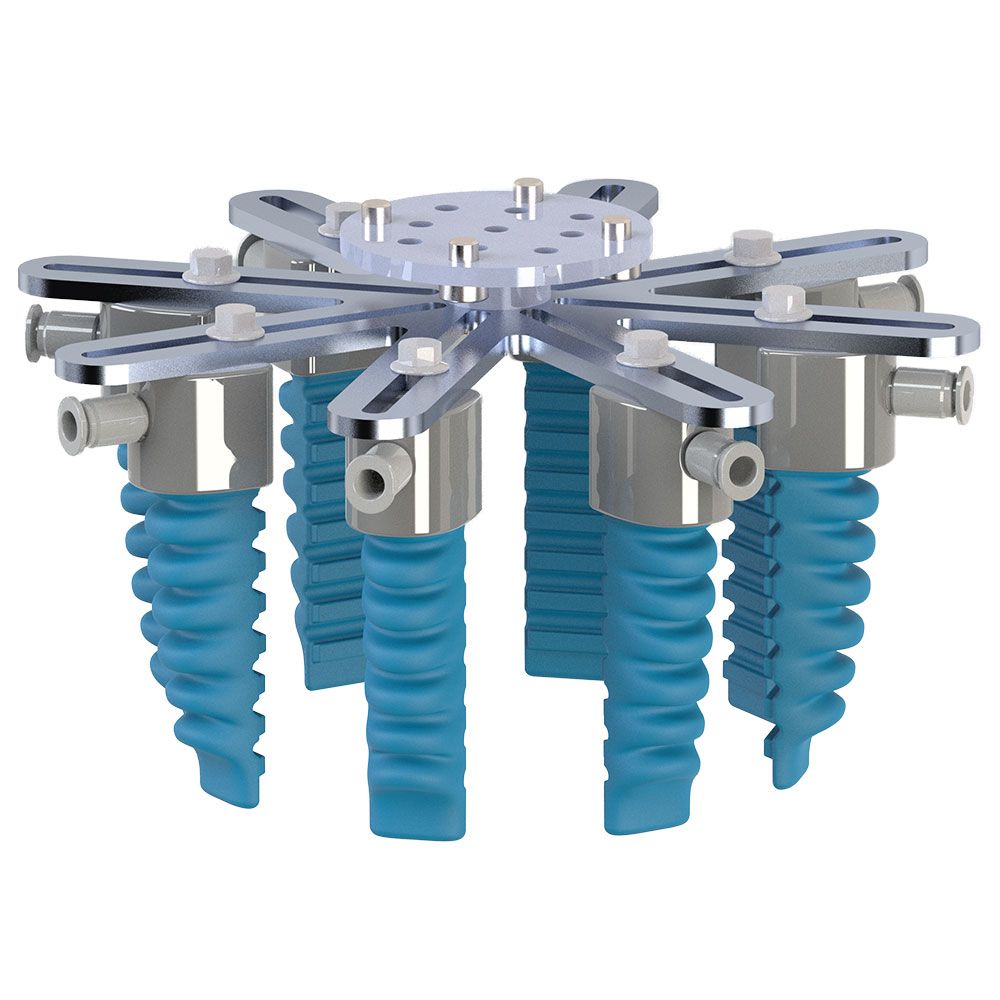
A robotic end-effector that manipulates things with soft, flexible materials is called a soft actuator gripper . These skills are improved by the eight-finger design, which provides additional touch points and increased object handling flexibility. Each finger is made of soft materials, usually silicone or a related polymer, and may be moved by shape-memory alloys, hydraulics, or pneumatics.
This type of gripper stands apart from traditional rigid robotic grippers by providing:
Softness: Lowering the possibility of breaking fragile items.
Flexibility: Giving it the ability to hold items of different sizes, shapes, and textures.
Adaptive grasping: Taking on an object’s shape to ensure a firm grip.
Applications that call for a robust yet delicate grasp on delicate or irregularly shaped objects benefit greatly from the eight-finger design.
Important characteristics of the soft actuator gripper with eight fingers
1. Configuration with Multiple Fingers
This gripper’s eight fingers provide improved stability and grabbing power. Even items with unusual surfaces or forms may be securely grasped because to the increased number of contact sites
2. Gentle Handling with Soft Materials
The materials used in the gripper’s construction were chosen for their compliance and suppleness. Because of these characteristics, the gripper is perfect for jobs requiring delicate objects, such handling food, breakable parts, or medical equipment.
3. Mechanism of Adaptation
Because each finger functions separately, the gripper may dynamically adjust to the shape of an object. This flexibility guarantees effective management without necessitating exact pre-programming.
4. Energy-efficient and lightweight design
Because soft actuator grippers are frequently lighter than their stiff counterparts, the robotic arm weighs less overall. It is an environmentally favorable choice since its actuation mechanisms, like pneumatic systems, use less energy.
5. Adaptability to Different Uses
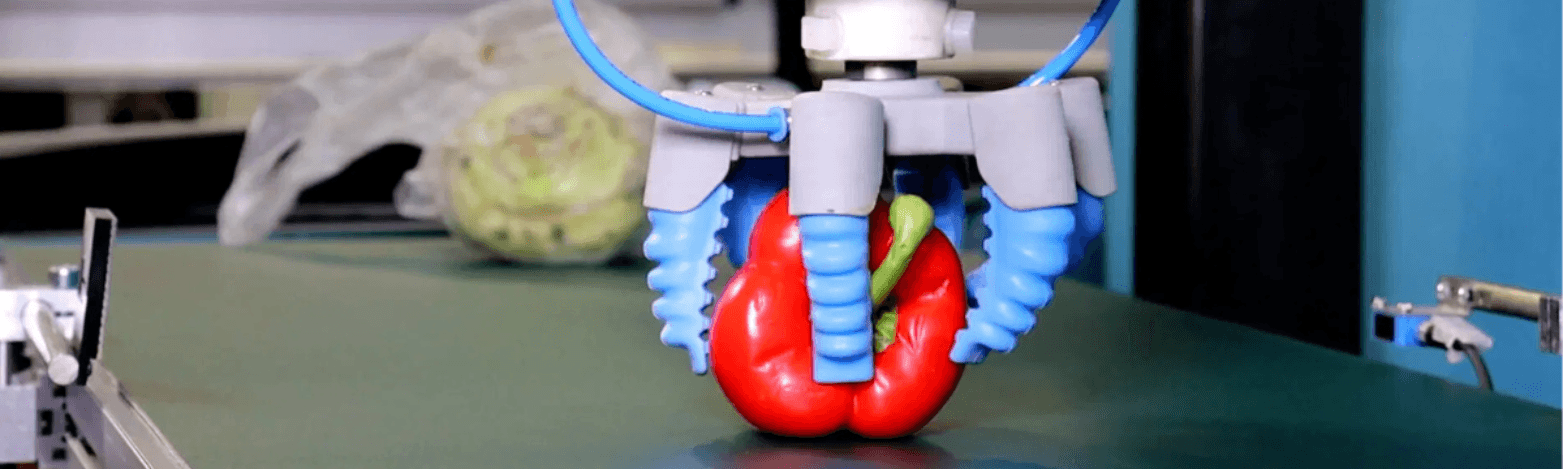
From picking vegetables with unusual shapes to helping with intricate surgical operations, the eight-finger gripper can do a variety of jobs.
How Does the Soft Actuator Gripper with Eight Fingers Operate
Soft actuators, which are pliable parts that may bend, twist, or stretch in reaction to outside stimuli, are what the gripper uses to function. One of the following systems powers these actuators
1. Actuation by Pneumatic
The soft actuators are inflated with pressurized air, which causes them to coil or bend around an object. This approach is well-liked in industrial applications because it offers rapid and accurate control.
2. Actuation by Hydraulic
Hydraulic systems provide more force and are appropriate for heavier things since they use liquid rather than air. They could need more upkeep, though.
3. Smart Materials
Soft actuators that react to electrical stimuli can be made from electroactive polymers or shape-memory alloys. Although these materials allow for precise motions, they could react more slowly than pneumatic systems.
4. Feedback systems and sensors
More sophisticated iterations of the eight-finger gripper use sensors to track location, force, and pressure. By ensuring that the gripper uses the proper amount of force, this feedback helps to protect both the gripper and the item.
Advantages of the Eight-Finger Soft Actuator Gripper
1. Carefully Managing Fragile Items
The eight-finger soft actuator gripper’s ability to handle delicate and fragile objects without causing harm is one of its biggest benefits.
Food Industry: Able to securely handle brittle or delicate objects, such as eggs, fruits, vegetables, or pastries.
Applications in healthcare: Carefully and precisely handles delicate lab samples, tissues, and medical equipment.
Electronics industry:Picks up fragile circuit boards or sensors without scratching or damaging them is part of the electronics industry.
2. Adaptability to Irregular Shapes
The eight-finger soft gripper is superior at grasping items of different sizes and shapes, in contrast to rigid grippers that have trouble with non-standard geometries.
Agriculture: Gathers products in a variety of shapes, such as curved cucumbers or tomatoes.
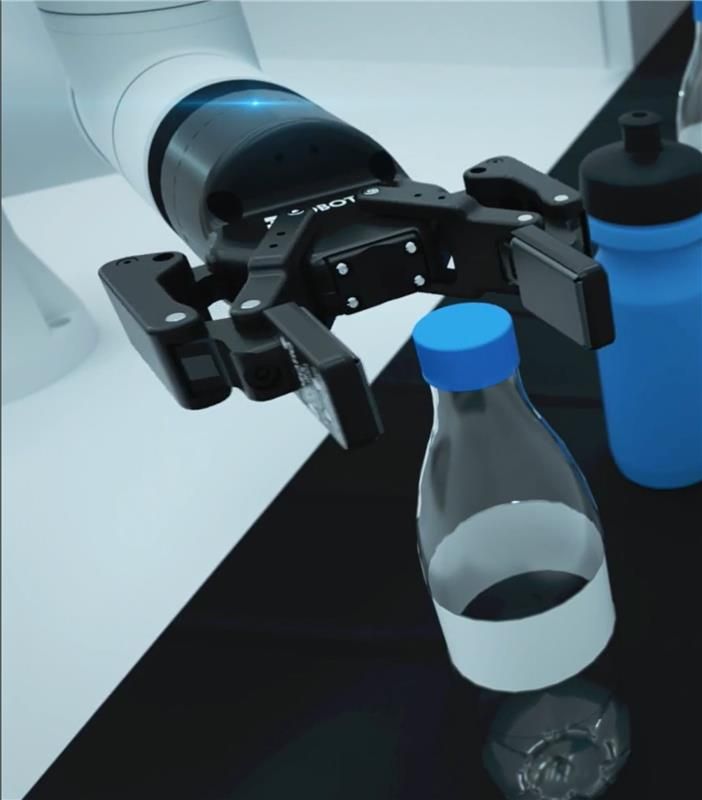
Retail and Logistics:Manages bottles, containers, and packages with unusual shapes.
Marine biology:Gathers coral or other aquatic life with uneven shapes without causing damage.
3. Safety in Cooperation Between Humans and Robots
When working with people in group settings, the gripper’s soft and flexible materials provide safety.
Decreased Injury Risk: The soft fingers reduce the chance of injury even if the gripper comes into touch with a human.
Easy Integration: Perfect for cobots, or collaborative robots, which are employed in manufacturing, healthcare, and retail.
Increased Workplace Efficiency:While the gripper manages hazardous or repetitive operations, employees may concentrate on higher-level work.
Because the gripper is made of lightweight materials, the robotic system weighs less overall, which saves energy and facilitates deployment.
Reduced Energy Consumption:When compared to conventional robotic grippers, pneumatic or hydraulic actuation methods consume less electricity.
Mobility: Robots that move about in outdoor settings or warehouses benefit greatly from lightweight designs.
Cost-Effective Operations: Lowers energy costs and prolongs the life of robotic arms.
5. Enhanced Productivity
Because the soft gripper can adapt to a wide range of items without requiring regular modifications or retooling, it decreases downtime and improves operating efficiency.
Streamlined Workflow: Able to handle many kinds of items on the same assembly line with ease.
Lower Error Rates: By ensuring that things are held firmly, the adaptive grip lowers the chance of falling or breaking them.
Quicker Task Completion: Makes complicated jobs that would normally call for several tools or grippers simpler.
6. Cost-Effective Solution
The versatility of the soft actuator gripper eliminates the need for specialized tooling, whereas traditional grippers could necessitate unique designs for certain applications.
Reduced Initial Investment: Manufacturing soft materials and actuation systems is frequently less costly.
Lower Maintenance Costs: There is less chance of mechanical problems because to the straightforward design.
Multi-Purpose Utility:In multi-functional activities, a single gripper can save money by replacing several rigid grippers.
Applications of the Eight-Finger Soft Actuator Gripper
1. Agriculture and Food
Soft grippers are transforming agricultural methods and food handling.
Harvesting: Because of its soft touch, the gripper can select delicate fruits like tomatoes or strawberries without damaging them.
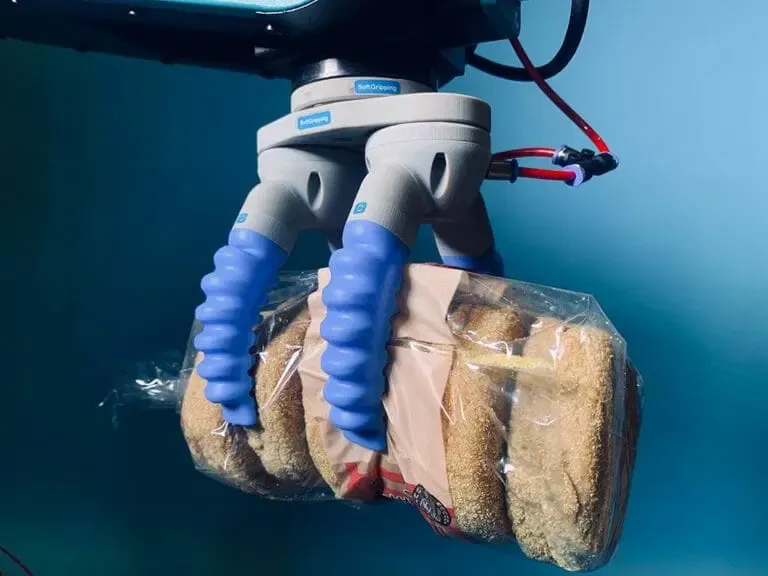
Sorting and Packaging: It ensures high-speed operations without sacrificing quality by excelling in handling irregularly shaped commodities like baked goods, eggs, and vegetables.
preparation: The gripper is used to safely handle delicate and slick objects in the preparation of meat and seafood.
2. Production and Assembling
The eight-finger soft actuator gripper offers remarkable adaptability in production.
Precision Assembly: When assembling a product, precision assembly is used to handle pieces of various materials and forms, such as circuit boards or car parts.
Quality control: Checks for flaws in delicate materials including thin plastics, glass, and ceramics.
Tool handling: Adapts to accommodate variously shaped instruments for welding and painting.
3. Healthcare and Biomedical Fields
The gripper’s ability to handle objects delicately and precisely is very beneficial to the healthcare industry.
Surgical Assistance: By holding delicate tissues or surgical tools during procedures, the gripper lowers the possibility of tissue injury.
Rehabilitation: Gently grasps and guides the patient’s limbs or other items to help with physiotherapy exercises.
Lab Automation: It performs very accurate manipulations on samples, test tubes, or petri dishes in labs.
4. Storage and Logistics
When it comes to automating logistical processes, soft grippers are essential.
Picking and packing: Completes orders by handling boxes, packages, and goods of all weights and sizes with efficiency.
E-commerce: Ensures effective and error-free operations by handling items of various forms and fragilities.
sorting systems: Distribution facilities use sorting systems to arrange goods like packages, apparel, and tiny gadgets.
5. Research and Education
Institutions of higher learning and research are investigating the potential of soft grippers for creativity and education.
Material Testing: To enhance gripper designs, researchers examine how different items interact with soft materials.
Prototyping: Developing innovative soft robotic technologies through prototyping is done in experimental setups.
Limitations of the Eight-Finger Soft Actuator Gripper
1.Limited Capacity
Limited Capacity For Loading Because their flexible materials are not as strong as those of rigid grippers, soft grippers are not made to hold large things. Because of this, they are not appropriate for sectors such as heavy equipment production or construction.
2. Durability issue
Problems with Durability Over time, soft materials like silicone or polymers are more likely to deteriorate, particularly in situations with high frequencies or abrasive conditions. Regular usage might need more regular replacements or repairs, raising maintenance expenses
3. Implementation Cost
The actuation systems, sensors, and integration with current robotic platforms can be costly, especially for smaller enterprises, even though the gripper itself could be reasonably priced.
4. Restricted Velocity
Because their actuation systems take longer to adjust to objects, soft grippers usually function more slowly than rigid ones. Productivity on high-speed manufacturing lines may be impacted by this restriction.
5. Insufficient Standardization
Soft grippers frequently require customization for uses. Longer development periods and compatibility problems may result from this lack of uniformity.
The Eight-Finger Soft Actuator Gripper’s in Future
Researchers and engineers are working to improve the capabilities of soft grippers as the subject of soft robotics advances quickly. Examples of innovations are
A. Better Materials
creating materials that are more resilient, eco-friendly, and long-lasting to improve durability and performance.
B. Combining machine learning and artificial intelligence
maximizing gripping techniques and facilitating real-time adaptation to complicated situations with the use of AI algorithms.
C. Sensing technologies that are advanced
To enable more sensitive and accurate handling, tactile sensors are being used to simulate the feeling of touch.
D. Application Expansion
Soft actuators’ adaptability brings up new possibilities in fields like underwater robotics and space exploration.
In conclusion
A revolutionary advancement in robotics, the eight-finger soft actuator gripper combines safety , flexibility, and adaptability. It allows robots to engage with the physical environment in ways that were previously unthinkable, bridging the gap between technology and careful handling. Despite its drawbacks, continued research and development is resolving these issues and opening the door to more robust, accurate, and adaptable soft robotic systems. The eight-finger soft actuator gripper is unquestionably a major participant in the future of robotics and automation , from improving daily activities to transforming industries.