

What Are Robotic Sensors
Robotic sensors are gadgets that gather and analyze information from a robot’s surroundings. They enable robots to successfully detect and react to their environment by simulating human senses including sight, touch, and hearing. These sensors convert physical changes (such as motion, light, or heat) into digital signals that robots can understand and use to decide what to do or how to do it.
Important Roles for Robotic Sensors
– Collecting data in real time about the robot’s environment is known as data collection.
– Enabling robots to explore, operate items, or adapt to changing surroundings is known as environment interaction.
– Supporting independent tasks devoid of human involvement is known as automation. Safety Identifying risks to avoid mishaps.
Robotic Sensor Applications in Contemporary Life
1. Self-driving cars
Autonomous cars are based on robotic sensors, such as LiDAR, cameras , and radar. They enable automobiles to make snap judgments, negotiate tricky roadways, and identify impediments. Sensors decrease human error in driving, increase traffic efficiency, and improve passenger safety.
2. Medical Care
Advanced robots and technologies in healthcare are powered by sensors:
Surgical Robots: Force sensors allow for accuracy in delicate operations.
Patient monitoring: Vital signs are continuously monitored by wearables with biosensors.
Rehabilitation: Sensors are used by robotic exoskeletons to adjust to the movements of their patients.
3. Intelligent Households
Home automation systems are improved by robotic sensors, which increase security and convenience
– Lighting and intrusion detection are controlled by motion sensors.
– Sensors for humidity and temperature improve air quality, heating, and cooling.
– Sound sensors and cameras underpin voice-activated gadgets like Google Home and Alexa.
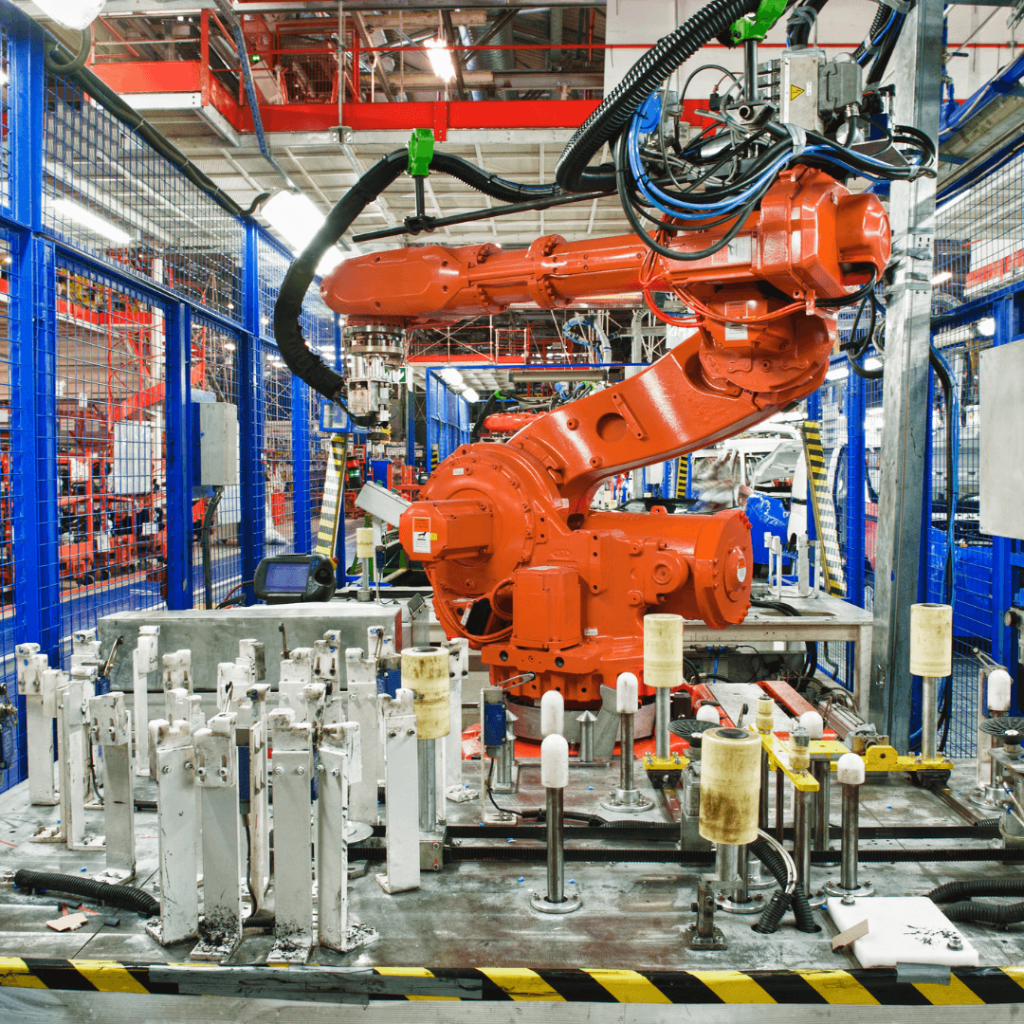
4. Industrial Automation
Sensors are essential to the productivity and security of industrial automation factories
– Product flaws are checked via vision sensors.
– Collisions on production lines are avoided via proximity sensors.
– Exact robotic assembly is made possible by force sensors.
5. Farming
Smart farming techniques in agriculture are made possible by sensors:
– Sensors of soil moisture maximize irrigation.
– Crop diseases are detected early via vision sensors.
– Harvested food is stored under ideal conditions thanks to temperature sensors.
6. Security and Safety for the Public
Sensor-equipped robots are used for disaster recovery, bomb disposal, and surveillance
–In an emergency, thermal cameras find survivors.
–Toxic surroundings are detected using gas sensors.
– When navigating dangerous regions, proximity sensors can in handy.
Types of Robotic Sensors
There are several types of robotic sensors, and each has a distinct function. Here’s a closer look at their varieties and operations
1. Sensors for vision
What They Do: Record video and photos so that robots can “see.
Applications
– Include choosing and putting jobs using object recognition.
– Autonomous vehicle navigation.
– manufacturing quality control.
– Examples include 3D vision systems and cameras.
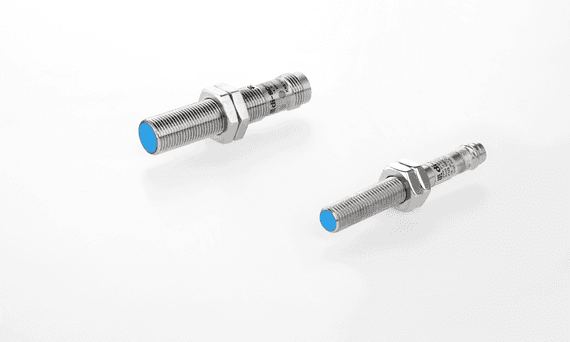
2. Proximity Sensors
What They Do: Locate items in the vicinity without making physical touch.
Applications
– Include drone and robot collision avoidance.
– Positioning objects on production lines.
– Examples: Infrared sensors, ultrasonic sensors.
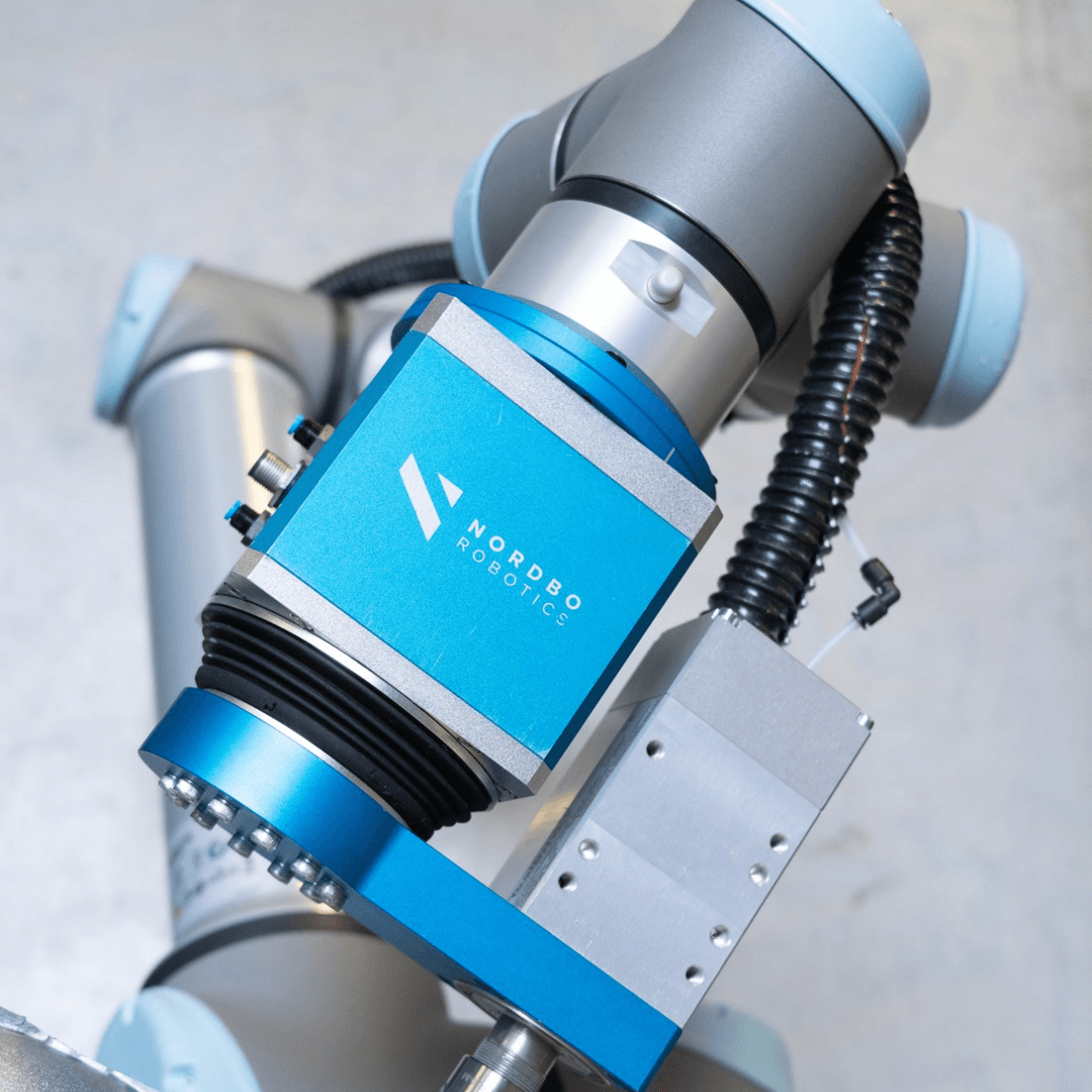
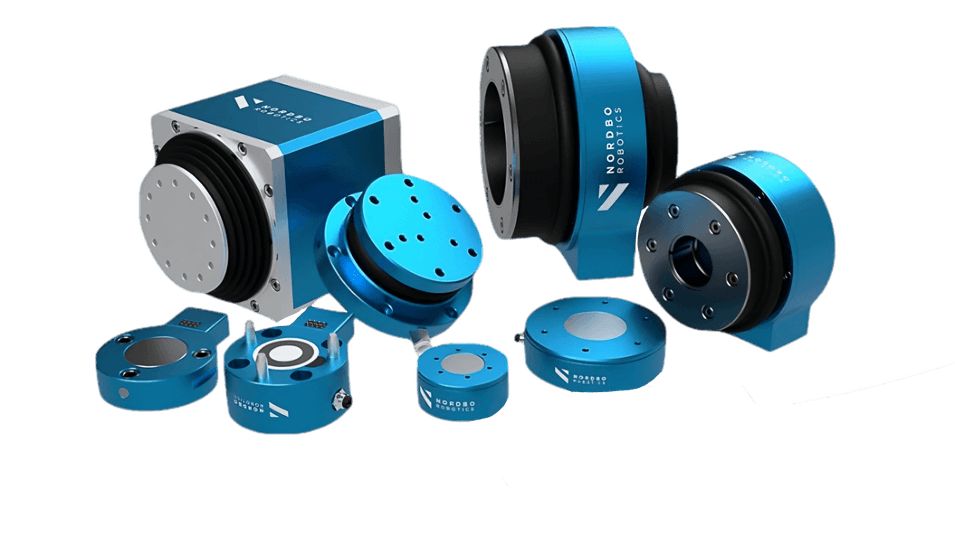
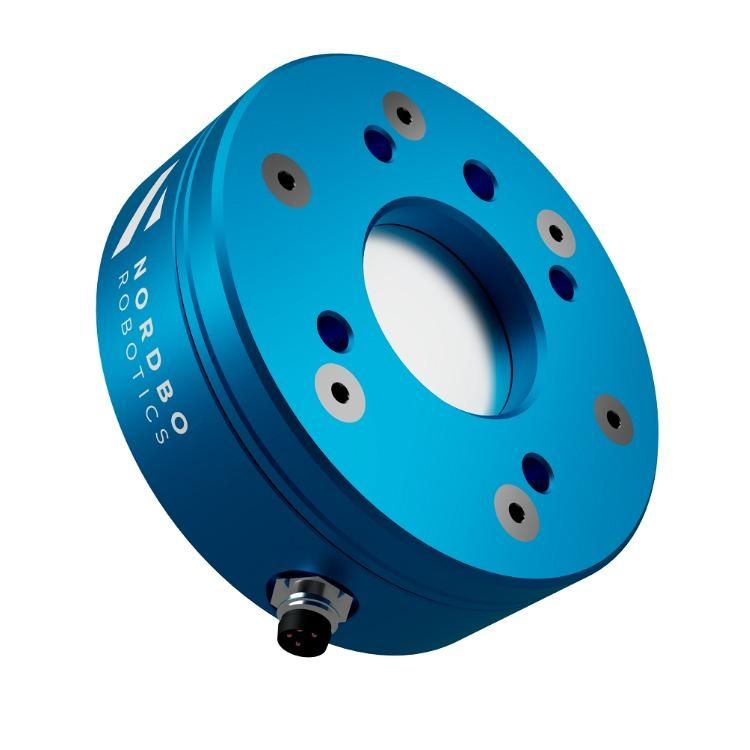
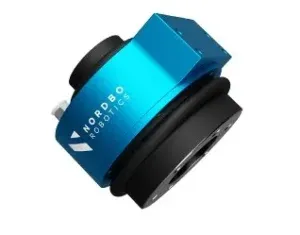
3. Force and Torque Sensors
What They Do: Determine how much rotating force or pressure is being delivered.
Applications
– Accurate jobs like putting circuits together.
– Robotic surgery to guarantee careful treatment.
– Examples include piezoelectric sensors and sensors based on strain gauges.
What They Do: Keep an eye on variations in system or environmental temperature.
Applications
– Making sure industrial procedures are safe.
– Preserving ideal storage unit conditions.
– Thermistors and thermocouples are two examples.
5. Sensors for LiDAR
What They Do: Use laser light to measure the distance to objects to create comprehensive 3D maps.
Applications
– Include driverless car navigation.
– surveying and mapping in the building industry.
– Examples include mechanical LiDAR and solid-state LiDAR.
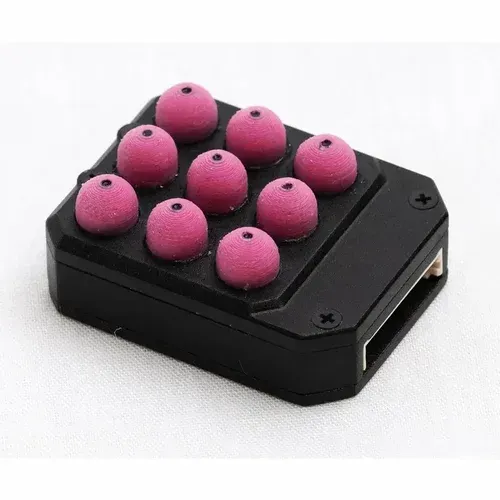
6. Touch Sensors
Their function is to detect pressure or contact and provide tactile feedback.
Applications
– Include human touch-imitating prosthetics.
– Interactive robots to interact with customers.
– Examples include resistive and capacitive touch sensors.
7. Sensors for Sound
They identify and decipher sound waves.
Applications
– Include virtual assistants and other voice-activated technologies.
– keeping an eye out for odd noises coming from machines.
– Acoustic sensors and microphones are two examples.
Advantages of Robotic Sensors
Numerous advantages are provided by robotic sensors in a variety of fields, stimulating creativity and increasing output. Let’s examine their benefits in more detail
1. Increased Productivity and Efficiency
Robots can now complete repetitive jobs with unparalleled speed and precision thanks to sensors, which boosts productivity in sectors like manufacturing and logistics.
2. Enhanced Security
In high-risk settings like factories, building sites, and disaster areas, sensors safeguard employees by identifying dangers and guaranteeing accurate interactions.
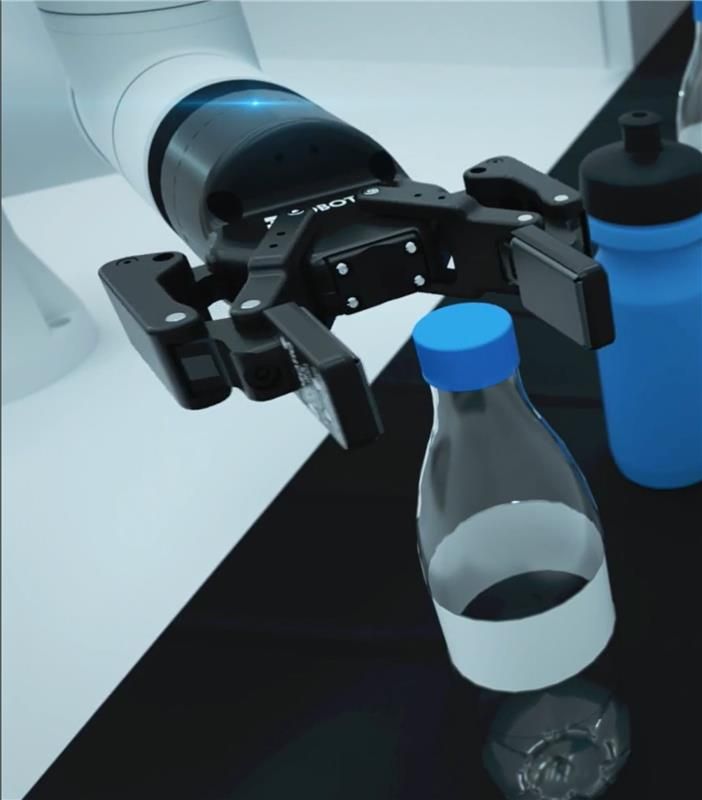
Advanced sensors like force and vision sensors enable tasks that need a high degree of precision, such semiconductor production or surgery.
4. Automating Typical Tasks
By automating repetitive or boring operations, sensors allow people to concentrate on more intricate and creative work.
5. More Effective Decision-Making
Robots and systems can make educated judgments and adjust to changing situations thanks to real-time input from sensors.
6. Resource Optimization and Sustainability
Sensors optimize irrigation in agriculture to help save water, and they guarantee effective power usage in energy management.
7. Independence and Accessibility
Touch and force sensors enable assistive technology, such as robotic prosthesis and mobility aids, which enhance the quality of life for people with impairments.
8. Applications’ Scalability
Robots with sensors may be used in a variety of sectors, including healthcare and retail, allowing companies to expand their operations effectively
Robotic Sensor Limitations
Robotic sensors provide many advantages, but they also have drawbacks and restrictions.
1. Expensive
High-resolution cameras and LiDAR are examples of advanced sensors that might be unaffordable for smaller firms.
2. The necessity of calibration
Maintaining sensor accuracy requires routine calibration, which may be expensive and time-consuming.
3. Danger to the Environment
Extreme temperatures, high humidity, and electromagnetic interference are examples of harsh environments that might impair sensor function.
4. An abundance of data
Large volumes of data produced by sensors necessitate reliable computational systems for processing and storing, which might impose a strain on available resources.
5. Concerns About Cybersecurity
Sensors that are connected are susceptible to hacking and data breaches, which puts sensitive data and system integrity at risk.
6. Integration’s Complexity
Technically speaking, integrating several sensors into a coherent system can be difficult and calls for certain knowledge and resources.
7. Limited Life Expectancy
Regular usage in harsh settings can cause wear and tear, which shortens sensor lifespans and raises maintenance expenses.
8. Power Supply Dependency
Energy management is an important factor, particularly for mobile robots and drones, as many sensors need constant power.
The Future of Robotic Sensors
Rapid developments in robotic sensors promise to improve their capabilities, broaden their range of applications, and completely change the way we use technology in the future. Smarter, more effective, and more adaptable sensors are becoming more and more necessary as companies adopt automation . Key developments and trends influencing robotic sensors in the future include the following
1. Artificial Intelligence (AI) Integration
AI and robotic sensors together will allow robots to interpret information more intelligently and make choices in real time
Adaptive Learning: With the use of AI algorithms, sensors will be able to learn from their surroundings and gradually become more accurate and sensitive.
Pattern Recognition: Artificial intelligence (AI)-enabled sensors can recognize intricate patterns in data, such as anticipating equipment breakdowns or seeing minute environment changes.
2. Reduced Size and Improved Mobility
Robotics will have new opportunities because of the trend toward lighter and smaller sensors
Wearable Robotics: Wearable technology, like prostheses or exoskeletons, can incorporate tiny sensors.
Drones and Microbots: Smaller drones and microbots for exploration, surveillance, and medical purposes will be made possible by compact sensors.
Consumer Devices: By integrating smaller sensors into commonplace devices, their utility may be increased.
3. Advanced Mapping and Sensing in 3D
It is anticipated that 3D sensing technologies, like LiDAR, would advance in accuracy and cost
Improved Spatial Awareness: Robots with sophisticated 3D sensors will be more aware of their environment, which will facilitate interaction and navigation.
Dynamic Environments: With the help of these sensors, robots will be able to adjust to quickly shifting conditions, such congested cities or disaster situations.
Augmented Reality (AR): Including AR applications will improve design, teaching, and gaming experiences.
4. Sustainable and Energy-Efficient Sensors
One of the main goals of sensor development will be sustainability
Low-Power Sensors: As energy-efficient design advances, sensors will use less power, which will make them more appropriate for mobile robots and drones.
Eco-Friendly Materials: Sensors constructed from recyclable or biodegradable materials will support international sustainability objectives.
Self-Powered Sensors: Reliance on batteries will be lessened by sensors that run on renewable energy sources like solar or kinetic energy.
In conclusion
Modern automation relies heavily on robotic sensors, which drive advancements that boost daily living and industries. Their ability to allow robots to see and interact with the world is essential for a variety of applications, including healthcare and agriculture. Even while there are still difficulties, new developments indicate that robotic sensors will soon change the way we work, live, and interact with technology. Robotic sensors will become increasingly important as society depends more on automation, creating a smarter, safer, and more efficient environment.