



In this extensive blog post, we examine the many obstacles that companies have when using robots and offer professional advice on how to get over them for a smooth rollout and optimal benefits.

Challenges in Robotics Implementation in the Automation Industry
1. High initial outlay of funds
Robotics implementation involves a large initial outlay of funds. This covers the price of the necessary infrastructure, installation, programming, and robotics. These expenses can be exorbitant for small and medium-sized businesses (SMEs), particularly when combined with the requirement to integrate robotics with antiquated systems or modernize existing facilities.
2. The Complexity of Integration
Manufacturing execution systems (MES), enterprise resource planning (ERP) software, and Internet of Things (IoT) devices are just a few of the interconnected systems that are essential to the automation business. Advanced technological know-how and a substantial amount of effort are needed to ensure that robots can interact and function as a cohesive unit inside this ecosystem.
3. Resistance from the Workforce
Employee and management resistance is one of the most ignored issues. While management may be hesitant because of the perceived complexity and disruption of introducing new technology, workers may be afraid that robots would replace them in their occupations.
4. Lack of Skills
Robotics needs specific knowledge, which is frequently lacking, to operate, maintain, and program. Implementation may be slowed down and depend more on outside knowledge if there is a shortage of qualified staff to oversee robotic systems.
5. Maintenance and Downtime
Even though robots are meant to increase production, they need to be maintained often to avoid malfunctions. Operations might be disrupted by unforeseen outages, which can result in monetary losses and decrease customer satisfaction.
6. Risks to Cybersecurity
Since robots are frequently linked to networks due to the automation industry’s growing digitalization, they are susceptible to hacks. Production lines can be disrupted, sensitive data compromised, and reputational harm can result from a single breach.
7. Concerns about Regulation and Ethics
Another layer of complexity is adhering to safety rules, environmental restrictions, and ethical issues. To maintain operational efficiency and guarantee compliance, businesses must manage these obligations.
Expert Strategies to Overcome Challenges
1.Financial Options for High Costs
– Financing and Leasing
Businesses may employ robots without incurring significant upfront costs thanks to the leasing and financing options offered by several robotics’ companies. With this strategy, SMEs may now access cutting-edge automation technologies.
– Government Incentives and Subsidies
Governments everywhere are promoting automation through grants, tax cuts, and subsidies. Businesses can use these incentives to partially defray the expenses of implementing robots.
– Pay attention to ROI
The long-term advantages, such higher productivity, lower labor costs, and improved quality, outweigh the potentially large initial expenditure. Companies should figure out the possible return on investment (ROI) and let stakeholders know about it.
– Systems that are compatible
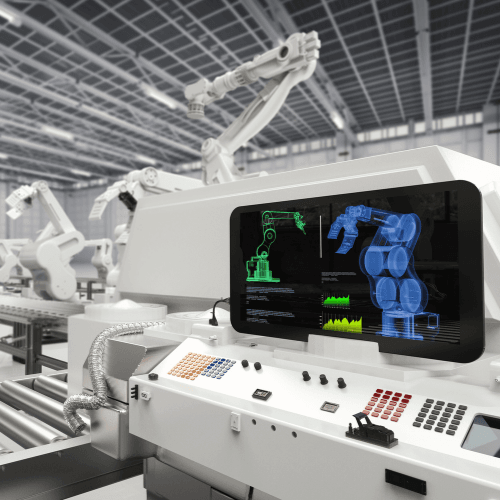
The difficulty of integration is decreased by selecting software and robotics that are made to work together. Standardized protocols and open-source solutions can make system-to-system communication even easier.
– Expert System Integrators
The smooth integration of robots into current operations is ensured by hiring skilled system integrators. By customizing solutions to meet certain company requirements, these professionals help minimize deployment interruptions.
– Technology for Digital Twins
Before implementing robotic integration in real life, companies may test and simulate it by building a virtual model of the manufacturing process. This method aids in process optimization and the identification of possible problems.
3. Handling Opposition in the Workforce
– Open and Honest Communication
Talk openly about the rationale for the robotics implementation and the advantages it will have for the business and its workers. Address worries about job security and highlight how dangerous and routine activities can be replaced by robots.
– Employee Engagement
Engage staff members in the process of planning and execution. Employees are more inclined to support the change and help make it successful when they feel involved.
– Upskilling and retraining
Offer training courses to assist staff in acquiring the new abilities required to collaborate with robots. This promotes a culture of development and innovation in addition to allaying concerns about duplication.
4. Resolving the Skills Deficit
– Partnerships with Academic Institutions
Collaborate with academic institutions, technical schools, and training facilities to create curricula that impart skills unique to robotics. Apprenticeships and internships can also contribute to the development of a talent pipeline.
– Invest in Tools That Are Automated
Robots can be programmed and operated by non-technical staff thanks to low-code and no-code programming platforms. This lessens the need for specialists and democratizes access to robotics technology.
– Initiatives for Continuous Learning
Create an environment where learning never stops by giving staff members the chance to participate in robotics-focused conferences, workshops, and online courses.
5. Making Certain Effective Maintenance
– AI-Powered Predictive Maintenance
Analytics driven by AI can forecast when a robot may malfunction, enabling companies to fix problems before they result in downtime. This proactive strategy guarantees continuous functioning while lowering maintenance expenses.
– Systems for Remote Monitoring
Many contemporary robots include remote monitoring features that let technicians find and address problems without having to be there in person.
– Service Agreements with Producers
Systems continue to function when maintenance and support are partnered with robotics manufacturers . These agreements frequently cover routine maintenance, upgrades, and troubleshooting.

Success Stories: Real-World Applications in the Automation Industry
1. Automobile Sector
One automaker encountered difficulties using robotic arms in its manufacturing processes. The business increased production efficiency by 35% and decreased downtime by 40% by utilizing system integrators and implementing predictive maintenance.
2. Food and Beverage Industry
Collaborative robots (cobots) were used for sorting and packing by a medium-sized food processing firm. Training sessions and open communication were used to overcome employee reluctance, which increased productivity and enhanced employee satisfaction by 30%.
3. Logistics and Warehousing
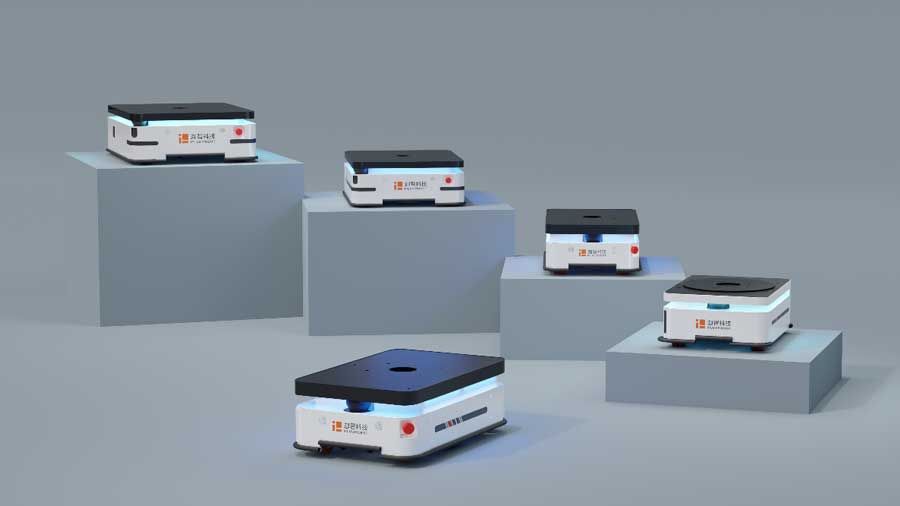
Autonomous mobile robots (AMRs) were used by a logistics company to expedite inventory control and order pickup. The firm increased order accuracy by 25% by collaborating with a robotics supplier for maintenance and employing digital twins for process simulation.
The Future of Robotics in Automation
1. Robotics Driven by AI
Robots are becoming smarter thanks to artificial intelligence, which allows them to learn from their interactions and adjust to changing circumstances. This development will lessen the requirement for human involvement in operation and programming even further.
2. Cobots, or collaborative robots
Because they can coexist with people in a safe manner, cobots are becoming more and more popular. They are perfect for a variety of automation-related applications because to their adaptability and intuitive user interfaces.
3. Scalable and Modular Systems
SMEs may more easily implement robots without completely revamping their operations because of the trend toward modular robotics, which enables enterprises to increase their automation initiatives incrementally.
4. Pay Attention to Sustainability
Businesses are using robotics to help them reach their environmental objectives. Robots are being employed to improve recycling procedures, cut waste, and optimize energy use.
Examining Robotics’ Technological Difficulties
Although integration complexity has been discussed, there are more significant technological issues that require consideration:
1. Problems with System Interoperability
The automation sector uses both state-of-the-art technologies and outdated systems. Compatibility issues may arise when bridging the gap between outdated machinery and contemporary robotics.
Hardware Compatibility: It’s possible that older computers lack the networking features (such Internet of Things interfaces) needed to talk to robots.
Software Integration: It might be challenging to standardize or synchronize systems due to the usage of proprietary software by several providers.
2. Insufficient Scalability in Initial Implementations
Sometimes companies introduce robotics too quickly without fully preparing their systems for the future. A robotic system built for a single activity could not be flexible enough to adjust to shifts in demand or manufacturing procedures.
Solution:
– Select robotic systems that are modular so they may be enlarged or rearranged.
– Make use of cloud-based robotics systems to provide scalability and remote upgrades.
3. Issues in Human-Robot Interaction
In the automation sector, cobots—collaborative robots—are frequently implemented to assist human operators. It is crucial to guarantee that these interactions are efficient, secure, and seamless.
Solution:
-Put in place real-time feedback and monitoring tools to guarantee safe human-robot interaction.
-Use sophisticated sensors and artificial intelligence (AI) algorithms to let robots recognize people and change course on the fly.
Addressing Industry-Specific Challenges
The use of robots presents distinct challenges for every industry within the automation sector. The many types of robotics issues and solutions are as follows:
1. Manufacturing
Challenges: the need for accuracy and personalization.
Robots in manufacturing need to be precise and adaptable in order to handle a range of goods and production techniques.
Solution: Invest in robotic systems driven by AI that can learn on their own and adjust to various jobs, including welding, assembly, or quality assurance. to minimize trash, improve recycling procedures, and maximize energy use.
2. Logistics and Storage
Challenge: Dynamic settings are Unpredictable factors including fluctuating inventory and layouts are common in warehousing operations.
Solution: Use autonomous mobile robots (AMRs) with real-time mapping and sophisticated navigation algorithms as a solution.
3. Healthcare and Pharmaceuticals
Challenge: Patient safety and regulatory compliance provide a challenge.
Healthcare robots must function in sterile settings and adhere to stringent regulatory requirements.
Solution: Collaborate with healthcare-experienced robotics providers and concentrate on acquiring medical device certifications such as ISO 13485.
4. Agriculture
Challenge: harsh and uncertain circumstances.
Robots used in agriculture must be able to endure harsh weather conditions and precisely handle fragile crops.
Solution: Use AI algorithms and sturdy architecture to give robots the ability to adjust to changing conditions and maximize harvesting.
Cultural and Organizational Challenges
Implementing robotics requires major organizational and cultural changes; it doesn’t happen in a vacuum. Here are some more viewpoints:
1. Alignment of Leadership
A lack of agreement among important stakeholders is the reason for the failure of many robotics’ initiatives. Industry leaders in automation must support the shift and explain its long-term advantages.
Solution
To get support, involve leadership early in the decision-making process and provide them precise ROI estimates.
2. Managing Change
Because they fear disruption, managers and employees frequently oppose automation. A seamless transition requires the use of effective change management techniques.
Solution
To oversee the shift, form a robot’s task team.
Establish measurable goals to track your progress and deal with issues as they come up.
3. Assessing Achievement
Businesses may use robots without precise criteria to gauge their progress, which might result in unclear results.
Solution
To assess the efficacy of robotic systems, define KPIs (Key Performance Indicators) including production efficiency, downtime reduction, cost savings, and staff satisfaction.

Global Trends Shaping Robotics in Automation
1. Rise of Robotics-as-a-Service (RaaS)
As an alternative to owning robots, RaaS is becoming more popular. By renting robotic devices on a subscription basis, businesses may access the newest technology while saving money on capital expenditures.
2. Self-governing Robots Utilizing Edge Computing
By allowing robots to interpret data locally, edge computing lowers latency and improves real-time decision-making. This is especially helpful in settings involving high-speed automation.
3. Green Robots
Robots are being constructed with sustainability in mind, emphasizing recyclability, energy efficiency, and carbon footprint reductionr
4. Collaboration Driven by AI
Robots may now work together with other robots as well as with people thanks to artificial intelligence. Through workflow optimization, this multi-robot collaboration is revolutionizing sectors including manufacturing and shipping.
Future Outlook: The Role of Robotics in Industry 5.0
The next step in automation, known as Industry 5.0, emphasizes human-robot cooperation to strike a balance between human ingenuity and technical progress.
1. Tailored Manufacturing
In Industry 5.0, robots will enable hyper-personalized production, effectively creating specialized items on a large scale.
2. Pay Attention to Your Health
By replacing dangerous, monotonous, and routine jobs, robots will free up human workers to concentrate on more creative and important work, improving their well-being and job satisfaction.
3. Ecological Methods
Sustainable manufacturing techniques will be given top priority in Industry 5.0, with robots being essential to recycling, waste reduction, and energy efficiency.
Although there are obstacles to overcome, there is also a ton of potential when robots is used in the automation sector. Businesses may transform challenges into opportunities for success by proactively tackling financial constraints, personnel opposition, technical complications, and regulatory restrictions. Robots can spur innovation, improve productivity, and advance sustainability by utilizing cutting-edge technology, expert insights, and effective change management. This solidifies robots’ position as a revolutionary force that will shape the automation industry’s future.