

How They Work Together
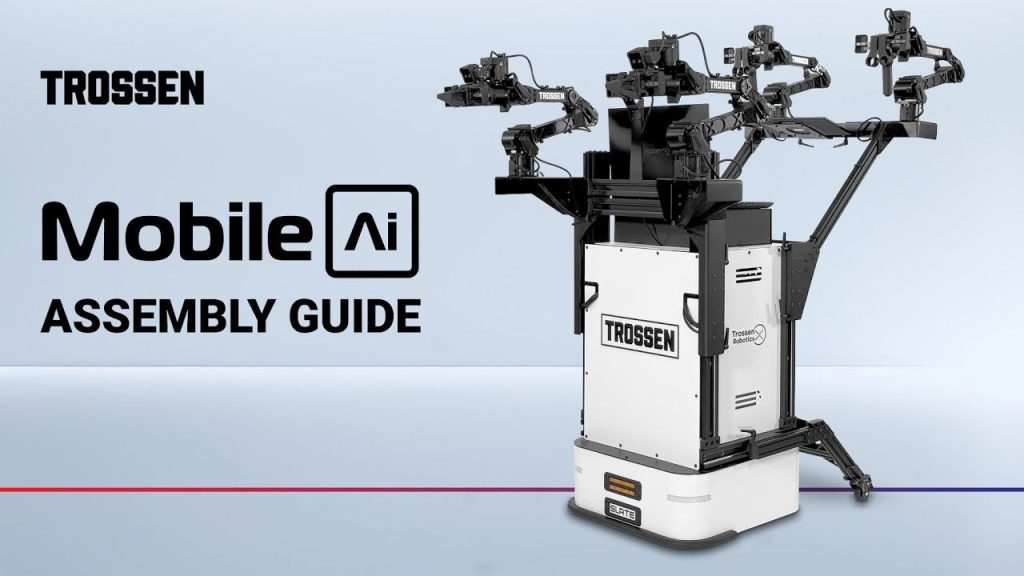
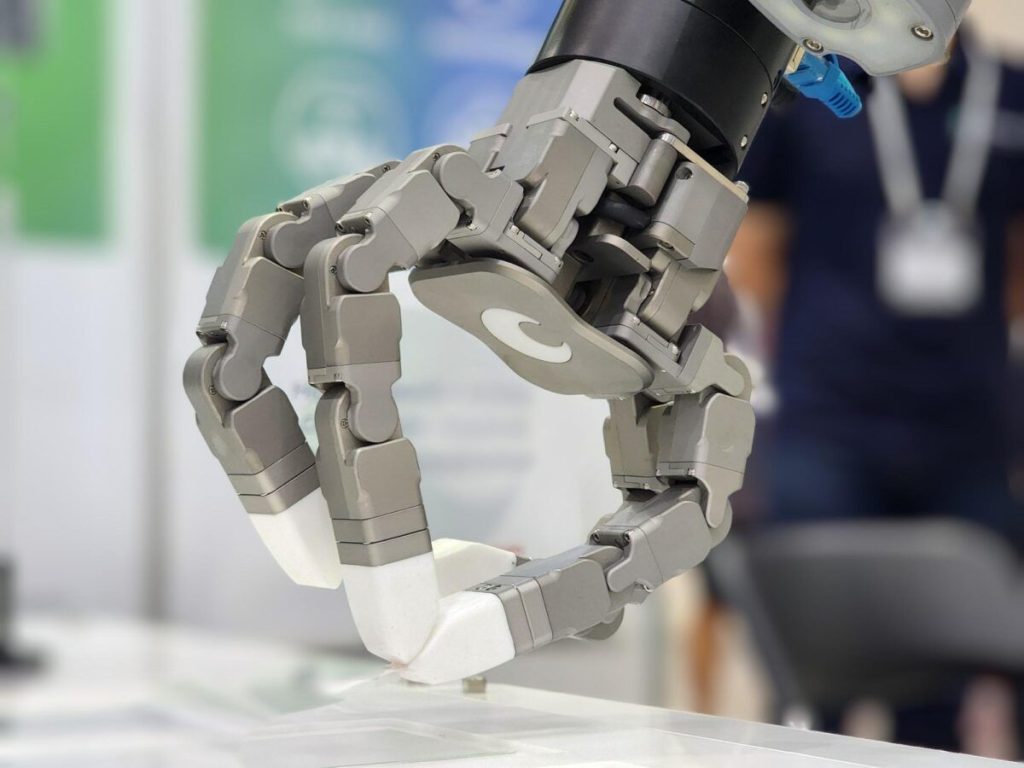
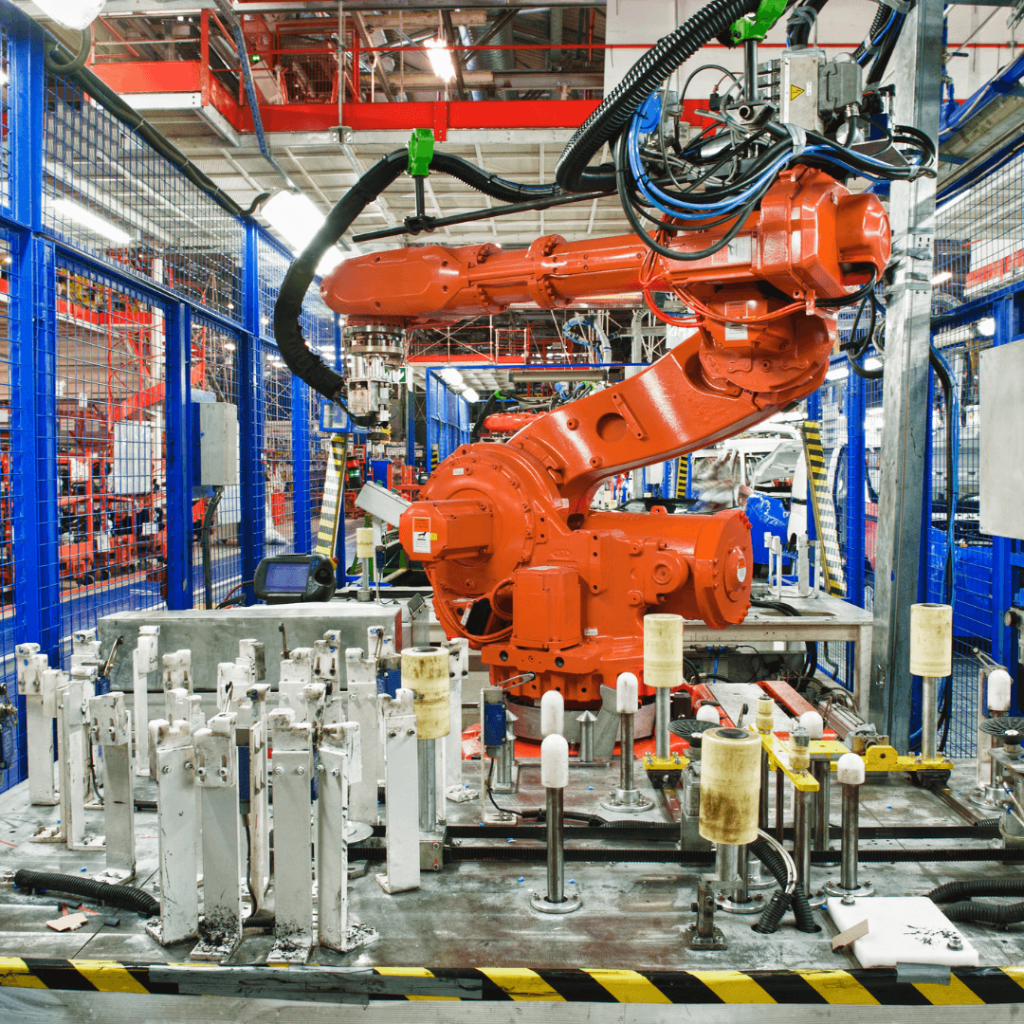
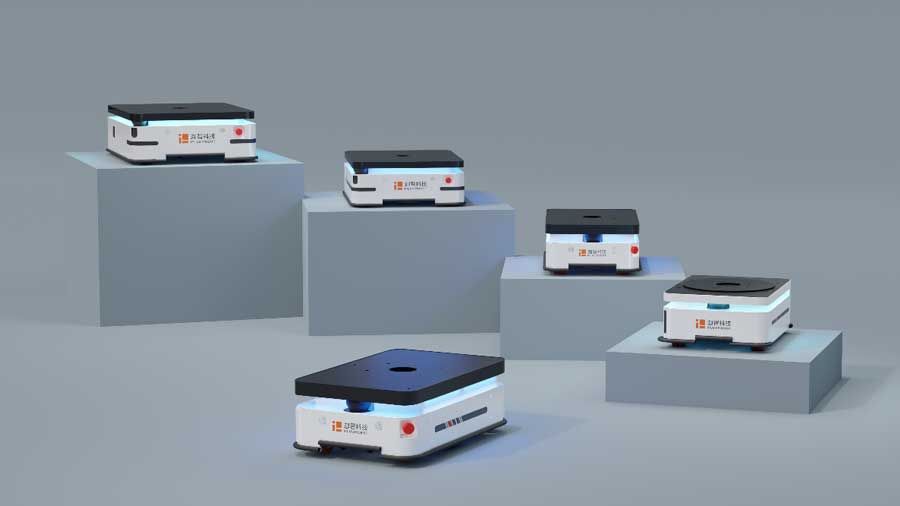
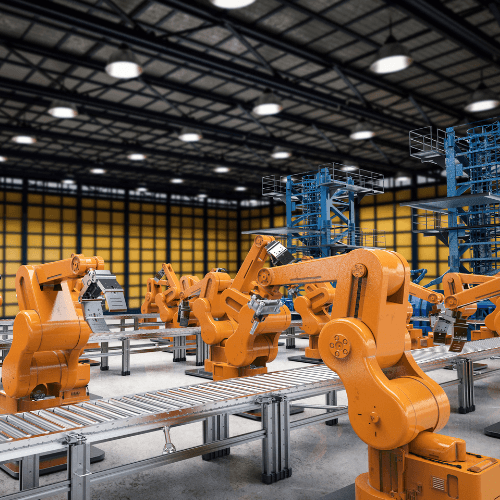
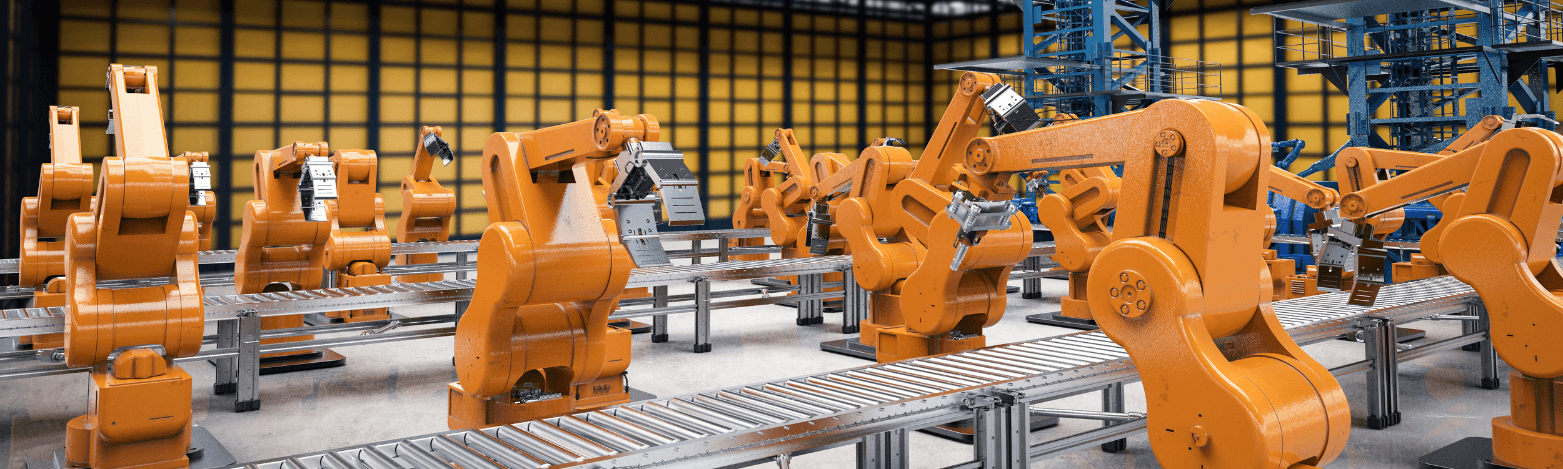
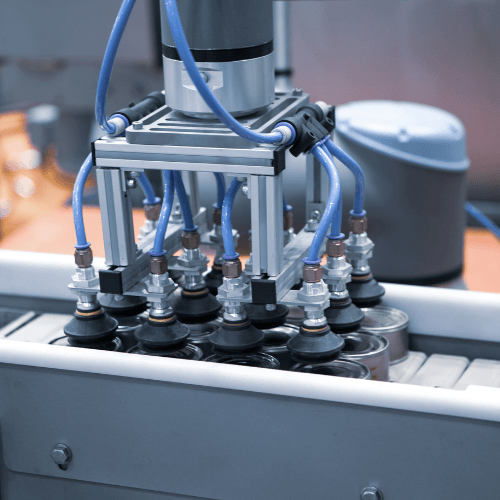
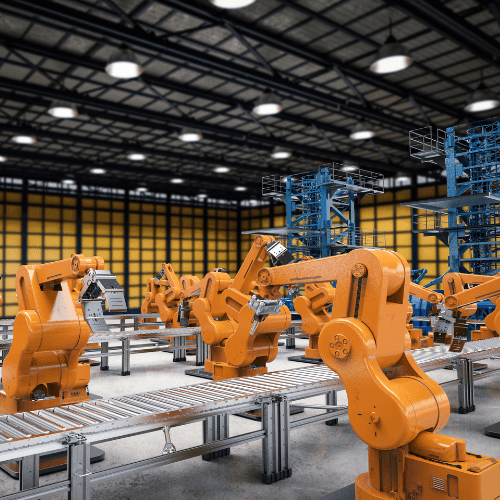
Automation and robotics frequently coexist in industrial settings. Physical operations like welding and assembly are carried out by robots, and workflows, timetables, and quality control are managed by automation software. An automated system may, for example, tell a robot how to put together a vehicle part, keep an eye on it, and change the parameters as necessary.
1. Robotics and Automation Are Driving Economic Growth
Automation and robotics are becoming important drivers of global economic development. For businesses looking to increase efficiency and save expenses, their incorporation into commercial and industrial processes has changed everything. The International Federation of Robotics (IFR) claims that the use of automation and robotics has significantly improved quality and efficiency in a number of sectors.
Expanding the Scope
– Increasing Productivity: Automated systems increase production rates and decrease downtime by streamlining processes. Businesses may free up human resources for more important responsibilities by automating monotonous operations.
– Innovation Hubs: Nations that make significant investments in robotics, like Japan, Germany, and South Korea, are at the forefront of technical advancement and demonstrate how automation boosts national competitiveness.
– SME Advantage: By democratizing access to cutting-edge technology, reasonably priced automation solutions are facilitating competition in international marketplaces for small and medium-sized businesses (SMEs).

2. The Robotics Industry Is Growing Quickly Worldwide
The market for robots is expanding at an exponential rate as more sectors realize how revolutionary automation can be. The need for creative solutions is growing, from industrial robots to service robots.
Expanding the Scope:
– Dynamics of the Market: According to forecasts, the worldwide robotics industry will develop at a compound annual growth rate (CAGR) of 32.5% between 2021 and 2028, from its 2020 valuation of $27.73 billion. This quick growth highlights how many industries are depending more and more on robotics.
– AI Integration: Intelligent automation is made possible by the incorporation of artificial intelligence (AI) and machine learning into robots, which improves their usefulness and adaptability.
– Regional Growth: The demand for industrial modernization and increased efficiency is driving the rapid adoption of robots in emerging Asian economies, especially China and India.
3. The Job Market Is Changing Due to Automation
The effect of automation on the labor market is a hotly debated issue. Automation changes the nature of work by generating new roles and possibilities, despite legitimate worries about job loss.
Expanding the Scope
– Job Creation vs. Displacement: According to a World Economic Forum analysis, automation is predicted to create 97 million new jobs by 2025, especially in fields like data analytics, robot maintenance, and artificial intelligence development, but it may also eliminate 85 million jobs.
– Upskilling the Workforce: As automation changes sectors, it is crucial to focus on reskilling and upskilling employees. Businesses and educational institutions must work together to provide workers with the skills they need for an automated future.
– Trends by Industry: Industries like healthcare, renewable energy, and education are developing employment prospects that capitalize on human ingenuity and critical thinking areas in which robots are now lacking.
4. Robots Are Becoming Smarter and More Autonomous
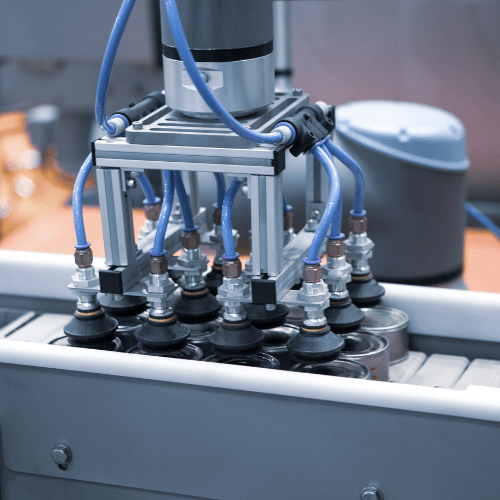
Robots can already accomplish complicated jobs with little assistance from humans because of developments in artificial intelligence and machine learning.
– Expanding the Scope:
– Applications of Machine Learning: Robots that are outfitted with machine learning algorithms can adjust to novel surroundings, streamline their processes, and gradually enhance their performance.
-Autonomous Vehicles: With firms like Tesla, Waymo, and Uber at the forefront, self-driving cars are a shining illustration of how artificial intelligence is revolutionizing transportation.
– Edge Computing: By allowing robots to analyze data locally, edge computing lowers latency and facilitates real-time decision-making in dynamic contexts.
5. Robotics Has a Big Impact on Healthcare
Robotics has been adopted by the healthcare sector to improve patient outcomes, expedite processes, and solve labor shortages. The possibilities are endless, ranging from computerized hospital logistics to robotically assisted procedures.
Expanding the Scope:
accuracy Surgery: Unmatched accuracy is provided by surgical robots such as the da Vinci system, which lowers risks and speeds up patient recovery.
– Rehabilitation Robotics: The transformative potential of robotic exoskeletons is being demonstrated by the way they are enabling patients with mobility disabilities to reclaim their freedom.
– Hospital Automation: Routine chores like drug delivery, sterilization, and patient transportation are being automated by robots, freeing up medical staff to concentrate on providing crucial care.
6. Automation Enhances Workplace Safety
The capacity of automation to carry out jobs that are dangerous for people is one of its biggest advantages; it increases worker safety and lowers accident rates.
Expanding the Scope:
– Hazardous Environments: Robots work in fields like mining, oil drilling, and chemical manufacture that are too risky for people.
– Repeated Strain Reduction: By minimizing human exposure to physically taxing and repeated jobs, automation lowers the risk of musculoskeletal illnesses.
– Real-Time Monitoring: Proactive steps to avert mishaps are made possible by sophisticated robotics systems with sensors that can identify possible safety risks in real-time.
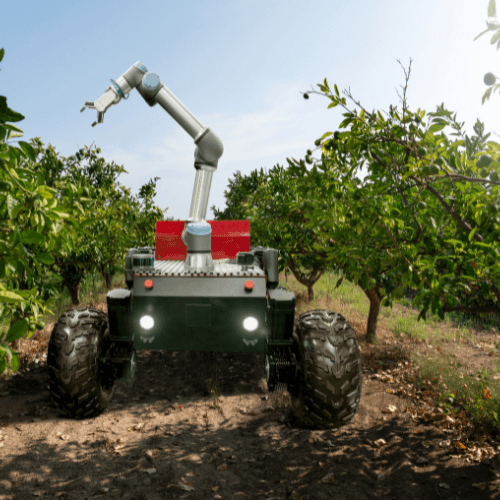
7. Agriculture Is Being Revolutionized by Robots
AgriTech, or agricultural robotics , is revolutionizing farming methods to make them more economical, sustainable, and efficient. Climate change and workforce shortages are two issues that this technology revolution is tackling.
– Expanding the Scope:
Precision Agriculture: By analyzing soil conditions, tracking crop health, and optimizing resource usage, robots with sensors and artificial intelligence (AI) save waste and increase yields.
– Harvesting Robots: By ensuring that crops are gathered at the ideal moment, automated harvesters minimize waste and increase profitability.
– Drones in Agriculture: Agricultural drones save time and labor by carrying out duties like monitoring vast fields, spraying pesticides, and sowing seeds.
8. Regulatory and Ethical Issues Stay Put
To ensure responsible innovation, ethical conundrums and regulatory obstacles brought up by the quick adoption of robots and automation must be resolved.
Expanding the Scope:
– Data Privacy Issues: Large volumes of data are frequently collected and processed by robots and automated systems, which raises concerns regarding user security and privacy.
– Accountability Issues: Ascertaining who is responsible for mistakes or mishaps caused by robots is still a difficult task.
9. Robots Are Increasingly Accessible to Consumers
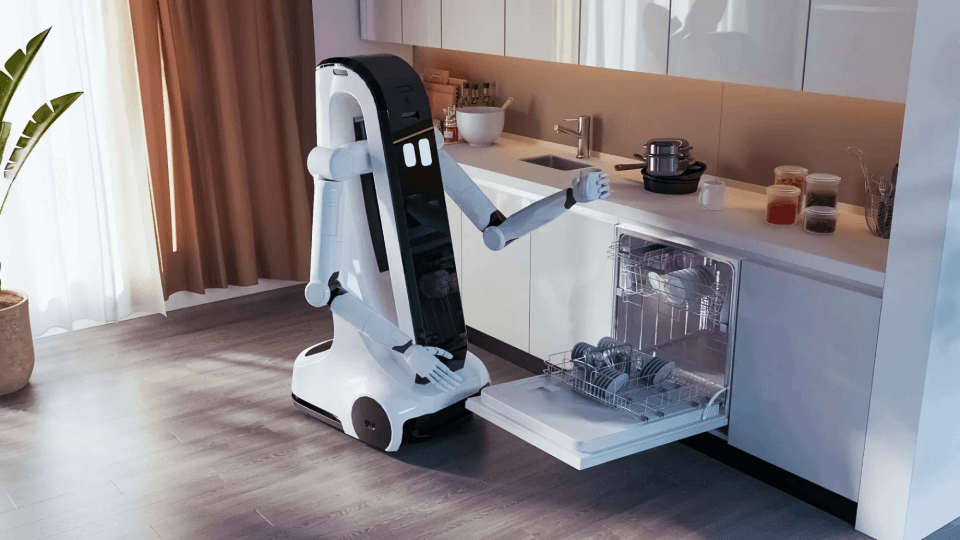
Robots are becoming more and more common in our daily lives and are no longer only seen in industrial environments. Consumer robotics is growing, from robotic vacuum cleaners to smart household appliances.
Expanding the Scope:
– Smart Home Integration: By putting convenience and control at our fingertips, products like Google Home and Amazon Alexa are completely changing the way we engage with technology.
– Personal Robotics: From productivity to companionship, innovations such as robotic pets and personal assistants meet a range of consumer demands.
– Affordability and Accessibility: A wider range of people may now afford these technologies thanks to their user-friendly designs and declining cost of robotics.
10. Automation and Robotics Are Essential to Sustainability
To solve global issues like waste management, resource scarcity, and climate change, automation is essential.
Expanding the Scope:
– Energy Efficiency: By optimizing energy use, automated solutions help enterprises lower their carbon impact.
– Renewable Energy Projects: Solar panels, wind turbines, and other renewable energy systems are installed and maintained in large part by robots.
– Intelligent garbage Management: Recycling robots with AI capabilities sort garbage more effectively, reducing their negative effects on the environment and fostering circular economies.
In conclusion
Automation and robotics are no longer just found in science fiction. They are essential to contemporary living, fostering sustainability, economic expansion, and creativity. They have an influence across sectors, changing the way we live, work, and engage with the world. It will be essential for people, companies, and societies to stay aware and embrace the possibilities of these technologies as they continue to develop. We may better prepare for a future in which automation and robots significantly influence our daily lives by being aware of these ten important truths.