

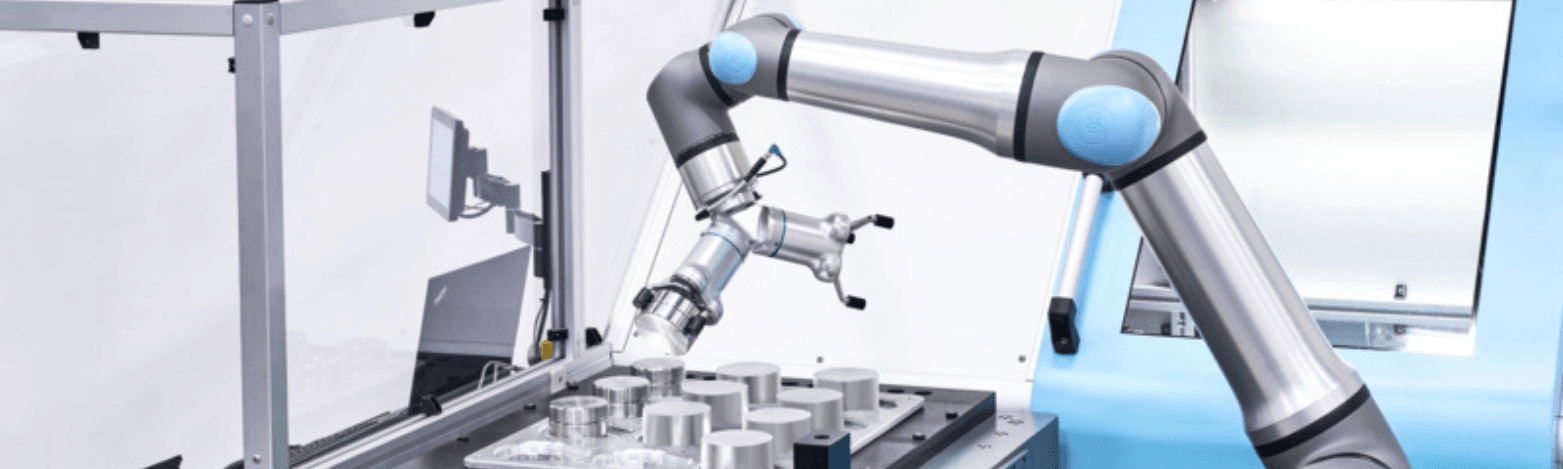


1. Articulated Robots
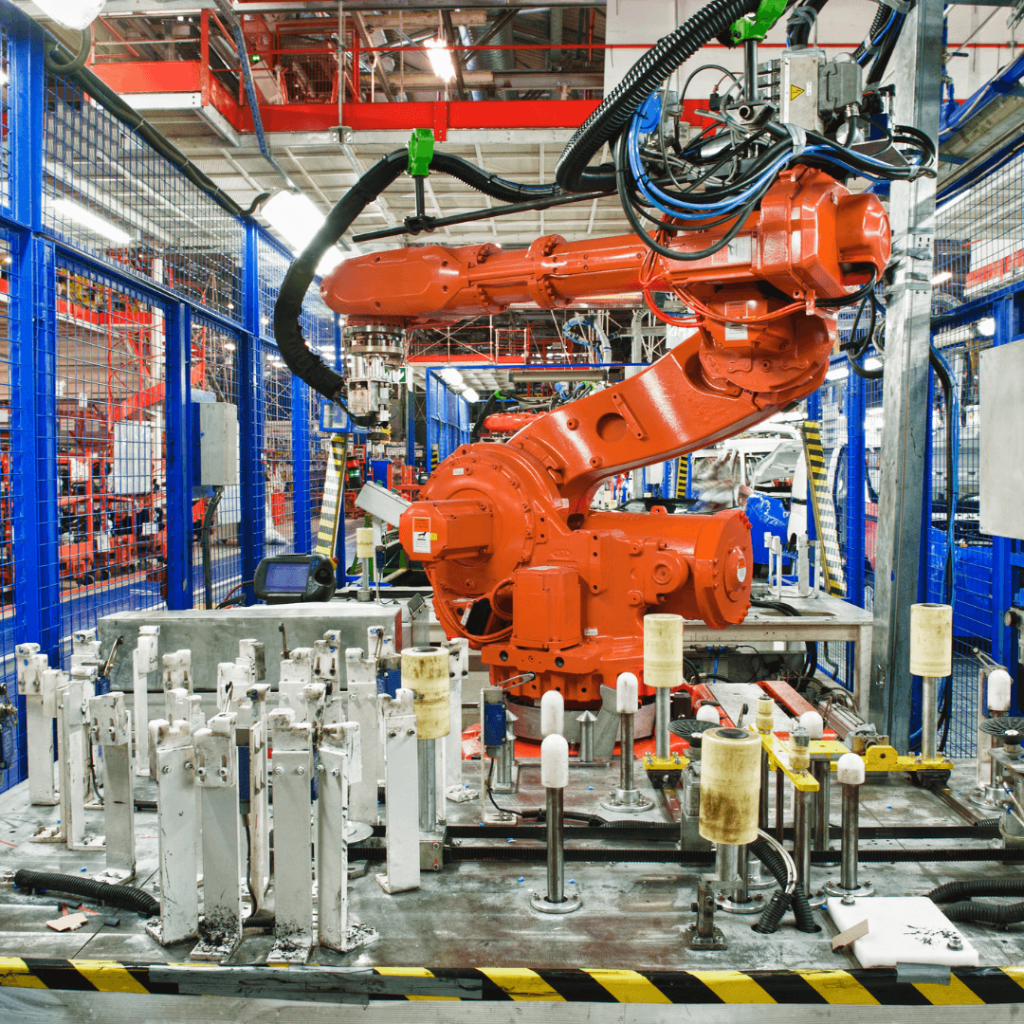
Some of the most adaptable robots utilized in the production of pharmaceuticals are articulated robots, sometimes referred to as 6-axis robots. Their multi-degree-of-freedom arms are perfect for intricate jobs requiring accuracy and adaptability since they replicate human motion.
Features:
– Degrees of Freedom:There are 4 to 7 degrees of freedom, with 6 being the most popular.
– Range of Payload Capacity: Several kilos to several 100 kg.
– Reach: The typical range of reach is 500 mm to more than 3,000 mm.
– Speed: Able to accelerate and decelerate quickly, enabling high-speed activities.
– Accuracy: Excellent repeatability (e.g., ±0.02 mm).
Applications:
– Material Handling: Moving completed goods and raw materials between manufacturing lines is known as material handling.
– Assembly Tasks: Medical device component assembly is one of the assembly tasks.
– Packaging: Blister and high-speed bottling are used for packaging.
– Inspection: Integrated sensors are used to perform both visual and physical quality inspections
For example:
ABB IRB 120: Pick-and-place tasks in sterile settings are frequently performed by this little articulated robot. It is perfect for pharmaceutical applications because of its small size and great accuracy.
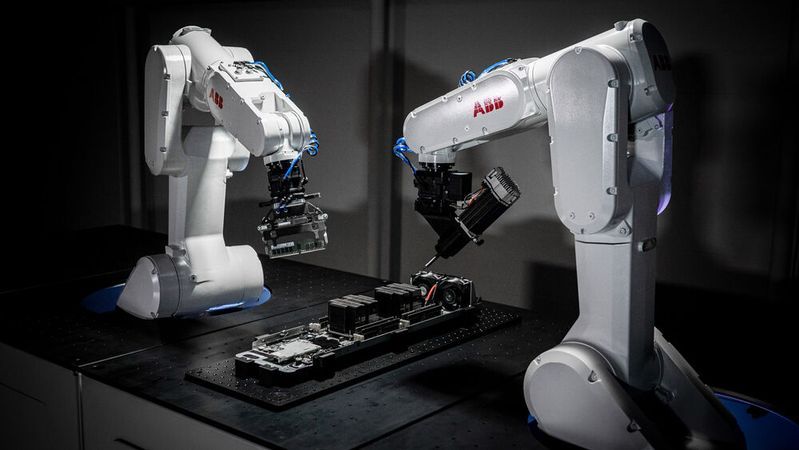
2. Collaborative Robots
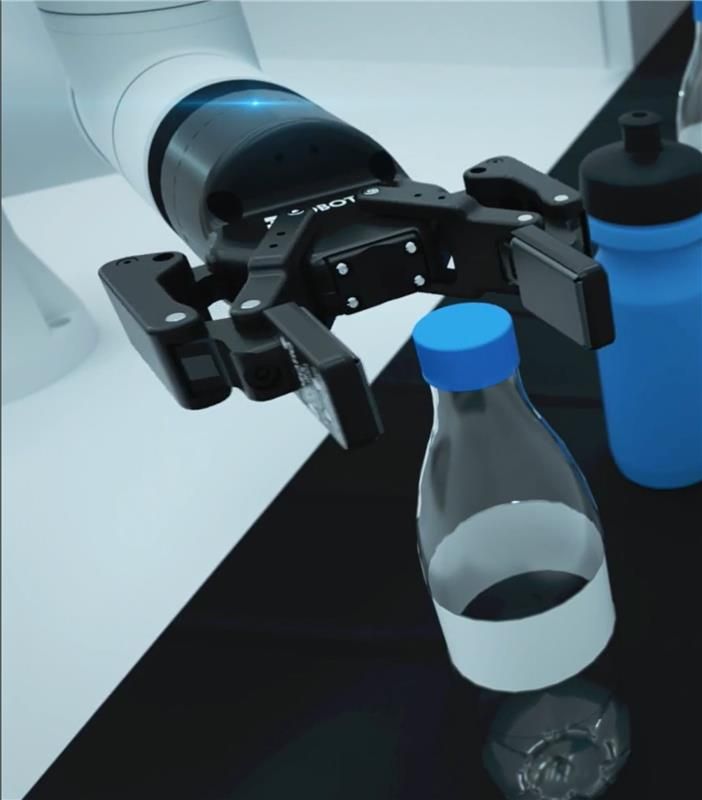
Cobots and humans may collaborate securely without the need for physical barriers because to their design. They are perfect for dynamic pharmaceutical situations because of their versatility and simplicity of programming.
Features:
– Payload Capacity: usually falls between 3 and 35 kg.
– Reach: The range of reach is 500 mm to 1,300 mm.
– Safety Features: Integrated sensors for force and speed monitoring are among the safety features.
– Programming: Easy-to-use interfaces for rapid implementation.
– Precision: ±0.01 mm repeatability.
Applications:
– Machine Tending: Loading and unloading machines with goods or raw materials is known as machine tending.
– Lab Automation: Lab automation is the process of carrying out repeated operations like centrifuging and pipetting.
– Inspection: Using delicate samples to help with quality control.
– Packaging: Palletizing and labeling pharmaceutical items is known as packaging.
Example:
– Universal Robots UR5e: This adaptable cobot is utilized in production lines for secondary packing and in labs for accurate sample handling.

Apart from these advantages, cobots may be used to improve the functionality of AI-based systems. Cobots using machine learning algorithms, for example, may gradually improve their processes and increase efficiency. By keeping thorough records of their activities, which can be examined during audits, they also play a critical part in guaranteeing compliance.
3. Cartesian Robots
Three linear axes (X, Y, Z) are used by cartesian robots, sometimes referred to as gantry robots. They are perfect for applications requiring straight-line motions because of their solid construction and great accuracy.
Features:
– Axes: 3 linear axes are included, with rotating axes available for further versatility.
– Payload Capacity: A few grams to several hundred kilos is the maximum payload capacity.
– Speed: Depending on the needs of the application, speed might range from moderate to high.
– Precision: Exceptionally high precision (at least ±0.005 mm).
– Workspace:Large, rectangular work envelopes serve as the workspace.
Applications:
– Dispensing: Syringes, capsules, and vials are automatically filled.
– Pick and Place: Carefully managing tiny parts.
– 3D printing: producing medication delivery and medical device prototypes.
– Inspection: Laser scanning for dimensional correctness and surface flaws.
Example:
The Cartesian Robot Series from IAI: These robots provide precise and sterile operations by filling vials and assembling syringes at fast speeds.
The scalability and simplicity of customization of cartesian robots make them especially desirable. For real-time monitoring and feedback, they are frequently connected with sophisticated control systems in pharmaceutical manufacturing . For regulatory compliance, this feature guarantees that manufacturing processes stay under strict tolerance thresholds. Furthermore, enterprises may extend their manufacturing lines without having to make large expenditures because to its modular architecture.
Cartesian robots are also capable of carrying heavy weights and work especially well in situations requiring stiffness and accuracy. For instance, these robots offer the consistency required to create parts with complex patterns in procedures like the 3D printing of medical implants.
4. SCARA Robots
Assembly for Selective Compliance In horizontal operations, Robot Arms (SCARA) are renowned for their accuracy and speed. They are perfect for cramped areas because of their small size.
Features:
– Axes: X, Y, Z, and rotation around the Z-axis are the four axes.
– Payload Capacity: usually falls between 1 and 20 kg.
– Speed: Up to 1,000 mm/s for high-speed operations.
– Precision: ±0.01 mm repeatability.
– Footprint: Small design for settings with limited space.
Applications:
– Assembling: The rapid assembling of medical components and equipment.
– Pick and Place: Sorting and arranging little things, such as blister packs and medicines, is known as “pick and place.”
– Inspection: Visual examination for flaws at high speed.
– Dispensing: Applying coatings or adhesives precisely.
Example:
– Epson LS20-B: This SCARA robot ensures accurate and reliable operations in blister packing and high-speed inspection.
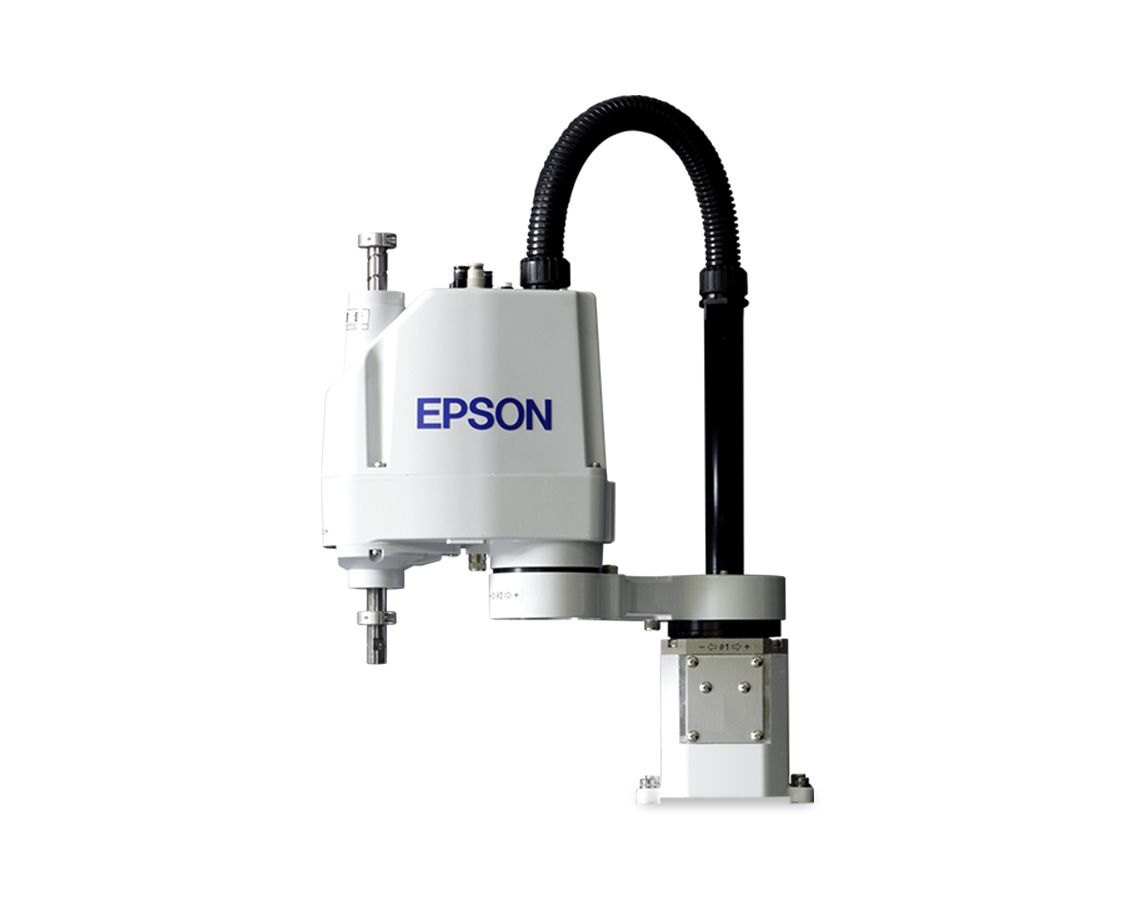
Additionally, Epson’s SCARA robots include characteristics like cleanroom compliance, which makes them appropriate for settings with low levels of contamination. In challenging production setups, these robots guarantee consistency, drastically increase throughput, and lower operational mistakes.
5. Delta Robots
Parallel robots, often referred to as delta robots, are made for pick-and-place tasks that need speed and portability. They can move quickly and precisely because of their special design.
Features:
– Axes: optional rotating axis and three translational axes.
– Payload Capacity: usually falls between 1 and 5 kg.
– Operation speed: very fast (up to 300 picks per minute).
– Precision: High repeatable precision (±0.02 mm).
– Design: Parallel-arm, lightweight construction.
Applications:
– Sorting: Sorting pills, capsules, or vials at a high pace.
– Packaging: Primary and secondary packing duties are included in packaging.
– Assembly: Lightweight medical equipment may be put together quickly.
– Inspection: Visual examination while working at a rapid speed.
Example:
Fanuc M-2iA: This delta robot ensures accuracy and efficiency in pharmaceutical manufacturing lines by excelling at high-speed sorting and packing jobs.
Delta robots work especially well in tasks that call for accuracy and speed. They are perfect for sorting and packaging jobs because of their lightweight construction, which enables quick acceleration and deceleration. These robots are frequently used in cleanroom settings in the pharmaceutical business, where their capacity to reduce contamination dangers is highly prized.
Delta robots are also commonly employed in situations where synchronization with conveyor systems is necessary. For example, these robots are capable of fast product identification and picking during blister pack packing, providing uninterrupted production lines.
Robotics’ Function in Regulatory Compliance
Strict regulatory frameworks, including ISO standards and Good Manufacturing Practices (GMP), regulate the production of pharmaceuticals. Robots are essential for maintaining compliance because they minimize human involvement, which lowers the possibility of mistakes and contamination. Modern robots with sensors and analytics give real-time data for manufacturing process monitoring, guaranteeing that each product satisfies the necessary requirements.
Conclusion
By establishing a transparent and incredibly effective production process, the combination of robotics and traceability technologies is transforming the pharmaceutical manufacturing industry. Businesses can increase operational reliability while meeting regulatory standards by using robots to ensure accuracy in material handling and sophisticated tracking systems to keep thorough records. In addition to building trust with consumers and government agencies, this degree of openness enhances a brand’s reputation in a market that is becoming more and more competitive. The pharmaceutical sector is making great strides toward safer, more compliant, and customer-centric production standards by incorporating robotics.