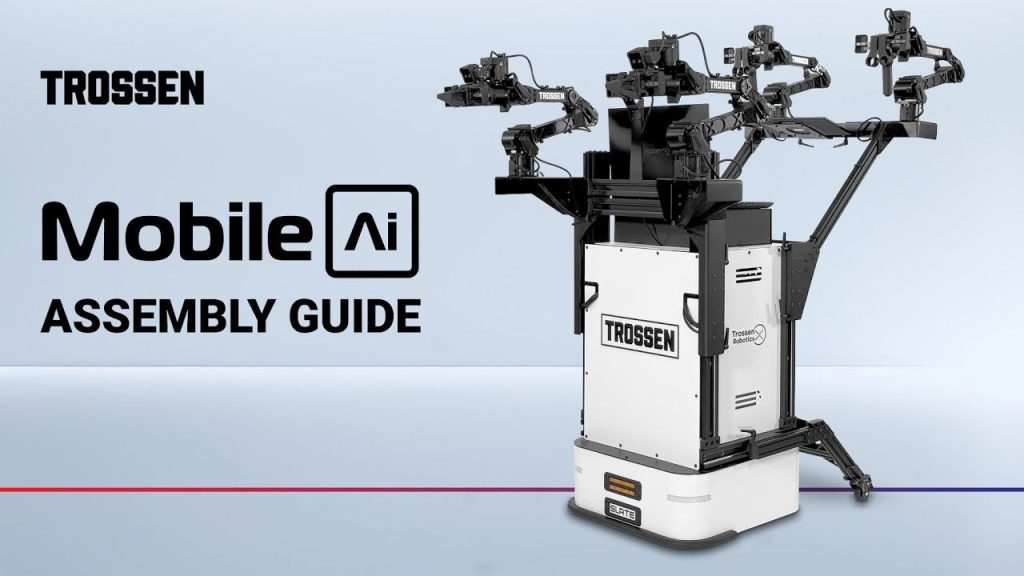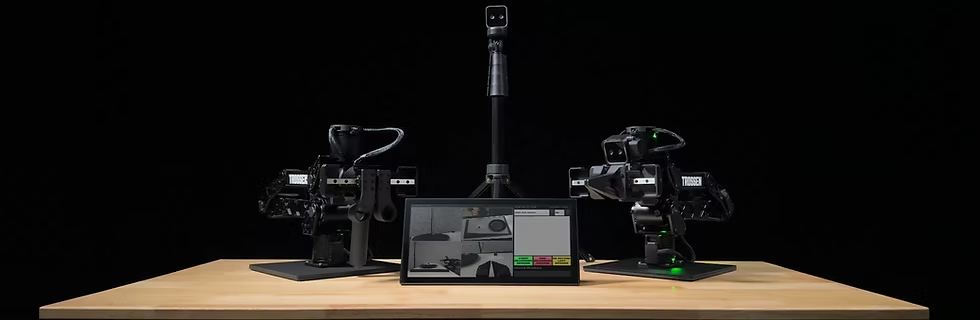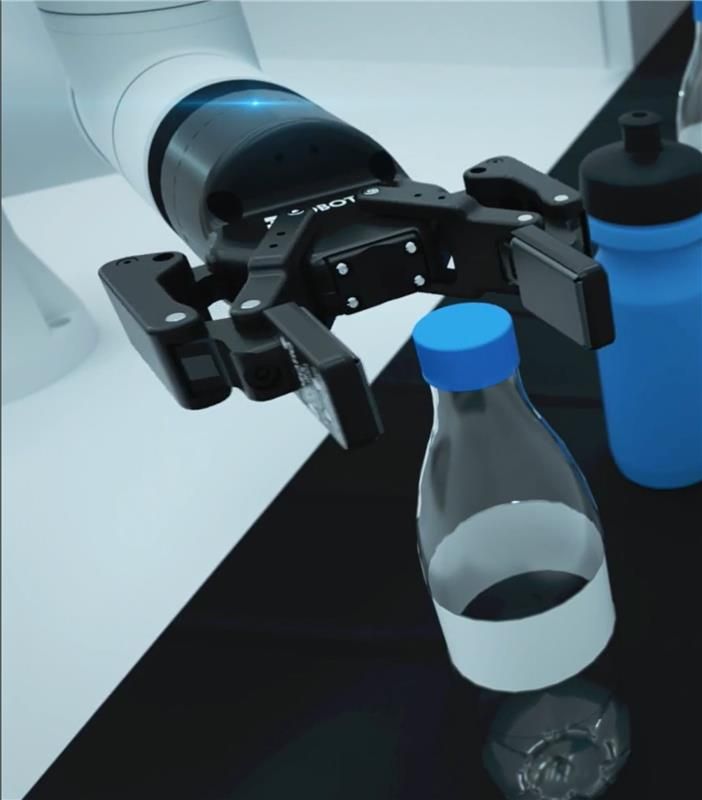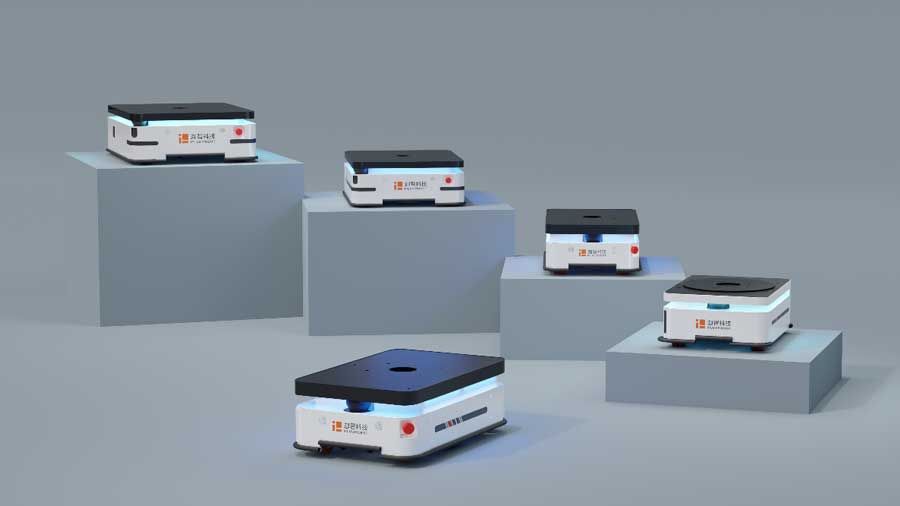


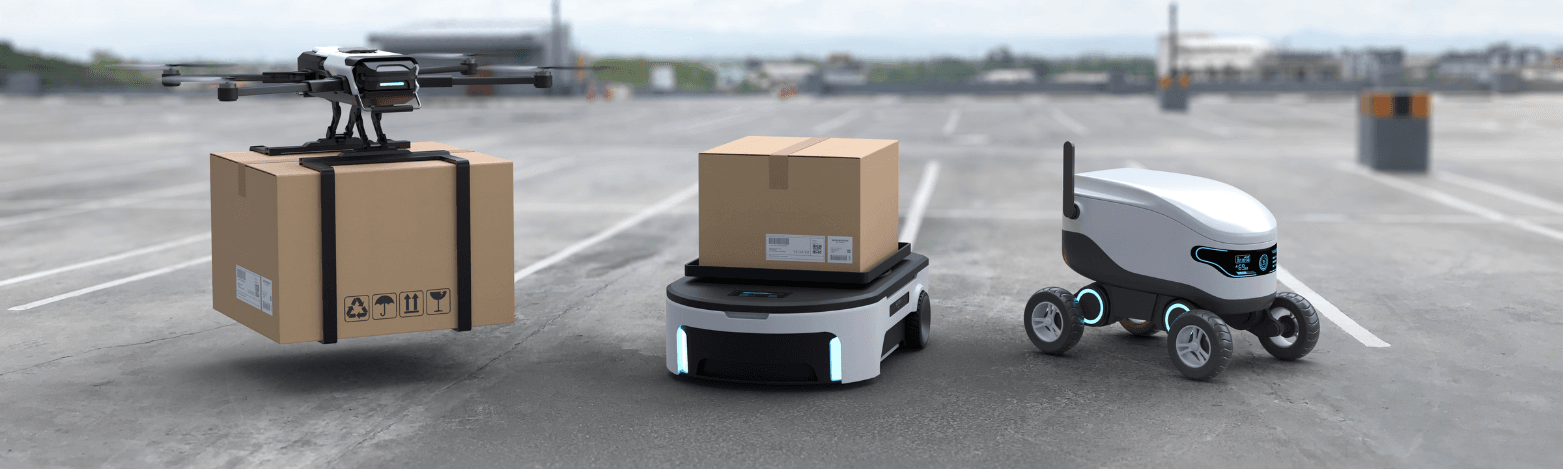

The initial implementation of AMRs typically involves the integration of mapping technology. Visual simultaneous localization and mapping (SLAM) technology enables AMRs to make navigation decisions based on real-time environmental data, facilitating seamless movement and operation within their designated areas.
Types of Autonomous Mobile Robots
Driven by the imperative to enhance distribution operations, the order fulfillment industry has embraced technologically advanced solutions. Traditional methods such as forklifts and manual picking processes are deemed insufficient in meeting the speed and efficiency expectations of modern customers. In response to this demand for automation, several innovations have emerged, leveraging computer-programmed robotic devices.
The initial wave of automation saw the introduction of automated guided vehicles (AGVs), which are programmed to navigate using tape, wires, reflectors, or similar guidance mechanisms. While AGVs have undoubtedly improved order fulfillment processes, they are constrained by their reliance on external guidance systems and lack the ability to adjust their paths when encountering obstacles.
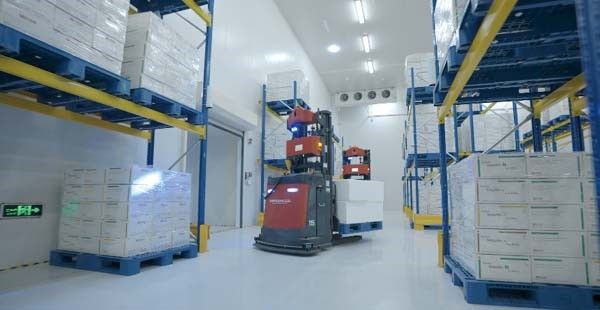
Inventory Transport
The integration of robotic inventory systems aims to streamline mundane tasks that consume valuable personnel time. Extensive research and development efforts have culminated in the implementation of robotic arms, conveyors, and quality checkers, significantly enhancing productivity and product quality. Traditionally, warehouse operations encompassed storing, picking, organizing, and loading products, tasks typically performed by manual labor alongside well-organized racking systems. However, advancements in technology have revealed more efficient methods that eliminate the need for manual intervention, with automated guided vehicles (AGVs) and autonomous mobile robots (AMRs) playing pivotal roles.
Zone Picking
In the realm of zone picking, an AMR navigates to the designated zone containing the desired item. A worker within that zone receives guidance from the AMR through augmented vision picklists or pick-to-light systems. Once the item is retrieved and loaded, the AMR proceeds to the next zone or directly to the shipping area. Furthermore, AMRs can be equipped with carts that facilitate seamless movement between zones, streamlining packing, processing, and shipping operations.
Sortation
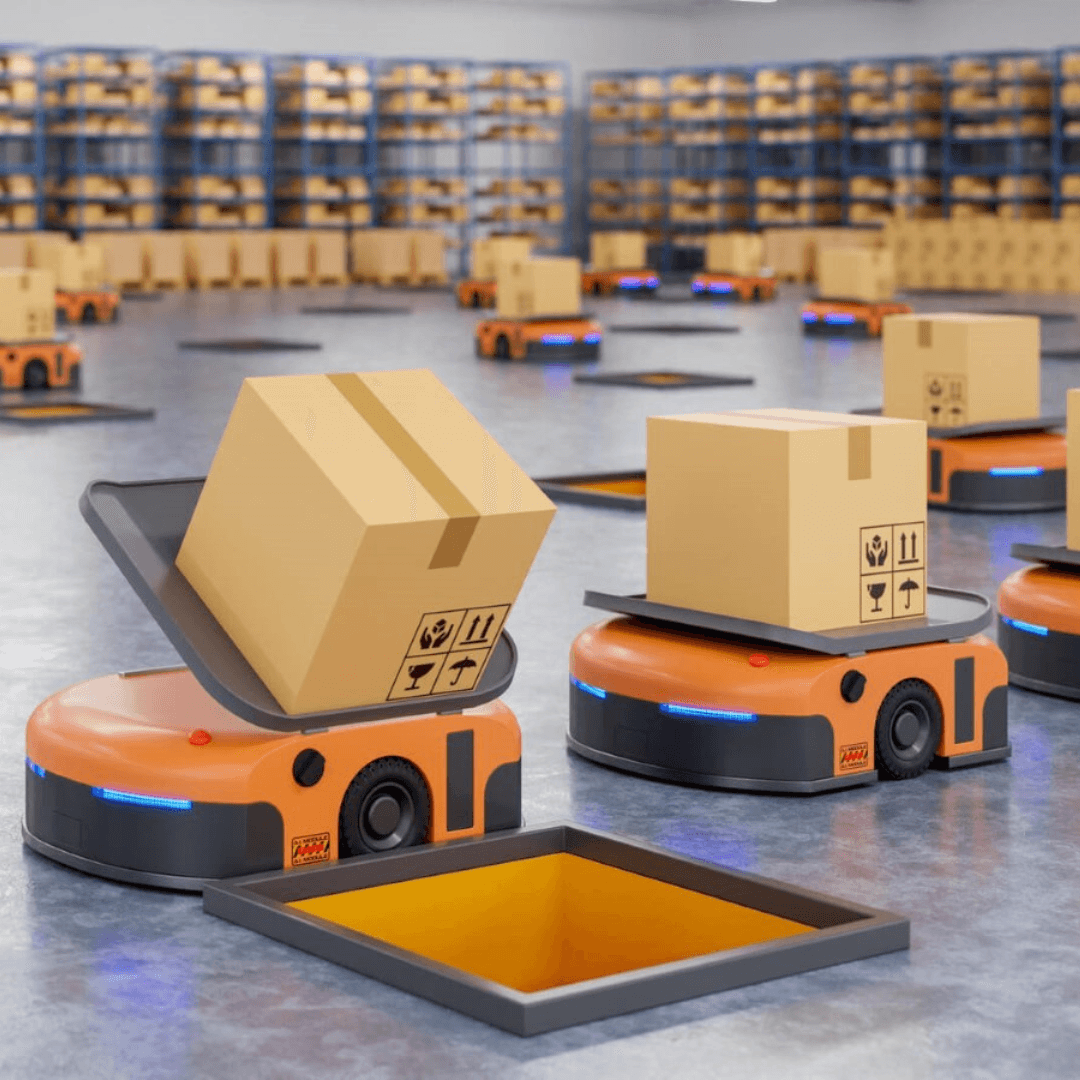
Autonomous mobile robots play a crucial role in sortation processes, leveraging various handling technologies to meet diverse requirements. Sortation encompasses a range of methods, including tilt trays, belt systems, and conveyor rollers, often involving a fleet of AMRs equipped with tilt trays. These collaborative robots collaborate with workers and chutes, facilitating order positioning and location within the sorting process.
Inventory
Management presents a significant challenge for manufacturing and distribution operations, necessitating accurate control of stock levels. Traditionally, inventory accuracy was maintained through periodic physical counts conducted every few months or annually. However, modern technological advancements have introduced inventory tracking AMRs, equipped with computer vision and analytics capabilities. These AMRs collect real-time data on shelf inventory, facilitating receiving, shelving, replenishment, and picking processes. With built-in checking methods, inventory scanning AMRs identify errors and irregularities, enabling proactive management of inventory cycle times to mitigate potential issues before they escalate.
Mobile Robot (Cobot)
Collaborative AMRs, or cobots , play a pivotal role in optimizing logistics and working alongside human workers to accomplish various tasks. Safety features are integral to collaborative AMRs, given their close interaction with humans. While traditional safety measures such as fences and barriers may be presumed necessary, a more nuanced approach involves the implementation of rigorously tested safety programming.
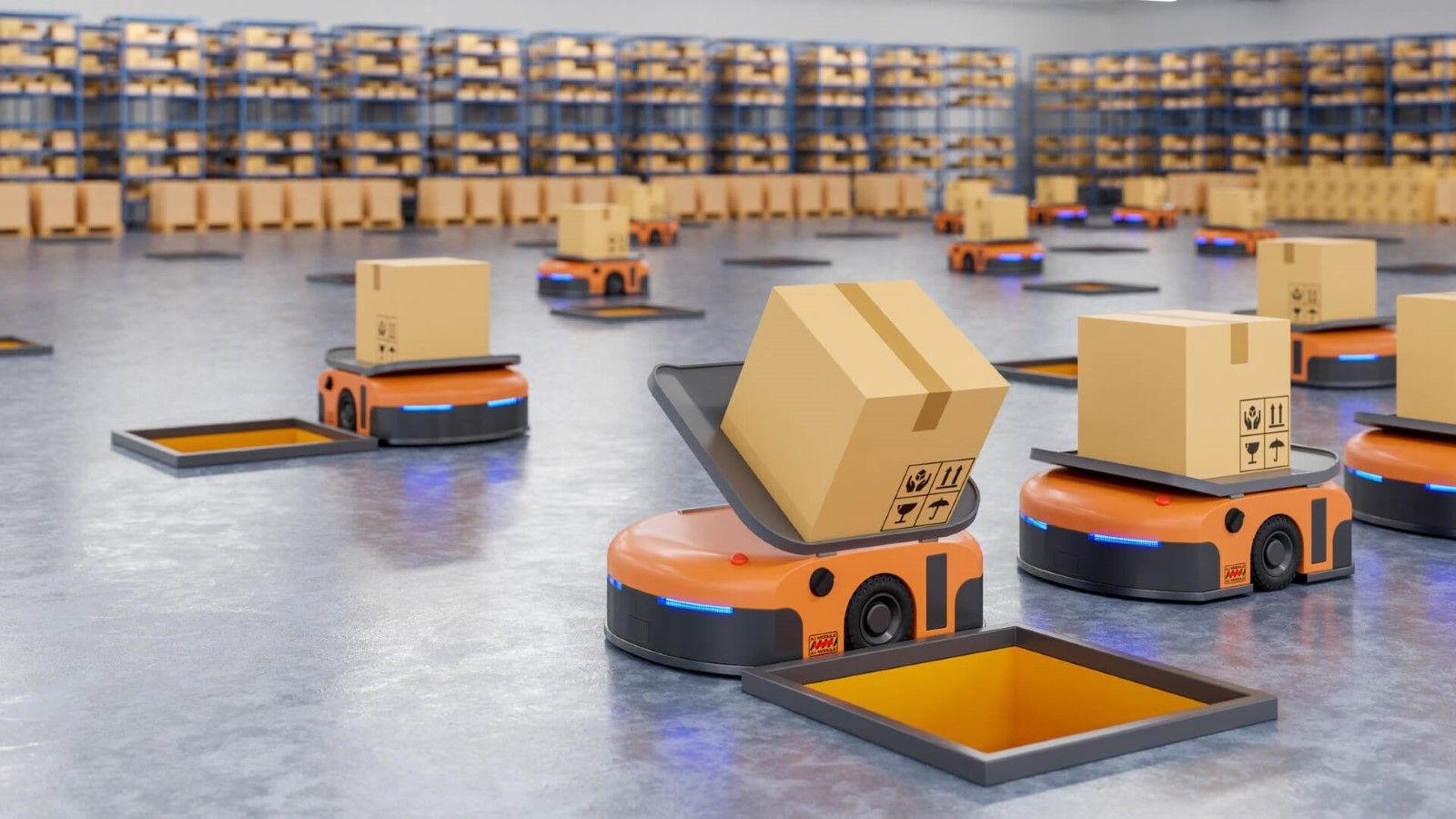
Storage Picking
Storage picking AMRs are highly adaptable and require specific environmental adjustments to operate effectively. The primary requirement for their utilization is the installation of specialized racking systems to which the AMRs are attached during the picking process. These AMRs are meticulously designed to navigate the racking structure while retrieving items from shelves.
Forklifts
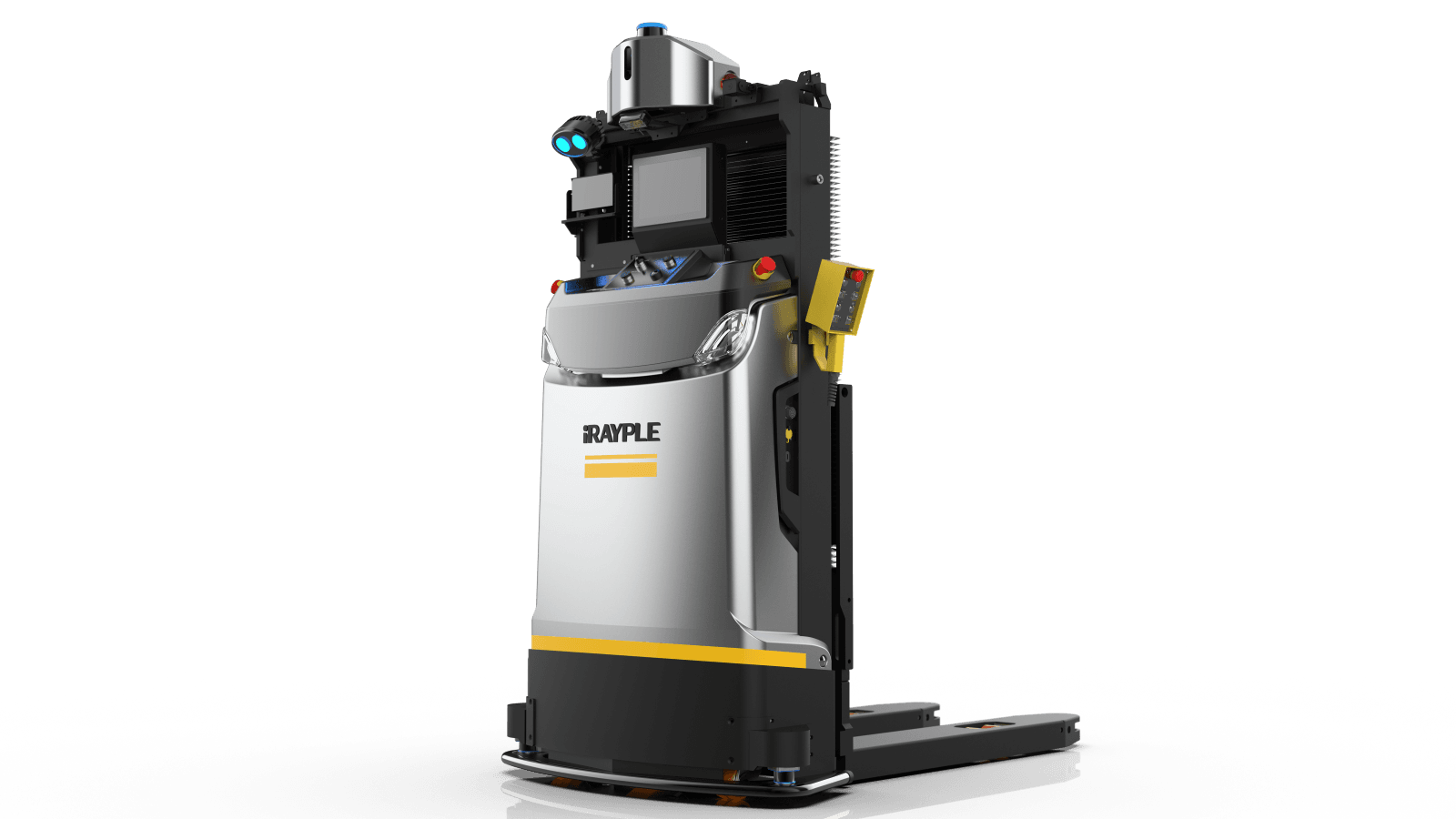
Autonomous mobile robot forklifts serve the same functions as operator-driven forklifts but with enhanced efficiency and flexibility, requiring minimal human intervention. Unlike traditional forklifts powered by propane or electric motors and operated by drivers, AMR forklifts have a compact footprint and operate silently, utilizing a sophisticated 3D detection mechanism.
How Autonomous Mobile Robots Work
Autonomous mobile robots (AMRs) represent sophisticated and intricate computer-controlled robotic vehicles capable of navigating their surroundings independently, without the aid of traditional guidance mechanisms like wires, reflectors, or tapes. Equipped with an array of sensors, artificial intelligence, machine learning algorithms, and advanced software, AMRs possess the capability to analyse their environment, detect obstacles or individuals, and adjust their path accordingly to fulfil assigned tasks.
Simultaneous Localization and Mapping (SLAM)
AMRs employ the Simultaneous Localization and Mapping (SLAM) technique to identify and map their surroundings, allowing them to perceive walls, fixtures, columns, and shelving within their environment. SLAM encompasses a set of algorithms utilized to navigate by simultaneously creating a map of the surroundings and determining the robot’s position.
Pose Graph Optimization (PGO)
Pose Graph Optimization (PGO) is a technique utilized to refine the poses, which denote the positions and orientations, of a robot or camera. Its objective is to minimize pose errors by considering their interrelationships and constraints. A pose graph comprises nodes representing poses and edges representing spatial constraints derived from odometry and loop closures.
Mapping
The initial phase of deploying an AMR involves utilizing Simultaneous Localization and Mapping (SLAM) to enable the robot to map its surroundings. Guided by an operator using a joystick, the AMR traverses its workspace while its scanners detect walls, equipment, machinery, and stationary objects, which are then mapped by SLAM. This process entails a comprehensive exploration of the workspace to generate a complete map, with SLAM typically requiring only one tour for mapping efficiency.
Localization
Mapping serves as the foundation for localization, enabling the AMR to determine its position based on its surroundings. Upon activation, the AMR’s primary task is to identify its location, achieved through cameras , sensors, LiDAR, and sometimes GPS. The localization process involves analyzing camera images, estimating distances, matching frames to tracked features, verifying against the map, adding new features, and pinpointing the AMR’s position.
Visual SLAM
Visual SLAM employs cameras and sensors to provide visual insights into the environment, ranging from single cameras to compound eye cameras and RGB-D cameras. Complex algorithms like PTAM and ORB-SLAM are used for feature point matching, with methods such as DTAM, LSD-SLAM, DSO, and SVO leveraging image brightness for navigation.
LiDAR SLAM
LiDAR utilizes laser sensors for precise distance measurements, ideal for high-speed AMRs like self-driving cars. Point cloud matching, facilitated by algorithms like Iterative Closest Point (ICP) and Normal Distributions (NDT), enables precise localization. Fusion with wheel odometry, global navigation satellite systems, and IMU data enhances LiDAR’s effectiveness in obstacle-rich environments. However, LiDAR may require supplementary assistance in workspaces with few obstacles or significant inter-obstacle distances.
Advantages of Autonomous Mobile Robots (AMRs)
The primary objective of the AMR industry is to support customers by delivering solutions that enhance employee efficiency in tasks such as picking, locating, and moving products and inventory. AMRs offer several advantages that contribute to operational excellence and productivity, ultimately benefiting businesses in various ways.
1. Enhanced Operational Efficiency
AMRs play a crucial role in enhancing operational efficiency and streamlining workflow by minimizing the need for manual intervention. Equipped with advanced warehouse routing systems, they reduce material handling and transportation, consequently lowering energy consumption and reducing an organization’s carbon footprint. Moreover, AMRs operate continuously, eliminating downtime and ensuring productivity around the clock without requiring breaks or rest periods.
2. Precision and Error Reduction
Each task performed by an AMR is executed with precision, ensuring consistency and eliminating human errors. By monitoring production in real-time, AMRs identify bottlenecks, inefficiencies, and process errors, allowing management to make timely corrections and address potential issues. This proactive approach enhances operational efficiency and minimizes disruptions in the workflow.
3. Improved Inventory Visibility
AMRs contribute to enhanced inventory visibility through automated inventory tracking and data collection. Utilizing sophisticated sensors, cameras, and barcode scanners, they conduct inventory audits and provide real-time updates on stock levels and locations with remarkable accuracy. This increased visibility enables businesses to maintain optimal inventory levels, preventing stockouts or overstock situations and their associated costs.
4. Data-Driven Decision Making
The data collected by AMRs empowers businesses to gain insights into inventory usage patterns, identify trends, and prepare for changes in the supply chain. By analyzing AMR data, organizations can streamline order processing, improve efficiency, and optimize resource allocation. This data-driven approach to decision-making facilitates cost-effective operations and enhances overall productivity.
5. Handling Heavy-Duty Tasks
AMRs play a pivotal role in alleviating employees from heavy-duty tasks that are physically demanding, time-consuming, and potentially hazardous. By handling tasks such as moving large and bulky items, AMRs contribute to a safer work environment, reducing the risk of injuries and allowing employees to focus on more critical functions such as quality control and order processing.
The utilization of AMRs results in an improvement in the skill level of the workforce, as employees have more time to enhance their skills and develop practical solutions to everyday challenges. Furthermore, AMRs positively impact employee morale and attitude by involving them in strategic planning, training, and programming for AMRs. As employees become more knowledgeable about AMRs, they are better equipped to adapt to technological innovations and organizational changes, fostering a culture of continuous improvement and innovation.
7. Optimizes Order Fulfillment
Order fulfillment and collection often represent time-consuming tasks within operations. However, the integration of AMRs dramatically enhances this process, leading to quicker and more precise order processing. AMRs are adept at picking, packaging, and shipping orders efficiently, thereby reducing the time required to prepare each order.
7. The Future Landscape
The trajectory of manufacturing, warehousing, and retail operations unmistakably revolves around the utilization of autonomous mobile robots. Regardless of industry or company size, it’s imperative for organizations to grasp the fundamentals of AMR functionality and their potential to enhance standard operations. Over the past decade, businesses have witnessed a significant shift in operations and methodologies due to various technological advancements. This trend is expected to intensify as we progress toward the mid-century mark, with operations lacking AMR integration at risk of falling behind.