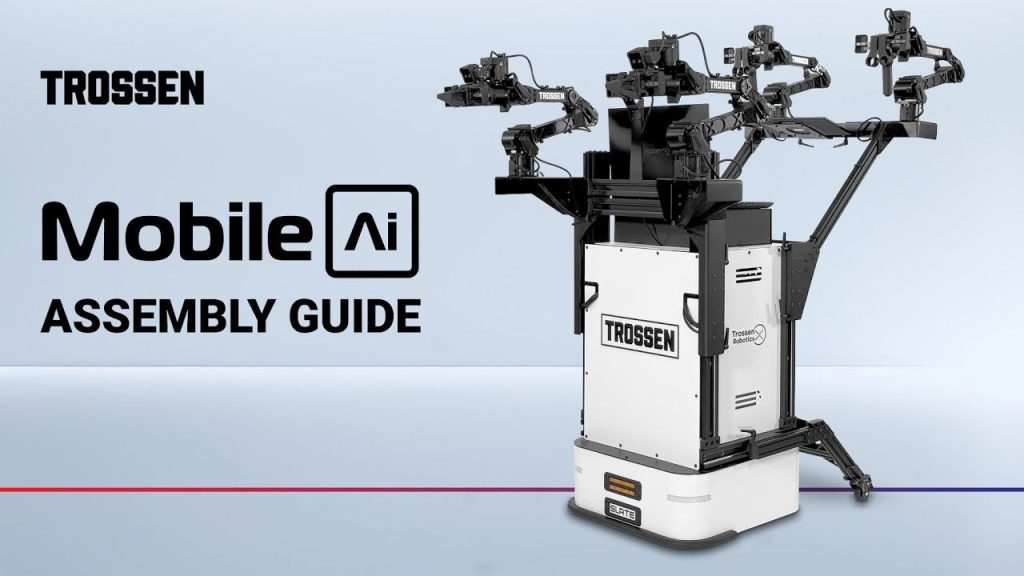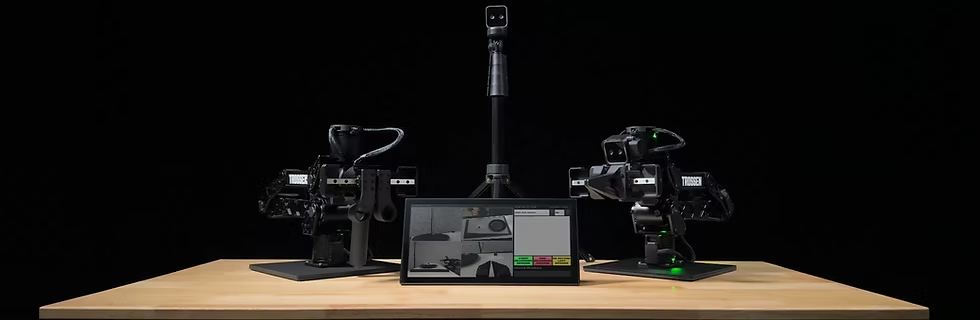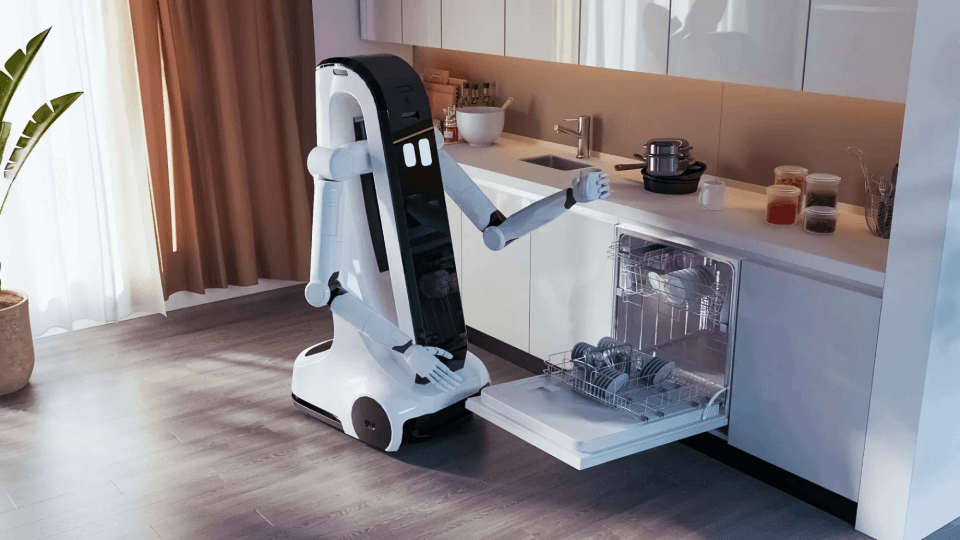


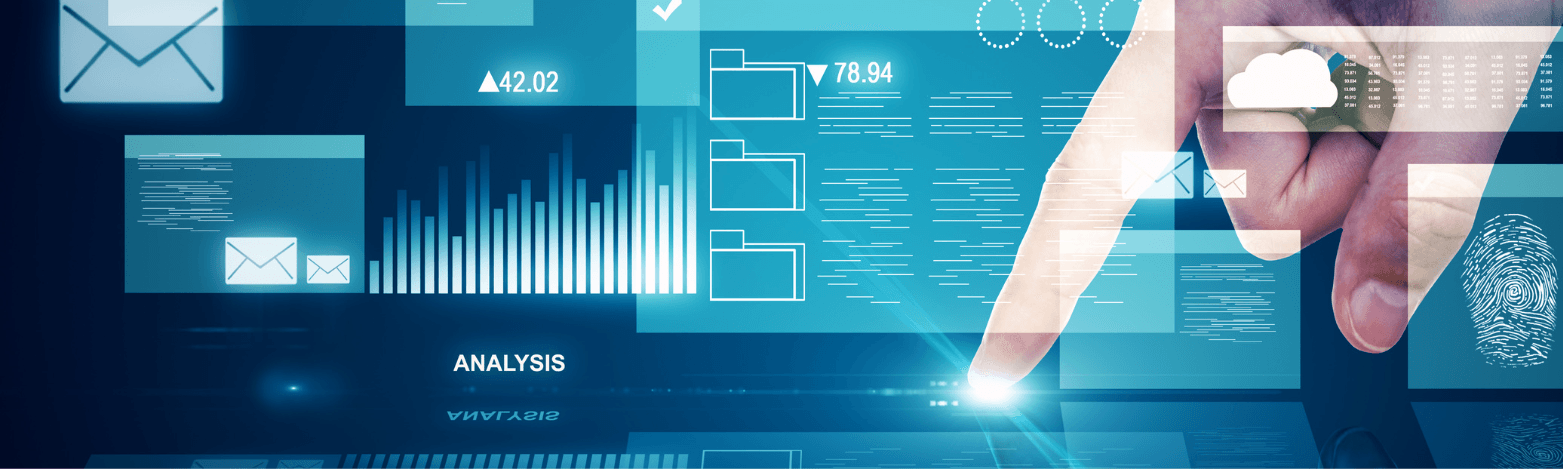
HMI, or Human-Machine Interface, acts as a crucial communication bridge between humans and machines. It’s essentially a user interface, like a screen or control panel, that allows people to interact with, monitor, and control machines.
Imagine HMIs as the translator between human operators and complex machinery. They display information from the machine in an understandable format, allowing operators to monitor its status, make adjustments, and even send commands to control its operation. This interaction is crucial for various tasks in different industries, such as monitoring production lines, adjusting machine settings, and troubleshooting problems. HMIs play a key role in optimizing industrial processes by providing a user-friendly way for humans to interact with complex systems.
Importance of HMI in modern technology
In the era of ever-growing automation and sophisticated technology, HMI (Human-Machine Interface) has become an indispensable element for several key reasons:
1. Bridging the Gap: As technology advances at an exponential rate, the complexity of machinery and systems often outpaces our natural ability to understand and control them directly. HMIs act as a crucial bridge, translating complex data and processes into a user-friendly format that humans can easily comprehend and interact with. This allows us to effectively leverage the power of technology without getting overwhelmed by its intricacies.
2. Enhanced Efficiency and Productivity: HMIs streamline human interaction with machines by facilitating real-time monitoring, control, and data visualization. Operators can quickly access critical information, make informed decisions, and adjust settings as needed, leading to faster response times, fewer errors, and ultimately, increased productivity.
3. Improved Safety: In industries with potentially hazardous environments, HMIs play a vital role in ensuring operator safety. By displaying clear warnings, alarms, and safety protocols, HMIs empower operators to identify and address potential hazards promptly, minimizing the risk of accidents and injuries.
4. Optimized Decision-Making: HMIs go beyond simply displaying data; they often provide advanced functionalities like data analysis, trend visualization, and reporting. This allows operators to gain deeper insights into machine performance and system behavior, enabling them to make data-driven decisions for process optimization, maintenance scheduling, and resource allocation.
5. Adaptability and Scalability: Modern HMIs are designed to be flexible and adaptable to different needs and applications. They can be easily customized to suit specific user interfaces, control functions, and data visualization requirements. This adaptability allows HMIs to be seamlessly integrated into diverse technological environments, ensuring their scalability across various industries and applications.

HMIs are not just user interfaces; they are powerful tools that empower humans to effectively interact with and leverage the full potential of modern technology. Their importance lies in bridging the gap between human and machine capabilities, ensuring safety, optimizing processes, and ultimately shaping the future of human-machine collaboration.
Historical evolution of HMI
HMI, or Human-Machine Interface, refers to the communication pathway that enables interaction between humans and machines. It encompasses the hardware and software components that allow users to monitor, control, and gather information from various technologies. Think of it as the control center for human interaction with machines, providing a user-friendly and intuitive way to bridge the gap between human understanding and machine functionality.
The journey of HMI, from simple beginnings to the sophisticated interfaces of today, is a fascinating story of human ingenuity and technological advancement.

– Early Encounters (Pre-20th Century):
The Roots: Our connection with HMIs can be traced back to the very dawn of tool usage. Levers, pulleys, and other simple tools served as the first rudimentary interfaces, allowing humans to indirectly manipulate their environment.
– Industrial Revolution and Early Automation (19th – Early 20th Century):
Punch Cards and Early Programming: The Industrial Revolution saw the birth of punch cards, the precursors of modern programming. These cards, with holes punched in specific patterns, instructed machines to perform pre-defined tasks, marking a significant step towards more complex interactions.
– The Rise of Graphical Interfaces (Mid-20th Century):
Moving Beyond Text: While early computers relied solely on text-based interfaces accessed through keyboards, a revolutionary shift came with the development of GUIs (Graphical User Interfaces) in the mid-20th century. These user-friendly interfaces, featuring icons, menus, and windows, significantly improved the ease of interaction with machines.
– Personal Computers and the Information Age (Late 20th Century):
The PC Revolution: The widespread adoption of personal computers (PCs) in the late 20th century further propelled HMI development. These PCs, equipped with graphical interfaces and pointing devices like the mouse, provided a more intuitive and interactive way for humans to engage with technology.
– Touchscreens and the Mobile Revolution (Late 20th Century – Early 21st Century):
The Touch Revolution: The emergence of touchscreens in the late 20th century and their subsequent dominance in the mobile revolution of the early 21st century fundamentally transformed how we interact with technology. Touchscreens offered a natural and intuitive way to interact with devices, paving the way for a new generation of user-friendly interfaces.
– Advanced HMIs in the Modern Era (21st Century):
Beyond Basic Displays: Today, HMIs continue to evolve rapidly, incorporating advanced features like voice recognition, gesture control, augmented reality, and artificial intelligence. These advancements aim to create even more seamless, intuitive, and personalized experiences for users, blurring the lines between humans and machines and shaping the future of human-machine collaboration.
The ongoing evolution of HMI reflects our continuous pursuit of simplifying and optimizing our interactions with technology. As technology continues to advance, we can expect even more innovative and intuitive HMI developments in the years to come.
Importance of HMI in various industries
The significance of HMI (Human-Machine Interface) transcends specific industries; it’s a critical component across various sectors, each benefiting from its unique capabilities:
Manufacturing:
– Production Optimization: HMIs empower operators to monitor production lines in real-time, visualize data trends, and make adjustments for efficiency and quality control. This can involve controlling machinery, adjusting settings, and identifying potential issues before they escalate.
– Enhanced Safety: HMIs play a crucial role in ensuring operator safety by displaying clear warnings, alarms, and safety protocols. This allows for prompt identification and response to potential hazards, minimizing the risk of accidents and injuries, especially in environments with heavy machinery.
Healthcare:
– Improved Patient Care: HMIs facilitate real-time patient data visualization for medical professionals, enabling them to monitor vital signs, track treatment progress, and make informed decisions regarding patient care. This can involve accessing electronic medical records, controlling medical equipment, and displaying crucial information for diagnosis and treatment.
– Streamlined Workflow: HMIs can automate administrative tasks and provide user-friendly interfaces for hospital staff, streamlining workflow and improving overall efficiency. This can involve managing patient appointments, scheduling procedures, and accessing relevant information quickly.
Transportation:
– Enhanced Safety and Control: HMIs play a vital role in ensuring safety in transportation by providing pilots, drivers, and operators with critical information about their vehicles and surroundings. This can involve displaying navigation data, engine performance metrics, and warnings for potential hazards.
– Improved Efficiency and User Experience: HMIs can contribute to improved efficiency in transportation by streamlining communication and providing intuitive interfaces for control systems. This can involve controlling traffic flow, managing logistics, and offering passengers information and entertainment options.
Energy and Utilities:
– Efficient Resource Management: HMIs enable operators to monitor and control energy production and distribution in real-time. This allows for optimized resource utilization, reduced waste, and improved energy efficiency. This can involve controlling power grids, monitoring environmental conditions, and managing energy consumption.
– Enhanced Reliability and Safety: HMIs play a crucial role in ensuring the reliability and safety of energy and utility systems. This involves displaying critical data about system status, identifying potential issues, and facilitating timely interventions to prevent disruptions.
These are just a few examples, and the applications of HMI extend to virtually any industry that relies on complex machinery, data analysis, or human-machine interaction. As technology continues to evolve, HMI will undoubtedly play an even more prominent role in shaping the future of various industries and our overall interaction with technology.
Components of HMI
An effective HMI system is built upon a foundation of three key components:
1. Hardware Components:
Input devices: These allow users to interact with the system and provide commands. Examples include:
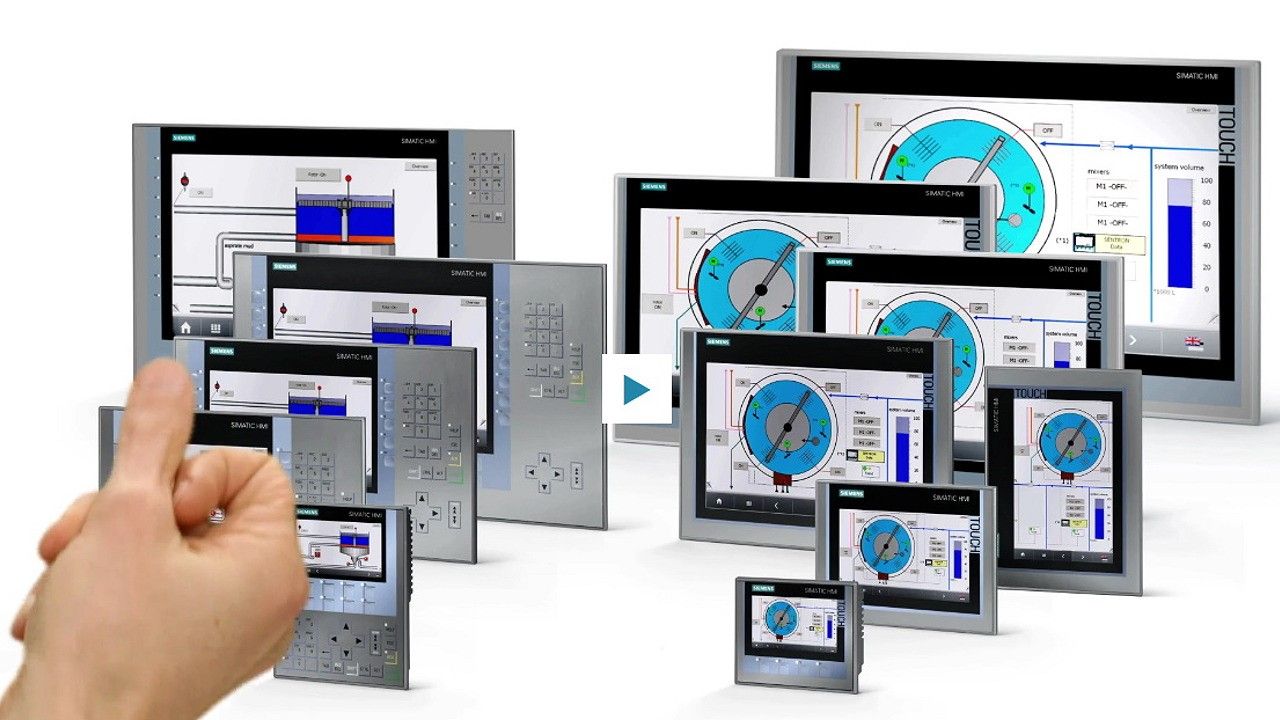
– Touchscreens: Offer an intuitive and user-friendly way to interact with the system.
– Keyboards: Ideal for entering text and specific commands.
– Joysticks and buttons: Used for precise control and quick actions in specific applications.
– Sensors: Collect data from the machine or environment, providing real-time information.
Output devices: These display information to the user and provide feedback on their interactions. Examples include:
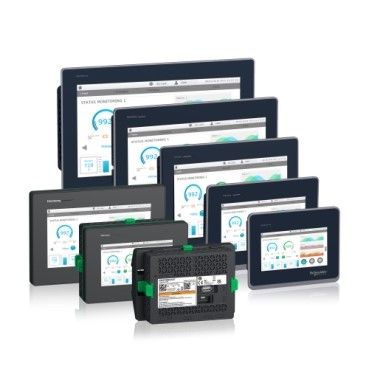
– Displays: Can be touchscreens, LCD monitors, or LED panels depending on the application.
– Indicators: Lights, alarms, and audible signals provide quick visual or auditory feedback.
– Printers: Print data or reports for documentation purposes.
Processing unit: This is the brain of the HMI, responsible for processing user input, controlling output devices, and communicating with the machine. It can be a dedicated HMI controller, a personal computer, or embedded within the machine itself.
2. Software Components:
Operating system: Provides the core functionality for the HMI, managing hardware resources, and running HMI software applications.
HMI software: This application-specific software allows users to interact with the machine through the HMI. It includes features like:
– Data visualization: Presents information in a clear and intuitive format, such as charts, graphs, and gauges.
– Alarm management: Alerts operators to potential issues and allows them to acknowledge and respond.
– Trending and historical data analysis: Enables users to identify patterns and trends in machine performance over time.
– Configuration and control functions: Allows users to adjust machine settings and control its operation.
3. User Interface Design Principles:
Simplicity and clarity: The interface should be easy to understand and navigate, even for users with limited technical expertise.
Consistency: Consistent use of fonts, colors, and layout across the HMI creates a familiar and user-friendly experience.
Feedback: The HMI should provide clear and timely feedback to user actions, confirming their input and displaying the results.
Error handling: The HMI should handle errors gracefully, providing clear instructions on how to resolve the issue.
Customization: The HMI may offer some level of customization to cater to individual user preferences or specific tasks.
By effectively combining these hardware, software, and design principles, HMIs can create a seamless and intuitive bridge between humans and machines, fostering efficient interaction and optimized performance across various industries.
Applications of HMI
Here are the applications of HMI in various industries:
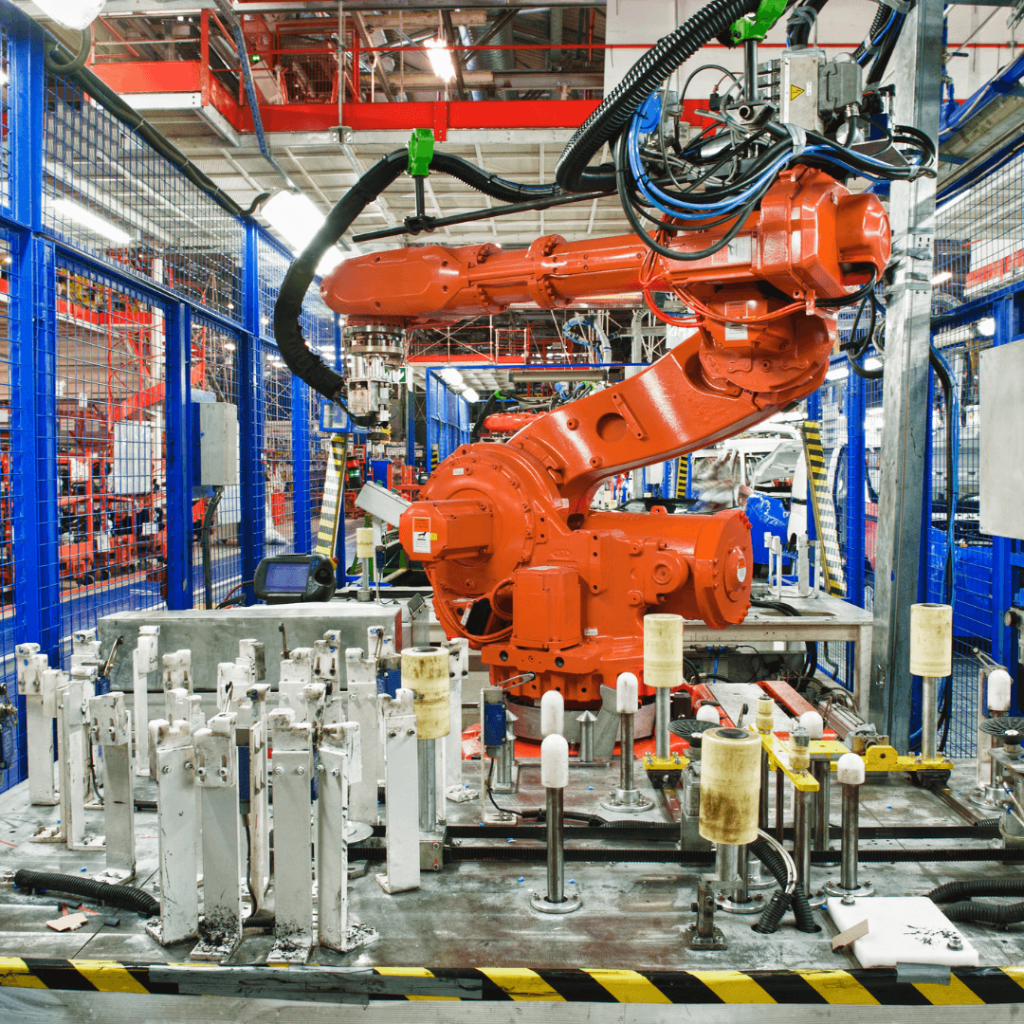
Industrial Automation: HMIs are widely used in industrial automation to monitor and control various processes, such as production lines, robots, and power plants. They provide operators with a clear view of real-time data, allowing them to make informed decisions and ensure efficient operation.

Automotive Industry: In the automotive industry, HMIs are integrated into vehicles as in-car entertainment systems and instrument clusters. They allow drivers to control audio, navigation, and climate control systems, as well as access information

Consumer Electronics: Consumer electronics such as smartphones, tablets, and smart TVs also utilize HMIs. These interfaces allow users to interact with the devices through touchscreens, voice commands, and gestures.

Healthcare Sector: In the healthcare sector, HMIs are used in medical devices like MRI machines, ultrasound scanners, and patient monitoring systems. They allow medical professionals to view patient data, control equipment settings, and make diagnoses.

Smart Home Technology: Smart home technology also relies on HMIs. These interfaces allow users to control smart devices such as thermostats, lights, and security systems through smartphones, tablets, or voice assistants.

Gaming Industry: The gaming industry utilizes HMIs in the form of game controllers and virtual reality headsets. These interfaces allow players to interact with games in a more immersive and interactive way.

Technologies Behind HMI
The evolution of HMI is driven by continuous advancements in various technologies, each offering unique advantages for user interaction:
1. Touchscreen Technology: Touchscreens, offering an intuitive and direct manipulation experience, have become the dominant HMI technology in many applications, including consumer electronics and industrial automation systems.

2. Gesture Recognition: Gesture recognition technology captures and interprets human body movements and gestures as input commands. This allows for a more natural and interactive way to interact with HMIs, particularly in gaming and smart home applications.
3. Voice Control: Voice control systems allow users to interact with HMIs through spoken commands and natural language. This hands-free interaction offers accessibility and convenience, especially in situations where physical input is limited, like in-car systems or smart homes.
4. Augmented Reality (AR) and Virtual Reality (VR): AR and VR technologies are transforming HMI by creating immersive and interactive experiences. AR overlays digital information onto the real world, while VR immerses users in a completely simulated environment. These technologies hold immense potential for training, product visualization, and remote maintenance applications.
5. Artificial Intelligence (AI) Integration: AI integration is revolutionizing HMI by enabling intelligent features like predictive maintenance, personalized recommendations, and context-aware interactions. AI can analyze user behavior, preferences, and real-time data to provide a more adaptive and user-centric experience.
These technologies, individually and in combination, are shaping the future of HMI, fostering more natural, intuitive, and personalized interactions between humans and machines across various domains.
HMI has established itself as a cornerstone of human-machine interaction, and its potential continues to grow. By embracing these advancements responsibly and ethically, we can leverage the power of HMI to create a more efficient, safe, and fulfilling future for all.

HMI, or Human-Machine Interface, acts as a crucial communication bridge between humans and machines. It’s essentially a user interface, like a screen or control panel, that allows people to interact with, monitor, and control machines.
Imagine HMIs as the translator between human operators and complex machinery. They display information from the machine in an understandable format, allowing operators to monitor its status, make adjustments, and even send commands to control its operation. This interaction is crucial for various tasks in different industries, such as monitoring production lines, adjusting machine settings, and troubleshooting problems. HMIs play a key role in optimizing industrial processes by providing a user-friendly way for humans to interact with complex systems.
Importance of HMI in modern technology
In the era of ever-growing automation and sophisticated technology, HMI (Human-Machine Interface) has become an indispensable element for several key reasons:
1. Bridging the Gap: As technology advances at an exponential rate, the complexity of machinery and systems often outpaces our natural ability to understand and control them directly. HMIs act as a crucial bridge, translating complex data and processes into a user-friendly format that humans can easily comprehend and interact with. This allows us to effectively leverage the power of technology without getting overwhelmed by its intricacies.
2. Enhanced Efficiency and Productivity: HMIs streamline human interaction with machines by facilitating real-time monitoring, control, and data visualization. Operators can quickly access critical information, make informed decisions, and adjust settings as needed, leading to faster response times, fewer errors, and ultimately, increased productivity.
3. Improved Safety: In industries with potentially hazardous environments, HMIs play a vital role in ensuring operator safety. By displaying clear warnings, alarms, and safety protocols, HMIs empower operators to identify and address potential hazards promptly, minimizing the risk of accidents and injuries.
4. Optimized Decision-Making: HMIs go beyond simply displaying data; they often provide advanced functionalities like data analysis, trend visualization, and reporting. This allows operators to gain deeper insights into machine performance and system behavior, enabling them to make data-driven decisions for process optimization, maintenance scheduling, and resource allocation.
5. Adaptability and Scalability: Modern HMIs are designed to be flexible and adaptable to different needs and applications. They can be easily customized to suit specific user interfaces, control functions, and data visualization requirements. This adaptability allows HMIs to be seamlessly integrated into diverse technological environments, ensuring their scalability across various industries and applications.
HMIs are not just user interfaces; they are powerful tools that empower humans to effectively interact with and leverage the full potential of modern technology. Their importance lies in bridging the gap between human and machine capabilities, ensuring safety, optimizing processes, and ultimately shaping the future of human-machine collaboration.
Historical evolution of HMI
HMI, or Human-Machine Interface, refers to the communication pathway that enables interaction between humans and machines. It encompasses the hardware and software components that allow users to monitor, control, and gather information from various technologies. Think of it as the control center for human interaction with machines, providing a user-friendly and intuitive way to bridge the gap between human understanding and machine functionality.
The journey of HMI, from simple beginnings to the sophisticated interfaces of today, is a fascinating story of human ingenuity and technological advancement.
– Early Encounters (Pre-20th Century):
The Roots: Our connection with HMIs can be traced back to the very dawn of tool usage. Levers, pulleys, and other simple tools served as the first rudimentary interfaces, allowing humans to indirectly manipulate their environment.
– Industrial Revolution and Early Automation (19th – Early 20th Century):
Punch Cards and Early Programming:
The Industrial Revolution saw the birth of punch cards, the precursors of modern programming. These cards, with holes punched in specific patterns, instructed machines to perform pre-defined tasks, marking a significant step towards more complex interactions.
– The Rise of Graphical Interfaces (Mid-20th Century):
Moving Beyond Text: While early computers relied solely on text-based interfaces accessed through keyboards, a revolutionary shift came with the development of GUIs (Graphical User Interfaces) in the mid-20th century. These user-friendly interfaces, featuring icons, menus, and windows, significantly improved the ease of interaction with machines.
– Personal Computers and the Information Age (Late 20th Century):
The PC Revolution: The widespread adoption of personal computers (PCs) in the late 20th century further propelled HMI development. These PCs, equipped with graphical interfaces and pointing devices like the mouse, provided a more intuitive and interactive way for humans to engage with technology.
– Touchscreens and the Mobile Revolution (Late 20th Century – Early 21st Century):
The Touch Revolution: The emergence of touchscreens in the late 20th century and their subsequent dominance in the mobile revolution of the early 21st century fundamentally transformed how we interact with technology. Touchscreens offered a natural and intuitive way to interact with devices, paving the way for a new generation of user-friendly interfaces.
– Advanced HMIs in the Modern Era (21st Century):
Beyond Basic Displays: Today, HMIs continue to evolve rapidly, incorporating advanced features like voice recognition, gesture control, augmented reality, and artificial intelligence. These advancements aim to create even more seamless, intuitive, and personalized experiences for users, blurring the lines between humans and machines and shaping the future of human-machine collaboration.
The ongoing evolution of HMI reflects our continuous pursuit of simplifying and optimizing our interactions with technology. As technology continues to advance, we can expect even more innovative and intuitive HMI developments in the years to come.
Importance of HMI in various industries
The significance of HMI (Human-Machine Interface) transcends specific industries; it’s a critical component across various sectors, each benefiting from its unique capabilities:
Manufacturing:
– Production Optimization: HMIs empower operators to monitor production lines in real-time, visualize data trends, and make adjustments for efficiency and quality control. This can involve controlling machinery, adjusting settings, and identifying potential issues before they escalate.
– Enhanced Safety: HMIs play a crucial role in ensuring operator safety by displaying clear warnings, alarms, and safety protocols. This allows for prompt identification and response to potential hazards, minimizing the risk of accidents and injuries, especially in environments with heavy machinery.
Healthcare:
– Improved Patient Care: HMIs facilitate real-time patient data visualization for medical professionals, enabling them to monitor vital signs, track treatment progress, and make informed decisions regarding patient care. This can involve accessing electronic medical records, controlling medical equipment, and displaying crucial information for diagnosis and treatment.
– Streamlined Workflow: HMIs can automate administrative tasks and provide user-friendly interfaces for hospital staff, streamlining workflow and improving overall efficiency. This can involve managing patient appointments, scheduling procedures, and accessing relevant information quickly.
Transportation:
– Enhanced Safety and Control: HMIs play a vital role in ensuring safety in transportation by providing pilots, drivers, and operators with critical information about their vehicles and surroundings. This can involve displaying navigation data, engine performance metrics, and warnings for potential hazards.
– Improved Efficiency and User Experience: HMIs can contribute to improved efficiency in transportation by streamlining communication and providing intuitive interfaces for control systems. This can involve controlling traffic flow, managing logistics, and offering passengers information and entertainment options.
Energy and Utilities:
– Efficient Resource Management: HMIs enable operators to monitor and control energy production and distribution in real-time. This allows for optimized resource utilization, reduced waste, and improved energy efficiency. This can involve controlling power grids, monitoring environmental conditions, and managing energy consumption.
– Enhanced Reliability and Safety: HMIs play a crucial role in ensuring the reliability and safety of energy and utility systems. This involves displaying critical data about system status, identifying potential issues, and facilitating timely interventions to prevent disruptions.
These are just a few examples, and the applications of HMI extend to virtually any industry that relies on complex machinery, data analysis, or human-machine interaction. As technology continues to evolve, HMI will undoubtedly play an even more prominent role in shaping the future of various industries and our overall interaction with technology.
Components of HMI
An effective HMI system is built upon a foundation of three key components:
1. Hardware Components:
Input devices: These allow users to interact with the system and provide commands. Examples include:
– Touchscreens: Offer an intuitive and user-friendly way to interact with the system.
– Keyboards: Ideal for entering text and specific commands.
– Joysticks and buttons: Used for precise control and quick actions in specific applications.
– Sensors: Collect data from the machine or environment, providing real-time information.
Output devices: These display information to the user and provide feedback on their interactions. Examples include:
– Displays: Can be touchscreens, LCD monitors, or LED panels depending on the application.
– Indicators: Lights, alarms, and audible signals provide quick visual or auditory feedback.
– Printers: Print data or reports for documentation purposes.
Processing unit: This is the brain of the HMI, responsible for processing user input, controlling output devices, and communicating with the machine. It can be a dedicated HMI controller, a personal computer, or embedded within the machine itself.
2. Software Components:
Operating system: Provides the core functionality for the HMI, managing hardware resources, and running HMI software applications.
HMI software: This application-specific software allows users to interact with the machine through the HMI. It includes features like:
– Data visualization: Presents information in a clear and intuitive format, such as charts, graphs, and gauges.
– Alarm management: Alerts operators to potential issues and allows them to acknowledge and respond.
– Trending and historical data analysis: Enables users to identify patterns and trends in machine performance over time.
– Configuration and control functions: Allows users to adjust machine settings and control its operation.
3. User Interface Design Principles:
Simplicity and clarity: The interface should be easy to understand and navigate, even for users with limited technical expertise.
Consistency: Consistent use of fonts, colors, and layout across the HMI creates a familiar and user-friendly experience.
Feedback: The HMI should provide clear and timely feedback to user actions, confirming their input and displaying the results.
Error handling: The HMI should handle errors gracefully, providing clear instructions on how to resolve the issue.
Customization: The HMI may offer some level of customization to cater to individual user preferences or specific tasks.
By effectively combining these hardware, software, and design principles, HMIs can create a seamless and intuitive bridge between humans and machines, fostering efficient interaction and optimized performance across various industries.
Applications of HMI
Here are the applications of HMI in various industries:
Industrial Automation: HMIs are widely used in industrial automation to monitor and control various processes, such as production lines,robots, and power plants. They provide operators with a clear view of real-time data, allowing them to make informed decisions and ensure efficient operation.
Automotive Industry: In the automotive industry, HMIs are integrated into vehicles as in-car entertainment systems and instrument clusters. They allow drivers to control audio, navigation, and climate control systems, as well as access information
Consumer Electronics: Consumer electronics such as smartphones, tablets, and smart TVs also utilize HMIs. These interfaces allow users to interact with the devices through touchscreens, voice commands, and gestures.
Healthcare Sector: In the healthcare sector, HMIs are used in medical devices like MRI machines, ultrasound scanners, and patient monitoring systems. They allow medical professionals to view patient data, control equipment settings, and make diagnoses.
Smart Home Technology: Smart home technology also relies on HMIs. These interfaces allow users to control smart devices such as thermostats, lights, and security systems through smartphones, tablets, or voice assistants.
Gaming Industry: The gaming industry utilizes HMIs in the form of game controllers and virtual reality headsets. These interfaces allow players to interact with games in a more immersive and interactive way.
Technologies Behind HMI
The evolution of HMI is driven by continuous advancements in various technologies, each offering unique advantages for user interaction:
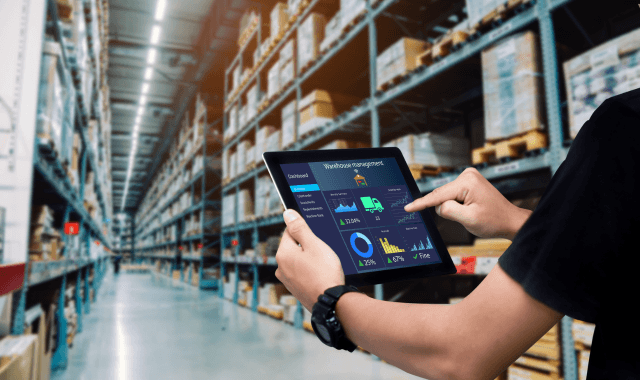
1. Touchscreen Technology: Touchscreens, offering an intuitive and direct manipulation experience, have become the dominant HMI technology in many applications, including consumer electronics and industrial automation systems.
2. Gesture Recognition: Gesture recognition technology captures and interprets human body movements and gestures as input commands. This allows for a more natural and interactive way to interact with HMIs, particularly in gaming and smart home applications.
3. Voice Control: Voice control systems allow users to interact with HMIs through spoken commands and natural language. This hands-free interaction offers accessibility and convenience, especially in situations where physical input is limited, like in-car systems or smart homes.
4. Augmented Reality (AR) and Virtual Reality (VR): AR and VR technologies are transforming HMI by creating immersive and interactive experiences. AR overlays digital information onto the real world, while VR immerses users in a completely simulated environment. These technologies hold immense potential for training, product visualization, and remote maintenance applications.
5. Artificial Intelligence (AI) Integration: AI integration is revolutionizing HMI by enabling intelligent features like predictive maintenance, personalized recommendations, and context-aware interactions. AI can analyze user behavior, preferences, and real-time data to provide a more adaptive and user-centric experience.
These technologies, individually and in combination, are shaping the future of HMI, fostering more natural, intuitive, and personalized interactions between humans and machines across various domains.
HMI has established itself as a cornerstone of human-machine interaction, and its potential continues to grow. By embracing these advancements responsibly and ethically, we can leverage the power of HMI to create a more efficient, safe, and fulfilling future for all.