

Robotiq Wrist Camera Overview
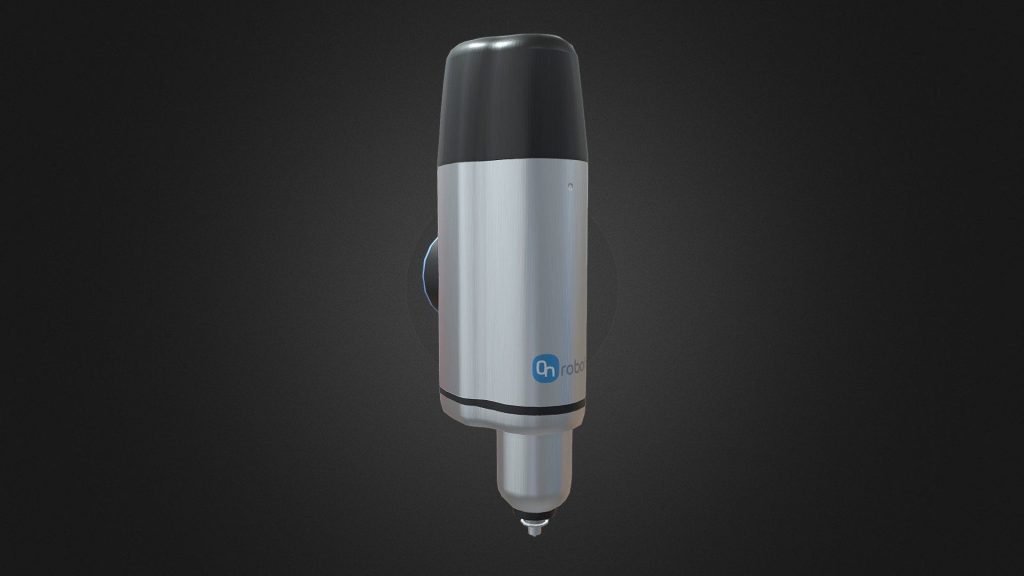
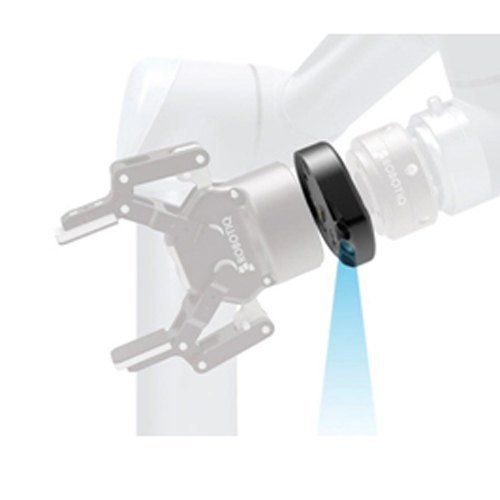
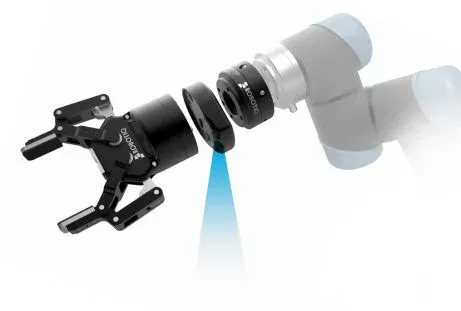
A small, high-resolution camera called the Robotiq Wrist Camera attaches directly to a robot’s wrist to provide it real-time vision. Robots can recognize parts, locate them in 2D space, and carry out intricate inspection duties thanks to the camera. Because of its special placement, the robot’s “eyes” have direct visual access to its workspace, enabling it to carry out activities that were previously only possible with human operators. Even operators with little technical expertise may easily deploy the Wrist Camera thanks to its smooth integration with Universal Robots’ UR-series cobots and its array of intuitive software tools.
Key Features of the Robotiq Wrist Camera
Seamless Integration with Collaborative Robots br>
Because it was created especially for Universal Robots, the Robotiq Wrist Camera ensures seamless and quick integration. Users may quickly and simply connect the camera to their UR robot without requiring any wiring or hardware changes thanks to a straightforward plug-and-play setup. Additionally, the camera is pre-calibrated for Universal Robots, which saves a great deal of setup time and eliminates the need for intricate changes.
High-Resolution Pictures for Precise Identification
The robot’s capacity to precisely identify and locate parts is improved by the Wrist Camera’s high-resolution sensor , which takes detailed pictures. Applications requiring precision, including quality inspection or the assembly of microscopic parts, depend heavily on this degree of detail. The camera is adaptable enough for a variety of activities because of its sophisticated optics, which allow it to identify parts of different sizes, shapes, and materials.
Adaptability for Dynamic Environments
The Wrist Camera can easily adjust to new surroundings. It is perfect for applications where parts might not always be in the same place or orientation since it can adapt to changes in lighting and part positioning. In high-mix manufacturing settings where various parts are regularly handled, the system’s integrated algorithms enable it to identify and find parts regardless of orientation, offering flexibility.
Integrated with Robotiq’s Hand-E Gripper for Enhanced Performance
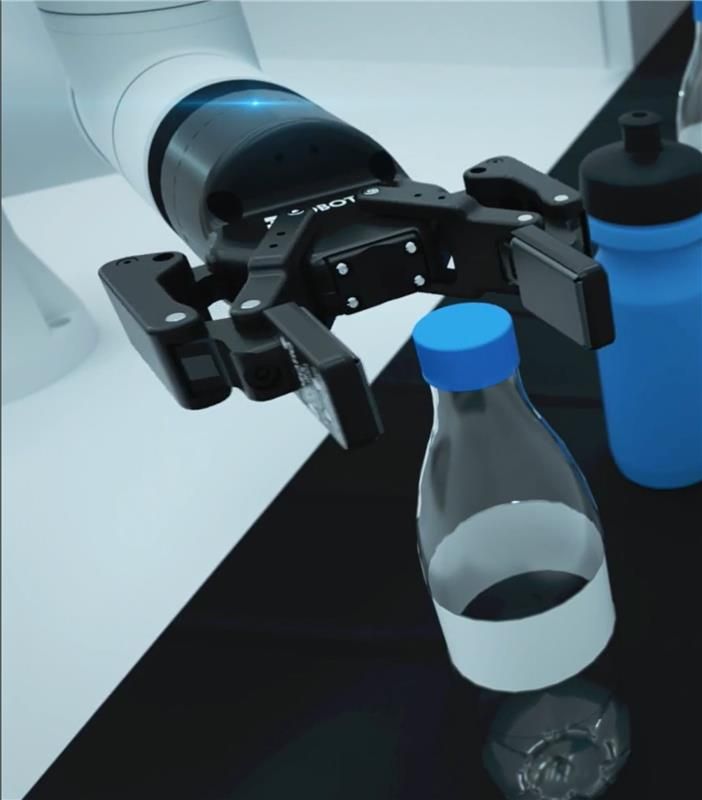
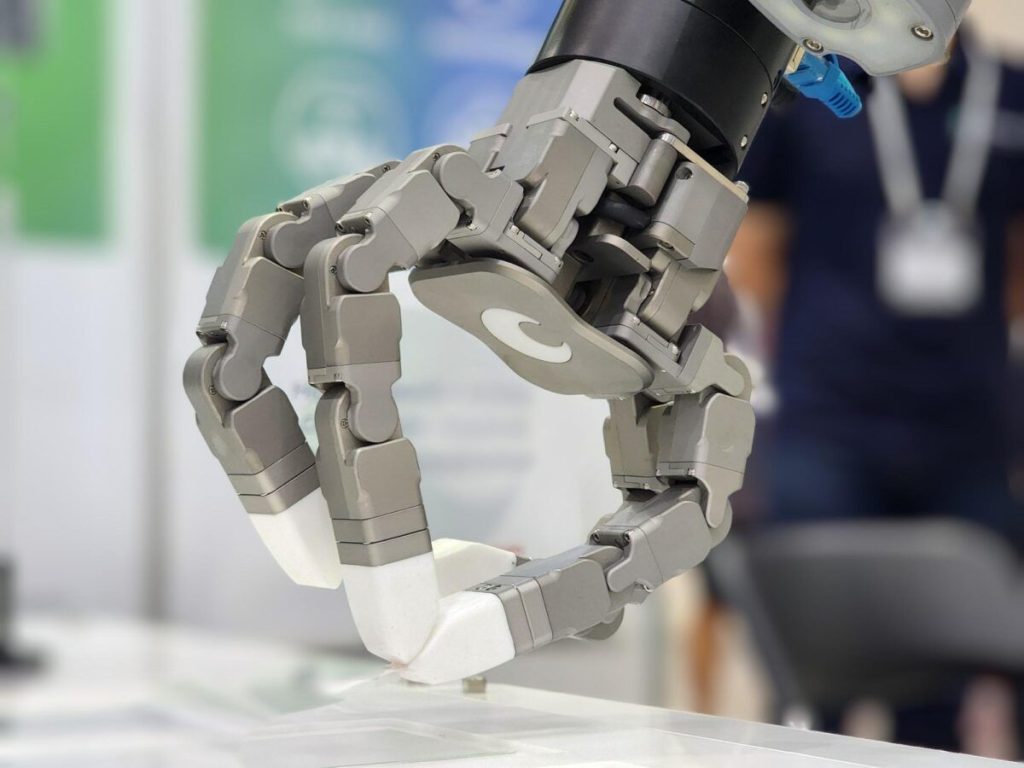
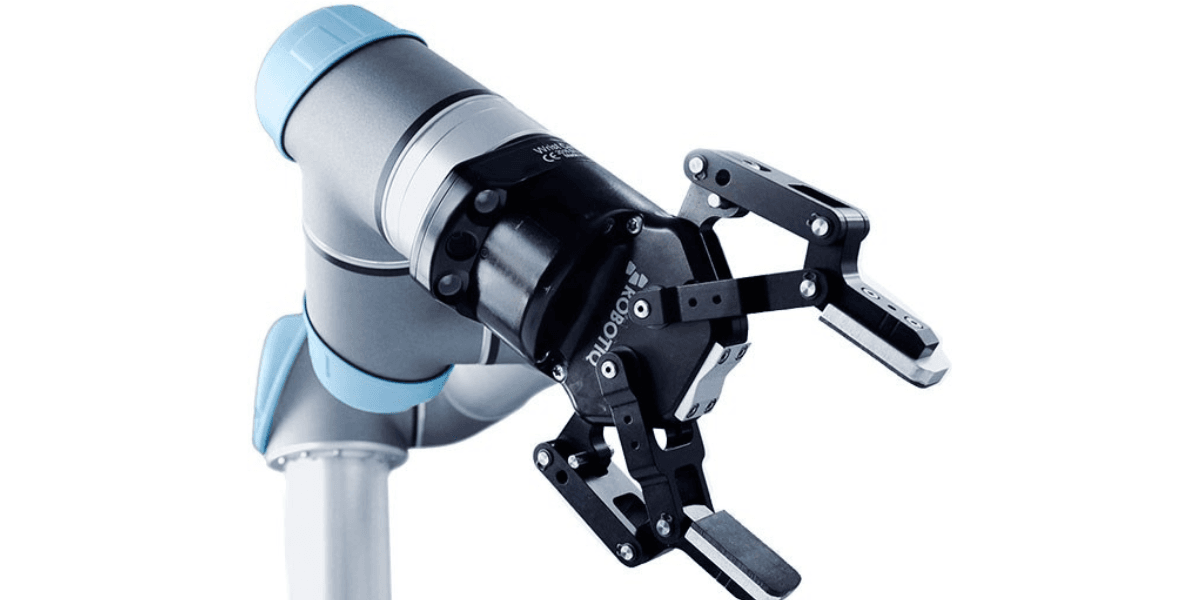
Robotiq’s grippers, especially the Hand-E adaptive gripper, are compatible with the wrist camera. Robots can now carry out increasingly intricate pick-and-place tasks with maximum accuracy thanks to this connection. Robots can handle a wide range of objects, including delicate or irregularly shaped parts, thanks to the combination of the Hand-E gripper’s dexterity and the visual feedback provided by the camera.
Automated Part Identification and Adjustment
Even in unstructured surroundings, the camera can recognize objects thanks to its automatic part identification feature. The technology minimizes the time required for human calibration and adjustment by automatically calibrating the robot’s movements to precisely interface with the part after it has detected it.
Improved Capabilities for Quality Control
The Wrist Camera can recognize objects and do quality control checks by looking for flaws or irregularities in the photos it takes. This eliminates the need for additional inspection equipment while enhancing product quality and uniformity by allowing robots to perform quality checks on parts in real-time.
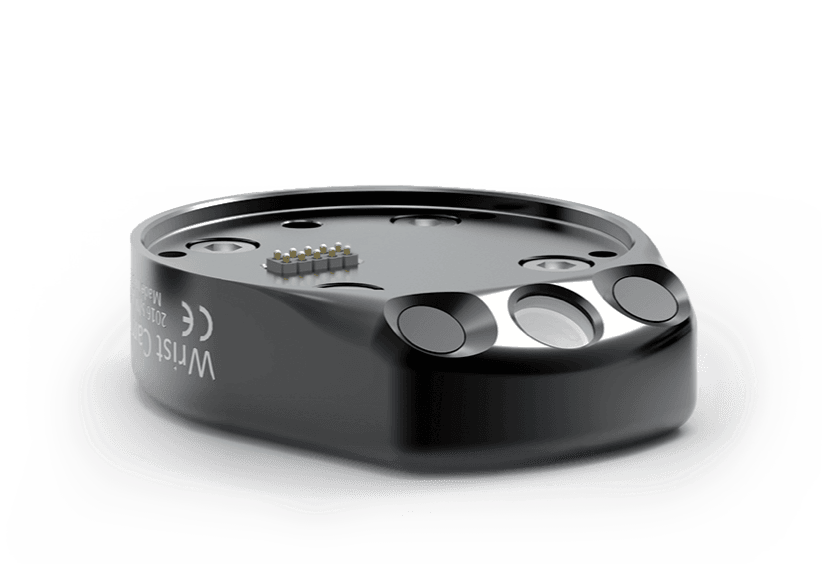
The Robotiq Wrist Camera’s accuracy and adaptability make it appropriate for a variety of uses in numerous industries. Here are a few typical applications:
The Pick-and-Place Process
Even when goods are arranged haphazardly on a conveyor or in a bin, robots can precisely locate and retrieve them thanks to the Wrist Camera in pick-and-place activities. The 2D vision capabilities of the camera allow for the recognition of part orientation and placement, facilitating accurate and quick pick-and-place operations. Small-parts production, electronics assembly, and packaging all benefit greatly from this.
Tasks For Assembly
Robots can accurately detect and place parts for assembly applications thanks to the wrist camera, which guarantees exact fit and alignment. The robot’s actions are guided by part properties that the camera can identify, which lowers assembly errors and increases product consistency. In sectors like electronics and the automobile industry, where precise assembly is crucial, this is crucial.
Inspection of Quality
By taking pictures of components and looking for flaws, the Robotiq Wrist Camera can conduct quality control checks in real time. The camera can identify problems like dents, scratches, and misalignments by examining visual clues like size, shape, and color. This enhances quality control and lowers waste by allowing producers to find and reject faulty parts before they are used in the finished product.
Kitting and Sorting
The Wrist Camera allows robots to differentiate between various parts based on visual criteria in sorting and kitting applications. The camera enables the robot to precisely sort goods by identifying variances in parts, which enhances warehouse management and guarantees proper kitting for assembly lines.
Machine Maintenance
By assisting robots in loading and unloading parts from machines, the wrist camera helps them perform duties related to equipment maintenance. By ensuring that every component is orientated and positioned appropriately, the camera lowers the possibility of misalignment that could harm components or equipment. Injection molding, CNC machining, and other automated production procedures benefit from this.
Advantages of the Robotiq Wrist Camera
Increased Adaptability and Flexibility
Robots can adjust to changes in the production environment, including changing locations or different parts, thanks to the wrist camera. For low-volume, high-mix production when flexibility is essential, this adaptability is perfect.
Decreased Requirement for Fixed Fixtures and Tool
There is less need for fixed tooling or jigs thanks to the Wrist Camera’s vision-based object recognition. The robot can “see” the part and dynamically change its location thanks to the camera, which speeds up setup and boosts productivity.
Increased Accuracy and Productivity
Robots can do jobs more quickly and precisely thanks to the camera, which lowers errors and increases throughput. Businesses can increase overall efficiency by allocating human operators to more complicated operations by automating repetitive visual tasks.
Simple to Set Up and Requires Little Training
Operators with little technological expertise may easily set up and operate the Wrist Camera thanks to its plug-and-play interaction with UR cobots and user-friendly UI. By streamlining the robot’s object recognition training process, the Vision Teaching software saves setup time and enables businesses to deploy automation more quickly.
Savings on Quality Control and Inspection
Businesses can eliminate the need for additional inspection stations or equipment by using the Wrist Camera to conduct quality checks in real-time. This streamlines the production process by increasing efficiency and reducing inspection expenses.
Limited 2D Vision Capability
The accuracy of the wrist camera may be limited for applications requiring depth awareness because it is a 2D vision system. Although it works well for planar item orientation and recognition, it might not be able to handle applications like 3D bin selection that require exact 3D placement or sophisticated spatial comprehension.
Sensitivity to Lighting
The Wrist Camera may be sensitive to lighting conditions, just like many other vision systems. The camera’s capacity to precisely detect and identify objects may be impacted by changes in the surrounding light, reflections, or shadows. Controlled lighting conditions might be necessary for best results, which would complicate setup.
Limitations on Compatibility
The Wrist Camera may not work with every robot brand, despite its smooth integration with Universal Robots For businesses that employ a range of robotic platforms and require a vision system that functions with various robot models, this could be a drawback.
Limitations in Performance for High-Speed Applications
The processing speed of the wrist camera could be a drawback for applications that call for quick object handling and detection. Even though it works effectively for routine industrial tasks, efficiency may be impacted by exceptionally quick pick-and-place operations that surpass its processing capacity.
Dependency on the Position of Flat Objects
Since the Wrist Camera is primarily intended for 2D recognition, it performs best when items are placed on a flat surface. Its usefulness may be limited to intricate bin-picking situations by objects with uneven heights or overlapping sections.
A strong, intuitive vision system, the Robotiq Wrist Camera adds versatility, accuracy, and flexibility to collaborative robot applications. The Wrist Camera improves automation capabilities with its smooth integration, high-resolution images, and user-friendly software, making it a great option for activities like quality inspection, assembly, and pick-and-place, among others. Its many advantages, including increased productivity, ease of setup, and adaptation to changing conditions, make it a useful tool for manufacturers wishing to improve their robotic