

Automotive Manufacturing Automation
1. Automated Assembly Line Development
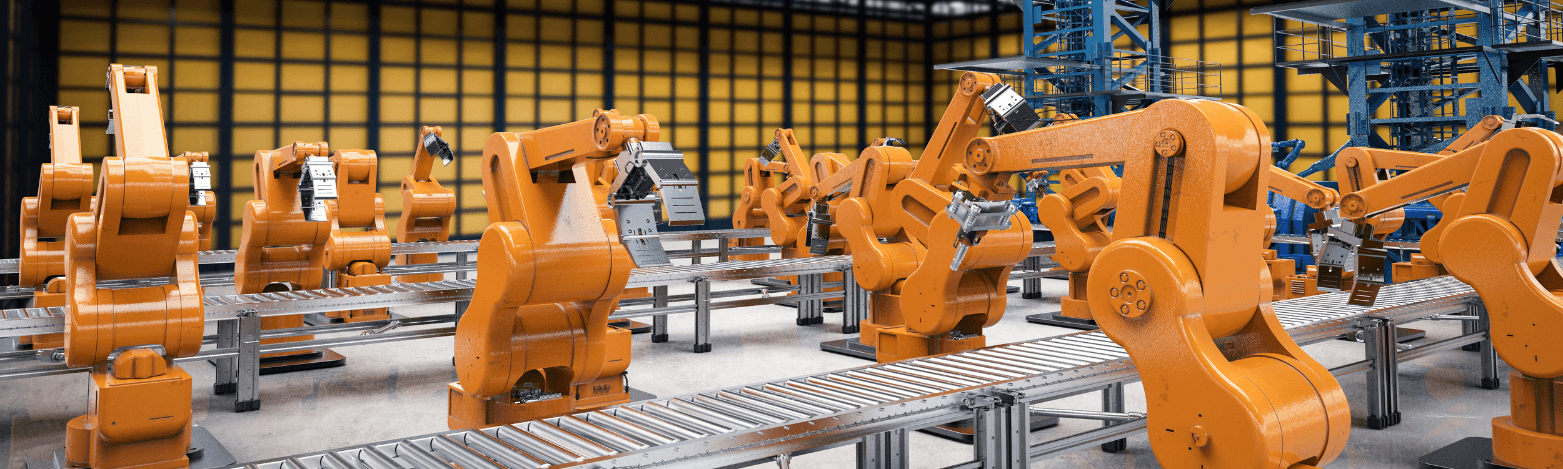
Henry Ford’s early 20th-century assembly line inventions are credited with paving the way for the automobile industry’s use of automation. The construction of vehicles has been transformed by automated assembly lines driven by robots and artificial intelligence , which have greatly increased accuracy and efficiency.
2. Robotics’ Place in Manufacturing
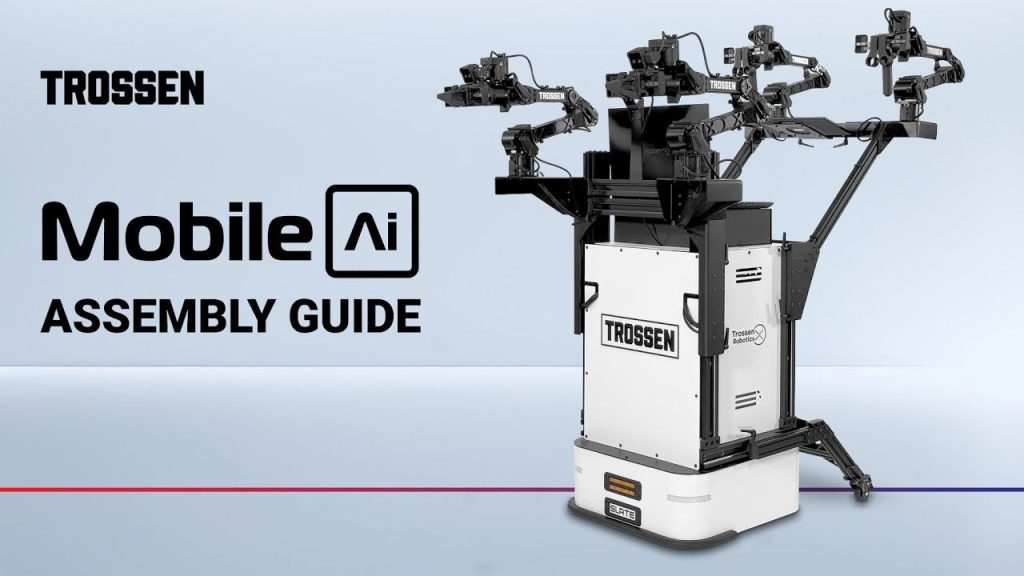
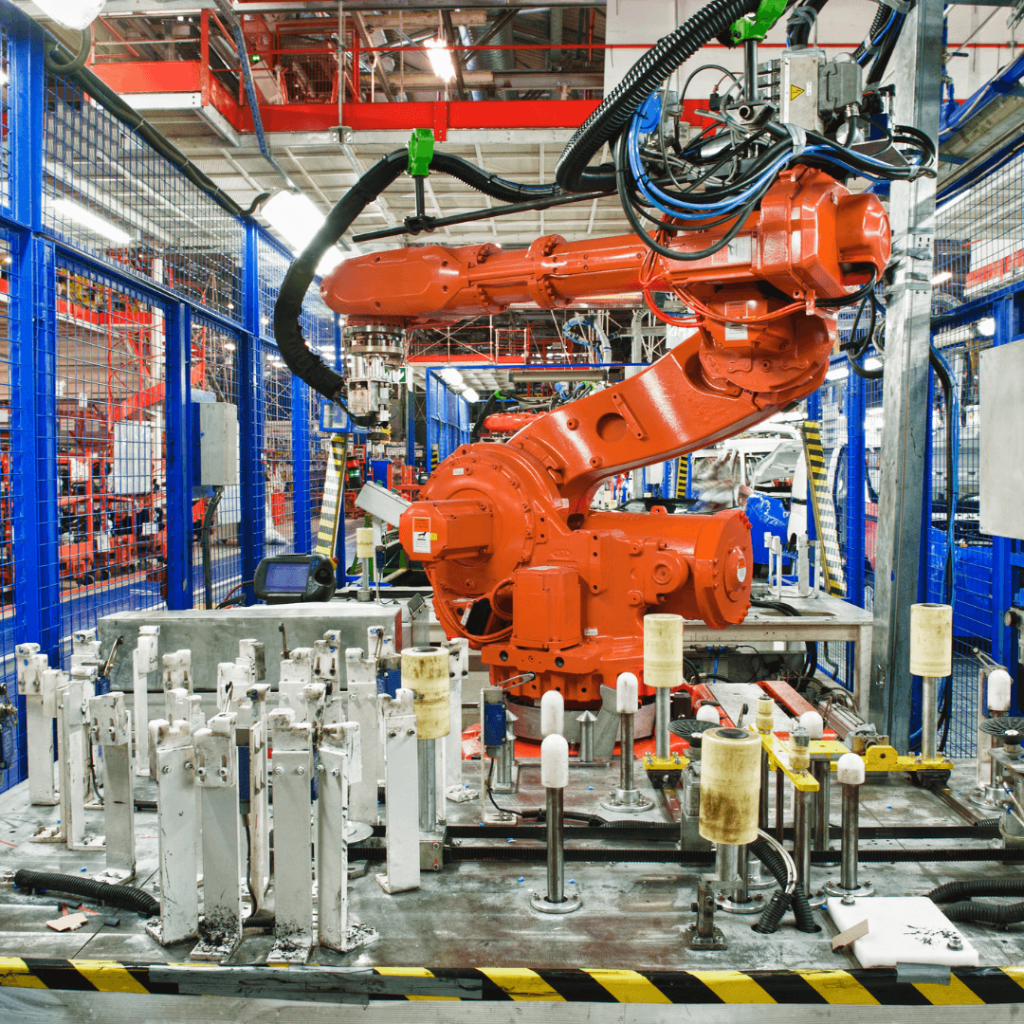
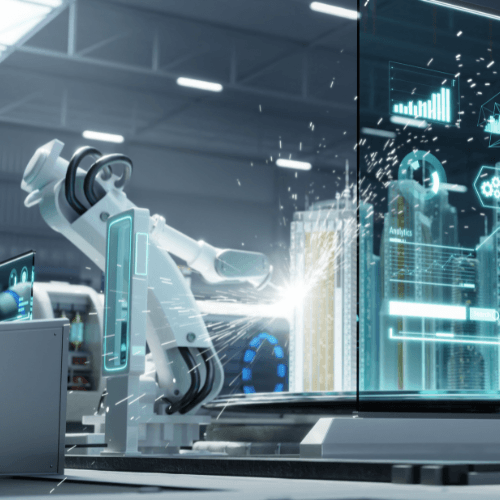
Tasks like welding, painting, and assembling have been replaced by robots , guaranteeing:
constant quality.
– Decreased human mistakes.
– Accelerated rate of manufacturing.
– For Example: at factories such as those of Tesla and Toyota, robotic arms carry out complex jobs with exceptional precision, improving the longevity and quality of vehicles.
3. Industry 4.0 and Intelligent Manufacturing
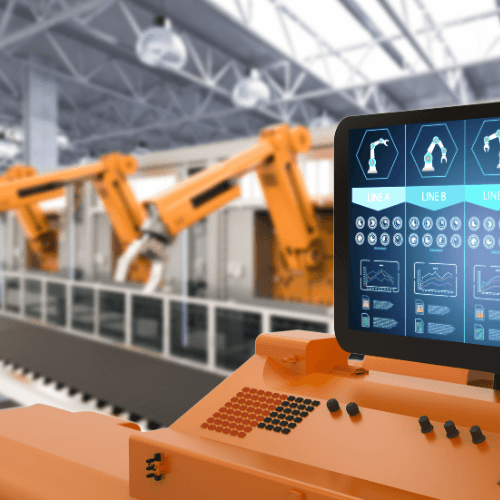
Predictive maintenance, real-time monitoring, and streamlined workflows are made possible at automotive plants through the integration of IoT (Internet of Things), AI, and data analytics. These developments support the industry 4.0 paradigm by establishing smart factories with smooth communication between systems and equipment.
The Future of Mobility with Autonomous Vehicles
1. Self-Driving Technology
The introduction of autonomous vehicles (AVs) is one of the most significant effects of automation in the automobile sector. AI, sensors , and LiDAR are being used by companies like Waymo, Tesla, and Uber to create self-driving cars that promise safer, more effective transportation.
2. Autonomous Vehicle Advantages
Enhanced Safety: The goal of AVs is to lessen human error-related accidents.
Enhanced Accessibility: People with disabilities and the elderly have more mobility.
Traffic Congestion Reduction: Intelligent navigation systems maximize traffic flow.
3. Difficulties Autonomous Vehicles Face
– Regulatory obstacles.
– High expenses for development and implementation.
– Ethical conundrums, such making decisions in situations involving accidents that cannot be prevented.
Automation of the Automotive Supply Chain
1. Simplifying Procedures
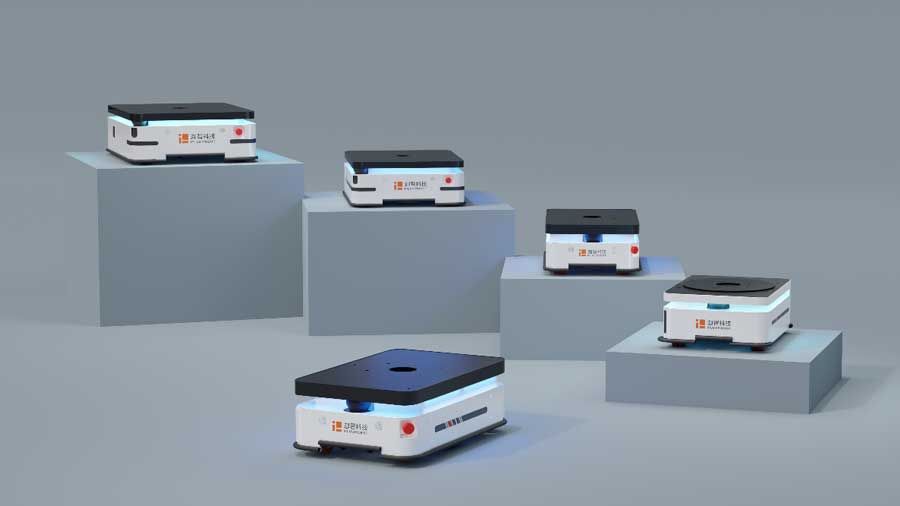
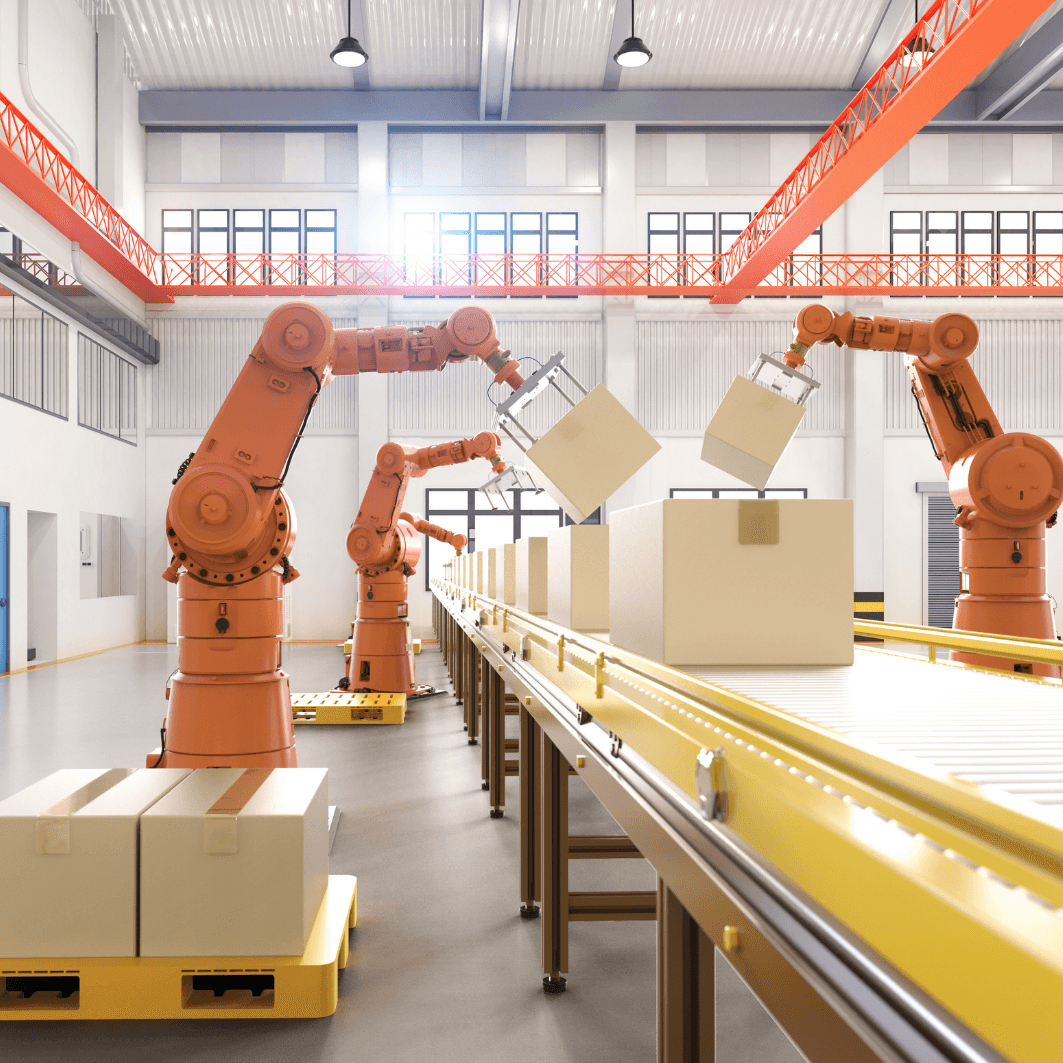
Effective order processing, logistics, and inventory management are guaranteed by automation in the automotive supply chain. Lead times are shortened by faster component movement made possible by automated warehouses and robots.
2. Improved Traceability
IoT-enabled sensors monitor components from production to assembly, guaranteeing openness and reducing losses or flaws.
3. Production Just-in-Time
Just-in-Time (JIT) manufacturing is supported by technology, which enables producers to cut waste and maximize resource use.
Automation’s Benefits for the Automobile Sector
1. Increased Productivity and Efficiency
Shorter Production Rates: Manufacturers can satisfy increasing demand with shorter turnaround times thanks to automated systems that run constantly and without weariness.
Enhanced Workflow: By removing bottlenecks and streamlining procedures, robotics guarantees more efficient operations.
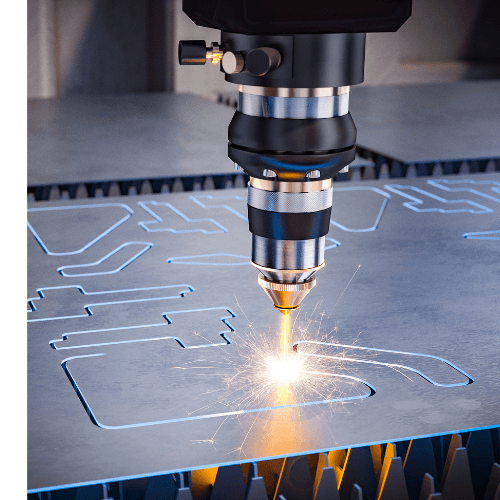
High-Speed Assembly Lines: Automated devices, including robotic arms, can do tedious jobs like painting and welding incredibly quickly.
2. Assurance of Quality and Consistency
Precision engineering: Robots carry out activities with a high level of accuracy, which lowers errors and guarantees production consistency.
Real-Time Quality Monitoring: During manufacturing, mistakes are detected by sensors and AI-powered devices, enabling prompt repairs.
Product Durability: High-quality production processes guarantee that automobiles fulfill strict safety and quality requirements.
Reduced Labor Costs: Over time, automation lowers costs by reducing the need for manual labor for repetitive operations.
Reduced Material Waste: Automated systems save money on raw materials by making effective use of resources.
Lower Operational Costs: Intelligent automation reduces downtime and energy usage.
4. Better Workplace Safety
Risk Mitigation: Robots safeguard employees from harm by performing risky activities like operating heavy machinery or handling hazardous chemicals.
Benefits to Health: Employees are less likely to be exposed to dangerous chemicals, which lowers their chance of developing chronic health problems.
5. Flexibility and Scalability
Adaptability: New vehicle designs or materials may be included into automated systems by reprogramming them to account for manufacturing changes.
Scalability: Depending on market need, automation facilitates the scaling up or down of processes.
6. Sustainability of the Environment
Decreased Emissions: Automated systems minimize waste and maximize energy use, reducing manufacturing’s carbon impact.
Recycling Initiatives: By supporting a circular economy, automation helps with the dismantling and recycling of automobiles.
Energy-Efficient Technologies: Energy-efficient procedures and renewable energy sources are integrated into smart factories.
Challenges of Automation in the Automotive Industry
1. High Initial Equipment
Cost of Equipment: Robotics, software, and infrastructure capital expenditures are substantial when establishing automation systems.
Integration Costs: More resources and knowledge are needed to integrate automated technology with current procedures.
2. Displacement of Workers
Job Loss Concerns: Automation frequently takes the place of manual labor-intensive jobs, which causes unemployment in several industries.
Reskilling Needs: Comprehensive training programs, which may be expensive and time-consuming, are necessary to transition displaced personnel into new jobs.
3. Upkeep and Downtime
Technical Complexity: For automated systems to operate well, they require routine maintenance, and production might be disrupted by faults.
Dependency on Experts: Maintaining, repairing, and upgrading sophisticated systems requires specialized expertise that isn’t always easily accessible.
4. Risks to Cybersecurity
Attack Vulnerability: Internet of Things (IoT)-connected automated devices are vulnerable to ransomware attacks and other cyberthreats including data leaks.
Data Integrity: In highly networked contexts, safeguarding intellectual property and sensitive industrial data is crucial yet difficult.
5. Limitations of Technology
Lack of Flexibility in Customization: Although automation is excellent at repetitive activities, manual involvement is frequently needed to create unique, customized goods.
Problems with Reliability: Unexpected mistakes or software bugs can still cause sophisticated equipment to malfunction.
6. Concerns about Regulation and Compliance
Meeting Standards: Various industry and governmental requirements, which may differ by area, must be complied with by automation systems.
Ethical Issues: The application of robotics in some fields, like driverless cars, presents ethical issues and needs strict regulation.
Future Trends in Automation in the Automotive Industry
1. Machine learning and artificial intelligence
Predictive maintenance: Lowers maintenance expenses and downtime by using AI to anticipate possible machine breakdowns before they happen.
Intelligent Decision-Making: By examining real-time data, machine learning algorithms will optimize industrial procedures.
2. Completely Self-Sustained Production
Lights-Out Factories: Future factories will be incredibly productive and efficient, requiring little to no human participation.
Self-Optimizing Systems: Automation systems will adjust to shifting circumstances, continually learning and getting better.
3. Advanced Robotics and Cobots
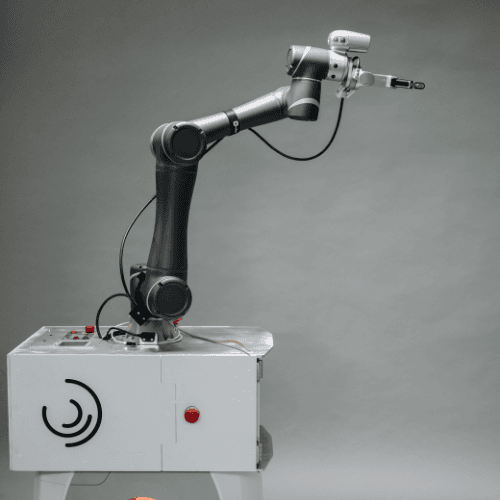
Collaborative robots, or Cobots: will operate alongside people to increase output while ensuring safety.
Dexterous Robots: To manage delicate jobs, future robotics will have improved dexterity and tactile perception.
4. 5G and IoT integration
Faster Connectivity: 5G networks will make it possible for automated systems to communicate with one other seamlessly, improving coordination and responsiveness.
Smart Factory Ecosystems: By monitoring and managing every facet of production, IoT devices will establish completely networked manufacturing settings.
5. Green and Sustainable Automation
Energy-Efficient Systems: Automation will concentrate on lowering energy usage by implementing more intelligent procedures.
Recycling Automation: By assisting in the recycling of components and materials, automated systems will promote a circular economy.
6. Cooperation Between Humans and Robots
Blurring Boundaries: In the workplace of the future, people and machines will operate together more intimately, utilizing each other’s advantages to produce better outcomes.
Reskilled Workforce: Human workers will fill positions requiring creativity, problem-solving, and strategic thinking while robots take over monotonous activities.
The Function of Automation in Sustainability
1. Durability Efficiency of Energy
By optimizing energy use, smart factories lower the carbon footprint associated with the manufacture of automobiles.
2. Reduction of Waste and Recycling
Automation promotes a circular economy by assisting in the disassembly of outdated automobiles and the recovery of recyclable materials.
3. Sustainable Production Methods
Utilizing eco-friendly materials in production and reducing resource waste are made possible by automated systems.
Conclusion
In the automobile sector, automation is becoming a major force that is changing supply chains, production, design, and mobility solutions. The advantages of accuracy, efficiency, safety , and sustainability greatly exceed the drawbacks, even while issues like exorbitant expenses and job displacement still exist. The automotive sector is expected to see previously unheard-of breakthroughs as automation advances, changing the way cars are made, delivered, and utilized. The transition to an automated future offers businesses, consumers, and society great opportunities, from self-driving automobiles to smart factories.