

The production process is being transformed by the incorporation of robotic machine tending into CNC automation, which also lowers costs, increases precision, and increases productivity. The function, operation, and advantages of robotic machine tending for CNC automation in contemporary production are examined in this blog.
What is Robotic Machine Tending?
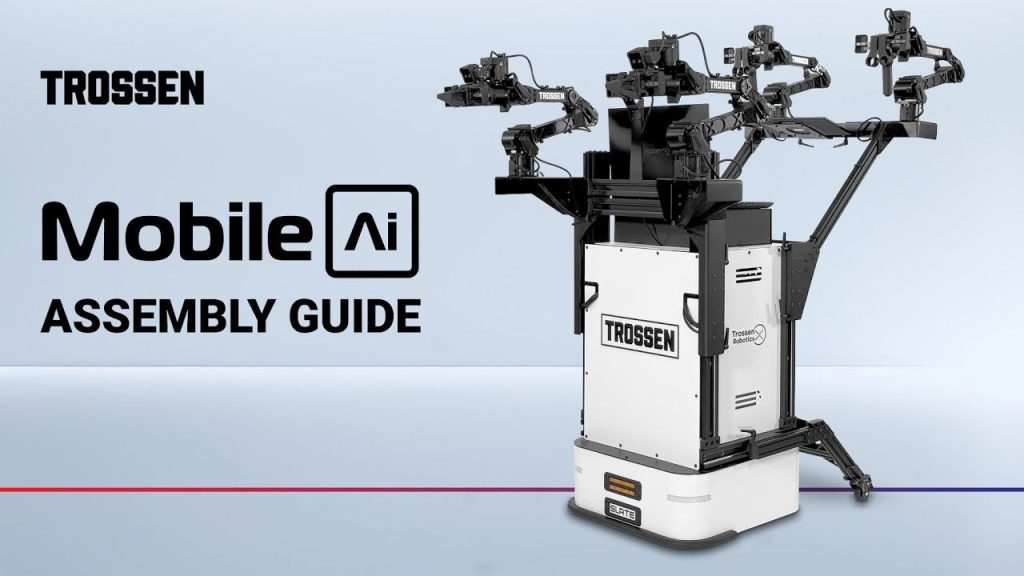
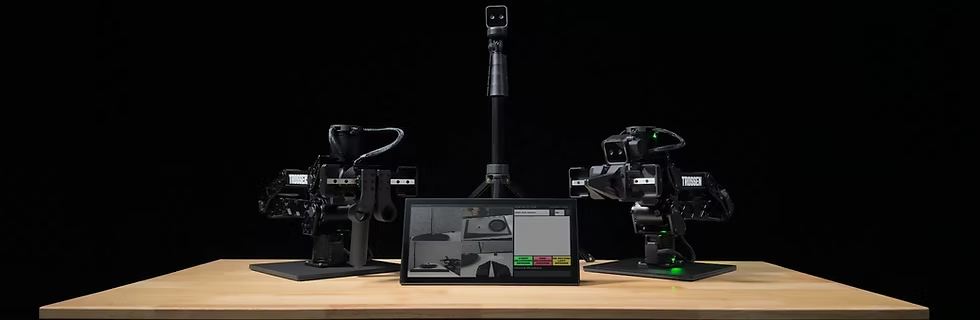
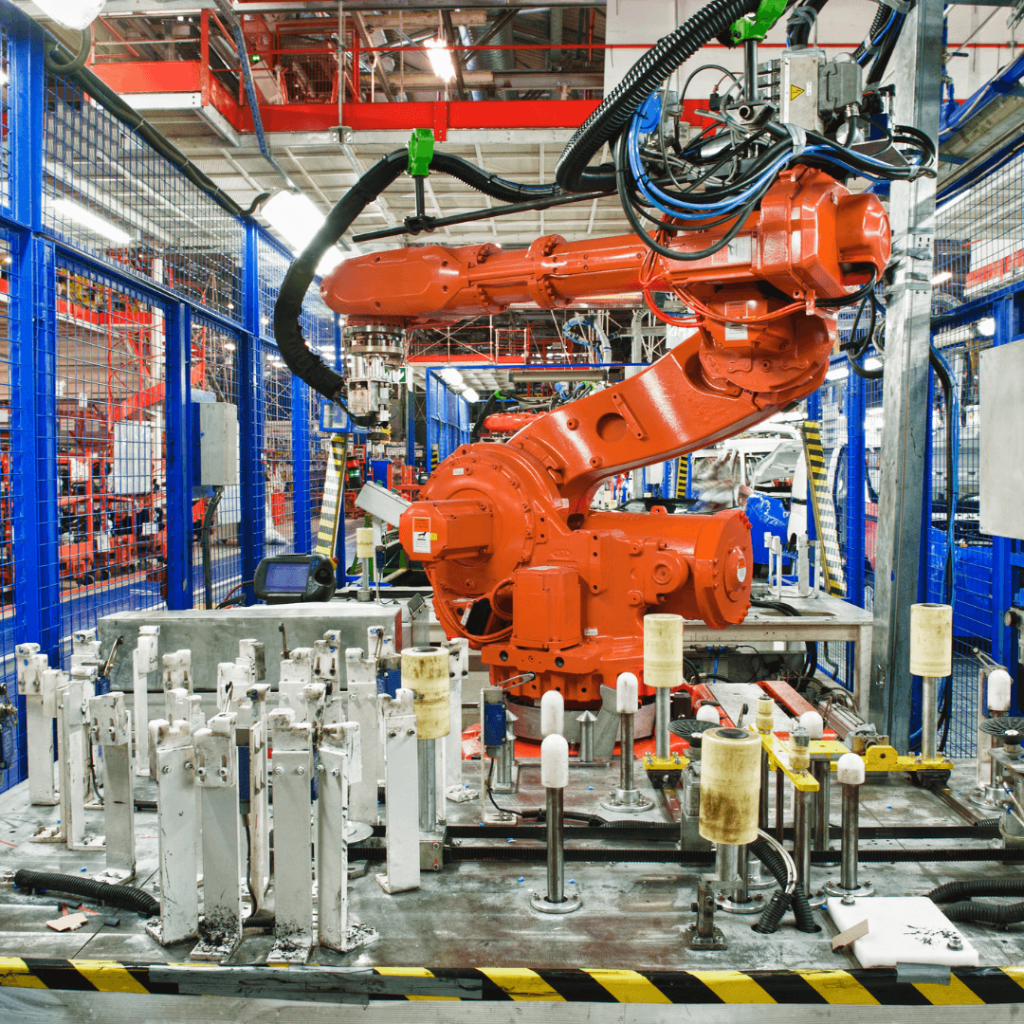
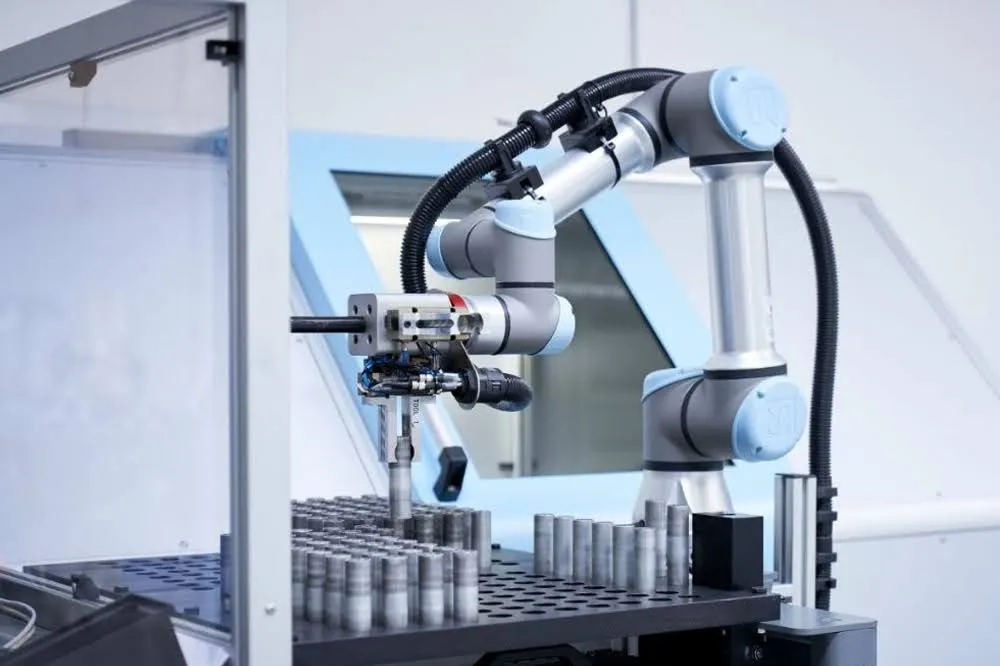
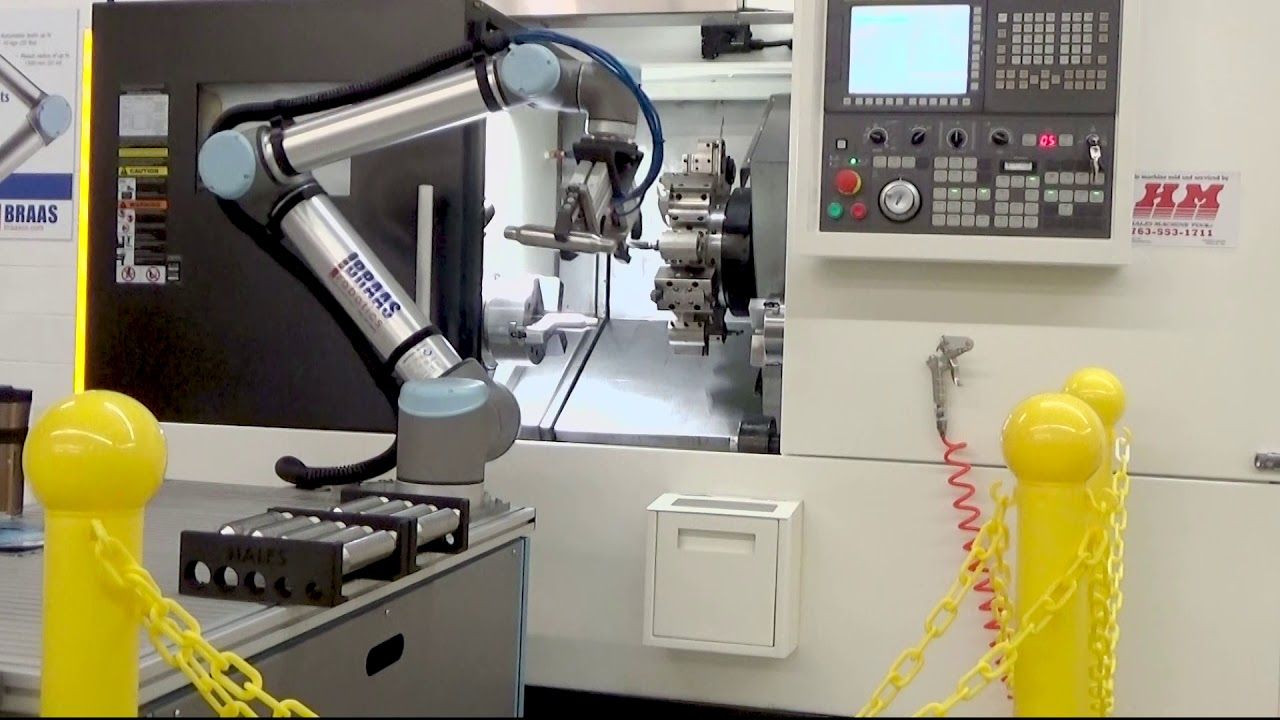
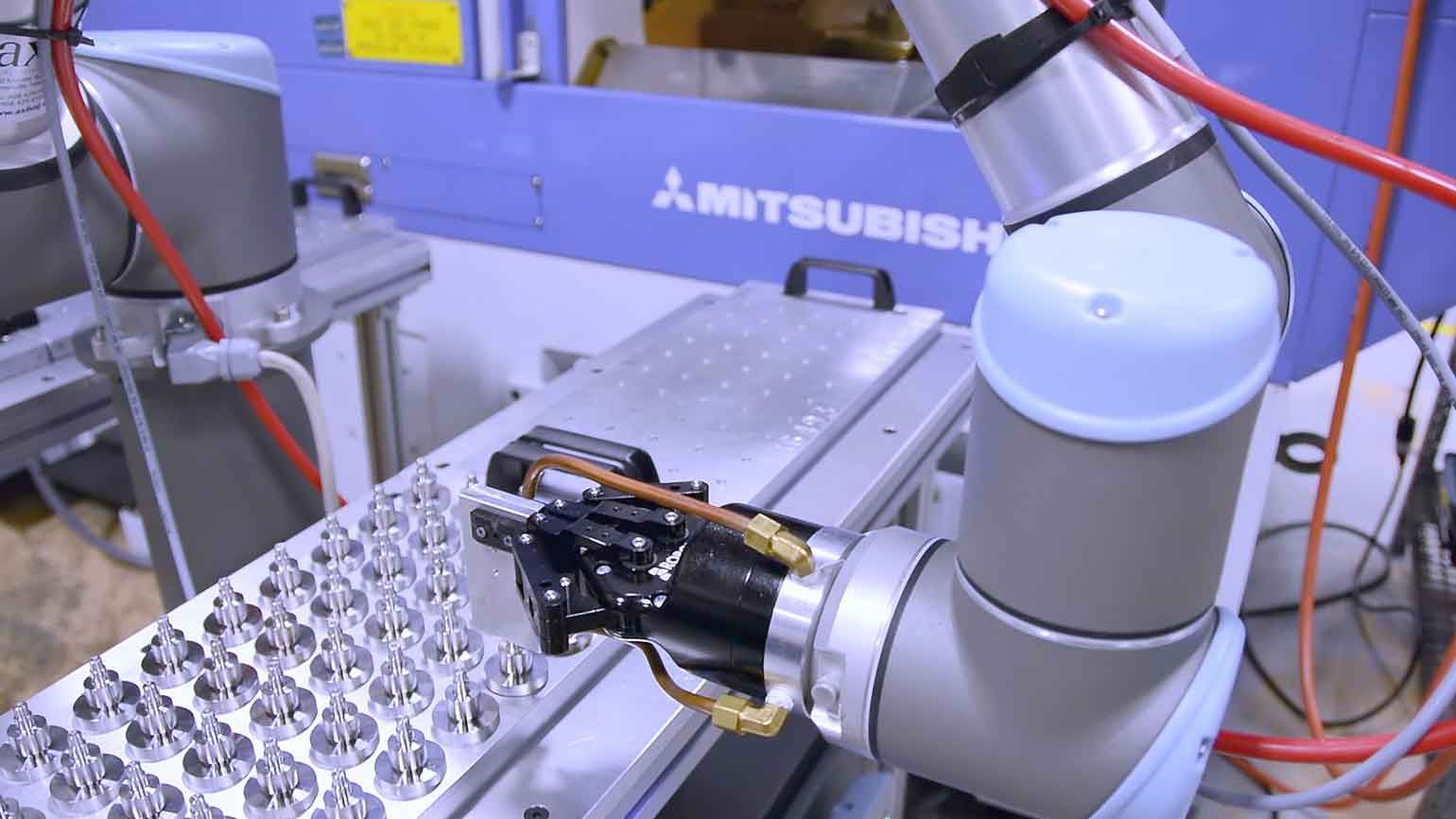
Robotic machine tending is the process of handling CNC machine components with robotic arms or cobots (collaborative robots). In addition to removing completed components and loading raw materials into the CNC machine, these robots may also carry out supplementary activities like quality inspections. Because the robots are configured to communicate with the CNC machines on their own, manufacturers may increase productivity without continual human oversight.
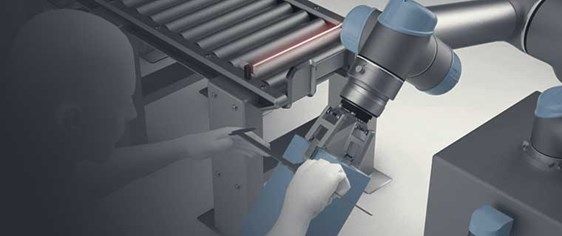
Human operators are needed in the conventional configuration to care for the machine, keep an eye on its development, and swap out tools as needed. Robots may do these duties using robotic machine tending, freeing up human workers to engage in more valuable, specialized labor. Because robots can work around the clock, they play a big part in automation.
How Robotic Machine Tending Works
The CNC machine, the robot or cobot, and the interface that links them are the three main parts of robotic machine tending systems. The operation of robotic machine tending in CNC automation is broken down as follows:
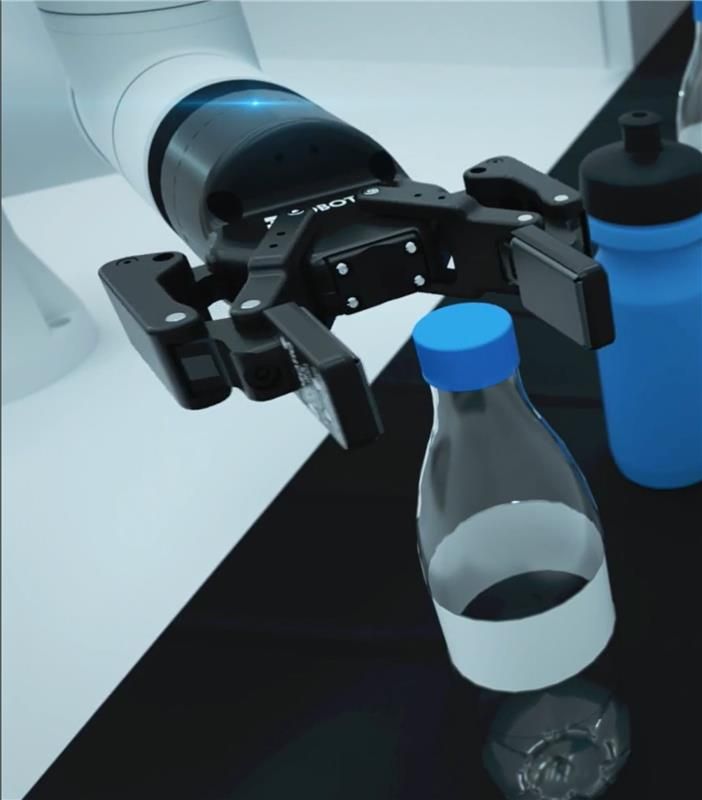
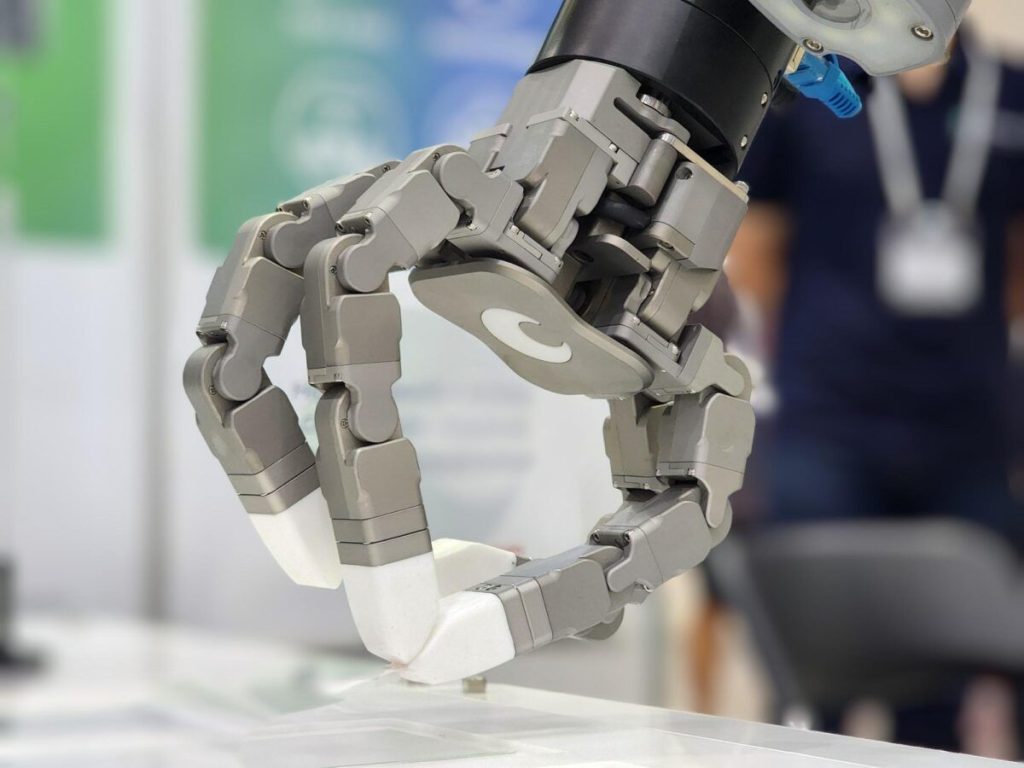
1. Robot or Cobot: To handle the parts being manufactured , the robot is outfitted with vacuum tools, specialized grippers, or specially made end effectors. Usually built with safety measures like sensors and safety zones to guarantee operator safety, robots are intended to operate side by side with people in the same workspace.
2. CNC machines: CNC machines can do operations like drilling, grinding, turning, and milling because they are accurately programmed to do so. By autonomously loading and unloading parts in accordance with the machine’s workflow instructions, robots communicate with these machines.
3. interface and Programming: Robots and CNC machines communicate with one another using automatic or manual software interfaces to make this possible. These connections guarantee a seamless and effective process by enabling robots to handle components, monitor the status of activities, and even notify operators of any problems.
Robotic Machine Maintenance’s Advantages for CNC Automation
Robotic machine tending is more than just a fad; it has several significant advantages that are revolutionizing CNC automation for producers. Below are the key advantages:
1. Enhanced Efficiency
Manufacturers may achieve uninterrupted operation by integrating robots into CNC machine tending. Because robots can operate around the clock, CNC machines can be used to their maximum capacity. This lowers machine downtime while increasing productivity and throughput. Furthermore, when it comes to repeated operations like loading and unloading parts, robots are usually faster than people. manufacturing lines are further optimized because of the quicker turnaround times, which enable the manufacturing of more components in less time.
2. Reduced Labor Costs
Manufacturing labor expenses may be high, particularly when you take into account how many people are needed to keep an eye on and maintain the machinery. Manufacturers can cut the number of workers needed for these operations by using robots to automate machine tending. This lowers labor costs and frees trained personnel to concentrate on activities like design, quality control, and troubleshooting that call for human knowledge.
3. Enhanced Accuracy and Quality Management
Humans can’t always match the constancy and accuracy of robots when it comes to repeated activities. This is especially crucial in CNC machining, where accurate motions are essential to maintaining the product’s integrity. By ensuring that parts are handled consistently, robotic machine tending lowers human error and improves the quality of the finished output.
4. Increased Safety
It might be risky to operate CNC machines, particularly in high-speed settings. High heat, sharp tools, and flying debris are some of the risks that human operators may encounter. Robots may greatly improve shop floor safety by removing the need for people to be in close proximity to potentially hazardous equipment.
5. Adaptability and Expandability
Machine tending robotic systems are very adaptable. They are perfect for producers who make a variety of goods because they can be reprogrammed or modified to handle different components or operations. Furthermore, producers can readily adjust to changes in demand since robots can be scaled up or down based on production demands.
6. Reduced Setup Duration
CNC machining setup times can be long, particularly if the procedure calls for alternating between several tools or components. The amount of time spent loading and unloading parts may be greatly decreased using robotic machine tending. Robots are capable of doing several tasks simultaneously and switching between them quickly and effectively.
Applications of Robotic Machine Tending in CNC Automation
In several sectors, robotic machine tending is already being utilized to maximize CNC automation. Some such uses are listed below:
1. The Automobile Sector
For precision parts including engine, gearbox, and chassis components, CNC machines are widely employed in the automobile industry. Robotic machine tending ensures excellent quality and precision while assisting in the effective loading and unloading of these parts. Additionally, robots are employed to manage big, bulky parts that would be challenging for human workers to handle.
2. The Aerospace Industry
The aerospace sector uses CNC machines to produce intricate items including engine parts, structural elements, and turbine blades. Particularly useful in this industry is robotic machine tending, which increases productivity and decreases the need for humans in hazardous jobs while maintaining the high precision needed for aircraft components.
3. Manufacturing Medical Devices
In the medical device industry, accuracy is essential. Surgical instruments , implants, and diagnostic equipment are examples of complex items made using CNC machines. In addition to vision systems that can check them for quality control, robotic machine tending guarantees that these parts are loaded, unloaded, and handled safely and effectively.
4. Machining and Tooling
In general tooling and machining applications where numerous components are produced in huge quantities, robots are being utilized more and more. Robots make ensuring that components are handled efficiently and reliably throughout milling, turning, and grinding processes, increasing productivity and reducing downtime.
5. CNC milling and metalworking
Industries that need high-precision metalworking employ CNC milling. By ensuring that components are put into the CNC machine consistently, robotic machine tending systems lower mistakes and speed up cycle times. Robots are perfect for sectors like metalworking and heavy equipment manufacture because they can handle larger, heavier items.
Challenges in Robotic Machine Tending for CNC Automation
1. Integration with Current Systems
Since robotic systems may need extra software interfaces or compatibility modifications, integrating them with existing CNC machines and processes is a significant problem.
2. Programming Complexity
It can be difficult to precisely coordinate with CNC machines and set up robots to perform a variety of jobs, particularly for small-batch or bespoke manufacturing.
3. High Initial Investment
Buying and implementing robotic systems may be expensive, particularly for smaller producers.
4. Skill Gaps
It frequently takes specialist expertise to train employees to operate, maintain, and guarantee the seamless running of robots.
5. Task Limitations
Human assistance may still be necessary for certain sophisticated or elaborate jobs, particularly when robots run into unforeseen problems or must adjust to highly varied operations.
The Future of Robotic Machine Tending in CNC Automation
Developments in Machine Learning and AI : AI and machine learning will be used by future robots to manage complicated parts with more intelligence and flexibility and to adapt to new tasks.
1. Collaborative robots, or Cobots: Will grow in intelligence and capacity to carry out a greater variety of activities on their own. This will reduce the need for programming knowledge and promote safer human-robot cooperation.
2. Smooth Integration with Advanced CNC Machines: Robots will integrate more seamlessly with CNC machines as they develop, improving accuracy and efficiency and allowing for the manufacture of more complex goods at lower prices.
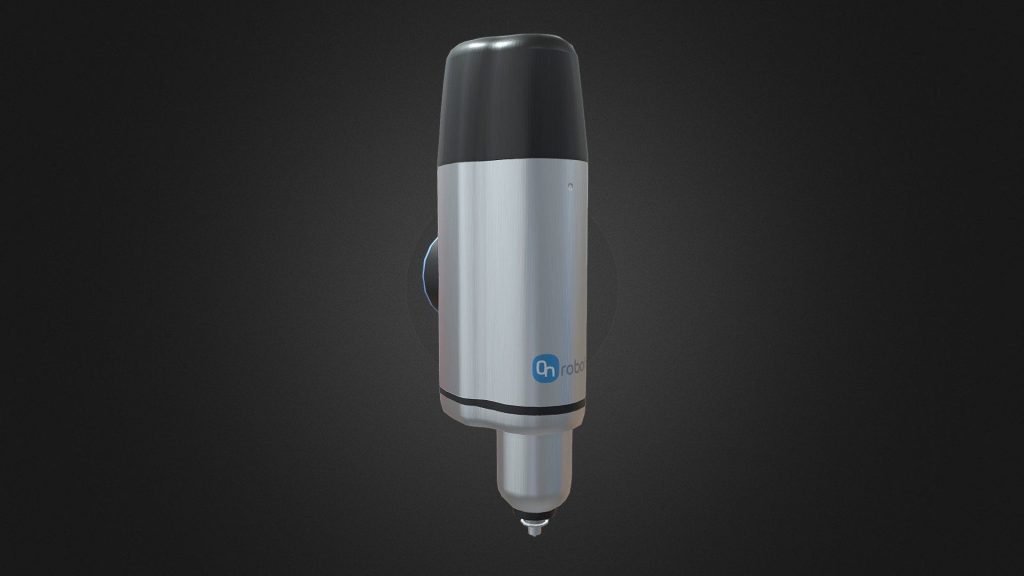
3. Enhanced accuracy with Advanced Sensors: Even in dynamic surroundings, future robots will be able to attain greater accuracy by including more complex sensors that allow them to make real-time modifications to their operations.
4. Cloud Connectivity and Data Analytics: Robots will gather and examine data from CNC machines through cloud connectivity to maximize efficiency, anticipate maintenance requirements, and guarantee ongoing enhancements to production procedures.
5. Cost Reduction Through Standardized systems: A greater variety of manufacturers, particularly smaller businesses, will be able to afford robotic systems as they become more standardized.
In CNC automation, robotic machine tending is revolutionary. Manufacturers may greatly boost production, save labor costs, improve safety, and improve product quality by incorporating robots into the CNC machining process. Modern production relies heavily on robotic systems because of their accuracy, scalability, and adaptability. The future of CNC automation across industries will be shaped by the growing importance of robotic machine tending as technology develops.