




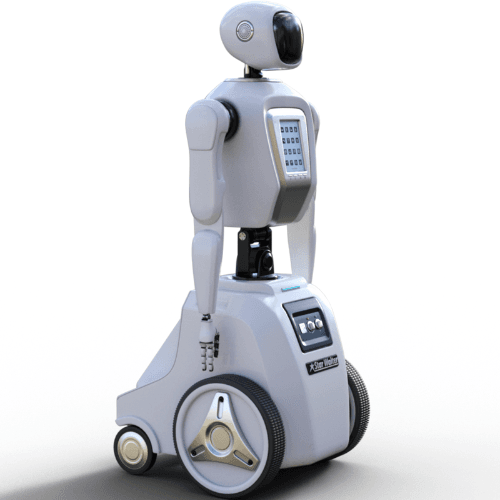
1. The Development of Cooperation Between Humans and Robots
Workplace robots are nothing new. They first showed up on manufacturing floors in the 1960s, carrying out monotonous jobs that called for steadiness and strength. But because of safety concerns, these robots were typically kept apart from people in cages. With the advent of collaborative robots, or cobots , which are made to operate alongside people in a safe and natural way, the idea of HRC gained popularity in the twenty-first century.
Cobots can react dynamically to human activities because they are outfitted with sophisticated sensors , machine learning tools, and artificial intelligence algorithms, unlike their industrial ancestors. These robots are emerging from their cages and collaborating with people to increase productivity and creativity in a variety of settings, including production lines, hospitals, and even offices.

2. The Future of Human-Robot Collaboration
a. Productivity and Efficiency
Humans are skilled at creativity and problem-solving, while robots are excellent at carrying out repetitive, highly precise jobs without becoming tired. When combined, they produce more precise and efficient operations. Robots, for example, can do monotonous assembly activities in manufacturing, freeing up people to concentrate on process optimization and quality control.
b. Improved Safety at Work
By enabling robots to perform risky activities, HRC dramatically lowers workplace accidents. Robots reduce the risks to human workers by operating hazardous machinery, handling heavy lifting, and working in harsh settings. This has had an especially revolutionary impact on sectors including mining, healthcare, and construction.
c. Filling the Skills Gap
When skilled labor becomes scarce in certain industries, robots can fill in to complete activities that need for specialized technical knowledge. Workers with little expertise can operate sophisticated machines because to Cobots’ user-friendly programming interfaces. This democratization of technology promotes workforce scalability and aids in closing the skills gap.
d. Promoting Creativity
Unexpected innovations frequently result from human-robot collaboration. Research and development is accelerated when human ingenuity and robotic accuracy are combined, producing ground-breaking goods and solutions.
e. Scalable Personalization
HRC makes it possible to provide individualized experiences at scale in industries like healthcare and retail. For instance, in the medical field, human physicians concentrate on diagnosis and patient connection, whereas robots perform surgery with unmatched precision, offering a comprehensive approach.

3. Sectors Gaining from Human-Robot Cooperation
a. Production
When it comes to HRC adoption, manufacturing is leading the way. Humans can concentrate on design, maintenance, and process enhancements while robots help with assembly lines, material mize production efficiency and product quality.
b. Medical Care
Robots are used in the medical field to support rehabilitation therapy, move medical supplies, and help with surgery. To combine efficiency and empathy, human-robot teams are also being used to oversee patient care in senior citizen facilities.
c. Farming
Using drones and automated equipment, robots assist people in the agricultural industry by planting, harvesting, and monitoring crops. These solutions lessen the negative environmental effects of conventional farming practices while increasing output.
d. Storage and Logistics
Through inventory management, package sorting, and delivery route optimization, robots are revolutionizing supply chain operations. These procedures are managed by human personnel, who also solve logistical problems and guarantee smooth operations.
e. Customer service and retail
Robots are being used more and more by retail establishments to assist customers, handle inventory, and customize the shopping experience. For example, human employees concentrate on answering complicated questions while Pepper the robot engages with clients.
4. Obstacles in the Era of Human-Robot Collaboration
a. Employee Opposition
Many employees oppose HRC projects because they fear that robots would replace them in their jobs. To show that robots are complements rather than rivals, organizations must allay these worries through open communication and reskilling initiatives.
b. Moral Points to Remember
Robotics integration brings up ethical concerns including decision-making accountability, employment displacement, and data privacy. To overcome these obstacles, clear laws and moral principles are necessary.
c. Technical Restrictions
Even with these developments, robots still have trouble with tasks requiring profound emotional intelligence and unstructured situations. For collaborative systems to reach their full potential, they must be continuously improved.
d. Expenses of Integration
Adopting HRC systems requires large upfront expenditures for infrastructure, training, and technology. These expenses are frequently unaffordable for small and medium-sized businesses (SMEs), which slows adoption rates.
5. How Technology Can Help HRC Advance
a. Artificial Intelligence
The foundation of HRC is AI, which gives robots the ability to learn, adapt, and work together efficiently. Robots can comprehend human behavior and react appropriately thanks to machine learning algorithms, which promote smooth teamwork.
b. Connectivity and IoT
Real-time communication between robots and their human counterparts is made possible via the Internet of Things (IoT). Coordination is improved by this connectedness, particularly in sectors like manufacturing and logistics.
c. Sophisticated Sensors
Modern robots can interact precisely and safely thanks to sensors that give them spatial awareness. For instance, proximity sensors guarantee worker safety by preventing robots from running into people.
d. Cloud Computing
Robots can access enormous volumes of data using cloud-based platforms, which makes sophisticated decision-making and task execution easier. Additionally, this makes it possible to remotely monitor and control robotic devices.
6. HRC’s Human Component
Even though robots are incredibly efficient, humans are still indispensable. Human-specific qualities like creativity, intuition, and emotional intelligence enhance robotic capabilities. Humans serve as innovators, managers, and strategists in the HRC era, directing robots to accomplish common objectives.
Training curricula must emphasize the development of abilities like programming, troubleshooting, and process optimization that improve human-robot interaction. Furthermore, harnessing the advantages of HRC requires cultivating a culture of cooperation.
The Human-Robot Collaboration Era: Getting Ready
a. Upskilling and Reskilling
To prepare workers for HRC settings, reskilling initiatives must be given top priority by governments, organizations, and educational institutions. To close skill gaps, robotics, artificial intelligence, and human-machine interface training is crucial.
b. Regulation and Policy
To handle the ethical, safety, and financial ramifications of HRC, regulatory structures must change. In addition to fostering innovation and investment in robotics, policies should support ethical work practices
c. Remodeling Work Areas
Redesigning workspaces to support collaborative workflows is necessary. Human-robot contact is facilitated by open layouts, integrated safety measures, and ergonomic tools.
d. Promoting a Growth Mentality
Employers need to help staff members develop a development mentality, which encourages them to welcome change and see robots as collaborators in accomplishing shared objectives.

9. How Cooperation Between Humans and Robots Promotes Sustainability
Across many businesses, sustainability has emerged as a key objective, and HRC is essential to reaching it. Robots are assisting companies in becoming more ecologically conscious by maximizing resource utilization, cutting waste, and facilitating precise operations.
a. Efficiency of Energy
When compared to conventional ways, robots can do tasks with less energy use. Robotic technologies, such as drone-based crop monitoring and autonomous tractors, for instance, guarantee accurate resource application in agriculture, lowering the use of pesticides and water.
b. Reduction of Waste
Robots are excellent at minimizing material waste in manufacturing by performing precise tasks. Less money is wasted on subpar products thanks to their capacity to identify flaws early in the production process.
c. The Circular Economy Facilitation
HRC facilitates effective recycling procedures, which promotes the circular economy. Precision product disassembly by robots makes it possible to recover and repurpose valuable materials in subsequent production cycles.
d. Maintenance of Renewable Energy
Robots help with the upkeep of wind turbines, solar panels, and other infrastructure in the renewable energy sector. For renewable energy systems, their cooperation with human technicians guarantees excellent uptime and efficiency.

12. Future Trends in Human-Robot Collaboration
a. Robotics’ Emotional Intelligence
Future robots will probably have more emotional intelligence, which will allow them to react to social cues and human emotions. In the fields of education, healthcare, and customer service, this will be revolutionary.
b. AI Collaborative Platforms
Robots that can anticipate human needs and preferences may become possible thanks to advances in AI, facilitating more fluid collaboration. Robots may automatically rearrange goods in warehouses, for example, according to human usage patterns.
c. Robotics Wearables
Human capacities are already being improved by the development of wearable robots and exoskeletons. These tools can help employees carry out repeated operations or lift big goods with less effort.
d. Robotics Democratization
Robotic systems are becoming more affordable, allowing SMEs to use them. Modular designs and open-source platforms will encourage adoption even more, allowing companies of all sizes to take advantage of HRC.
e. Cooperation Among Multiple Robots
In addition to human-robot teams, multi-robot systems operating cooperatively under human supervision will also be a part of the next HRC phase. This will have a special effect on urban planning and logistics.
Conclusion
The era of human-robot collaboration signifies a profound change in our understanding of work. Robots will continue to be incorporated into workplaces as their capabilities grow, spurring innovation, sustainability, and productivity. The secret to success is striking a balance between utilizing both human and robotic talents and overcoming obstacles with careful preparation and teamwork. By doing this, we can build an inclusive, empowered, and productive workplace of the future. The goal of the human-robot collaboration period is to maximize human potential rather than to replace people. Together, we can open new avenues for creativity and productivity and push the envelope. Collaborative work is the way of the future.












